When winter arrives, most homeowners only think about the furnace when something goes wrong. But the best time to prevent a breakdown is before the heating season starts. A simple annual furnace maintenance routine can help your system run more efficiently, reduce the chance of emergency repairs, improve indoor air quality, and even slow the long-term wear that contributes to a costly furnace replacement.
This guide breaks down what you can safely do yourself, what should be left to a trained HVAC professional, and how to organize furnace upkeep across the year. If you want better home heating, lower utility bills, and fewer surprises on the coldest days of the season, this checklist is a practical place to start.
Why annual furnace maintenance matters
Furnace maintenance is about more than keeping the heat on. A well-maintained system can operate more efficiently, which may lower fuel use and help control heating costs. It also gives technicians a chance to catch worn parts, airflow problems, or safety issues before they become expensive repairs.
Regular maintenance can help with:
- Energy efficiency: Clean components and proper airflow reduce wasted energy.
- System reliability: Small issues are often easier and cheaper to fix early.
- Indoor air quality: Clean filters and ducts help reduce dust and airborne particles.
- Safety: Annual inspection can identify gas leaks, faulty ignition components, or heat exchanger problems.
- Longer equipment life: Less strain on the system can extend its useful service life.
In other words, furnace maintenance is not just a comfort task. It is part of protecting the investment you made in your heating system.
What homeowners can do themselves
There are several maintenance tasks most homeowners can handle with basic tools and a little attention. These are the best places to start because they are simple, low-risk, and make a real difference in how your furnace performs.
1. Replace or clean the air filter regularly
This is the single most important DIY furnace task. Most filters should be checked every month during heavy use and replaced or cleaned every 1 to 3 months, depending on the filter type, household conditions, and manufacturer guidance.
A dirty filter can restrict airflow, forcing the furnace to work harder. That can lead to higher energy bills, uneven heating, more wear on the blower motor, and in severe cases, a shutoff or heat exchanger damage. It can also worsen indoor air quality by allowing more dust and particles to circulate through the home.
DIY filter checklist:
- Turn off the system before removing the filter if needed.
- Note the size and airflow direction before replacing it.
- Check for dust buildup, pet hair, or visible clogging.
- Install the new filter with arrows pointing in the correct direction.
- Set a reminder for the next replacement date.
If you are unsure which type of filter your furnace uses, check the existing filter frame or your system manual. A more restrictive filter is not always better; the right balance of filtration and airflow matters.
2. Keep vents and returns clear
Airflow issues are one of the most common reasons a home feels colder than it should. Walk through the house and check that supply vents and return grilles are not blocked by furniture, rugs, curtains, or storage boxes. Also clean away dust buildup around the grilles.
Restricted airflow can make your furnace cycle more often and create hot and cold spots throughout the home. Better airflow improves comfort and helps the furnace move heated air more effectively.
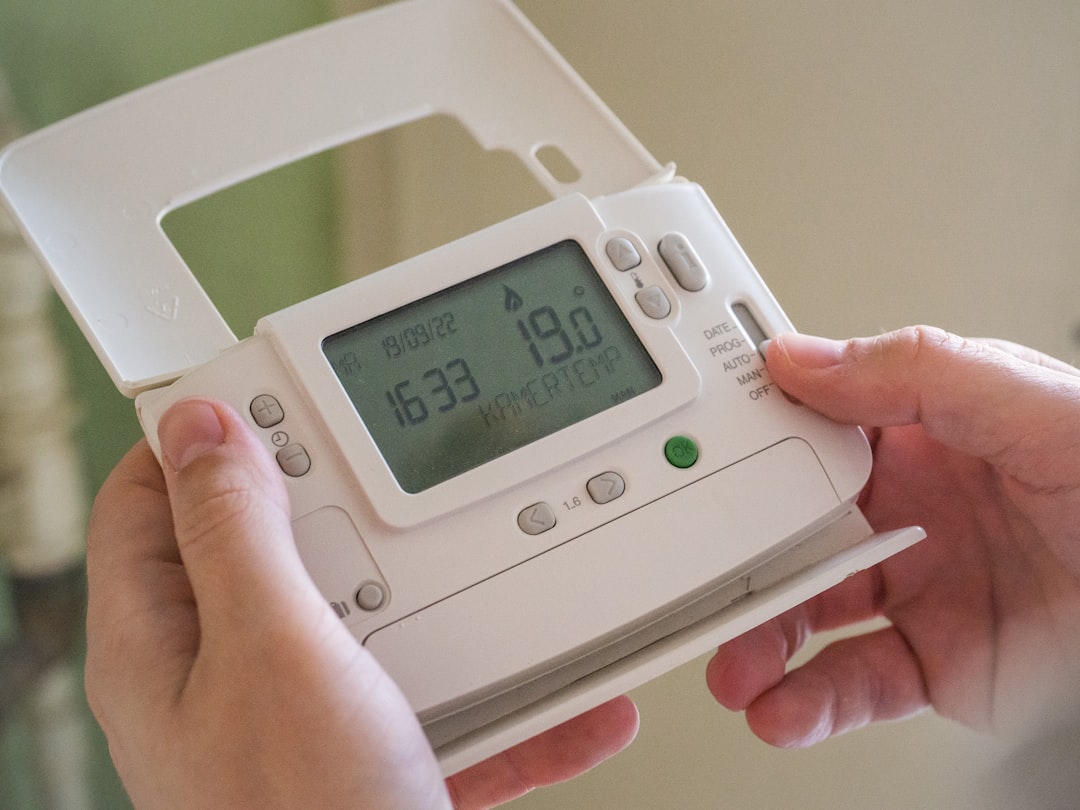
3. Check the thermostat
Before assuming the furnace is failing, verify that the thermostat is set correctly and operating as expected. Replace thermostat batteries if needed, confirm the schedule is accurate, and make sure the temperature reading seems reasonable.
If the thermostat is not responding, is losing power, or seems to be misreading the room temperature, that may be a sign of a wiring issue, sensor problem, or upgrade opportunity. Modern smart thermostats can improve temperature control and help reduce wasted heating when no one is home.
4. Keep the furnace area clean and accessible
Do not store boxes, paint, chemicals, or other clutter around the furnace. The area should be open and clean so the unit can breathe and so service access is easy. Dust, lint, and debris near the furnace can also get pulled into the system.
A clear workspace matters for safety and maintenance alike. It helps you notice leaks, rust, or unusual conditions sooner.
5. Listen and look for warning signs
Your furnace often gives early clues before it fails. Pay attention to new noises, longer run times, strange smells, uneven heating, or repeated cycling. These symptoms may point to airflow restrictions, ignition issues, mechanical wear, or another developing problem.
Homeowners should not ignore small changes in system behavior. Catching them early can reduce the odds of a no-heat emergency later.
What to leave to a professional
Some furnace tasks should always be handled by a trained HVAC technician. These involve combustion, electrical components, gas connections, or internal parts that require diagnostic tools and experience.
Annual inspection and safety checks
A professional furnace service visit is best scheduled in the fall, before cold weather arrives in full force. During this visit, a technician can inspect the system thoroughly and look for issues that are not obvious from the outside.
Professional inspection tasks often include:
- Checking for gas leaks and proper fuel delivery
- Inspecting the burner assembly and ignition system
- Testing safety controls and limit switches
- Examining the heat exchanger for cracks or damage
- Measuring airflow and system performance
- Checking electrical connections and motor operation
- Cleaning internal components as needed
These steps matter because some failures are not just inconvenient; they can be dangerous. For example, a cracked heat exchanger can create a carbon monoxide risk. That is one of the biggest reasons annual professional service is worth it.
Internal cleaning and combustion-related work
Although homeowners can clean around the furnace and replace filters, internal cleaning of burners, blowers, and heat transfer components is usually best left to a pro. The same goes for any work involving gas valves, flame sensors, or combustion adjustments.
Trying to repair these components without training may make the problem worse and could create a safety issue. If your furnace is not heating correctly, or if it is blowing cold air, a diagnostic visit is the safest way to find the cause.
Warning signs that mean it is time to call for service
Some furnace problems can wait until your next annual appointment. Others should be checked right away. If you notice any of the following, schedule professional service as soon as possible:
- The furnace is blowing cold air
- The system will not start or shuts off unexpectedly
- You hear banging, rattling, squealing, or grinding noises
- You smell gas or burning odors
- The pilot light or ignition keeps failing
- Some rooms are much colder than others
- Your energy bills have risen without a clear reason
- The furnace cycles on and off too frequently
- You see visible rust, soot, or moisture around the unit
If you smell gas, leave the area and follow local emergency guidance right away. Do not try to troubleshoot a suspected gas issue on your own.
How annual maintenance lowers heating bills
Heating costs are strongly affected by how hard your furnace has to work. A neglected system tends to run longer, use more energy, and struggle to keep temperatures stable. By contrast, a clean and tuned furnace can move air more efficiently and maintain comfort with less waste.
Here is how maintenance can help reduce bills:
- Cleaner filters improve airflow and reduce strain.
- Properly functioning burners and controls support efficient combustion.
- Well-sealed and healthy ductwork helps deliver more heat where it is needed.
- Accurate thermostat settings prevent overheating empty rooms.
- Fewer breakdowns avoid emergency service costs and prolonged inefficient operation.
Even small gains in efficiency can add up over a long heating season. For many households, consistent maintenance is one of the simplest home heating tips for controlling utility spending.
How maintenance affects the cost to replace a furnace
Many homeowners think about maintenance only in terms of monthly comfort and winter reliability. But it also affects the bigger financial picture. A furnace that receives regular care is less likely to suffer premature component failure, which can delay the need for a full replacement.
When a system is ignored, a neglected filter, dirty burner, worn motor, or repeated overheating can shorten its lifespan. Over time, that can push the owner toward furnace replacement earlier than expected. While no amount of maintenance can make a furnace last forever, routine service helps protect its value and can reduce the odds of facing a major repair decision too soon.
That is why maintenance is often one of the best ways to manage the cost to replace furnace equipment over the long term: not by eliminating replacement, but by helping you get more years from the system you already own.
Simple annual furnace maintenance calendar
It helps to think of furnace care as a schedule instead of a once-a-year chore. A simple calendar keeps the work manageable.
Early fall
- Book an annual professional furnace inspection
- Replace the air filter
- Test the thermostat
- Clear space around the furnace
- Check vents and returns
Monthly during heating season
- Inspect the filter
- Listen for new sounds
- Confirm rooms are heating evenly
- Look for unusual smells, soot, or moisture
Mid-season
- Replace the filter if needed
- Recheck thermostat settings and battery power
- Make sure vents have not been blocked by seasonal furniture changes
Late winter or early spring
- Do a final filter check
- Note any repairs or performance issues to discuss before next season
- Clean around the furnace area
DIY vs. pro: a quick decision guide
If you are not sure whether a task is safe to handle yourself, ask this simple question: does the work involve gas, combustion, electrical components, or opening the furnace cabinet? If yes, it usually belongs to a professional.
Good DIY tasks: filters, thermostat checks, vent clearing, basic cleaning, and visual inspections.
Leave to a pro: gas valve adjustments, burner cleaning, ignition repair, heat exchanger inspection, electrical troubleshooting, and safety testing.
That division keeps the system safer and helps ensure that the work is done correctly.
Final thoughts
Annual furnace maintenance is one of the smartest habits a homeowner can build. It supports better heating performance, reduces the odds of emergency breakdowns, and helps keep energy bills under control. Most importantly, it gives you a chance to catch small issues before they become expensive or unsafe.
Start with the basics: change the filter, keep the area clear, check the thermostat, and watch for warning signs. Then schedule a professional inspection before the heating season begins. With a simple maintenance routine, your furnace can work more efficiently, your home can stay more comfortable, and you may be able to postpone the cost and stress of an early furnace replacement.