Homeowners usually think of data centers as remote, power-hungry buildings full of servers. But the thermal engineering behind them is increasingly relevant to your house. The same breakthroughs driving data center regulations amid industry growth are pushing better heat management, tighter controls, and smarter energy use that can translate into lower utility bills at home. In other words, the lessons from data center cooling are no longer just for hyperscale campuses; they are shaping the future of home energy efficiency, especially as heat pumps, smarter controls, and heat recovery systems become more practical for residential use. If you are trying to reduce heating bills without sacrificing comfort, this is exactly the kind of crossover innovation worth understanding.
The big idea is simple: data centers must remove heat continuously, precisely, and efficiently, often from tightly packed equipment that cannot tolerate temperature swings. That requirement has led to innovations in cloud ROI for data centers, cold-chain resilience, and thermal systems that are smarter than traditional on/off HVAC. Those same principles can help homeowners avoid oversizing, improve comfort zoning, capture waste heat, and cut losses caused by poor ducting or leaky envelopes. Think of it as borrowing the best parts of human + AI workflows in building operations: use data, act precisely, and stop wasting energy on guesswork.
Why data centers are changing the way we think about comfort
They are extreme examples of thermal management
Data centers are the most demanding indoor environments in the built world. They must remove heat 24/7, maintain narrow temperature bands, and keep equipment safe even as load fluctuates minute to minute. That pressure has accelerated the development of precision air conditioning, advanced controls, and liquid-based systems that do not simply blast cold air everywhere. For homeowners, the lesson is powerful: comfort improves when heating and cooling are delivered where needed, when needed, instead of treating the whole home like one giant room.
The same logic appears in other complex systems where performance depends on tight control. In homes, that means better zoning, variable-speed equipment, and envelope upgrades that reduce the amount of conditioned air you need in the first place. For a practical local angle, many households pair these upgrades with help from affordable home repair help in your area or broader guidance from industry experts on spotting the best deal when comparing contractors and equipment. The message is not to copy a server room exactly, but to adopt the discipline behind it.
Efficiency is now a business necessity, not a nice-to-have
Data center operators are under intense pressure to reduce power usage effectiveness, manage rising electricity costs, and keep cooling from swallowing the budget. That is why companies like Modine have invested heavily in IT cooling solutions, precision air conditioning units, and liquid cooling solutions for high-density computing. The commercial logic mirrors what homeowners feel at the utility bill level: every wasted watt compounds over time. A more efficient cooling approach lowers operating costs today and creates room for future electrification like heat pumps and smart water heating.
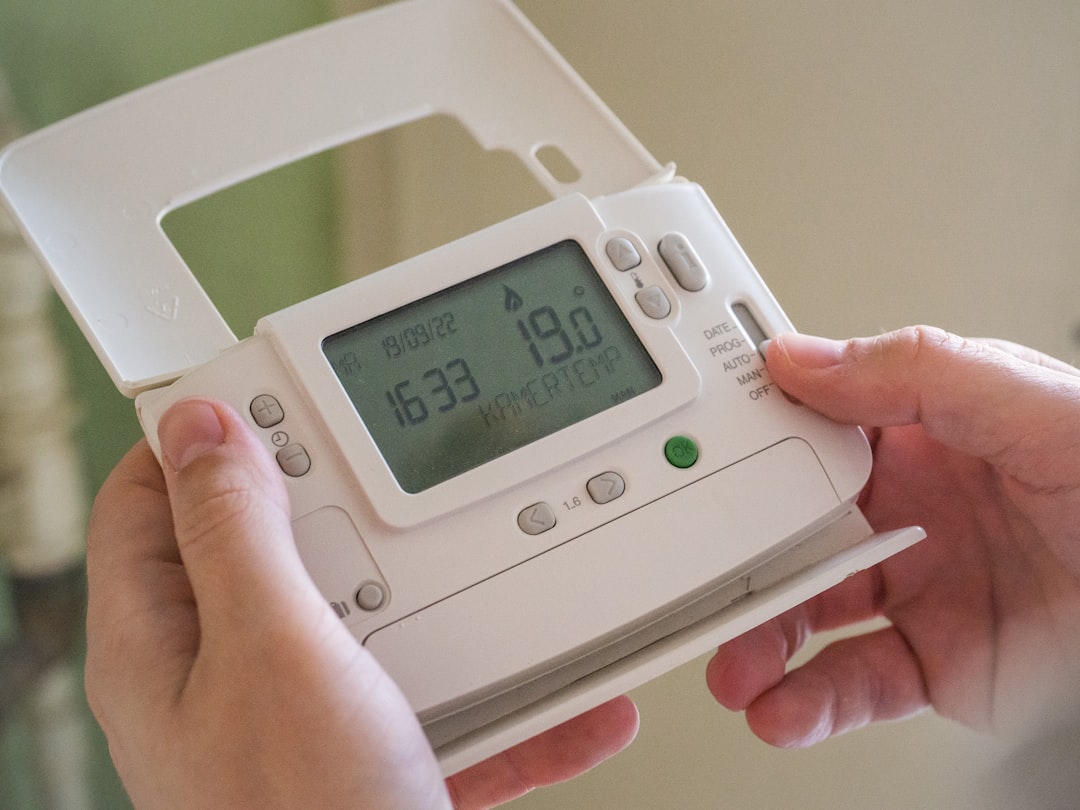
There is also a resilience angle. Efficient cooling often means systems that can adapt to load, weather, and occupancy rather than running flat-out all the time. This is why homes that borrow data-center thinking often pair better controls with smart-home technology for renters and first-time buyers and internet-connected thermostats. You are not just buying a thermostat; you are buying the ability to manage thermal demand like a miniature building operator.
Precision cooling: what it means and how homes can use the idea
Precision air conditioning is about targeting, not overcooling
In data centers, precision air conditioning means conditioning air with unusually tight control over temperature, humidity, airflow, and filtration. Instead of cooling a large volume of air and hoping the hot spots disappear, precision systems place cooling capacity where it can do the most good. That matters because server racks create local hot zones, much like an upstairs bedroom, south-facing office, or finished attic in a home. The residential equivalent is not necessarily a “data center AC unit,” but a combination of variable-speed HVAC, room-by-room control, and duct balancing.
Homeowners often discover that comfort complaints are really distribution problems. A system can be technically powerful and still underperform if ducts leak, returns are undersized, or airflow is poorly balanced. Precision thinking means asking how heat and coolth move through the home, not just how large the furnace or AC is. If you are shopping for upgrades, it helps to understand what actually saves space and energy in a home system context, because oversizing rarely improves efficiency.
Variable-speed equipment is the residential version of precision control
One of the biggest home takeaways from data-center cooling is the value of modulation. Variable-speed compressors, blowers, and pumps can ramp output up or down in response to real conditions instead of running at full capacity and cycling off. That matters because short cycling wastes energy, causes temperature swings, and can reduce dehumidification in summer. In winter, constant small adjustments often feel more comfortable than big blasts of heat followed by long dead periods.
For many homes, this is one of the best routes to home energy efficiency without a whole-house rebuild. It also pairs well with insulation and air sealing, because a tighter envelope lets precision systems do more with less. If you are exploring broader upgrade pathways, the planning mindset used in standardized roadmaps and practical productivity tools for home offices is surprisingly useful: choose the right tools, sequence them properly, and measure what changes.
Table: How data center cooling concepts translate to homes
| Data center concept | What it does | Home adaptation | Typical benefit |
|---|---|---|---|
| Precision air conditioning | Controls temperature, humidity, and airflow tightly | Variable-speed HVAC with zoning and smart thermostats | More even comfort, fewer hot/cold spots |
| Hot aisle/cold aisle containment | Separates hot exhaust from cool intake air | Use doors, dampers, and zoning to limit mixing | Less wasted conditioned air |
| Liquid cooling | Moves heat more efficiently than air in dense loads | Hydronic radiant floors, fan coils, heat pump water loops | Efficient heat transfer and comfort |
| Waste-heat recovery | Reuses server heat for other building loads | Heat recovery ventilators, drain-water heat recovery, heat pump water heaters | Lower heating bills and better efficiency |
| Monitoring and controls | Tracks temps, flow, and load in real time | Smart thermostats, room sensors, energy monitoring | Better decisions and reduced waste |
Liquid cooling: the data center breakthrough that most homeowners can understand
Why liquid moves heat better than air
Air is convenient, but it is not especially good at carrying heat away. Liquids have a much higher heat capacity, which is why liquid cooling can be dramatically more effective in high-density computing. In data centers, liquid cooling is expanding because it can remove intense heat loads from GPUs and servers without requiring massive fans and airflow infrastructure. That same physics is relevant in homes, where water is already one of the most effective heat-transfer mediums in furnaces, boilers, and hydronic systems.
For homeowners, the practical lesson is not to pipe coolant into every room server-style. Instead, it is to appreciate systems that move heat through water or other fluids efficiently, such as heat pump water heaters, hydronic radiant floors, and modern boilers. These systems can feel more comfortable because they distribute heat evenly and often at lower temperatures. If you are comparing heating options, a good starting point is understanding local installer quality and service availability, the same way buyers evaluate local home repair help before committing to a project.
Hydronic radiant heating is a home-friendly form of liquid thinking
Radiant heating does not force hot air around the house; it warms surfaces and people directly through floors, panels, or tubing embedded in slabs. That can improve comfort at lower setpoints, which helps you reduce heating bills without feeling colder. Many homeowners are surprised that they can lower the thermostat by a degree or two and still feel comfortable because radiant heat reduces draftiness and stratification. In a sense, it is the residential analog of liquid cooling’s efficiency: use a dense medium and direct transfer instead of brute-force airflow.
This is especially useful in homes with open layouts, basements, or rooms that never seem to warm up evenly. It also pairs well with weatherization, because fewer losses mean the system can operate in its most efficient range. If you are in the research phase, combine performance considerations with practical shopping habits; guidance on finding the best online deal can help you compare equipment, warranties, and rebates without getting distracted by flashy marketing.
Heat pump water heaters are a low-risk bridge into liquid-based efficiency
One of the most accessible home technologies inspired by this thermal mindset is the heat pump water heater. It moves heat instead of generating it directly, making it far more efficient than resistance electric water heating in many cases. Because hot water is one of the biggest hidden energy loads in a house, this upgrade can materially lower annual consumption and support broader electrification goals. The same engineering principle—moving heat efficiently rather than creating it from scratch—also underpins many commercial liquid cooling solutions.
For households planning a future heat-pump transition, this is one of the best places to start. You learn how your home reacts to lower-temperature systems, better controls, and smarter scheduling without replacing every comfort appliance at once. If your household is trying to manage upgrades alongside other budget pressures, resources like slowing home price growth and tax strategies for high medical expenses show how bigger financial decisions often depend on timing, incentives, and total cost of ownership rather than sticker price alone.
Waste-heat recovery: the most underrated bill-shrinking idea
Data centers are finally starting to reuse what they once threw away
Traditionally, data centers dumped enormous amounts of heat into the atmosphere. That was wasteful, but understandable when the priority was only equipment safety. Now, operators are increasingly looking for ways to capture that heat and use it elsewhere, whether for neighboring buildings, district heating, or other thermal loads. This is one of the most important innovations because it reframes cooling as an opportunity, not just a cost.
The home lesson is obvious: if you are already paying to move heat, can you use it twice? In residential settings, heat recovery ventilators, energy recovery ventilators, drain-water heat recovery, and heat pump water heaters all capture useful energy that would otherwise be lost. You can also think about the operating model the way retailers think about inventory and logistics in AI and automation in warehousing: reduce waste at each handoff, and the system becomes dramatically cheaper to run.
Heat recovery ventilators improve fresh air without discarding comfort
Ventilation is where many homes lose energy. In winter, bringing in outdoor air can dump expensive heat; in summer, it can add humidity and cooling load. A heat recovery ventilator, or HRV, transfers warmth from outgoing stale air to incoming fresh air, which helps preserve comfort while maintaining indoor air quality. That makes it especially valuable for tighter homes that have been air sealed to reduce energy loss but still need healthy ventilation.
For homeowners focused on both health and efficiency, this is a big deal. You do not have to choose between fresh air and low bills if the system is designed correctly. It is the same philosophy that drives smarter operational systems in other fields, such as using data analytics to improve fire alarm performance or leadership lessons from industry operations: measure, recover, and optimize rather than simply exhausting resources.
Waste-heat recovery can support water heating and space heating
Some homes can also benefit from using captured heat for domestic hot water or even preheating incoming air. While the exact payoff depends on climate, system design, and household occupancy, the general logic is sound: heat already in the building should be reused when possible. This is why high-efficiency homes often combine better envelope performance with mechanical ventilation and smarter heat pump integration. The best systems are not just efficient in one component; they are efficient as a whole.
Pro tip: The cheapest heating energy is the heat you do not lose. Before chasing a larger furnace or a more powerful AC, look for air leaks, attic insulation gaps, duct losses, and poor ventilation control. In many homes, those are the real reasons bills stay high.
What homeowners can actually do now
Start with the building envelope before upgrading equipment
Data centers succeed because they manage airflow and heat loads with discipline. Homes should do the same. Before you replace a furnace or air conditioner, check insulation, sealing, duct leakage, attic bypasses, and window performance. If the building shell is weak, the most advanced system in the world will still spend too much energy fighting losses. That is why efficiency projects often begin with a home energy audit and targeted weatherization.
This is also where practical contractor selection matters. A reliable local pro can identify the biggest returns first and avoid upselling you into a system that is too large or too complex. For homeowners comparing help options, it is worth reading local services for affordable home repair help and thinking about how you vet any major purchase. The goal is not simply to buy equipment; it is to buy the right solution for your climate, home size, and occupancy patterns.
Use zoning, sensors, and schedules to reduce waste
In data centers, sensors and controls continuously adjust cooling based on load. Your home can do something similar with room sensors, zoning dampers, and smart schedules. Bedrooms can be set back when empty, home offices can get targeted conditioning during the workday, and sunny rooms can be managed differently from shaded ones. This is where modern thermostats become more than convenience gadgets; they are control centers for energy strategy.
Many households already use connected devices for other parts of daily life, from smart home security to mesh Wi‑Fi systems. Energy management should be treated the same way. If your heating and cooling run on better information, you are less likely to heat an empty house or cool rooms no one is using.
Look for HVAC innovations that improve part-load efficiency
The biggest day-to-day efficiency gains often come from equipment that performs well when it is not running at maximum output. Variable-speed heat pumps, inverter-driven mini-splits, ECM blower motors, and modern controls are all examples of HVAC innovations that mirror the precision approach used in advanced cooling facilities. These systems avoid the waste associated with frequent cycling and allow the equipment to match load more closely. In practice, that usually means smoother temperatures, quieter operation, and lower energy use.
When comparing options, do not focus only on top-end capacity. Ask how the system performs at low and moderate loads, what the installer recommends for airflow balancing, and whether the equipment can integrate with your current ductwork or hydronic loop. In the same way that Modine’s thermal solutions portfolio spans multiple use cases, residential HVAC should be selected for your exact use case rather than by one-size-fits-all assumptions.
How to evaluate a home upgrade using data-center thinking
Ask three questions: what is the load, where is the loss, and how is the heat moved?
Data center engineers always start with load, loss, and transfer path. Homeowners can do the same. Load is your heating and cooling demand, shaped by climate, insulation, occupancy, and solar gain. Loss is the energy escaping through the shell, ducts, ventilation, and infiltration. Transfer is how your system actually moves heat, whether through air, water, or a hybrid approach. If you can answer those three questions, you will make better decisions than most shoppers.
This framework is more valuable than obsessing over brand names. It tells you whether the right move is more insulation, better zoning, a heat pump water heater, radiant floor retrofit, or duct repair. It also helps you avoid spending on equipment that solves the wrong problem. That is exactly how mature operators think about systems in other complex markets, including cloud infrastructure ROI and distributed thermal logistics.
Use the total-cost lens, not just the purchase price
Homes that embrace thermal management well tend to pay off through lower utility bills, fewer service calls, and better comfort. That means the most efficient option is not always the cheapest upfront. A modestly pricier heat pump, better controls package, or insulation upgrade can win over time if it significantly cuts energy use and extends equipment life. The smartest buyers look at payback period, rebates, maintenance, and expected longevity together.
That same total-cost approach shows up everywhere from EV market decisions to mobile plan switching. In home comfort, the arithmetic is often even clearer because heating and cooling bills recur every month. An upgrade that lowers those bills for 10 to 15 years can be more valuable than a cheap fix that merely delays the problem.
Common mistakes when copying high-tech cooling ideas into homes
Don’t overbuild the system
One of the most common mistakes is assuming that more capacity equals better performance. In reality, oversizing often reduces efficiency, shortens cycles, and makes comfort worse. Data centers use precise capacity because they need to match predictable loads as closely as possible, and homes should borrow that discipline. A correctly sized system is usually quieter, cheaper to run, and more durable than a “just in case” monster unit.
Don’t ignore humidity and ventilation
Cooling is not just about temperature. In many climates, humidity control matters as much as sensible heat removal, and poor ventilation can make an efficient home feel stuffy. Precision systems work because they consider multiple variables at once, including airflow and moisture. If you add air sealing or tighter windows, plan for balanced ventilation so indoor air quality remains healthy.
Don’t skip maintenance and monitoring
High-performance systems only stay efficient if filters, coils, pumps, and controls are maintained. In data centers, that is routine. In homes, maintenance is often delayed until something breaks, which raises costs and reduces performance. Small actions like cleaning coils, replacing filters, sealing ducts, and checking refrigerant charge can have outsized payoffs, especially in homes already using advanced HVAC equipment.
Bottom line: the smartest heating savings may come from the server room
The most exciting thing about data center cooling breakthroughs is not that homes will turn into miniature server farms. It is that the best ideas from advanced thermal management are finally becoming usable in everyday houses. Precision air conditioning teaches us to deliver comfort where it is needed, liquid cooling reminds us that water-based systems can move heat efficiently, and waste-heat recovery proves that discarded energy can be captured and reused. Together, these ideas point toward a future where comfort is more local, more intelligent, and less expensive.
If you want to start small, begin with the highest-impact steps: seal air leaks, balance airflow, improve insulation, and use smart controls more intentionally. Then explore upgrades like variable-speed equipment, heat pump water heaters, HRVs, or hydronic systems that align with how heat actually behaves. For broader planning and trusted decision-making, it helps to think like a building operator and shop like a disciplined buyer—whether you are reading about how to spot the best online deal, comparing local repair help, or evaluating more advanced thermal solutions. The result is the same: lower bills, steadier comfort, and a home that wastes less energy every month.
FAQs
Is data center cooling technology really practical for a normal home?
Yes, but mostly as a set of principles rather than a direct one-to-one product swap. Homes can benefit from precision control, variable-speed equipment, zoning, liquid-based heat transfer, and heat recovery. The goal is to manage heat more intelligently, not install server-room hardware in your basement.
What is the easiest way to reduce heating bills using these ideas?
The fastest wins usually come from air sealing, insulation, duct sealing, and smarter thermostat scheduling. Once those are addressed, variable-speed HVAC and heat pump water heaters can deliver additional savings. In many homes, the most expensive energy is the energy that leaks out before it ever becomes comfort.
Does liquid cooling have a real home equivalent?
Yes. Hydronic radiant floors, boilers, fan coils, and heat pump water heaters all use liquid or water-based heat transfer. They are not “data center liquid cooling,” but they do borrow the same physics of efficient heat movement.
What is waste-heat recovery in a home?
It means capturing heat that would otherwise be exhausted and reusing it somewhere else. Examples include HRVs, ERVs, drain-water heat recovery, and heat pump water heaters. These systems help lower energy waste while improving comfort and ventilation.
Should I replace my furnace with a heat pump right away?
Not always. The right move depends on climate, insulation, duct condition, electricity rates, and your current equipment. A better first step is usually a home energy audit so you can identify whether weatherization, controls, or HVAC replacement will produce the best return.
How do I know if my HVAC is oversized?
Common signs include short cycling, uneven temperatures, high humidity in summer, and frequent comfort complaints despite a powerful system. A properly performed load calculation is the best way to confirm sizing rather than guessing based on square footage alone.
Related Reading
- Navigating Data Center Regulations Amid Industry Growth - See how infrastructure rules are shaping the systems behind efficient cooling.
- How Middle East Geopolitics Is Rewriting Cloud ROI for Data Centers - A useful lens on how energy economics reshape thermal strategy.
- Designing Resilient Cold Chains with Edge Computing and Micro-Fulfillment - Learn how precision temperature control works in another high-stakes environment.
- Leveraging Data Analytics to Enhance Fire Alarm Performance - A strong example of using monitoring to improve building safety and efficiency.
- Best smart-home security deals for renters and first-time buyers - Smart devices that can also support better energy management in your home.