When homeowners shop for an air cooler, they usually compare price, tank size, fan speed, and maybe whether the unit has a remote. But the best-performing consumer air coolers are often the result of commercial cooling innovation first proven in warehouses, retail spaces, data-heavy facilities, and other demanding environments. That matters because commercial buyers force manufacturers to solve the hardest problems first: move more air, waste less electricity, survive longer, and respond smarter to changing conditions. If you understand how those features trickle down, you can spot the models that deliver real-world comfort instead of marketing fluff.
Taiwan’s cooling sector is a strong example of this pattern. The market has grown alongside expanding commercial infrastructure and rising demand for energy-efficient appliances, with one recent market summary pointing to a 2024 value of roughly USD 1.2 billion for the United States–Taiwan air cooler market segment. That scale reflects not just consumer interest, but the engineering pressure created by offices, hospitality, logistics, and light industrial use. For homeowners, the takeaway is simple: the same design priorities that help a unit survive heavy-duty commercial use can also make it quieter, more durable, and more cost-effective in a house. If you want the broader home-comfort context behind these purchasing decisions, see our guides on real estate trends in 2026 and when budget tech beats premium gear.
This guide breaks down how Taiwan’s air-cooling R&D moves from commercial systems to consumer-grade products, which features actually improve daily comfort, and how to evaluate a unit like a practical buyer rather than a marketing target. Along the way, we’ll connect product design to durability, smart controls, heat exchange tech, and long-term operating cost. If you’re planning broader home cooling upgrades, this is the kind of buying framework that helps you avoid regret.
Why commercial demand shapes the best home cooling products
Commercial buyers force real engineering trade-offs
Commercial cooling systems must keep larger spaces comfortable under harsher conditions and longer run times than most home units. That means manufacturers have to improve heat rejection, airflow control, and component endurance long before those features become consumer selling points. In practice, a feature like variable-speed operation often gets refined in commercial deployments because it helps stabilize temperatures across fluctuating loads, then later appears in consumer products as smarter energy control. That’s one reason commercial cooling innovation tends to produce better home products two or three product generations later.
There’s also a financial reason this pipeline matters. In commercial settings, every percentage point of efficiency can materially affect operating budgets, so companies invest heavily in compressors, fans, pumps, fins, and control systems that extract more cooling from each watt. Consumer air coolers then inherit those improvements in a simplified form. For a broader lens on how infrastructure spending changes household product quality, you may also find where infrastructure, not just ideas, drives adoption and how hardware innovation filters downstream useful parallels.
Taiwan’s manufacturing ecosystem accelerates iteration
Taiwan’s cooling industry benefits from dense supply chains, strong component specialization, and close feedback loops between OEMs, parts makers, and final assembly. That ecosystem speeds up iteration on motors, control boards, plastics, sensors, and heat exchange components. When a commercial customer asks for a longer service life or better performance in humid environments, the solution can often be prototyped and refined quickly because the supply network is so tightly integrated. For homeowners, that usually translates into consumer products that reach the market with better fit and finish than older-generation budget units.
Another advantage is manufacturing consistency. A product built for commercial use must remain reliable across a wide range of conditions, so design tolerances are often tighter than in low-cost, disposable appliance categories. When that engineering discipline moves into consumer air coolers, it can show up as lower vibration, fewer leaks, better control response, and less degradation over time. If you like understanding how supply chains shape what ends up in your cart, compare that with lessons from cross-border e-commerce logistics and how to vet an equipment dealer before you buy.
The homeowner benefit is hidden in the details
The best part about commercial-to-consumer technology transfer is that homeowners don’t need to pay commercial prices to benefit from commercial design thinking. You may never need industrial-grade airflow, but you can absolutely benefit from a more robust motor, improved thermal management, or a smarter auto mode that changes output based on room conditions. These details won’t always be obvious on a spec sheet, which is why many buyers overpay for flashy features while missing the ones that matter most. The goal is not to buy the biggest unit, but the best-matched unit.
Pro tip: If a consumer cooler claims unusually strong performance, look for the underlying commercial-style feature that makes it possible: better airflow path, higher-quality fan motor, more efficient heat exchange, or more precise control logic. The marketing label matters less than the engineering story.
Heat exchange tech: the quiet engine behind better cooling
How heat exchange impacts comfort and efficiency
At the heart of many air-cooling systems is heat exchange: moving heat away from indoor air and releasing it somewhere else. In consumer air coolers, the actual mechanism may vary, but the principle is the same—temperature management depends on how effectively the system transfers heat without wasting energy. Better heat exchange means the unit can cool more consistently, maintain comfort with fewer power spikes, and reduce the time it spends running at maximum output. That combination usually translates to lower operating cost and less noise.
Commercial R&D has pushed this area hard because inefficient heat exchange becomes expensive fast at scale. Improvements in coil geometry, fin spacing, material selection, and airflow management often emerge first in larger systems, then are miniaturized for home use. That is why a consumer model with a well-designed heat exchange path can outperform a louder, cheaper competitor even if both advertise similar wattage. For buyers comparing technical appliance features, it’s a bit like choosing a better smartphone chipset or smarter wearable integration; the best value often lives inside the hardware, not in the box art. See also how spec literacy changes buying outcomes and how connected devices become more useful over time.
What to look for in product specifications
Homeowners should scan for clues that the manufacturer invested in real thermal engineering rather than cosmetic features. Look for airflow ratings, coverage area, power draw, and any mention of optimized air channel design or enhanced heat dissipation. If a model includes a multi-stage cooling path, a larger surface area for heat transfer, or a more efficient internal fan design, that often signals better long-run performance. When those details are missing, the unit may still work fine, but you’re buying more on brand promise than on engineering evidence.
Another useful cue is how a product manages humidity. In many homes, especially during humid summers, poor moisture handling can make a room feel sticky even if the temperature drops a bit. A better-designed cooling appliance keeps comfort in focus, not just raw temperature. For practical maintenance and appliance planning, think of this like tracking costs in a renovation: the visible feature matters, but the system underneath determines whether the purchase pays off. That’s the same logic behind project tracking for home renovations.
Efficiency is more than a label
Consumers often assume that “energy-efficient” means “uses less power,” but the more important question is how much cooling you get for that power. A truly efficient unit should deliver usable comfort at lower runtime, not merely advertise a low peak watt number. Commercially influenced designs often manage this by reducing losses across the airflow path, improving control precision, and avoiding unnecessary full-power cycling. That means the unit is not just efficient in lab conditions; it is efficient in the messy reality of a living room with sun exposure, appliances, people, and fluctuating temperatures.
When you’re shopping, compare wattage with delivered performance, controls, and noise. A slightly higher upfront price can be justified if the product is engineered for better part-load efficiency and a longer lifespan. This is where commercial cooling innovation often gives consumers their best return: lower monthly operating cost and fewer replacements. For additional purchasing mindset lessons, see — and similar guides like how to spot real savings before a deadline.
Smart controls: where commercial automation becomes everyday convenience
Why smart controls started in large deployments
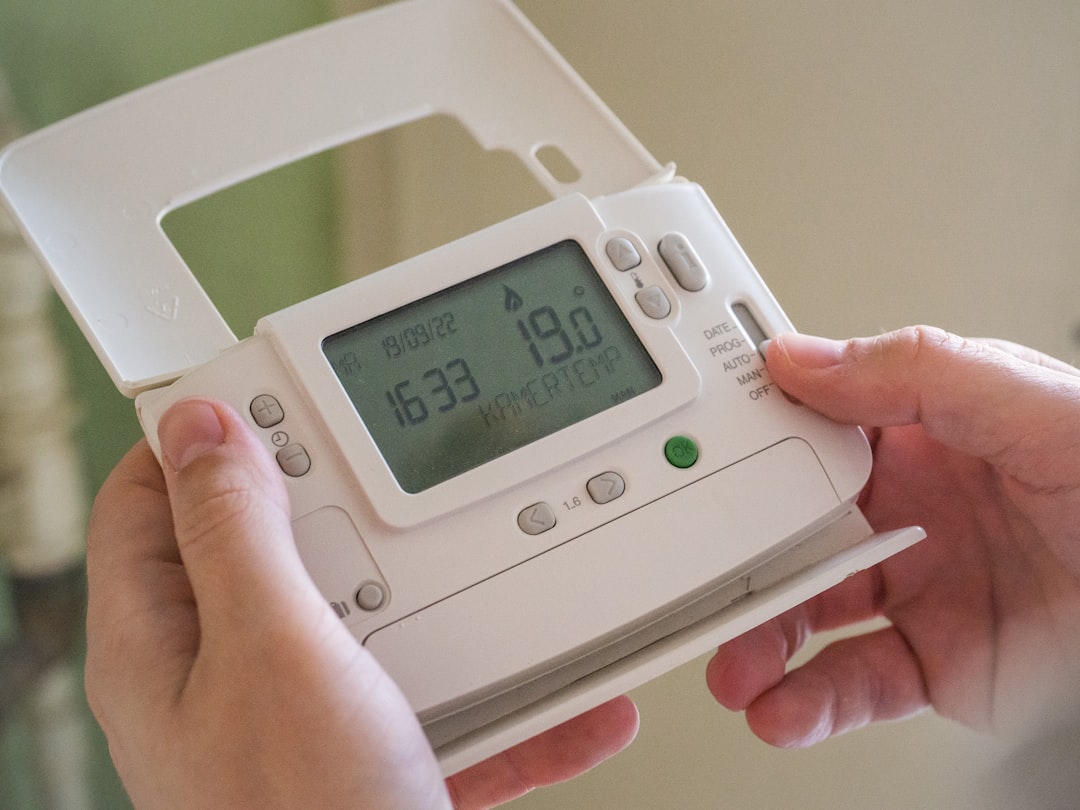
Smart controls were originally valuable in commercial spaces because managers needed remote monitoring, scheduling, fault alerts, and adaptive performance without physically checking every unit. In a large building, a good control system can save significant energy by reducing unnecessary runtime and tuning output based on occupancy or time of day. Once that logic was proven commercially, manufacturers began packaging similar capabilities into consumer products at more affordable price points. Today, homeowners can benefit from app control, timers, auto modes, and sensor-driven adjustments that used to be reserved for much larger systems.
The key advantage is not novelty; it’s responsiveness. A smartly controlled cooler can react faster to changes in room temperature, sunlight, or humidity, which reduces waste and keeps the room more stable. That matters more than flashy app branding because the main home benefit is comfort without overcooling. Think of smart controls as a practical extension of efficiency, not a gadget add-on. For related examples of tech becoming easier to use at home, see smart home integration and automation that improves efficiency.
Which smart features are worth paying for
Not every connected feature is equally useful. The most valuable options for homeowners are usually timer scheduling, auto temperature adjustment, eco mode, sleep mode, filter reminders, and remote access that works reliably. These features reduce manual tinkering and help the unit stay in its most efficient operating range. If a model offers voice assistant support but lacks stable core controls, it may look modern while delivering weaker everyday value.
A good rule is to prioritize controls that affect runtime, temperature stability, and maintenance. For example, a sleep mode that gradually reduces output overnight can save energy and improve comfort more than a flashy dashboard you never open. Likewise, maintenance reminders matter because clogged filters and neglected parts quietly ruin efficiency. If you care about smarter purchasing in general, you can borrow tactics from smart buying strategies for connected devices.
Connectivity should support, not complicate
The best consumer air coolers use smart controls to reduce friction, not add it. If the app is clunky, if pairing is unreliable, or if the device loses useful functionality when Wi-Fi drops, the feature may not be worth the premium. Commercial systems often use controls that can fail gracefully—local override, manual settings, and clear status indicators—because buildings cannot afford confusion during peak demand. Homeowners should demand the same logic in consumer products.
As a buyer, ask whether the cooler remains fully usable without the app. If the answer is no, think carefully before paying more. Products should be more convenient with smart controls, not dependent on them. For a broader lesson on navigating tool ecosystems with caution, read how to shop online without falling for hidden risks and why trust and privacy still matter in connected devices.
Durability: the commercial feature homeowners feel for years
Why durability is often the best long-term value
Durability is where commercial design pays the biggest dividend at home. A unit that can survive longer operating hours, more frequent cycling, and tougher environmental conditions is usually better suited to a household that runs cooling every summer for years on end. Commercial-grade thinking tends to improve motor life, housing strength, fastening quality, corrosion resistance, and component stability. Those improvements may not be glamorous, but they save money by reducing breakdowns and extending replacement cycles.
In consumer markets, durability often shows up indirectly through product feel. Heavier housings, better grille alignment, sturdier wheels, more secure tank assemblies, and less panel vibration all suggest a maker invested in longevity. A flimsy appliance may work fine on day one and become annoying by the next season. A durable one becomes a dependable fixture. That same long-term perspective is why consumers should think beyond sticker price and consider replacement frequency, serviceability, and build quality.
How to assess build quality before buying
Read beyond star ratings and look for signs of robust construction in the product description and photos. Thick plastics, protected control panels, accessible filters, and clearly labeled maintenance points often point to a design intended for repeat use. If the unit has replaceable parts and a straightforward maintenance path, that is usually a better sign than a sealed, disposable design. A well-built product should feel as though it was made to be cleaned, serviced, and used repeatedly—not just unboxed and forgotten.
Comparing brands can help, but model-level details matter more than logo reputation. Two products from the same manufacturer can differ dramatically in motor quality, filtration, and longevity. This is why consumer air coolers should be evaluated like any other durable appliance: by the cost of ownership, not just the base price. For broader buying discipline, see how to vet a dealer before you buy and how logistics can affect product experience.
Serviceability protects your investment
The most durable product is still vulnerable if you can’t maintain it. Filters must be cleaned, reservoirs need inspection, and moving parts can wear out over time. Products with easy-open access points, available replacement parts, and clear owner manuals usually age much better than cheap sealed designs. A commercial mindset values uptime, and homeowners should think the same way: every minute you spend on low-friction maintenance extends the product’s useful life.
If you’re comparing options for a long-term household setup, serviceability should be treated as a buying feature, not an afterthought. This is especially important for families using cooling equipment daily during hot months. Durable systems are not only more reliable; they’re often more energy-efficient in year three than cheap units are in year one because they maintain their performance curve better. For a similar “replace less, save more” mindset, you might appreciate why smarter budget hardware often wins.
Comparison table: which features actually matter to homeowners?
Use the table below to separate marketing language from meaningful product features. The best consumer air coolers usually combine several of these elements rather than excelling in only one.
| Feature | Why it matters | Commercial origin | Homeowner benefit | What to verify |
|---|---|---|---|---|
| Variable-speed fan/motor | Matches output to changing room needs | Common in large facilities for load control | Lower noise and better efficiency | Multiple real speed settings, not just presets |
| Optimized heat exchange path | Improves cooling performance per watt | Refined for commercial energy savings | More comfort with less runtime | Specs mentioning coil/airflow optimization |
| Smart scheduling | Reduces unnecessary operation | Used in multi-unit facility management | Lower bills and easier routines | Reliable timers and eco modes |
| Sensor-driven auto mode | Adjusts output to room conditions | Commercial load-balancing logic | Stable comfort without manual changes | Temperature/humidity sensing details |
| Durable housing and components | Extends service life | Built for heavy-duty use | Fewer repairs and replacements | Materials, weight, parts availability |
| Easy maintenance access | Keeps efficiency high over time | Maintenance planning standard in commercial equipment | Less hassle and better long-term performance | Filter access, cleaning instructions, spare parts |
How homeowners should evaluate consumer air coolers like a pro
Start with room size, climate, and use pattern
The best product is the one matched to your room and your habits. A cooler that’s excellent in a small den may be underwhelming in a sun-facing living room, while an oversized unit may waste energy in a bedroom. Start by asking where the unit will run, how often, and during what part of the day. Homes with high afternoon solar gain, open floor plans, or high humidity will need different feature priorities than compact, shaded spaces.
Once you know the environment, evaluate whether you need portability, fixed placement, or multi-room flexibility. Commercial-derived products often excel when the load changes, but homeowners still need to decide if portability or consistency matters more. For example, a renter may value a light, movable model with smart scheduling, while a homeowner might prioritize a sturdier system that can stay in place and run hard for many summers. If you’re weighing other household upgrade decisions, our piece on market-ready home features may help clarify priorities.
Judge the whole ownership cost, not just the purchase price
Consumer air coolers should be evaluated on total cost of ownership: upfront cost, energy use, maintenance, repairs, and lifespan. A cheaper unit that needs frequent replacement is often more expensive over three to five years than a better-built model with stronger efficiency and durability. Commercial influence shows up here because better engineering usually reduces hidden costs. That means less noise from worn parts, fewer interruptions, and more stable operating performance.
Buyers should also consider how easily the unit can be cleaned and maintained. Clogged filters and neglected reservoirs can erode performance quickly, which turns even a good appliance into an energy waster. The products that age best are the ones designed for routine maintenance to be quick and obvious. In buying terms, maintenance convenience is part of energy efficiency, not separate from it.
Look for evidence, not just claims
Good product pages usually include enough detail to assess build quality and functionality. Look for specific specifications, not vague superlatives. Phrases like “advanced cooling,” “high-performance comfort,” or “next-gen design” mean little unless they’re backed by real data such as airflow, capacity, power draw, or control logic. The strongest consumer products usually reveal a clear engineering story.
If you’re unsure, compare the model against a few alternatives using the same checklist: airflow, energy use, noise, smart controls, durability, and serviceability. That side-by-side view often exposes whether a premium is justified. The same approach works in many categories, from electronics to travel and even supply chain-driven products. A careful comparison can keep you from paying for a brand narrative instead of a better appliance.
Pro tip: If a unit is marketed as “commercial-inspired,” ask what that actually means. Real commercial influence should show up in measurable ways: longer warranty, better controls, stronger motor design, easier maintenance, or higher-duty components. If you can’t find at least one of those, the phrase may be mostly marketing.
What Taiwan’s air-cooling R&D means for the future of home comfort
More efficiency, more intelligence, more resilience
The next wave of consumer cooling products will likely keep borrowing from commercial systems in three ways: better efficiency at part load, smarter control over changing conditions, and stronger resilience over time. These are not separate trends; they reinforce each other. A unit that controls itself intelligently can run less often, which reduces wear and saves energy. A unit with strong thermal engineering can keep the room comfortable without loud, inefficient bursts. A durable unit keeps both benefits working for longer.
For homeowners, this means the best purchases will increasingly be the ones that disappear into daily life. They will just work, keep bills down, and require minimal attention. That may not sound exciting, but in home comfort, reliability is the luxury feature. It’s also the reason commercial-to-consumer technology transfer is so valuable: it makes the best products quieter, smarter, and easier to live with.
Expect more feature transparency from better brands
As consumers become more informed, brands will need to explain performance in clearer terms. Expect more detail around airflow management, control logic, service intervals, and component quality. The strongest brands will make their engineering legible to non-experts because that builds trust and reduces return risk. When that happens, shopping becomes easier for everyone: homeowners can focus on meaningful comparisons, and manufacturers are rewarded for better design rather than louder claims.
That is why learning to read a spec sheet is such a powerful home upgrade skill. It helps you choose products that fit your space, climate, and budget without relying on guesswork. In a market shaped by commercial cooling innovation, the winner is usually the buyer who can tell a meaningful feature from a decorative one. If you’re shopping more broadly for efficient household tech, our guide to finding value in electronics is a useful companion.
Buying checklist: the features to watch before you choose
Use this final checklist when comparing consumer air coolers inspired by commercial design.
- Heat exchange tech: Does the product explain how it moves or transfers heat efficiently?
- Smart controls: Are timer, eco, sleep, and auto modes reliable and actually useful?
- Energy performance: Do the specs show meaningful efficiency, not just a low price?
- Durability: Are the materials, housing, and component design built for repeated use?
- Serviceability: Can you clean it, maintain it, and replace parts without hassle?
- Fit for the room: Is the capacity appropriate for your actual space and climate?
For readers who want to keep building smarter buying habits, it can help to compare cooling decisions with other high-impact household upgrades. See also how total cost modeling changes purchasing and how careful planning prevents avoidable overspending.
FAQ
What makes a consumer air cooler “commercial-inspired”?
It usually means the product borrows design ideas first proven in commercial environments, such as better airflow management, smarter control systems, more durable components, or improved heat exchange. The label should be backed by measurable details, not just branding language.
Are smart controls really worth paying extra for?
Yes, if they improve convenience and efficiency. The most useful smart controls are timers, auto modes, sleep modes, and maintenance reminders. If the app is unreliable or the device loses key functions without Wi-Fi, the value drops quickly.
How can I tell if a unit is energy-efficient?
Look for more than a buzzword. Compare power draw with airflow or cooling coverage, and check whether the unit has control features that reduce unnecessary runtime. Efficiency is best measured as comfort delivered per watt, not just raw wattage alone.
Why does durability matter so much for home cooling?
Durability lowers the total cost of ownership. A sturdier unit usually needs fewer repairs, maintains performance better over time, and avoids the frustration of replacing a cheap appliance every few seasons.
What’s the most important feature to watch when buying?
It depends on your room and use pattern, but for most homeowners the top priorities are efficient heat exchange, dependable smart controls, and durable construction. If a model does those three well, it’s usually a strong buy.
Related Reading
- How to Vet an Equipment Dealer Before You Buy - A practical framework for spotting hidden risk before you spend.
- Exploring the Future of Wearables and Smart Homes - See how connected devices become more useful when they work together.
- How to Build a DIY Project Tracker Dashboard for Home Renovations - Organize upgrade decisions and keep long-term costs in view.
- When a Budget System Beats a Premium One - Learn how to spot value hidden behind specs and pricing tiers.
- How to Navigate Phishing Scams When Shopping Online - Protect yourself while comparing and purchasing appliances online.