When homeowners complain about high energy bills, the conversation usually turns to thermostat settings or the age of the furnace. Those are real drivers — but they’re only the visible tip of a much larger iceberg. This guide unpacks the lesser-known, recurring and one-off expenses from heating systems that quietly add hundreds (sometimes thousands) to annual homeownership costs. You’ll get data-backed explanations, a practical audit checklist, and proven cost-saving measures you can implement this weekend.
To track your spending and build a plan, use proven budgeting methods like the spreadsheet budgeting strategies many homeowners use to model seasonal bills and planned repairs.
1. Direct vs. Hidden HVAC Costs: What’s the Difference?
Direct, obvious costs
Direct HVAC costs are the ones that show up on your utility and service invoices: monthly gas or electricity charges, scheduled maintenance contracts, and the visible purchase price of a new system. These are predictable and relatively simple to compare across quotes. Still, focusing only on these figures misses many systemic expenses that compound over time.
Hidden, compounding costs
Hidden costs are often operational inefficiencies or deferred maintenance that produce ongoing, avoidable spending. Examples include duct leakage wasting heated air, controls that short-cycle equipment, poor installation that reduces system efficiency, and even the thermal performance of your roof or walls. These costs are stealthy because they rarely produce a single dramatic bill; they quietly inflate monthly energy costs and shorten equipment life.
Why homeowners underestimate them
People underweight hidden costs for three practical reasons: they’re invisible without measurement, they’re split across multiple line items (energy, repairs, comfort modifications), and homeowners assume a one-time fix (like buying a new thermostat) resolves ongoing performance problems. This guide shows how to quantify those unseen costs and prioritize fixes with the best return on investment.
2. Common Hidden Cost Categories
Duct leakage and distribution losses
In many houses, up to 20–30% of conditioned air is lost through leaky ducts in basements, attics, or wall cavities. That loss forces longer run times and increases fuel consumption. A focused duct-sealing project typically pays back in 1–3 years; if you suspect leaks, ask for a duct-blaster test when you hire a contractor.
Short-cycling and oversized equipment
Systems that turn on and off frequently (short-cycle) waste energy and wear out components. Oversized furnaces or heat pumps produce rapid, uneven heating and then shut off; they didn’t save money on the purchase and cost more in the long run. Proper load calculations (Manual J) at installation reduce this risk.
Poor controls and sensor placement
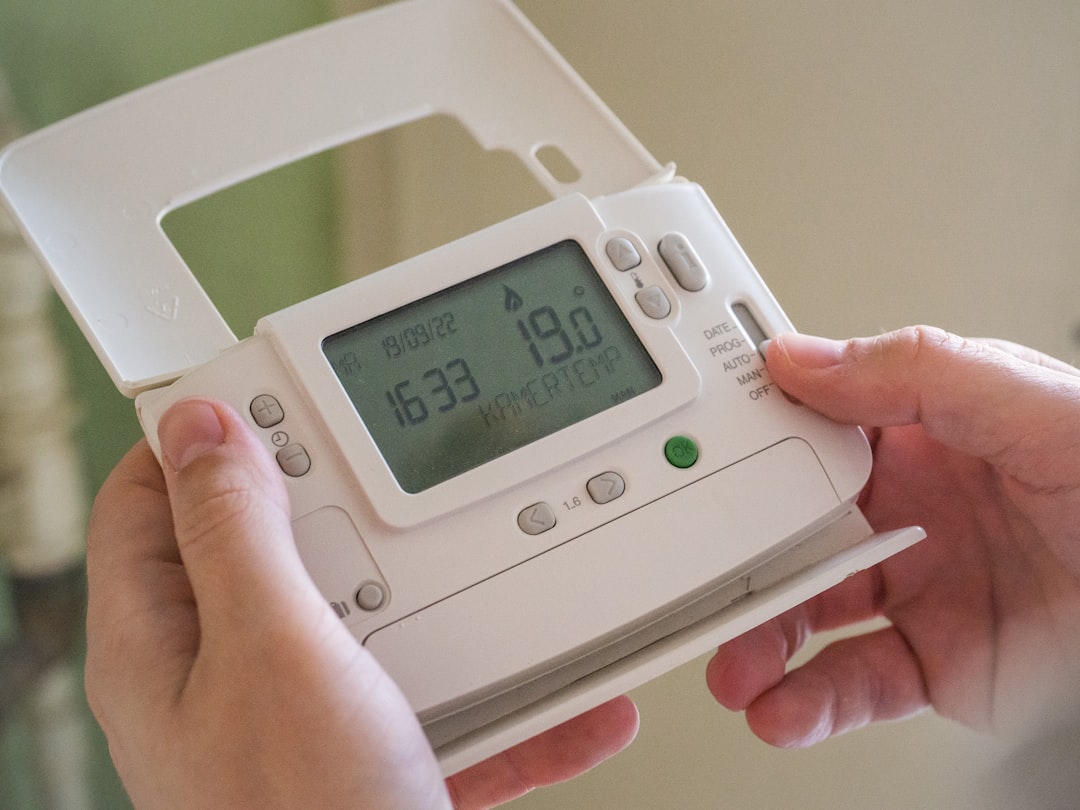
A thermostat stuck on an interior wall or near a heat source will misread conditions and force the system to run incorrectly. Smart controllers can help, but only if installed properly. For simple protections such as remote access and scheduled setbacks, use a proven smart-plug and control strategy—start with guides like smart plug basics to secure appliances and reduce phantom loads while you learn more about HVAC controls.
3. Fuel, Efficiency Losses and Metering Blind Spots
Underestimated fuel conversions and standby losses
Converting an old gas furnace to a new heat pump can save energy — but only if standby losses and auxiliary electric resistance are understood. Backup elements, defrost cycles on heat pumps, and distribution losses can erode expected savings. Always request modeled seasonal performance (HSPF, SEER, AFUE) and realistic local weather data when evaluating replacements.
Metering blind spots: where the bills lie
Utility bills aggregate whole-home consumption, so it’s easy to miss which end-uses are driving spikes. Portable monitors and submetering can isolate HVAC loads. In professional settings, engineers use edge metering and distributed analytics to control costs; some strategies translate to homes if you pair sensors with good dashboards and budgeting techniques from resources such as cost-aware hosting practices—the principle is the same: measure where the cost is generated before optimizing.
Phased usage and seasonal peaks
Heating is seasonal, but peaks matter for demand charges or time-of-use (TOU) plans. If your utility has demand pricing, short high-power events (e.g., electric resistance backup kicking in during cold snaps) can vastly increase charges. Learn how your tariff treats peak demand and model worst-case scenarios using conservative estimates; specialists often simulate loads with approaches inspired by modern edge cost governance tools such as cost-aware governance.
4. Maintenance & Repair Surprises That Hurt Budgets
Deferred maintenance: the slow tax on performance
Skipping an annual tune-up saves money this season and raises costs next. Dirty coils, unlubricated motors, and clogged filters reduce efficiency and often cause secondary failures (blowers, heat exchangers). Regular maintenance can improve fuel efficiency by up to 10% and reduce emergency repair rates. Think of maintenance as preemptive risk management.
Component failures and parts obsolescence
Older systems often require parts that are expensive or obsolete. Replacing a control board, valve, or compressor can be a high one-off cost unexpectedly triggered in cold weather. When choosing replacement systems, ask about available parts and the manufacturer’s five- to ten-year support horizon—warranties vary widely and are an essential part of life-cycle costing.
Labor, seasonal demand, and emergency service pricing
Emergency service calls in winter can cost 2–3x the same repair during an off-peak season. Smart planning and seasonal inspections move you to scheduled work windows with lower labor rates. For project planning and negotiating, homeowners can borrow negotiation tactics from other industries (for example, promo and discount strategies in procurement) — see playbooks like discount negotiation ideas to get more value from vendor offers.
5. Installation & Replacement-Related Hidden Costs
Poor installation quality
A low bid that yields poor installation can cost more over two decades than an upgrade to a high-efficiency system installed correctly. Common failures: incorrect refrigerant charge, poorly sized duct registers, ignored airflow restrictions. Always ask installers for a detailed scope, references, and proof of load calculations.
Scope creep and unexpected repairs
During replacement, contractors frequently discover related issues—electrical upgrades, degraded flue piping, or rot behind cabinets—each adding to the final bill. Build a contingency into your budget (typically 10–20%) and demand an itemized list of probable extras before signing.
Permitting, inspections and compliance costs
Permits, inspections, and required upgrades (e.g., combustion air, venting) add fees and sometimes require additional work. New national guidelines and safety expectations can change contractor requirements and lead times; keep informed on updates like the latest safety guidelines that affect contractors and scope of work.
6. Home Envelope & Building-Related Costs
Insulation gaps and air infiltration
Even a high-efficiency furnace can’t compensate for a poorly insulated attic or gaps around window frames. Investing in insulation and air sealing is usually the highest ROI improvement to lower heating costs, and it reduces required runtime — stretching equipment life. If your roof needs work or attic ventilation is compromised, consult trusted roofers; see our guide on hiring the right roofer to avoid contractor problems during envelope upgrades.
Windows, doors and thermal bridges
Upgrading to low-e windows or adding storm windows can deliver steady savings but often appears as a separate capital project. Evaluate combined projects holistically: sometimes a partial upgrade plus targeted insulation and better controls outperforms a full window replacement on payback time.
Roof, attic equipment and mechanical locations
HVAC components installed in unconditioned spaces (attic furnaces, rooftop units) experience higher losses. If moving equipment is required, weigh that upfront cost against reduced energy losses and easier maintenance access, then run a lifecycle calculation. For larger energy projects, consider whether distributed generation or solar backup makes sense; field tests like solar backup kits provide practical examples of when on-site generation reduces net operating expenses.
7. Controls, Smart Thermostats and Behavioral Costs
Smart thermostats: savings depend on installation and habits
Smart thermostats can reduce bills by optimizing schedules and tracking occupancy, but savings are conditional. Poor placement, incorrect installation, or leaving legacy zoning unaddressed can neutralize gains. Combine smart controls with education for occupants and with device-level monitoring to ensure they actually cut consumption.
Zoning, dampers and multi-family considerations
Zoning can provide comfort and savings, but it can also create control complexity that leads to short-cycling if the system isn't balanced. Multi-family and multifuel homes need careful sequencing logic. For digital-first owners, strategies used in software cost governance—breaking functions into measurable, accountable zones—are transferrable to zoning decisions; see ideas like cost-aware partitioning to inform zoning design.
Behavioral costs and occupant comfort
Homeowner or tenant habits (frequent temperature changes, heated unused rooms) create visible and hidden costs. Data shows occupants who monitor energy use and have clear thermostat policies reduce bills more than those with automated controls alone. Combine measurement with simple rules: night setback of 6–8°F, door-closing policies, and a thermostat manual for guests.
8. Financing, Incentives and Tax Considerations
Upfront incentives vs. lifecycle savings
Federal and state rebates, utility rebates, and manufacturer credits reduce upfront costs but often come with application and inspection steps. Some programs require pre-approval; others require post-install verification. Consult local incentives databases and plan projects with the rebate timeline in mind.
Tax strategies and deductions
Certain efficiency upgrades and renewable installations can qualify for tax credits or incentives. If you’re self-employed or manage rental property, energy upgrades may provide additional business deductions. For guidance on how to capture these benefits in tight tax situations, review the 2026 tax playbook—it includes tactics for documenting and maximizing energy-related deductions that apply to many homeowners.
Financing traps and long-term cost of capital
Low-interest loans marketed for HVAC upgrades sometimes extend payments so far that interest payments exceed savings. Evaluate financing the same way you would any capital decision: compare net present value (NPV) of the upgrade, including expected energy savings, incentives, and the loan’s true annual percentage rate (APR). Treat the decision like a small business investment — run the numbers.
9. Contractor Selection, Warranties and Vendor Risk
Choosing the right contractor
Price is important but not sufficient. Prioritize contractors who provide load calculations, detailed scopes, clear warranties, and references. You can borrow vendor management tactics from other sectors—ask for contractual service levels and response times as you would when selecting a vendor for critical services; methodologies similar to vendor chain management guides are useful here (vendor-chain management playbook).
Warranties, transfers and service contracts
Manufacturers’ warranties often require registered installation and proof of maintenance. Ask whether warranties are transferable, what is covered, and what costs void coverage (improper use, lack of maintenance). Consider a third-party service contract only if it guarantees response times and parts discounts; otherwise, maintain your own fund for predictable maintenance.
Regulatory and compliance risks
New national or local safety guidelines can change project requirements mid-job. Make sure contractors are up-to-date on compliance obligations—one way to reduce this risk is to ask for evidence of current licensing and active compliance with recent guidance like the national facilities safety updates.
10. How to Audit Your Home’s Hidden HVAC Costs — A Practical Checklist
Step 1: Measurement and baseline
Start by collecting bills for the last 12–24 months. Use a spreadsheet to map seasonal variance and identify anomalies—templates from budgeting guides speed this step (spreadsheet budgeting strategies). If your utility supports interval data, download it and identify peak events and durations.
Step 2: Targeted inspections and tests
Arrange an HVAC audit: filter and system inspection, duct leakage testing, and a combustion safety check if you have gas appliances. Consider thermal imaging (infrared) to find envelope leaks. If you own solar or microgrid assets, compare on-site generation to load patterns; field tests like the solar backup kit report show real-world interactions between generation and heating systems.
Step 3: Prioritization and ROI calculation
Rank fixes by simple payback and by NPV. Typical high-impact, low-cost fixes: sealing ducts, programmable setbacks, and adding insulation. Bigger projects—replacing a furnace—require life-cycle modeling. Use conservative assumptions to avoid overselling payback timelines and don’t forget to factor in seasonal service premiums and parts longevity.
Pro Tip: A well-sealed duct system, proper airflow, and a correct-sized heat pump or furnace typically deliver the fastest ROI. Treat load calculations and duct testing as non-negotiable before large purchases.
Detailed Comparison Table: Typical Hidden HVAC Costs and Solutions
| Hidden Cost Category | Typical Annual Cost | How to Detect | Best Fix | Typical Payback |
|---|---|---|---|---|
| Duct leakage & distribution loss | $150–$500 | Blower door/duct-blaster, cold spots | Seal ducts, insulate trunks | 1–3 years |
| Short-cycling (oversized unit) | $100–$400 | Frequent on/off cycles, uneven temps | Correct sizing / add thermal mass or controls | 2–5 years |
| Poor thermostat placement & control logic | $50–$200 | Wrong readings vs. room temps | Relocate sensor, update control logic | Immediate–1 year |
| Envelope losses (insulation/air leakage) | $200–$1,000+ | Infrared scans, high heating hours | Insulate, air-seal, upgrade windows selectively | 1–7 years |
| Deferred maintenance & parts failures | $200–$1,500 (varies) | Reduced efficiency, rising bills | Annual tune-up, proactive parts replacement | Immediate–3 years |
| Backup electric resistance (cold snaps) | $300–$2,000 (depending on TOU) | High demand spikes on electric bills | Heat pump sizing, thermal storage, TOU optimization | 2–6 years |
Case Studies & Real-World Examples
Example A: Urban retrofit with low budget
A 1970s rowhouse reduced its heating bills by 18% by sealing ducts, adding attic insulation, and installing a programmable thermostat. The household used a spreadsheet to track results and avoided high-cost replacements until they could budget for a new heat pump—this method mirrors budgeting practices many small operators use; see budgeting playbooks for startups and households (spreadsheet budgeting strategies).
Example B: New install gone wrong
A homeowner accepted the lowest bid for a heat-pump replacement. The contractor didn’t perform a load calculation; the system short-cycled and underperformed. The homeowner hired a second contractor who corrected ducting and controls; the combined cost exceeded what a properly spec’d install would have cost by 25%. This underscores the value of thorough scoping and contractor vetting.
Example C: Integrating microgeneration
A rural home added modest solar with a battery-backed microinverter and reprogrammed heating schedules to avoid peak rates. Over two winters, net grid consumption fell, and emergency generator use dropped. For readers considering on-site generation, market trends toward distributed energy resources and retail interest in microgrids are accelerating; learn how investors value these systems in energy markets (renewable microgrids overview).
Implementation Roadmap: Actionable Steps for the Next 12 Months
First 30 days: measurement and quick wins
Collect bills, install smart monitoring if feasible, change filters, and program thermostat setbacks. These low-cost steps often produce immediate savings and better information.
30–120 days: targeted fixes
Perform duct testing and seal leaks, insulate attic, and schedule an HVAC tune-up. If replacing equipment, use this period to solicit multiple quotes that include load calculations, references, and a warranty-backed scope.
120–365 days: capital projects and financing
If larger upgrades are warranted (heat pump, insulation, solar), evaluate financing options, incentives, and tax credits. Use life-cycle analysis and conservative assumptions and consult tax resources such as the 2026 tax playbook for documentation and deduction strategies relevant to homeowners and small landlords.
Frequently Asked Questions (FAQ)
1. How much can I realistically save by fixing hidden HVAC costs?
Typical homes can save 10–30% on heating bills by addressing high-impact hidden costs like duct leakage, insulation gaps, and improper controls. The exact number depends on your starting point; measurement is essential.
2. Is it better to replace or repair my furnace to cut hidden costs?
It depends on age, efficiency, and failure history. If your system is older than 15–20 years and requires major repairs, replacement with a right-sized, well-installed system usually pays off faster than repeated repairs.
3. Can smart thermostats always save money?
Not always. Smart thermostats help if the control logic matches occupancy and system behavior and if the device is installed correctly. Savings are greatest when combined with insulation and distribution fixes.
4. Should I prioritize insulation or a new HVAC unit?
Typically prioritize insulation and air sealing first: they reduce the required heating capacity and improve comfort immediately. After envelope improvements, you can right-size a new HVAC unit if needed.
5. How do I avoid contractor-related hidden costs?
Use a checklist: require load calculations, ask for itemized bids, request references and proof of licensing, verify warranty registration, and schedule work in off-peak seasons. Treat the process like vendor selection in any other purchase.
Final Notes and Next Steps
Tackling hidden HVAC costs isn’t glamorous, but it’s where most homeowners can unlock the largest, most reliable savings. Start by measuring, then focus on high-impact, low-cost fixes: duct sealing, insulation, and proper controls. As projects scale, consider on-site generation or microgrid strategies if they align with your home’s profile; market research on distributed energy shows these can change the long-term economics of home heating (renewable microgrids overview).
Finally, build a plan: use spreadsheets to model scenarios, lean on qualified contractors, and avoid the temptation to solve complex problems with single-device purchases. If you’d like a project template, adapt the vendor-management and budget-playbook ideas from vendor chain playbooks or the service-level strategies in other technical fields to your home energy projects.
For more practical, actionable steps on protecting smart devices and integrating controls that reduce phantom loads, see our primer on smart plugs and basic home automation. If you’re considering more technical monitoring, the strategies in cost-aware data partitioning translate well to submetering and zone-based monitoring plans.
Related Reading
- Buying Guide: How to Choose the Right Smartwatch in 2024 - Not directly HVAC but useful for homeowners tracking personal energy use and wearables for occupancy sensing.
- Review: Best GPS Collars and Location Trackers for Pets (2026) - Ideas for occupancy sensing and pet behavior around heating systems.
- How to Make Vegan Viennese Fingers - A light diversion with a precise recipe approach; attention to detail translates well to HVAC diagnostics.
- Phishing Resistance: Best Practices for Developers and IT Admins - Useful for homeowners integrating smart devices and managing secure access.
- Field Review: Compact Field Kit Roundup for 2026 - For DIY enthusiasts who want portable tools for home inspections and thermal imaging.