How to Choose the Right Heating System for Your Home
Choosing a heating system is one of the most important decisions a homeowner will make: it affects comfort, energy bills, resale value, and your carbon footprint. This definitive buyer's guide walks you through climate and home-type considerations, energy-efficiency metrics, cost analysis, installation and maintenance, and a decision matrix so you can pick the right system for your situation.
Quick primer: What this guide covers and how to use it
This guide is organized so you can jump to the sections that matter most: climate and home-type analysis, technology deep dives (furnaces, boilers, heat pumps, radiant, hybrid), a detailed cost-and-lifecycle comparison table, sizing and installation guidance, and a comprehensive FAQ. If you want fast tips for staying warm without big capital expense, our piece on layering for maximum warmth is a great companion read.
For readers also thinking of year-round comfort (cooling as well as heating), check our quick reference on air cooler models for allergy seasons — useful when choosing systems that share ductwork or when evaluating dehumidification performance.
1. How climate and home type determine the optimal heating system
Climate zones and performance expectations
Heating systems behave differently across climates. Heat pumps, especially modern cold-climate models, now work well well below freezing, but their seasonal performance will differ from gas furnaces in very cold regions. When assessing options, think in terms of heating degree days and the range of outdoor temperatures your system must operate in. If your region has highly variable winters (or is seeing changing patterns because of climate change), reference broader climate context material like how climate reflects in art to understand long-term weather shifts that may affect energy use.
Home types and constraints
Detached single-family homes with attic and crawlspace access are the easiest to retrofit with ducted systems, while apartments and historic homes often favor ductless or hydronic systems. For very large spaces (garages, workshops, or small commercial units) the economics and approach change; see lessons from large-space optimization in pieces like rethinking warehouse space with robotics which illustrate how scale shifts design priorities.
Local fuel availability and grid conditions
Even the best system can be impractical if the fuel source is expensive or unavailable. If natural gas service is absent, electric heat pumps or propane boilers become realistic choices. Energy price volatility can drastically change lifetime costs—understand macro drivers by reading how Fed policies shape costs and how currency or supply shocks affect prices with the hidden costs of currency fluctuations and currency strategy for volatile markets.
2. The major heating technologies: how they work and when they make sense
Furnaces (forced air)
Furnaces burn fuel (gas, oil) or use electric resistance to heat air distributed through ducts. High-efficiency gas furnaces can exceed 95% AFUE, making them cost-effective in cold climates with low electricity prices. Furnaces pair easily with central air conditioning and whole-house filtration, but duct losses and distribution balance affect efficiency. If you already have ducts, upgrading to a high-efficiency furnace is often the lowest-cost route to major performance gains.
Boilers and hydronic systems
Boilers heat water for radiators, baseboards, or in-floor radiant systems. Hydronics offer excellent comfort with even temperatures and lower distribution losses in well-insulated homes. Geothermal (ground-source) heat pumps can also heat water, blending high efficiency with long equipment life. Older homes with plaster and radiators often retain boiler systems; retrofitting hydronic heat into a tight, low-ceiling home can be complex but yields superior comfort.
Heat pumps (air-source and ground-source)
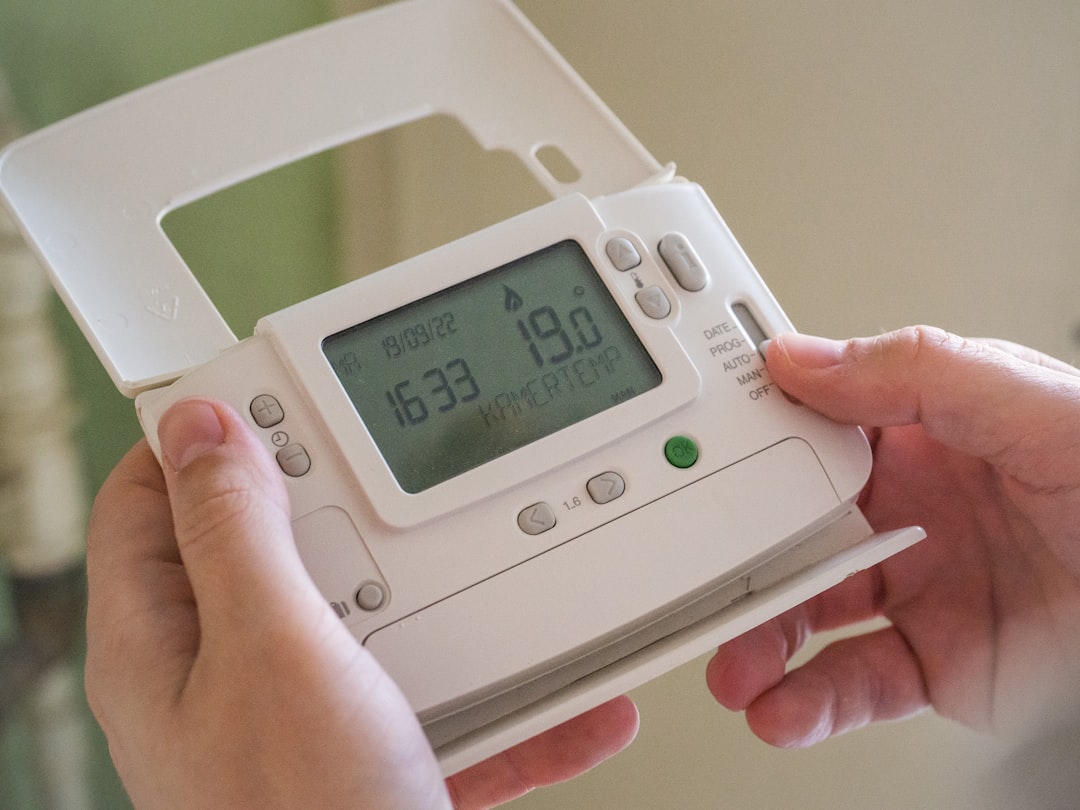
Heat pumps move heat rather than generate it, yielding efficiencies that exceed 100% expressed as a coefficient of performance (COP). Air-source heat pumps are now available in cold-climate variants and are the fastest-growing residential technology. Ground-source heat pumps require higher upfront cost but offer stable efficiency and longer life. Heat pumps can also provide cooling, allowing single-system year-round comfort; pairing them with a smart thermostat and timely maintenance optimizes performance (see our notes on affordable smart devices for ideas on smart controls).
Electric baseboard and radiant systems
Electric baseboards are simple and cheap to install but expensive to operate where electricity costs are high. Radiant floors provide comfortable, even heat and work well with low-temperature heat sources such as heat pumps; they are a common choice in high-performance builds or renovations.
3. Understanding efficiency metrics (AFUE, HSPF, SEER, COP)
What each metric means and why it matters
AFUE measures annual fuel utilization efficiency for furnaces/boilers; HSPF and SEER measure heat-pump heating and cooling efficiency respectively; COP is the instantaneous efficiency of a heat pump. Compare systems using annualized metrics and think in terms of seasonal performance (e.g., HSPF for winter). For a homeowner, small percent differences matter over a 10–15 year lifetime; a 5% efficiency increase can save hundreds annually in some climates.
How to compare across fuel types
Comparing a high-efficiency gas furnace to a heat pump requires mapping AFUE to expected operating costs using local fuel and electricity rates. Use real local energy tariffs and factor in demand charges or time-of-use pricing. If you track bills and appliance runtimes, tools and automation can help; professionals use software and optimization practices in the tools that predict system performance.
Incentives and the real-world cost
Federal and state incentives change payback periods. Rebates for heat pumps and insulation can be decisive. Because incentives and prices shift, you should treat any buy decision as conditional on current policy—equivalent to how businesses adapt to platform changes, as discussed in preparing for platform changes.
4. Detailed cost analysis: installation, operating, and lifecycle costs
Upfront vs lifetime
Upfront cost includes equipment, installation, and any distribution upgrades (ductwork, water lines, electrical). Lifetime cost sums fuel/energy, maintenance, repairs, and replacement. Heat pumps tend to have higher upfront cost than simple furnaces in retrofit scenarios but lower lifetime operating costs in many regions. To get a realistic picture, build a 10–15 year cashflow model that includes energy price escalation.
Example cost ranges
Typical U.S. order-of-magnitude numbers (varies by region): gas furnace replacement $3,500–$7,500; air-source heat pump $6,000–$15,000 (installed); ground-source heat pump $20,000–$40,000. Hydronic radiant retrofit $8,000–$25,000. Use local contractor quotes and ask for modeled operating cost projections using your rates.
How to avoid surprises
Get multiple bids, insist on Manual J load calculations (see sizing section), and verify permit and access requirements. Also consider indirect costs: if you upgrade heating, you may wish to invest in insulation or airtightness to shrink system size and operating cost. Just as restaurants leverage technology for efficiency gains, buildings benefit from integrated measures—see restaurant technology and efficiency for an analogy of tech-enabled savings.
5. Sizing and load calculation: right-sizing matters
What is Manual J and why it’s non-negotiable
Manual J is the industry-standard load calculation that estimates your home's heating and cooling needs based on insulation, windows, orientation, and occupant behavior. Oversizing leads to short cycles, poor humidity control, and higher maintenance; undersizing yields poor comfort. Ask every contractor for the Manual J report before buying.
DIY checks before the pro comes
Measure insulation levels in attic and walls, note single-pane vs double-pane windows, and check for drafts. These simple facts let a contractor produce a more accurate Manual J without an intrusive audit. You can find helpful process maps in productivity and process pieces that show how to streamline pre-work, like streamlining your process.
When a second opinion is worth the cost
If a proposal lacks documentation, or if two bids differ dramatically in system size or price, pay for a third-party energy audit or a second installer. For larger properties or complex urban retrofits, consider design professionals familiar with unusual constraints.
6. Heat pump deep dive: the fastest-growing option
Air-source vs ground-source
Air-source heat pumps are easier and cheaper to install and work well in most regions. Ground-source (geothermal) systems require excavation but deliver stable, high efficiency and long life. The right choice depends on yard access, soil conditions, and long-term ownership plans.
Cold-climate options and hybrid setups
Cold-climate heat pumps maintain efficiency at much lower temperatures than older models. In very cold regions, a hybrid system that pairs a heat pump with a high-efficiency gas furnace for extreme cold can be the best of both worlds, optimizing seasonal cost and comfort.
Controls and integration
Heat pumps benefit from multi-stage controls and smart thermostats. Investing in good controls (and routine tune-ups automated via workflow tools) reduces energy waste—similar principles apply in business automation and are well explained in workflow automations.
7. Practical decision matrix: which system for which home type
New construction, highly insulated
For new, well-insulated homes, low-temperature heat pumps (air or ground) are usually best: they minimize equipment size and maximize efficiency. If you are also fitting high-end fixtures, investments such as quality lighting or fixtures can add value similarly to right heating choices; see investing in quality fixtures for parallels on value-focused upgrades.
Older homes and historic buildings
Historic homes often have envelope leaks and nonstandard layouts. Hydronic systems or ductless mini-splits reduce intrusive ductwork. If you own delicate belongings, keep humidity control in mind; tips on preserving valuables like jewelry emphasize climate stability, as in caring for your collection.
Apartments and rentals
In multi-family buildings, centralized systems are typical; however, for conversion projects, ductless units or electric radiant can be cost-effective. Landlords should factor in tenant comfort and serviceability when selecting systems; simple, reliable systems reduce tenant friction and maintenance calls.
8. Installation, permits and choosing a contractor
How to vet a contractor
Ask for license, insurance, references, and the Manual J load calculation. Verify that proposed equipment is sized correctly and ask about warranties and typical repair timelines. Get at least three detailed bids and insist on written scope and inclusion of permits.
Permitting, rebates and paperwork
Most system replacements require permits; incentives often require proof of professional installation. Ask contractors to provide complete documentation suitable for rebate submission. Treat incentive timing and paperwork like business process change management—draw on examples from tech transitions such as preparing for platform changes.
Commercial considerations
If your project is multi-zone or commercial, contractors should supply performance modeling and lifecycle cost estimates. Commercial efficiency projects often borrow operational thinking from other industries—see how restaurants use tech to drive efficiency at restaurant technology and efficiency.
9. Maintenance, troubleshooting and simple ways to optimize
Seasonal maintenance checklist
Replace filters, inspect flues and combustion air (for fossil systems), clean coils and fans, and check refrigerant charge and controls (for heat pumps). A maintained system uses less energy and lasts longer. Consider setting recurring service via automated reminders or local service subscriptions; modern practices in automation are discussed in workflow automations.
DIY comfort and cost-savers
Simple measures—air-sealing, insulating attics, installing programmable thermostats, and using door sweeps—often produce bigger savings than replacing a marginally older furnace. Tools and gadgets help maintain indoor comfort; pairing heating upgrades with smart, affordable devices is effective—see affordable smart wellness devices for ideas you can adapt to comfort controls. Also keep cleaning and air-quality routines in check: practical tools appear in our home cleaning gadgets guide.
When to call a pro
Unsafe smells, carbon monoxide detector trips, repeated short-cycling, rising energy bills without usage changes, or system age over expected life are triggers for professional service. For complex or unusual failures, prioritize a certified technician and request diagnostic reporting.
Pro Tip: Before you replace equipment, improve the building envelope. Insulation and air-sealing can reduce needed equipment size and cut lifetime costs by 20–40% in many homes.
10. Decision-support comparison table
The table below summarizes typical attributes to help you compare systems side-by-side. Numbers are ranges and will vary by region and brand—use local quotes for final decisions.
| System | Typical Installed Cost (USD) | Efficiency Metric | Best For | Typical Lifespan |
|---|---|---|---|---|
| Gas Furnace (High-efficiency) | $3,500 - $7,500 | AFUE 90% - 98% | Cold climates, existing ducts | 15 - 20 years |
| Air-Source Heat Pump | $6,000 - $15,000 | HSPF 8 - 12, COP 2.5 - 4 | Most climates, electric-dominant homes | 12 - 20 years |
| Ground-Source (Geothermal) | $20,000 - $40,000 | COP 3 - 5 (very stable) | New builds, long-term owners, high-efficiency goals | 20 - 25+ years |
| Boiler / Hydronic Radiant | $5,000 - $25,000 | AFUE 80% - 98% (modulates) | Comfort-focused homes, retrofits with radiators | 15 - 30 years |
| Electric Baseboard | $1,500 - $6,000 | Resistive (100% by definition) | Small spaces, no ductwork, mild winter regions | 15 - 25 years |
11. Real-world examples and case studies
Case: Suburban retrofit — heat pump hybrid
A 1970s suburban home with old ducts and a 60% AFUE furnace replaced the furnace with a cold-climate air-source heat pump and kept a small, high-efficiency gas furnace as backup. Result: 30–40% lower winter bills and improved cooling. Owners scheduled maintenance using simple automation and reminders inspired by modern workflow practices workflow automations.
Case: Historic urban rowhouse — hydronic upgrade
A historic rowhouse with radiator intact replaced an old oil boiler with a modern condensing boiler and added insulation and storm windows. Comfort and resale value rose significantly, matching lessons about investing in quality fixtures and upgrades such as investing in quality fixtures.
Case: New efficient build — heat pump + radiant floors
A new high-performance home used ground-source heat for radiant floors and mechanical ventilation with heat recovery. High upfront cost was offset by near-zero operating bills and durable systems—an approach that rewards long-term thinking similar to strategic investments discussed in small-business financial planning pieces like how Fed policies shape costs.
Frequently asked questions
Q1: Can a heat pump really replace a gas furnace in cold climates?
A1: Modern cold-climate heat pumps can meet heating needs in many cold areas; some homeowners use hybrid systems for the coldest days. Always compare seasonal modeled costs using local temperatures.
Q2: How often should I schedule maintenance?
A2: Annual maintenance is a minimum for all forced-air and hydronic systems; heat pumps benefit from biannual checks (pre- and post-season). Keep records for warranty and rebate purposes.
Q3: Do I need new ducts if I install a heat pump?
A3: Not always, but duct condition matters. Old, leaky ducts can destroy heat-pump efficiency; have ducts tested and sealed.
Q4: What is the single best upgrade to reduce heating bills?
A4: Improve insulation and air-sealing. Reducing heat loss shrinks system size and energy use more than marginal equipment improvements.
Q5: How do incentives affect which system I choose?
A5: Incentives (rebates, tax credits) can shorten payback significantly, particularly for heat pumps and insulation. Check current local and federal programs before finalizing.
12. Next steps: decision checklist and finding trusted help
Use this checklist: 1) Collect 12 months of energy bills. 2) Complete a brief home survey (insulation, windows, ducts). 3) Request Manual J and equipment proposals from three contractors. 4) Compare lifecycle costs and incentives. 5) Verify permits, warranties and maintenance plans prior to signing.
When you interview contractors, ask them for examples of similar installs in your climate and confirm their commissioning steps. If you manage multiple properties or large spaces, consider lessons from industrial projects like rethinking warehouse space with robotics to understand economies of scale.
Conclusion
Choosing the right heating system depends on climate, home type, fuel availability, and your long-term ownership plans. Prioritize proper sizing, evaluate lifetime costs, and combine equipment choices with envelope improvements for the best outcome. For practical household-level optimizations, pair technology with behavior: use efficient controls and small wins such as better filters and sealing, supported by tools described in our home cleaning gadgets and smart-device summaries like affordable smart devices.
If you're not ready to commit to a major replacement, temporary measures such as targeted insulation, programmable thermostats, and smart scheduling can reduce bills significantly. And when it’s time to buy, use the decision matrix in this guide and get multiple written bids with Manual J documentation.
Related Reading
- Top 5 Air Cooler Models - Quick tips on cooling options that pair with heating choices.
- Must-Have Home Cleaning Gadgets for 2026 - Tools to keep vents and grills clean for better HVAC performance.
- Ultimate Guide to Layering for Maximum Warmth - Short-term strategies to lower thermostat setpoint comfortably.
- Dynamic Workflow Automations - Ideas to automate routine HVAC maintenance reminders and service calls.
- Adapting to Market Changes: Restaurant Technology - Efficiency lessons applicable to building systems and operations.