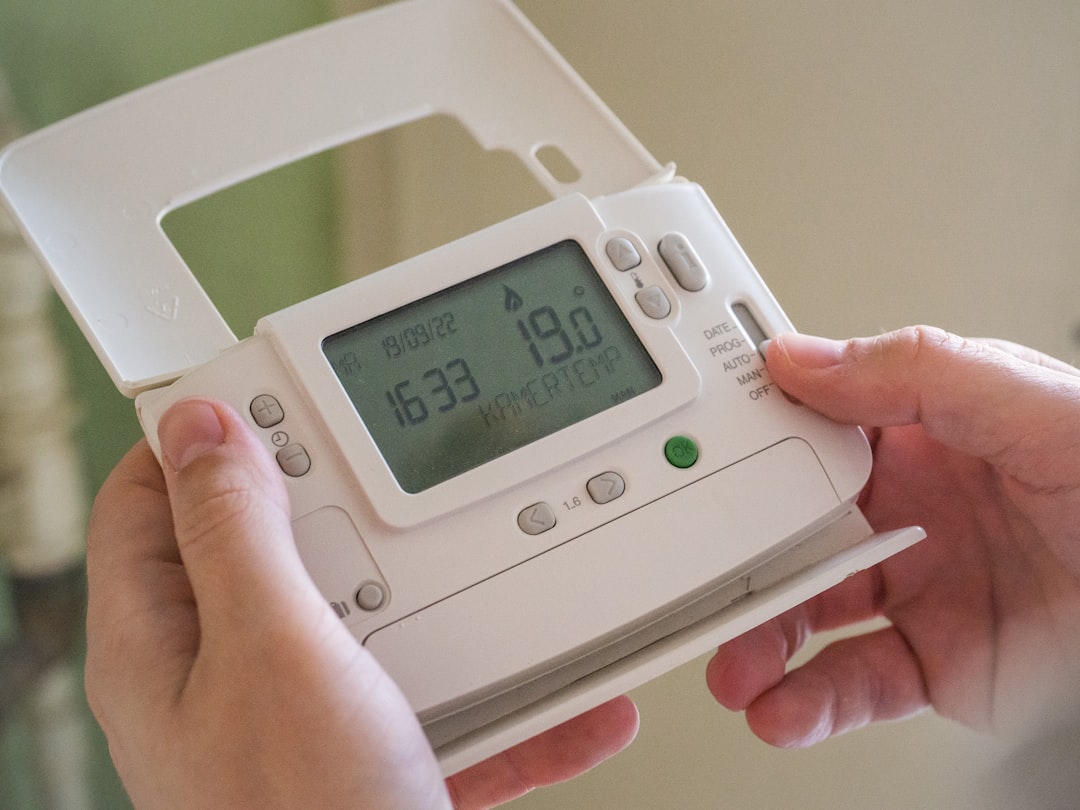
How to Choose the Right Smart Thermostat for Your HVAC System
Smart thermostats promise comfort, lower bills, and better control — but only if you pick one that fits your HVAC system, wiring, and daily life. This guide walks you through compatibility checks, the features that drive real energy savings, installation trade-offs, integration with home automation, and how to estimate ROI so you make a confident purchase.
Quick primer: Why a smart thermostat matters for HVAC efficiency
Energy savings you can actually expect
Smart thermostats reduce wasted runtime by optimizing schedules, using presence data (geofencing), and sometimes learning temperature patterns from your household. Typical utility studies report average savings in the low double-digits for combined heating and cooling when compared to basic manual thermostats. Those savings vary by climate, how you use the system, and whether your HVAC is already efficient, so treat published percentages as directional rather than guaranteed.
Comfort, not just savings
Beyond dollars, most homeowners notice fewer temperature swings and improved setback control — especially with multi-stage or variable-speed equipment. Remote sensors or room balancing features address the common problem where the thermostat's location doesn't represent the whole house, improving comfort in bedrooms and living areas without cranking the whole system more often.
Data-driven maintenance and diagnostics
Advanced models surface run-time reports and alert you to issues like short-cycling, filter changes, or extended runtimes that suggest a tune-up. Those proactive features can prevent small problems from becoming costly breakdowns — and integrate nicely with contractor services if you choose to permit remote diagnostics.
Check HVAC compatibility first: the technical must-dos
Confirm wiring: Do you have a C-wire?
Most modern Wi‑Fi and learning thermostats require a common (C) wire for continuous power. Older homes often lack a C-wire because legacy mechanical or battery thermostats didn't need one. Before buying, open your thermostat or check the furnace/air handler wiring label and look for a terminal labeled C. If there's no C-wire, you can add one, use a power adapter kit, or pick a model that supports power-stealing, but each option has trade-offs for stability and compatibility.
Match thermostat capability to your HVAC type
Not all smart thermostats control all system types. You must map features to whether you have a single-stage furnace, multi-stage heat pump, boiler, two-stage compressor, or variable-speed fan. Some learning thermostats handle heat pumps with auxiliary/emergency heat; others do not. When in doubt, use the HVAC compatibility checker on the thermostat vendor site or consult a pro. For sophisticated systems like modulating gas furnaces or 2‑stage heat pumps, prioritize thermostats that explicitly list those capabilities.
Control of zoning and dampers
If you have a zoned system with dampers and multiple thermostats, choose devices and a hub that support zone control or work with your existing control board. Some smart thermostats act as zone managers; others only serve a single zone. Confirm how the thermostat integrates with multi-zone control and whether additional hubs or relays are required to communicate with the damper control board.
Features that actually increase efficiency — what to prioritize
Learning vs scheduled operation
Learning thermostats adapt over time, creating schedules by detecting your patterns. They can increase comfort and energy savings for households with consistent routines, but they can also overfit irregular schedules. Schedule-based thermostats give you deterministic control and are typically cheaper. Decide whether you want a self-adjusting system or manual precision — both can save energy when used properly.
Remote sensors and multi-sensor averaging
Room sensors solve the frequent mismatch between thermostat location and problem rooms. Look for thermostats that support multiple sensors with averaging or prioritization modes so the system targets occupied rooms. This is especially valuable in open-plan homes or houses with strong sun exposure on one side that skew single-point readings.
Geofencing and presence detection
Geofencing uses your phone location to drop temperature when you leave and resume when you return. It's powerful for users who leave daily but less useful for people who work irregular hours. Check whether the thermostat supports multi-user geofencing, how it handles overlapping schedules, and whether it respects privacy settings on your devices.
Humidity, ventilation, and air quality controls
Some smart thermostats integrate with humidifiers, dehumidifiers, ERVs/HRVs, and indoor air quality sensors. If you live in a humid climate or have indoor air quality concerns, prioritize models that can manage humidity levels or trigger ventilation cycles based on sensor inputs. That improves comfort and can reduce the workload on your HVAC during peak moisture conditions.
Choosing by HVAC type: tailored recommendations
For furnaces and conventional split systems
A reliable option for single-stage or two-stage furnaces is a smart thermostat with straightforward wiring, good schedule controls, and basic learning. If your furnace has ECM blowers or multi-stage heat, ensure the thermostat supports fan control and multi-stage heating. Always verify compatibility on the vendor's technical spec sheet.
For heat pumps (including cold-climate heat pumps)
Heat pumps need thermostats that understand changeover valves (O/B), auxiliary heat, and defrost controls. If you have a cold-climate heat pump with hybrid heating strategies, choose models with explicit heat pump programming and adaptive recovery to avoid unnecessary auxiliary heat usage that spikes energy bills.
For boilers and hydronic systems
Hydronic systems and zone valves often use relay control or 24V dry contacts; many smart thermostats can trigger zone valves but cannot directly control boiler pump sequencing. For boiler systems, focus on thermostats that can interface with zone controllers or support external relay modules. Consult a heating contractor to map the best integration approach for multi-zone hydronic setups.
Installation: DIY vs professional — the decision framework
When DIY makes sense
If you have a basic single-stage system, a C-wire or compatible power adapter, and are comfortable with low-voltage wiring, DIY installation is a cost-saving option. Many vendors provide clear guides and mobile apps that walk you through wiring and configuration. Make sure you power down the HVAC system at the breaker before touching terminals and take photos of existing wiring for reference.
When to hire a technician
Hire a professional for complex multi-stage systems, heat pumps, boilers, zoning, or when your wiring doesn't match vendor diagrams. A pro saves you time and prevents damage to expensive equipment. If you plan to enable remote diagnostics or integrate with contractor portals, a professional installation sets things up cleanly and documents configuration for future service calls.
Cost and time considerations
DIY installs typically take 30–90 minutes for straightforward systems. Professional installs often range from $100–$300 depending on complexity and labor rates. If a C-wire needs to be run or a common adapter installed, expect the higher end of that range. Factor these costs into your ROI calculation when comparing models and deciding whether to replace the thermostat now or during your next service visit.
Smart home integration: what matters for automation and privacy
Voice assistants and hub compatibility
Confirm native support for Alexa, Google Home, Apple HomeKit, or other hubs you already use. Native integrations reduce friction and provide smoother routines. If your home automation relies on a particular platform, prioritize thermostats with official support rather than third-party workarounds to avoid surprises during setup.
Cross-platform integration and advanced automations
For complex automations—like coordinating thermostat setbacks with occupancy sensors, shades, and lighting—look for thermostats with open APIs or compatibility with IFTTT, Home Assistant, or other automation platforms. Cross-platform integration reduces vendor lock-in and makes it easier to build rules that increase both efficiency and comfort. Learn more about cross-platform integration strategies in our guide on exploring cross-platform integration.
Privacy, data control, and security
Smart thermostats collect behavioral data; review vendor privacy policies and whether you can opt out of data sharing or anonymized analytics. Network security is critical — ensure your thermostat supports strong authentication, receives firmware updates, and resides on a protected network. For an overview of securing connected devices, see Staying Ahead: How to Secure Your Digital Assets in 2026.
Estimating cost, rebates, and ROI
Upfront cost vs lifetime value
Smart thermostat prices range from under $100 to several hundred dollars for advanced models with sensors and learning. Add in installation costs if you hire a technician. To estimate ROI, model your expected energy savings conservatively and include any local utility rebates and tax incentives. Many utilities offer instant rebates or mail-in rebates that dramatically lower the upfront cost, so check your utility programs before buying.
Utility rebates and incentive lookup
Local utilities and regional programs frequently offer rebates for qualifying smart thermostats and controlled devices that enable demand response. Some rebate programs require contractor installation or specific models. Before purchasing, visit your utility website or contact customer service to confirm eligibility and paperwork requirements.
Sample ROI calculation
Estimate annual HVAC energy costs, multiply by a conservative expected savings percentage (for example, 6–12%), subtract any recurring subscription fees, and compare to net upfront cost after rebates. While exact numbers vary, many homeowners recoup the net cost of a mid-range thermostat within 2–4 years through energy savings and reduced service calls driven by better diagnostics.
Troubleshooting and maintenance
Common problems and quick fixes
Common issues include lost Wi‑Fi connectivity, inaccurate temperature readings, and thermostat display blanking due to missing power. Verify wiring and power first, reboot the device, and check firmware updates. For smart home command issues, see our troubleshooting tips on working with Google Home and similar assistants in Troubleshooting Smart Home Integration and How to Tame Your Google Home for advanced command handling.
Maintenance tasks
Keep firmware current, replace batteries if your thermostat uses them, and clean remote sensors occasionally to prevent dust from skewing readings. Maintain HVAC regular service like filter changes and annual tune-ups, because a securely maintained system is required for a thermostat to deliver the promised savings. Use run-time reports to flag unusual behavior that precedes failures.
When to call a pro
Call a contractor when you detect short-cycling, repeated thermostat resets, or unexpected changes in compressor/fan behavior after installation. If wiring doesn't match vendor diagrams, or if you have multi-stage or modulating equipment, professional verification avoids warranty issues and mechanical harm. Your contractor can also help enable advanced integrations and ensure your system is configured for efficiency.
Future-proofing: features to look for in 2026 and beyond
Edge AI and predictive control
Predictive control uses local intelligence to pre-condition your home based on weather, occupancy, and thermal inertia — maximizing comfort with minimal runtime. As edge AI and improved models become common, thermostats will need efficient local processing and secure firmware updates. For context on where consumer devices are headed, read about gadget trends in Gadgets Trends to Watch in 2026 and how smart device innovations are changing roles in What the Latest Smart Device Innovations Mean.
Expandability and modularity
Choose thermostats with modular add-ons or open integrations so you can add remote sensors, connect IAQ monitors, or integrate with energy management tools. A modular approach reduces the need to replace the whole thermostat when new features emerge. Evaluate vendor roadmaps, update cadence, and third-party integrations to assess longevity.
Interoperability with energy programs
Future programs will likely reward devices that participate in demand response, grid optimization, or aggregated flexibility markets. Select devices that support secure, opt-in grid services and that provide clear oversight over when and how utilities can adjust your setpoints. Explore how generative AI and analytics are being used to coordinate device fleets in documents like Leveraging Generative AI and predictive analytics examples in Fighter's Edge: Predictive Analytics.
Comparison table: features that matter (quick reference)
| Thermostat Type | Best for HVAC | Key Features | Power/Wiring | Price Range |
|---|---|---|---|---|
| Learning Thermostat | Single/multi-stage furnaces, heat pumps (supported models) | Auto-schedule, remote sensors, energy reports | C-wire preferred | $$$ |
| Wi‑Fi Schedule Thermostat | Basic furnaces/splits, DIY installs | Cloud control, manual schedule, remote access | Battery or C-wire | $–$$ |
| Heat Pump Optimized | Heat pumps, especially cold-climate models | O/B control, aux heat logic, adaptive recovery | C-wire recommended | $$–$$$ |
| Zone Controller Hub | Multi-zone dampers, hydronic with zones | Multi-thermostat coordination, damper control | Varies; often needs pro wiring | $$$ |
| Basic Smart Thermostat | Renters, budget upgrades | Wi‑Fi app control, basic scheduling | Battery or C-wire | $ |
Pro Tip: If you want to integrate the thermostat into a broader home upgrade (media, network, security), plan the internet and hub infrastructure first. See our guidance on home essentials like internet providers in Home Essentials: Best Internet Providers.
Real-world examples and case studies
Suburban retrofit: single-family home
A 2,200 ft² suburban home with a single-stage gas furnace replaced a manual programmable thermostat with a Wi‑Fi learning thermostat plus two remote sensors. The household used geofencing and temperature averaging to reduce overnight setpoints without sacrificing comfort in bedrooms; over the first year they reported lower winter bills and fewer complaints about uneven temperatures. Contractor involvement was limited to verifying C-wire continuity and setting up the remote sensors to avoid placement in direct sunlight.
Urban condo: renter-friendly approach
A renter in an urban condo chose a low-cost smart thermostat that works on batteries and offers app scheduling. Since running new wires was not allowed, this choice provided remote control and basic scheduling without modifying building systems. The renter used automation rules tied to calendar presence — a tactic that's effective for people with predictable daily schedules; read about integrating calendar data with devices in AI in Calendar Management.
High-efficiency retrofit with a contractor
An energy-conscious homeowner paired a high-end thermostat with contractor tuning, new thermostatic radiator valves for hydronic zones, and a supplemental ERV to improve ventilation. The integrated approach delivered better comfort and measurable energy savings. This example highlights how device selection is one piece of a larger systems optimization strategy similar to planning an ultimate home entertainment upgrade — planning matters, as discussed in Ultimate Home Theater Upgrade.
Where to buy, deals, and timing
Buying channels and authorized sellers
Purchase from authorized retailers or directly from manufacturers to ensure warranty and firmware update support. Big box stores, HVAC distributors, and trusted online marketplaces carry common models. Avoid gray-market imports that may not receive firmware updates or support in your country.
Timing purchases for best deals
Look for seasonal promotions around spring and fall when HVAC vendors discount accessories, or combine purchases with HVAC maintenance services. Retailers run sales tied to product launches; keep an eye on deals pages and aggregate offers like the kind found in bargain roundups – read current tech deal trends in Steals and Deals.
Balancing price and features
Mid-range models often provide the best balance of features and reliability for most homeowners: Wi‑Fi control, basic sensors, and scheduler with optional learning. Only invest in top-tier models if you need advanced features like full zoning management, built-in IAQ sensors, or enterprise-grade remote diagnostics for property managers. For insight into consumer device trends that affect value, see Watch Out: Tech of Sports Watches and Gadgets Trends to Watch.
FAQ — Common questions about smart thermostats
1. Will a smart thermostat work with my old HVAC system?
Generally yes for basic single-stage systems, but confirm wiring and control type. For complex heat pumps, boilers, or proprietary controls, check vendor compatibility and consider professional help.
2. Do smart thermostats require a subscription?
Most offer core features free; some charge optional subscriptions for advanced analytics, professional monitoring, or extended cloud services. Factor any recurring fees into your ROI plans.
3. Can I install a smart thermostat in a rental?
Yes, if the landlord allows it and if installation doesn't modify permanent wiring or building controls. Battery-powered options are renter-friendly.
4. How do I know if a thermostat will control my heat pump correctly?
Look for explicit heat pump support, including O/B terminal handling, aux heat logic, and defrost controls. Vendor compatibility tools and contractor verification help ensure correct setup.
5. Are learning thermostats better than schedule-based ones?
It depends on your household. Learning thermostats can reduce planning time but may misinterpret irregular patterns. Schedule-based thermostats offer predictable control and are often cheaper.
Final checklist before you buy
Compatibility and wiring
Confirm C-wire presence, HVAC type, and zone architecture. If your system uses proprietary controls or nonstandard relays, validate the thermostat can interface properly or plan for a contractor install.
Features vs priorities
Map features to your priorities: energy savings, remote control, multi-room comfort, or integration. Avoid paying premium for features you won't use; instead choose a model that focuses on the handful of capabilities that match your home.
Security and future updates
Prefer vendors with a track record of firmware updates, transparent privacy policies, and clear opt-in options for data sharing. Learn about consumer device security trends to make informed choices; see commentary on device and hardware trends in AI Hardware Predictions and privacy considerations in Fine-Tuning User Consent.
Related Reading
- Leveraging Generative AI - How predictive analytics and AI models are changing device coordination and energy optimization.
- Staying Ahead: How to Secure Your Digital Assets in 2026 - Practical steps to secure your smart home devices and network.
- Troubleshooting Smart Home Integration - Effective commands and fixes when voice assistants or automations fail.
- Ultimate Home Theater Upgrade - Planning home system upgrades and why infrastructure planning matters.
- Home Essentials: Best Internet Providers - Choosing a reliable internet connection for connected-home reliability.