Indoor air quality (IAQ) is critical everywhere — from our homes to massive public venues — and NHL arenas represent a unique and intricate challenge. These vast, bustling indoor spaces must maintain optimal air conditions for thousands of fans, players, and staff while balancing the special requirements of an ice rink. By exploring how NHL arenas manage air filtration, ventilation, humidity control, and overall air quality, homeowners can draw actionable lessons to improve their own home comfort and ventilation systems.
1. Distinguishing NHL Arenas: The Complex Air Quality Landscape
1.1 The Scale and Complexity of NHL Arena Environment
Unlike most indoor spaces, NHL arenas span tens of thousands of square feet, feature high ceilings, and house both an ice rink and spectator seating. This creates a dynamic environment where maintaining stable temperatures, optimal humidity, and clean air demands sophisticated systems. The arenas must keep the ice solid while preventing condensation and ensuring breathable air for players and crowds.
1.2 Unique Challenges: Ice Rinks and Air Quality
Ice rinks complicate traditional HVAC work. The cold rink surface lowers ambient temperature, potentially causing stratification where cold air settles and warm air rises, making uniform air distribution hard. Moreover, the presence of thousands of spectators, many breathing and sometimes smoking before regulations, significantly impacts air pollutants, requiring precise filtration and ventilation solutions.
1.3 Parallels to Home Indoor Air Quality
While your home doesn’t contain an ice rink, the principles of air flow, humidity control, and filtration are similar. NHL arenas highlight how crucial air exchange and filtration are to maintain health and comfort, lessons equally relevant for homeowners wanting to optimize their HVAC setups for better air quality and energy efficiency. For guidance on how to adapt these principles at home, visit Breathe Easy: The Hidden Benefits of Proper Ventilation in Rental Properties.
2. Ventilation Systems in NHL Arenas: Robust and Specialized
2.1 High-Capacity HVAC Designs
NHL arenas employ high-capacity HVAC systems designed specifically to handle large volumes of air and maintain consistent indoor air quality. These systems integrate heating, ventilation, and air conditioning with ice refrigeration technology. For homeowners exploring upgraded ventilation or air filtration, our detailed guide on proper ventilation in rental properties offers deeper insights into optimizing airflow.
2.2 Demand-Controlled Ventilation (DCV)
Many NHL arenas use DCV systems, which proactively adjust fresh air intake based on crowd size or CO2 levels, optimizing energy use while maintaining healthy oxygen levels. Similarly, homeowners can install smart ventilation controls to adjust air exchange rates dynamically, reducing energy costs while boosting indoor air quality. Learn more about smart home controls that can integrate with HVAC systems.
2.3 Air Makeup Units (AMUs) and Dedicated Outdoor Air Systems (DOAS)
AMUs and DOAS play a pivotal role in NHL arenas by conditioning and filtering outside air before introduction, helping to maintain humidity control and pollutant reduction. Homeowners interested in advanced air filtration and humidity control may benefit from exploring how these systems work and their smaller-scale equivalents are increasingly available for residential use. For more on humidity and energy efficiency benefits, see Breathe Easy guide.
3. Air Filtration: Guarding Against Pollutants and Odors
3.1 Multi-Stage Filtration Systems
To maintain air quality amid high-traffic crowds, NHL arenas deploy multi-stage filtration: from pre-filters capturing larger particles to HEPA filters and activated carbon layers removing fine particulates and odors. This comprehensive approach ensures cleaner, fresher air. Homeowners equipped with HVAC systems can incorporate multi-stage filters to capture dust, pollen, and airborne pathogens, markedly improving indoor air quality. Our article on hidden benefits of proper ventilation helps clarify these technologies.
3.2 Managing Airborne Pathogens and Virus Control
Especially post-pandemic, NHL arenas have upgraded their filtration and UV treatment approaches to reduce airborne viruses, protecting players and fans alike. Incorporating UV air purification or MERV-13+ filters in home HVAC can reduce virus spread indoors. Our extensive resource on ventilation improvements covers options for residential protection.
3.3 Odor and Humidity Control Collaboration
Odor management in arenas is a priority, tackled via activated carbon filters combined with humidity control to prevent mold and mustiness. Homeowners should note that controlling humidity works hand-in-hand with filtration to enhance air quality, particularly in basement or humidity-prone areas. Our guide on proper ventilation delves into odor and moisture management strategies.
4. Humidity Control: Balancing Ice Preservation and Comfort
4.1 Why Humidity Matters in Ice Arenas
Too much humidity leads to fog, ice degradation, and condensation damage; too little causes dry air discomfort for hosts and visitors. NHL arenas rely on advanced dehumidification techniques integrated into HVAC to tightly control indoor moisture levels, often targeting 30-50% relative humidity.
4.2 Dehumidification Technologies Used
Desiccant wheels, chilled water coils, and heat pipe systems remove excess moisture, stabilizing humidity without excessive energy expenditure. These are complex but effective choices that inform how homeowners might use standalone dehumidifiers or whole-home solutions. For detailed humidity control guidance at home, explore our article on hidden benefits of proper ventilation.
4.3 Home Humidity Tips from Arena Practices
Homeowners should regularly monitor indoor humidity with affordable sensors, use exhaust fans, and consider humidifiers or dehumidifiers seasonally. HVAC maintenance ensuring clean coils and airflow further prevents mold growth. For comprehensive home HVAC care routines, see Navigating Decision Fatigue: Smart Filtering which discusses smart system management principles applicable beyond beauty products.
5. Airflow and Circulation: Managing Large Crowds and Dynamic Spaces
5.1 Airflow Zoning in NHL Arenas
Arenas divide air delivery into zones such as stands, concourses, and ice surfaces to tailor temperature and quality controls to occupants’ needs. Fans and players have different requirements, necessitating sophisticated HVAC zoning that homeowners can replicate with multi-zone HVAC systems for rooms with different heating/cooling and air quality needs.
5.2 Preventing Stagnant Air and Dead Zones
Proper diffuser placement and use of jet fans circulate air efficiently, avoiding stagnant pockets that degrade air quality. At home, similar advice applies: strategically place vents and fans to promote circulation for a healthier environment. For HVAC upgrade strategies, check Breathe Easy.
5.3 Case Study: Arena Retrofit for Improved IAQ
Many NHL venues have undergone retrofits to upgrade filters, increase ventilation rates, and install advanced sensors to monitor CO2 and particulates in real time. This data-driven approach offers a blueprint for homeowners, emphasizing the value of investing in IAQ sensors and smart HVAC controls. Learn more about smart technology integration from Family Plans Reimagined which covers the synergy of smart systems.
6. Energy Efficiency and Environmental Impact
6.1 Balancing Air Quality With Energy Use
Providing fresh air requires energy; NHL arenas must balance IAQ improvements with cost and sustainability. Innovations like heat recovery ventilators reclaim energy from exhaust air, reducing overall load. Homeowners can also install energy recovery ventilators (ERVs) or heat recovery ventilators (HRVs) to achieve similar benefits. For an energy-saving mindset, explore Top 5 Money-Saving Tips to inspire a budget-conscious approach.
6.2 Renewable Energy Integration
Some NHL venues integrate renewable energy sources to partially power HVAC systems, reducing carbon footprint and operating costs. These efforts showcase the importance of sustainable design in IAQ management and represent an aspirational benchmark for homeowners considering solar or geothermal HVAC supplementations. For more on eco approaches, visit Maximizing Your Nature Adventures.
6.3 Future Innovations in Arena Air Systems
Looking ahead, arenas are exploring AI-driven air quality optimization and advanced filtration media, setting trends that will trickle down to residential HVAC improvements. Technologies like IoT sensors and predictive maintenance will soon be common in homes too. For anticipating such trends across industries, see AI in Healthcare.
7. Lessons for Homeowners: Applying Arena Air Quality Strategies
7.1 Prioritize Ventilation and Fresh Air Intake
Arena strategies emphasize fresh air supply as paramount. Homeowners should ensure their HVAC or ventilation systems introduce adequate outside air, supported by high-quality filters, to combat indoor pollutants. Our resource on proper ventilation discusses this in detail.
7.2 Invest in High-Quality Air Filtration
Multi-stage filtration and HEPA filters used in NHL venues inspire residential upgrades. Homes with allergy-prone occupants or pets benefit significantly from such filters. Consider HVAC system compatibility and professional advice when upgrading. See hidden benefits of proper ventilation.
7.3 Monitor and Control Humidity
Maintaining 30-50% relative humidity improves comfort and limits mold. Use hygrometers to track indoor moisture, and apply humidifiers or dehumidifiers accordingly. Arena-grade dehumidification principles can be scaled down for residential needs. Our guide on proper ventilation explains these systems.
8. Indoor Air Quality Technologies for Residential Use
8.1 Smart HVAC Controls and Sensors
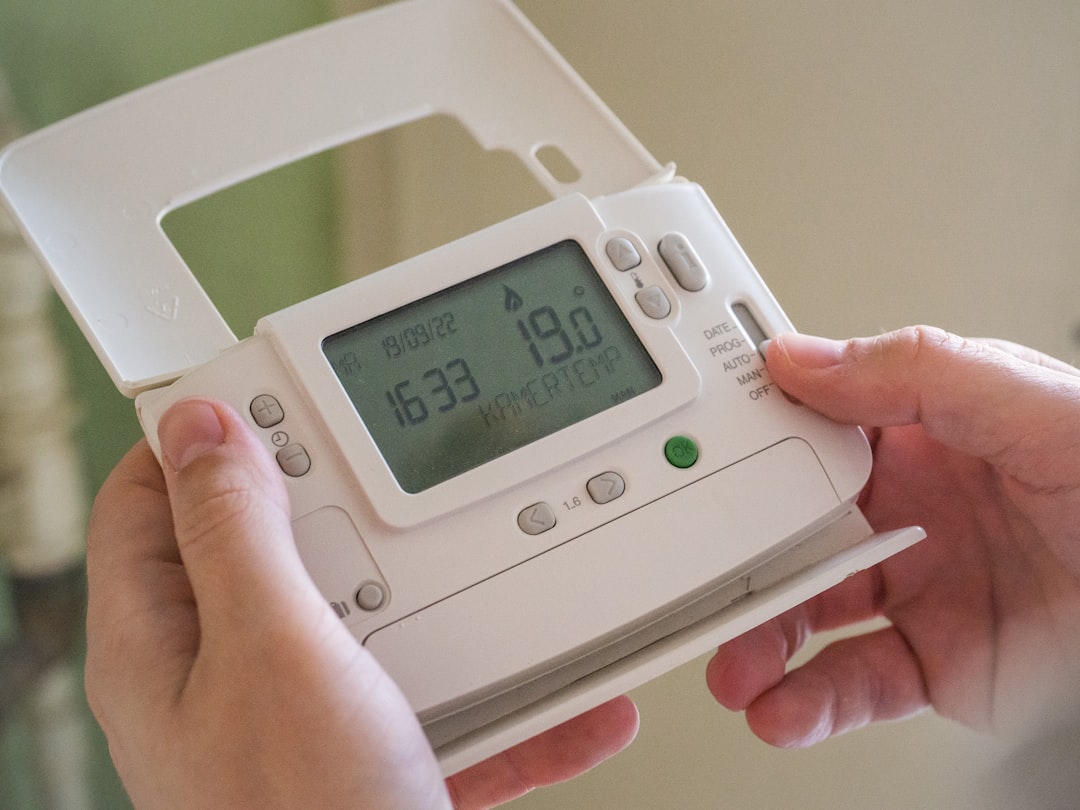
Following arenas’ lead, homes can deploy smart thermostats and IAQ monitors measuring CO2, VOCs, and particulate matter, enabling dynamic adjustments for peak air quality and energy savings. For home smart system integration, see Family Plans Reimagined.
8.2 Portable Air Cleaners and UV Solutions
In addition to central HVAC upgrades, stand-alone air purifiers with HEPA and activated carbon filtration or UV germicidal lamps can enhance critical spaces like bedrooms and home offices. Arena practices reinforce these layered defenses. Our article on proper ventilation covers purifier selection basics.
8.3 Maintenance and Professional Service
Regular HVAC maintenance is vital to ensure filtration efficiency and prevent mold. Just as arenas schedule routine care, homeowners should establish frequent inspections and filter changes, as explained in proper ventilation guidance.
9. Detailed Comparison: NHL Arena vs. Home Indoor Air Quality Systems
| Feature | NHL Arena System | Home System | Key Takeaway |
|---|---|---|---|
| Scale of Air volume | Thousands of cubic meters/hour | Hundreds of cubic meters/hour | Home systems must be scaled but principles of airflow apply |
| Ventilation Approach | Demand-controlled, zoned ventilation | Static or smart-controlled zones | Dynamic ventilation improves air quality and energy use |
| Filtration | Multi-stage (pre-filter, HEPA, activated carbon) | Standard to HEPA filter options | Multi-stage filtration is best for pollutant reduction |
| Humidity Control | Advanced dehumidification integrated with rink cooling | Standalone humidifiers/dehumidifiers | Monitoring and managing humidity improves comfort and mold prevention |
| Air Quality Monitoring | Real-time CO2, particulate sensors | Increasingly available home IAQ monitors | Continuous air quality feedback enables proactive control |
Pro Tip: "Implementing a layered defense approach — combining ventilation, filtration, and humidity control — is the most effective way to achieve healthy indoor air quality at home, inspired by NHL arena best practices."
10. Frequently Asked Questions
How do NHL arenas control humidity without damaging the ice?
NHL arenas use advanced HVAC and dehumidification equipment such as desiccant wheels and chilled water coils integrated with the refrigeration systems to precisely balance humidity, preventing condensation and protecting the ice surface.
Can I use NHL arena air quality methods to improve my home’s air?
Absolutely. Key principles like adequate ventilation, multi-stage filtration, humidity control, and air quality monitoring are scalable to residential environments, resulting in improved health and comfort.
What filters are recommended for home HVAC to mimic arena IAQ?
HEPA filters combined with activated carbon layers provide effective particulate and odor filtration, resembling arena multi-stage systems, but compatibility with home HVAC units needs verification.
How often should I replace HVAC filters like arenas do?
Filter replacement depends on use and air quality but typically every 3 months for HEPA and activated carbon filters; however, high pollution or allergy-prone homes may require more frequent changes.
Are smart IAQ sensors expensive for home use?
Recent advances have made IAQ monitors affordable and accessible; integrating them with smart home HVAC controls offers great ROI through energy savings and healthier air.
Related Reading
- Breathe Easy: The Hidden Benefits of Proper Ventilation in Rental Properties - Learn how proper ventilation impacts health and energy efficiency in homes.
- Family Plans Reimagined: What to Know Before Switching to T-Mobile’s Better Value Plan - Smart home tech integration tips that align with HVAC system improvements.
- Top 5 Money-Saving Tips for Family Mobile Plans - Budget-savvy energy saving principles applicable to home IAQ optimization.
- Maximizing Your Nature Adventures: Travel Deals and Points for Eco Explorers - Insights into sustainable energy usage that inform eco-friendly home HVAC designs.
- AI in Healthcare: What Davos Reveals About Future Innovations - Emerging AI tech parallels in IAQ monitoring and HVAC predictive maintenance.