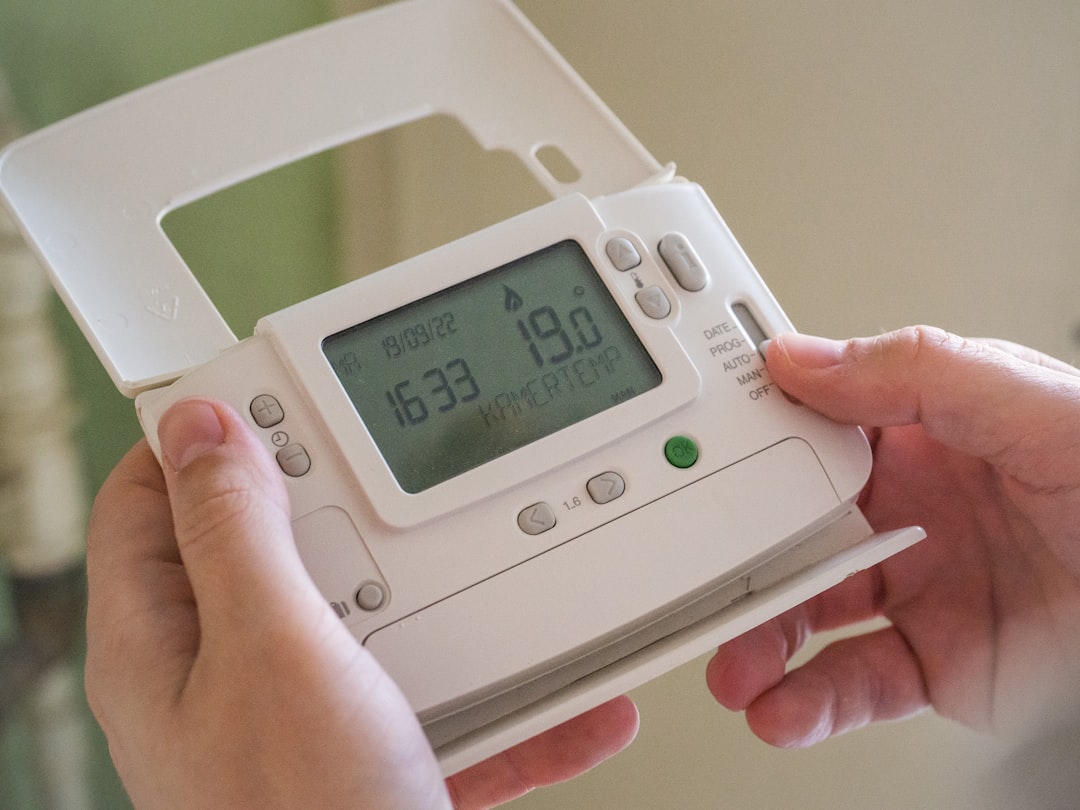
As colder months approach, home heating systems face peak usage, making safety an essential priority for every homeowner. Modern heating technologies come equipped with numerous safety features designed not only to protect your home and family but also to enhance system reliability and energy efficiency. Understanding these features helps you make informed decisions when selecting an HVAC system and ensuring long-term comfort.
Understanding Safety in Modern Heating Systems
Why Safety Features are Critical During High Usage
Heating systems often operate continuously during winter, increasing the risk of malfunctions that might lead to fires, gas leaks, or carbon monoxide exposure. Modern safety components act proactively to detect faults and prevent emergencies. Homeowners should recognize these features as indispensable elements of comfort and peace of mind, especially when reviewing home heating options.
Common Risks Without Proper Safety Measures
Traditional or outdated heating systems may lack sensors or fail-safes, leaving homes vulnerable to hazards such as combustion gas buildup, overheating, and electrical faults. These dangers can cause costly damage and potentially life-threatening situations. This guide highlights how modern safety improvements mitigate these risks effectively.
Linking Safety to Energy Efficiency and Reliability
Safety features often contribute to energy efficiency by ensuring combustion is complete and systems aren't overworking due to malfunction. Reliable safety mechanisms mean fewer breakdowns and maintenance issues, ultimately saving homeowners money and stress.
Primary Safety Features in Gas Furnaces and Boilers
1. Flame Sensors and Rollout Switches
Flame sensors detect whether the burner flame is lit; if it isn’t, the gas supply is shut off. Similarly, rollout switches measure abnormal flame patterns, preventing ignition outside the burn chamber. These features are vital for preventing gas leaks and potential explosions. Detailed coverage on furnace maintenance explains how these components extend system life.
2. High Limit Switches
The high limit switch cuts power to the heating element or burner when temperatures exceed safe levels, avoiding overheating and subsequent fire hazards. This is critical during extended cold spells when systems run nonstop.
3. Vent Safety and Carbon Monoxide Detectors
Modern heating systems ensure proper venting, directing exhaust gases safely outside. Integrated carbon monoxide alarms or standalone detectors should always be used. Carbon monoxide is undetectable by smell and taste but deadly at high levels. For comprehensive guidance, view our carbon monoxide safety guide.
Electric Heating System Safety Features
Overcurrent Protection and Thermal Cutoffs
Electric heating units rely on circuit breakers and fuses to prevent electrical overload. Thermal cutoff switches automatically shut down units if internal temperatures exceed thresholds, a vital safety net against electrical fires. Learn about electric heater safety tips that homeowners often overlook.
Ground Fault Circuit Interrupters (GFCIs)
GFCIs protect users from electric shock by breaking the circuit when electrical faults occur. Especially important in basements or damp areas where many heaters are installed, these reduce risks significantly.
Safe Wiring and Installation Standards
A responsible installer follows local codes and recommends safety upgrades, such as proper grounding and dedicated circuits. Our guide on finding reliable HVAC installers offers tips on vetting professional technicians who prioritize safety.
Heat Pumps: Safety and Reliability Innovations
Refrigerant Leak Detection
Heat pumps use refrigerants which can be hazardous if leaked indoors. Modern systems incorporate sensors to alert homeowners and shutdown operations upon detecting leaks, helping maintain indoor air quality and safety.
Defrost Controls to Prevent Ice Build-Up
Efficient defrost cycles prevent ice accumulation on outdoor units that can strain the compressor and create electrical hazards. Automated defrost controls maintain safety and system efficiency.
Freeze Protection Sensors
These sensors monitor outdoor unit temperatures to prevent system damage and failures from freezing conditions, safeguarding investment during severe winter weather.
Smart Home Integration Enhancing Heating System Safety
Remote Monitoring and Alerts
Smart thermostats and connected HVAC systems allow remote monitoring of system performance and safety alerts. Households can receive notifications on their phones about abnormal operation, potential leaks, or equipment failure before dangerous conditions develop. Check out our article on smart thermostats benefits for safety and energy insights.
Automated Emergency Shutoffs
Integration with home automation allows instant shut off if risk factors are detected — such as high temperature or gas leaks — providing a rapid emergency response even when homeowners are away.
Energy Use Analytics for Preventative Safety
Smart systems analyze energy consumption patterns to detect inefficiencies or malfunctions early, preventing safety issues caused by overworked components.
Installation and Maintenance as Safety Foundations
Importance of Professional Installation
Proper installation ensures safety features operate as designed. An improperly installed unit negates safety benefits and can create hazards. Our comprehensive resource on HVAC installation checklist helps homeowners prepare for installer visits.
Routine Maintenance Checks
Annual inspections by certified HVAC technicians keep safety devices functional and identify wear or damage. Preventative maintenance reduces emergency breakdowns and supports energy-efficient heating year-round. Learn recommended maintenance tasks in our furnace maintenance checklist.
Homeowner Safety Habits
Every homeowner should regularly test carbon monoxide detectors, replace air filters, and clear vents to maintain safe indoor air quality and heating performance. Our complete home heating guide includes practical care tips.
Comparing Essential Safety Features Across Heating System Types
| Safety Feature | Gas Furnaces/Boilers | Electric Heaters | Heat Pumps | Notes |
|---|---|---|---|---|
| Flame Sensor | Yes | No | Partial (Refrigerant Sensors) | Cuts gas if no flame; not applicable to electric |
| High Limit Switch | Yes | Yes | Yes | Prevents overheating |
| Carbon Monoxide Detector | Required | Recommended | Recommended | Critical for gas appliances |
| GFCI | Yes (usually at installation) | Yes | Yes | Protects against electrical shocks |
| Refrigerant Leak Detector | No | No | Yes | Unique to heat pumps and AC units |
Pro Tips for Maximizing Heating System Safety and Efficiency
“Always combine safety feature assessment with energy efficiency priorities during HVAC selection. Features like flameless ignition and smart monitoring improve comfort and reduce costs.” — HVAC Expert
FAQs about Safety Features in Heating Systems
What are the signs my heating system’s safety features are failing?
Unusual odors, pilot light outages, frequent system shutdowns, or alert notifications from smart devices often indicate safety system issues. Immediate professional inspection is recommended.
Is it necessary to upgrade safety features on older heating units?
Yes, retrofitting important safety components or replacing outdated equipment improves reliability and home safety, especially if your system is over 10–15 years old.
How often should carbon monoxide detectors be replaced?
Manufacturers typically recommend replacement every 5–7 years; regular testing every month is essential.
Can smart thermostats prevent heating system hazards?
While not a replacement for core safety features, smart thermostats provide early warnings for malfunctions and unusual patterns that indicate potential safety risks.
What professional certifications ensure qualified HVAC technicians prioritize safety?
Look for technicians certified by organizations such as North American Technician Excellence (NATE) and operators licensed for gas and electrical work.
Conclusion: Prioritizing Safety in Your Heating System Choices
Choosing a modern heating system rich with essential safety features is a critical investment in your home’s well-being. From flame sensors in gas furnaces to refrigerant leak detectors in heat pumps, each component plays a role in protecting your household during high usage periods. Coupled with professional installation, regular maintenance, and smart home technologies, these features form a robust shield against hazards while optimizing energy efficiency and system reliability.
Explore our complete home heating guide and maintenance resources to ensure your heating system keeps your family warm and safe for years to come.
Related Reading
- Carbon Monoxide Safety Guide - Understand how to prevent and detect this silent heating hazard.
- Furnace Maintenance Checklist - A detailed plan to keep your furnace safe and efficient.
- HVAC Installation Checklist - What to expect and request from professional installers.
- Energy Efficiency Tips for Home Heating - Save costs while maintaining safe heating.
- Finding Reliable HVAC Installers - Tips to choose certified and safety-conscious professionals.