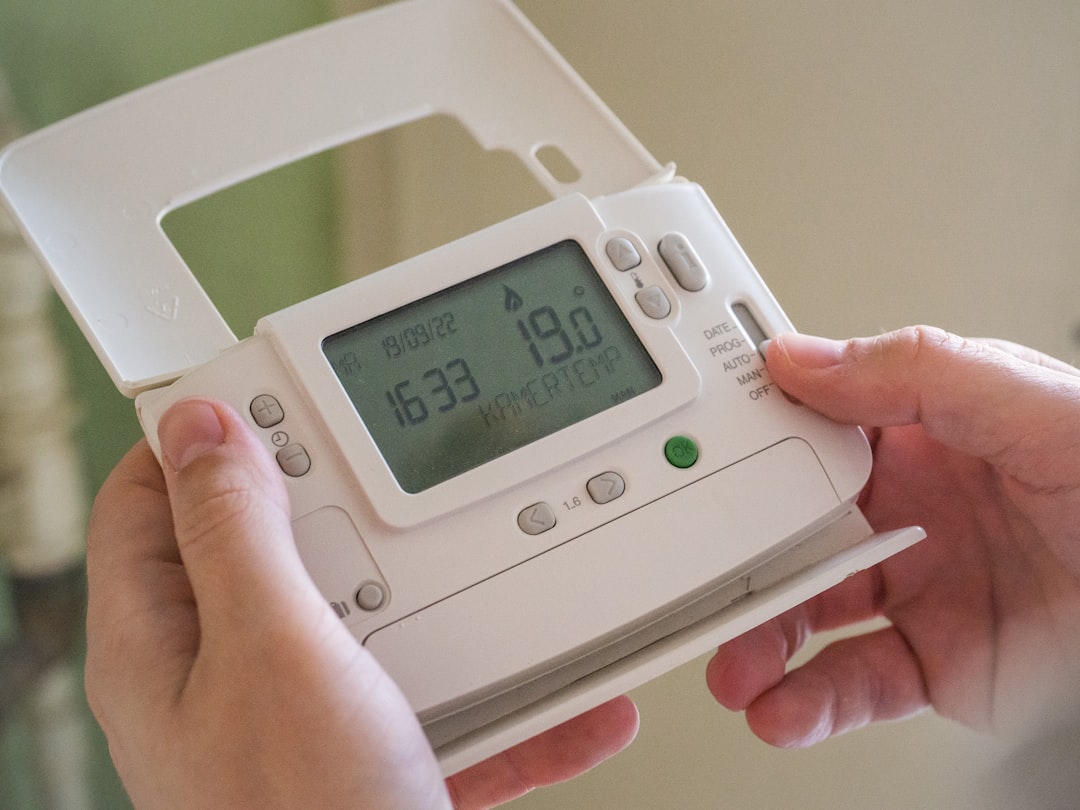
Extreme weather — from polar nights to sudden heatwaves — is rewriting what homeowners expect from their heating systems. This guide explains how common heating systems perform across climates, how to adapt systems for excessive heat or deep cold, and precise, actionable steps to keep your home comfortable and energy-efficient year-round. Throughout, you'll find equipment comparisons, maintenance checklists, smart-tech strategies, backup-power options, and community-level tactics for resilience.
Quick links: solar backup kits • solar-ready bundles • measure your room like a pro.
1. How Extreme Weather Changes the ‘Rules’ for Home Heating
Why standard metrics (AFUE, HSPF, COP) matter less in extremes
Industry efficiency numbers such as AFUE (annual fuel utilization efficiency), HSPF (heat pump seasonal performance factor) and COP (coefficient of performance) are measured under standardized conditions. When temperatures plunge well below test conditions or when the house is subject to persistent high outdoor heat that affects distribution systems, those metrics become starting points rather than guarantees. For homeowners facing extremes, look for real-world performance curves from manufacturers and independent reviews that include cold-weather or heat-stress testing.
Thermal dynamics of extreme cold vs. heat
Cold snaps increase heat load non-linearly — heat loss through walls, windows and roofs accelerates as the temperature gap widens. Conversely, excessive heat (rare in many heating guides) affects systems differently: electric resistance and heat pump condensation components can overwork during transitions, and long-duration heatwaves change ventilation needs and occupant behavior. Mitigation tactics diverge: cold demands insulation and high-capacity heating solutions; heat demands shading, ventilation control, and hybrid strategies to avoid overheating mechanical systems.
Local forecasting and microclimates — plan with data
Extreme events are often local. Use hyperlocal forecasting and edge-driven data sources to predict heating demand spikes and schedule maintenance. For community-level preparedness and localized communications, see how organizations use edge AI for hyperlocal reporting and low-latency data tools like those profiled for creators to shorten response times (edge AI low-latency).
2. Which Heating Systems Stand Up Best in Deep Cold
High-efficiency gas and oil furnaces
Modern condensing furnaces with AFUE ratings above 95% can deliver reliable heat quickly; in very cold regions, larger heat output and robust venting are advantages. But they require fuel availability and regular maintenance. If your area faces fuel delivery interruptions during storms, pair furnaces with backup strategies like a standby generator or a small electric resistive heater for safe temporary warmth.
Hot-water boilers (hydronic systems)
Boilers deliver gentle, consistent heat and can be more comfortable at lower setpoints (radiant floor systems are a strong example). They fare well in deep cold because water carries and stores heat effectively. Maintenance — annual flushing, pressure checks and pump servicing — is transformational for reliability in extremes.
Cold-climate heat pumps (modern cold-climate air-source or ground-source)
New cold-climate air-source heat pumps remain effective below 0°F and can replace fossil systems in many homes, saving fuel costs. But performance degrades as temperatures fall; look at seasonally adjusted HSPF and guaranteed heating capacity at -15°F when sizing. Hybrid systems (heat pump + furnace) can optimize efficiency and reliability during record lows.
3. How Heating Systems React to Excessive Heat and Why It Matters
Why excessive outdoor heat can still stress heating systems
When outdoor temperatures are abnormally high during shoulder seasons or nighttime heatwaves, hydronic expansion and control systems can behave differently, thermostats may misread ambient loads, and forced-air systems that also provide cooling may have friction from outdoor heat gain. Planning includes recalibrating controls and monitoring refrigerant charge (for heat pumps) after heat events.
Heat pumps and high outdoor temperatures
Heat pumps designed primarily for winter can run into operational thresholds during prolonged warm spells if the home switches frequently between heating and passive cooling modes. Optimize setpoints and use zoning to limit unnecessary cycling; if you have a dual-fuel or hybrid system, ensure seamless switching to reduce wear.
Passive cooling tactics to reduce heating strain
Control solar gain with shading and window films, use night ventilation when safe, and leverage thermal mass. Simple measures such as heavy curtains or external shades reduce the load on HVAC systems and prevent systems from entering inefficient partial-load states during heat anomalies.
4. Side-by-Side: Comparing Systems for Climate Adaptation
Use the table below to compare common home heating systems on cold performance, heatwave resilience, efficiency, installation cost, and maintenance needs. This snapshot helps you select a system that matches your climate risk profile.
| System | Cold-Climate Performance | Excessive-Heat Resilience | Typical Efficiency | Installation Cost (typical) |
|---|---|---|---|---|
| High-efficiency Gas Furnace | Excellent (fast output; steady at -20°F) | Good (passive during heat; may need backup power) | AFUE 90–98% | $$ |
| Hot-water Boiler (Hydronic) | Excellent (radiant options reduce perceived temp needs) | Moderate (thermal mass helps but pumps run) | AFUE 85–98% | $$$ |
| Cold-Climate Air-Source Heat Pump | Very Good (modern units operate below 0°F) | Moderate to Good (multi-mode systems handle swings) | HSPF 9–13; COP varies | $$$ |
| Ground-Source Heat Pump | Excellent (stable ground temps) | Good (stable efficiency; does not overheat) d> | COP 3–5 equivalent | $$$$ |
| Electric Resistance (baseboards) | Good (simple, works in any temp) | Poor (inefficient; high cost if used in long storms) | 100% (but costly) | $ - $$ |
Interpreting the table
Costs and efficiency are generalized — local fuel prices, electricity rates, and incentive programs will change economics. If you’re weighing conversion to a heat pump or hybrid system, read equipment field reviews and solar backup strategies to understand lifecycle trade-offs and resilience (solar backup kits, solar-ready bundles).
5. Smart Controls, Sensors, and Low-Cost Monitoring
Zoning and smart thermostats
Zoning allows you to move heat where you need it and reduce wasted energy. Smart thermostats with multi-sensor support can minimize overheating in rooms that gain solar heat. For homes with nonstandard layouts, measure spaces accurately before planning ductwork or zoning; use smartphone 3D scanning tools to measure your room like a pro, which helps installers size systems correctly.
DIY sensing and edge devices
Low-cost DIY devices (Raspberry Pi, microcontrollers) let you track duct and pipe temperatures, outdoor heat gain, and indoor humidity. A well-documented Raspberry Pi approach can collect granular home data for predictive control or technician diagnostics — see a practical build example (Raspberry Pi project).
Integrating weather-aware automation
Modern control setups can ingest hyperlocal weather to reduce preheating or pre-cooling and to protect systems during stress periods. Edge-based tools for low-latency data give faster, localized insights; explore examples of edge AI integrations and community data flows (edge AI low-latency, edge AI for hyperlocal reporting).
Pro Tip: Install multi-point temperature sensors. One thermostat often misses cold spots — 2–4 sensors reduce comfort complaints and cut energy use by up to 10% in variable-load homes.
6. Backup Power, Microgeneration, and Outage Strategies
Solar + battery options for heating resilience
Pairing solar with battery storage can sustain essential loads during outages, and strategic scheduling can prioritize heat pumps or furnace fans. Field-tested compact solar kits provide a realistic sense of what a homeowner can expect for backup power; review field tests to set expectations (compact solar backup kits), and compare system bundles to see which combination of panels and power stations fits your needs (solar-ready bundles vs. power stations).
Small-space strategies and micro-cooking during outages
When heating systems are offline, batch-cooking and efficient meal prep reduce the need to heat both food and home. Compact batch-cooking kits and micro-kitchen workflows help keep the household fed without excessive stove use (home batch-cooking kits, micro-living kitchen efficiency).
Temporary warmth solutions and safety
Keep safe temporary options on hand: grain-filled microwavable warmers and insulated hot-water bottles are effective short-term measures, but know safety limits. For safe personal warmth items, see tested product guides (DIY microwavable warmers, fleece hot-water bottle covers).
7. Maintenance & Pre-Season Work: Concrete Steps to Prevent Failure
Winter prep checklist
Inspect flues, test ignition and safety switches, change filters, and lubricate moving parts. For hydronic systems, flush and check antifreeze where used. Schedule a pro tune-up before the heating season. If you run yard equipment seasonally, handle landscaping maintenance before storms — timing can be found in seasonal deals and maintenance cycles (see a sample consumer sale timing for tools: robot mower offers).
Summer/shoulder-season checklist
Check refrigerant levels and outdoor unit condition for heat pumps; inspect insulation and air sealing for the house envelope; and test backup power systems. During prolonged warm periods, verify control logic to avoid unnecessary heat calls.
Emergency kit and documentation
Keep an emergency folder with system manuals, serial numbers, recent service records, and installer contacts. Store a prioritized-load plan for battery backup and a basic toolkit for safe temporary fixes. Consider adding items from compact travel and emergency gear lists to make family evacuation and sheltering smoother (compact travel gear checklist).
8. Community & Neighborhood Actions to Share Risk
Community warming/cooling centers and pop-up services
When extremes overwhelm individual homes, neighborhood centers help. Learn from community organizers who run pop-ups and events; strategies for rapid, safe public warming/cooling centers often parallel the tactics used in micro-events and hybrid pop-ups (hybrid pop-ups playbook), and effective volunteer retention is essential for staffing (volunteer retention strategies).
Local outreach and micro-festival infrastructure
Use neighborhood nights and micro-festival principles to plan community heating shelters and shared resources; small-scale cultural organizers can offer logistics expertise for warming hubs (neighborhood nights playbook).
Policy, incentives and business procurement
Regional incentive programs, bulk procurement and seasonal purchasing guides can reduce costs for community solar or heat pump rollouts. Businesses and community groups looking to scale energy purchases should consult seasonal procurement frameworks (seasonal procurement guide).
9. Buying & Retrofit Decision Framework for High-Risk Homes
Assessing your home’s vulnerability
Start with envelope checks: air leakage testing, insulation levels and window performance. Use measured room scans and airflow mapping to prioritize upgrades — smartphone 3D scanning helps with accurate room volumes and layout planning (measure your room like a pro).
When to invest in a hybrid system
Hybrid systems (heat pump + backup furnace) combine winter resilience with summer efficiency. Consider hybridization when your utility rate structure favors electric operation but your climate has deep cold spells. Incentives and warranty coverage vary by region; factor local installer expertise into the decision.
Small-scale resiliency investments that punch above their cost
Door sweeps, attic insulation, programmable thermostatic radiator valves (TRVs), and a modest battery + inverter can dramatically extend comfort during outages. For homeowners with mixed priorities (food storage, cooking, heating), the economics of small solar + battery bundles can be compared in compact product roundups (solar-ready bundles vs single power stations).
10. Putting It All Together: A Practical 30-Day Action Plan
Days 1–7: Assess & prioritize
Walk your home with a checklist: insulation, draft points, thermostat placement, and venting. Document appliance model numbers and take photos for service calls. If you cook and store food at home heavily, consider batch-cooking strategies to reduce emergency stove use (batch-cooking kits).
Days 8–21: Implement low-cost, high-impact fixes
Seal leaks, upgrade filters, install multi-point sensors and adjust zoning. Buy or test emergency heat sources like microwavable warmers and hot-water bottle covers for short-term use (microwavable warmers, hot-water bottle covers).
Days 22–30: Professional tune-up and community coordination
Schedule seasonal HVAC service, check backup power, and coordinate neighborhood preparedness. If you're planning longer-term retrofits, start contractor outreach with clear measurements and data-backed performance expectations (use room scans and DIY sensor logs to inform bids).
Frequently Asked Questions
Q1: Can a heat pump handle extremely cold winters?
A1: Modern cold-climate air-source heat pumps can operate effectively below freezing, but capacity declines at extreme lows. Hybrid systems that include a gas furnace or electric backup can provide full protection during the coldest days. Check manufacturer capacity charts for low-temperature ratings.
Q2: Should I get solar to power my heating?
A2: Solar paired with batteries increases resilience during grid outages and can lower operating costs for electric heating. Review field-tested compact solar kit reviews and compare bundle economics (solar-ready bundle comparisons).
Q3: What’s the cheapest way to stay safe during a short outage?
A3: Insulation, hot-water bottles, microwavable warmers, and layered clothing are immediate, low-cost steps. Keep a charged battery-powered radio, a few LED lights, and stock a limited supply of nonperishable food; batch-cooking in advance reduces heating loads during outages (batch-cooking kits).
Q4: How often should I service my heating system before extreme seasons?
A4: At minimum, schedule an annual professional service before the main heating season. For heat pumps, add a mid-season check after heavy-use heatwaves or cold snaps to verify refrigerant and compressor health.
Q5: How can neighbors coordinate for resilience?
A5: Organize skill-sharing and resource maps, identify homes with standby generators or large thermal storage, and plan pop-up warming/cooling centers. Lessons from community pop-ups and volunteer retention programs help make these efforts durable (hybrid pop-ups playbook, volunteer retention).
Conclusion: Choosing Comfort with Climate Risk in Mind
Selecting the right heating solutions is a balance of climate, energy costs, reliability, and household tolerance for risk. Whether upgrading to a cold-climate heat pump, retrofitting insulation, adding a battery-backed solar bundle, or organizing neighborhood resilience plans, an evidence-driven approach reduces surprises. For product-level comparisons and consumer-side checklists, use real-world reviews and bundle comparisons to inform investment decisions — and remember the small, low-cost steps (sealing, sensing, batch-cooking) that dramatically increase resilience at minimal expense.
For practical gear suggestions and lifestyle adaptations that pair with heating preparedness, check tested compact solar kits (solar backup kits), micro-living kitchen workflows (micro-living playbook), and compact travel or emergency gear tips (travel gear checklist).
Related Reading
- Review: Top Continuous Glucose Monitors for 2026 - Not heating related, but a thorough product-review template useful when comparing HVAC systems.
- Guide: Choosing the Best Rice for Every Dish - Practical food-prep advice for batch-cooking during outages.
- Bangladesh Economic Outlook 2026 - Example of regional climate and infrastructure pressures that influence energy policy.
- Review: ApexGrip Evolution Glove - Consumer-review methodology that can guide equipment selection.
- Compact Studio Kits for Creators - Workflow planning and compact-bundle thinking that parallels solar + battery selection.