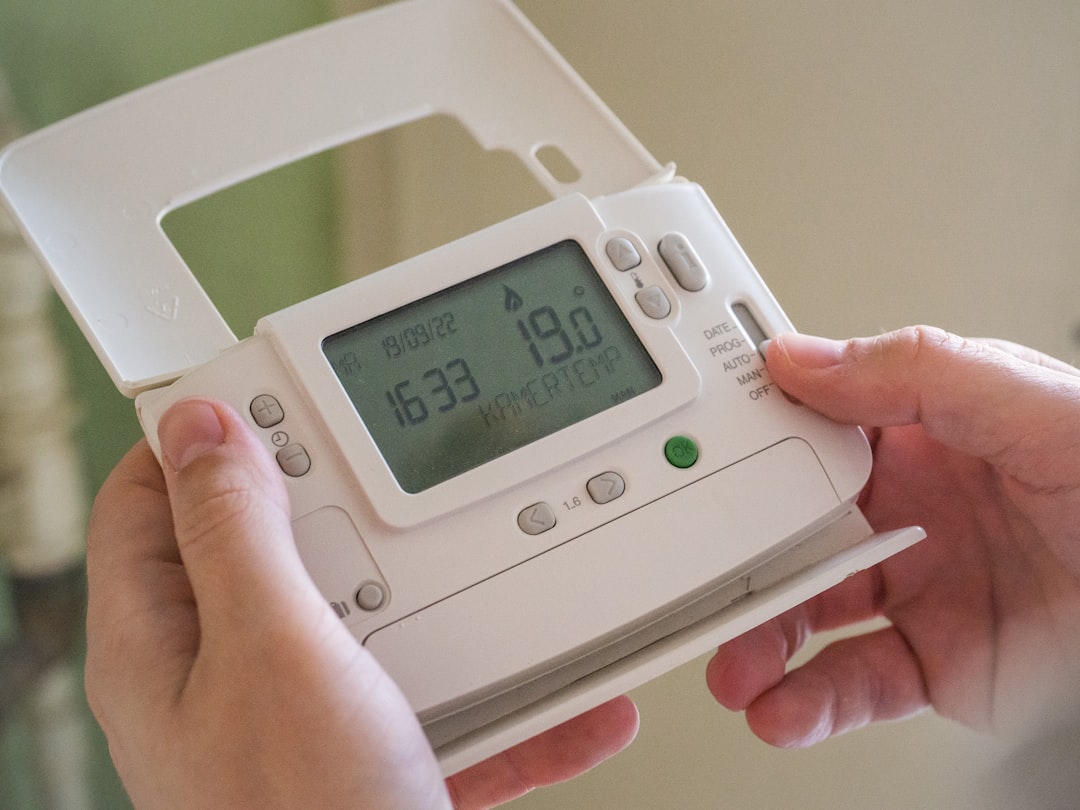
Seasonal transitions challenge every home’s HVAC system. Preparing your heating, ventilation, and cooling equipment for winter cold and spring warmth reduces energy bills, prevents breakdowns, and keeps indoor comfort consistent. This definitive guide walks homeowners through practical, data-backed steps — from DIY tasks to when to call a pro — so your system performs efficiently year-round.
Along the way we reference operational lessons from industries that manage seasonal demand, parts logistics, and energy efficiency. For example, learn how supply chain insights can inform replacement-part planning in our piece on navigating supply chain challenges.
1. Why seasonal HVAC prep matters
Lower bills and improved comfort
HVAC systems that are tuned for the season run closer to their rated efficiency. A poorly maintained furnace or an air conditioner with dirty coils can reduce system efficiency by 10–30% — sharply increasing costs. Proactive seasonal maintenance can recover much of that lost efficiency and improve comfort by stabilizing temperatures and humidity.
Reduced risk of emergency repairs
Most homeowners experience HVAC failures at peak demand: the coldest night in winter or the first heat wave in spring. Planning ahead and scheduling inspections reduce the chance of emergency service calls. Businesses that manage seasonal peaks, such as warehouses, show how automation and planning reduce downtime — a concept you can apply at home; see how warehouse automation reduces seasonal disruptions.
Longevity and resale value
Routine seasonal care extends equipment life and preserves home value. If you’re evaluating a future sale or refinance, functioning HVAC systems are major selling points. Learn how investing wisely in home systems can affect long-term property outcomes in our guide on investing wisely.
2. A seasonal HVAC checklist overview
What to inspect before winter
Before the first freeze, walk through a checklist: change filters, test the thermostat, inspect vents and dampers, check for drafts, and run a furnace test. This front-loaded effort prevents most winter problems. For households that track equipment performance with smart devices, pairing data with routine checks yields the best results — similar to how smart training tools track workouts; compare ideas in innovative training tools.
What to inspect before spring
After winter, flush and inspect condensate lines, clean AC coils, and switch to cooling mode with a full performance review. Spring readiness also includes scheduling an HVAC service call to catch issues before the first high-load days. If you travel often, consider web-enabled remote controls and travel-router reliability — we explored related connectivity tips in ditching phone hotspots.
Seasonal parts & consumables
Stocking the small parts (filters, batteries, furnace fuses) saves service call delays. There are lessons from supply chains: secure commonly used parts ahead of busy seasons to avoid shortages, as discussed in supply chain case studies.
3. Preparing your system for winter
Heating system inspection (furnace & boiler)
Start with a visual inspection: look for rust, soot, or water stains. Check the pilot (if present), ignition system, and heat exchanger. An annual professional combustion analysis validates safe operation — carbon monoxide is a silent risk if combustion systems are compromised. For DIYers, the manufacturer manual and basic safety checks are valuable; cross-check steps with home-prep guides such as our home inspiration planning reads.
Filters, airflow, and ductwork
Replace or clean filters monthly during high-use seasons; a clogged filter increases energy use and stresses the blower. Inspect supply and return vents to ensure they’re open and unobstructed. If your ducts are older or poorly insulated, add insulation or sealing; even eco-friendly tape options can be effective for small repairs — see techniques in eco-friendly tape.
Sealing the building envelope
Winter efficiency starts at the building envelope: seal gaps around windows, doors, and penetrations for pipes and vents. Consider attic insulation top-ups and weatherstripping. For compact spaces and garden/room planning tips that influence insulation opportunities, see space optimization ideas.
4. Winter operation best practices
Thermostat strategy
Use setback schedules carefully: modern heat pumps and high-efficiency furnaces often recover efficiently, but large setbacks in poorly insulated homes can be costly. Program thermostats to avoid wide swings and to reduce runtime during unoccupied hours. Smart thermostats paired with usage data optimize comfort and cost, similar to how creators refine their voice using analytics — read about crafting a unique voice in finding your unique voice.
Humidity control
Low winter humidity causes discomfort and increases heating needs. Adding a humidifier or using portable units can improve perceived warmth and protect woodwork. Balance humidity with ventilation to prevent condensation and mold growth; ventilation plans should align with indoor air quality goals.
Emergency readiness
Prepare for power outages: know manual reset procedures for your thermostat and furnace. Keep backup heat sources and ensure smoke and CO alarms are current. The logistics lessons from businesses show that contingency planning reduces outage impact — explore parallels in payroll tool planning.
5. Transitioning to spring: AC and heat-pump prep
Spring cleaning for AC coils and condensate lines
Clean outdoor units, clear debris, and inspect fins for damage. Flush condensate lines and ensure the drip pan drains. Dirty coils reduce efficiency and shorten equipment life; consider professional coil cleaning for a thorough job.
Heat pump checks
Heat pumps need seasonal verification: check defrost cycles, reversing valves, refrigerant charge, and reversing operations. If your heat pump was also your winter system, ensure the reversing valve shifts cleanly to cooling mode and that electrical connections remained tight over winter.
AC startup and performance testing
Run a full cooling cycle and measure supply/return temperatures. Look for unusual noise or cycling. Early-season checks catch refrigerant leaks or failing capacitors before the hottest days arrive; manufacturers sometimes note equipment trends similar to other industries — for tech infrastructure parallels, see managed platform integrations.
6. Energy-efficiency upgrades and ROI
Which upgrades deliver the best payback?
Common high-ROI upgrades include high-efficiency furnaces (AFUE 95%+), heat pumps (high HSPF/SEER ratings), improved insulation, and smart thermostats. The exact payback depends on local energy prices, climate, and usage patterns. Washing machines and household appliance trends highlight how newer equipment can dramatically reduce consumption — read the appliance efficiency analysis in energy-efficient washers.
Zoning and controls
Zoning cuts costs by heating and cooling occupied areas only. Zoning adds upfront cost but yields savings in larger or multi-story homes. Smart zoning combined with occupancy sensors and programmable thermostats creates precise comfort with less waste.
Incentives, rebates, and financing
Look for local rebates for heat pumps and insulation. Utility programs and federal credits can substantially lower net costs. Treat incentives like other consumer rewards programs: understanding terms and stacking opportunities increases value — see consumer reward insights in modern reward programs.
Pro Tip: Replacing a 15-year-old furnace with a modern 95% AFUE unit often reduces fuel use by 15–25% depending on climate; pair with duct sealing for maximum impact.
7. What homeowners can (and shouldn’t) do
DIY tasks with big impact
Homeowners should regularly change filters, clear outdoor units of debris, vacuum supply vents, and test thermostats. Simple sealing with high-quality materials and tightening visible electrical connections (with power off) are safe, valuable tasks. Eco-friendly tapes and sealants are effective for small duct repairs — see product ideas at eco-friendly tape options.
Tasks to leave to pros
Any combustion-related work, refrigerant handling, major electrical repairs, and complex diagnostics require licensed technicians. Professionals also perform safety checks (CO testing) and warranty-preserving service that DIY work can’t replace.
Choosing long-term maintenance plans
Consider annual maintenance contracts to schedule seasonal tune-ups and receive priority service. Contracts often include filter delivery and diagnostic visits, which make year-round care easier. Learn how recurring plans help other sectors maintain continuity in operational continuity.
8. Troubleshooting common seasonal problems
Furnace short-cycling
Short-cycling (frequent on/off) indicates airflow restriction, oversized equipment, or thermostat issues. Check filters and vents first; if fixes don’t resolve it, call a technician to evaluate controls and safety sensors.
Frozen heat pump outdoor unit
Heat pumps can frost in cold, humid conditions. Defrost cycles should manage this automatically; persistent frost signals drainage, refrigerant, or control problems. Inspect the area and schedule service if defrost cycles are inadequate.
AC not cooling after winter
Common causes include refrigerant loss, capacitor failure, or blocked coils. Early-season poor performance often stems from outdoor debris accumulation; thorough cleaning and electrical checks usually restore functionality. For professionals managing seasonal device readiness, see strategies in seasonal operations.
9. Choosing upgrades: comparison and decision guide
Which system fits your climate and house?
Choice depends on climate, existing ductwork, and budget. In cold climates, high-efficiency gas furnaces or cold-climate heat pumps make sense. In moderate climates, air-source heat pumps often provide the best all-season efficiency. For mobility and electrification perspectives, consider innovations and what they borrow from EV and micromobility trends in pieces like electric mobility insights.
Detailed comparison table (cost, efficiency, lifespan, best use)
| System | Typical Install Cost | Efficiency Metric | Best Climates | Maintenance Notes |
|---|---|---|---|---|
| Gas Furnace | $3,000–$7,000 | AFUE 80–98% | Cold to mixed | Annual combustion & CO checks |
| Boiler (Hydronic) | $4,000–$8,500 | AFUE 80–95% (condensing higher) | Cold, radiant heat preference | Annual flushing & pressure checks |
| Air-Source Heat Pump | $4,000–$10,000 | HSPF/SEER: 8–13 / 14–22 | Moderate to cold (cold-climate models available) | Defrost cycles, refrigerant checks |
| Ductless Mini-Split | $3,500–$12,000 | SEER 18–30 | All climates; retrofit without ducts | Indoor unit cleaning, line set inspection |
| Hybrid (Dual-Fuel) | $6,000–$12,000 | Optimizes AFUE/HSPF seasonally | Mixed climates | Complex controls; professional tune-ups advised |
How to compare quotes
Ask for detailed line-item quotes: equipment model, efficiency ratings, warranty, scope of work, and expected runtime performance. Compare life-cycle costs, not just install price. Use supplier reliability and local availability insights; supply chain lessons are relevant — read our thinking in supply chain lessons.
10. Finding and vetting local installers
What to ask contractors
Request references, proof of licensing and insurance, and a detailed proposal. Ask about load calculations (Manual J), duct design (Manual D), and whether the quote includes commissioning and post-install checks. Contractors who use smart scheduling and parts management often avoid delays; learn how service industries integrate tech in managed platform articles.
Red flags
Beware low-ball estimates, high-pressure sales, vague model numbers, or contractors unwilling to perform Manual J sizing. Ensure warranties are documented in writing, and keep service records for resale value.
Warranty and maintenance agreements
Confirm manufacturer and installer warranties. Maintenance agreements that include seasonal tune-ups prevent small issues from becoming failures. For long-term home system planning that ties into lifestyle, consider broader home improvement perspectives such as those in inspection guides.
11. Case studies and seasonal timelines
Case study: Cold-climate heat pump retrofit
A 1950s home in a northern climate replaced a 20-year-old furnace with a cold-climate heat pump plus backup electric heat. Outcome: 20% reduction in annual heating costs, quieter operation, and improved humidity control. The owner scheduled winter and spring tune-ups and reported fewer mid-season service calls, similar to how creative teams iterate on seasonal projects — see creative process parallels in competitive performance analysis.
Case study: AC failure avoided through spring prep
A homeowner who cleaned the outdoor unit and replaced filters in early spring avoided a compressor failure that other neighbors experienced during the first heatwave. Early inspection saved thousands in emergency replacement costs; it mirrors preventive approaches in operations and product readiness like those discussed in connectivity prep.
Seasonal timeline (what to do and when)
September–October: Fall furnace check, seal leaks, order filters. November–December: Test system and CO alarms. February–March: Heat pump defrost checks, plan spring AC service. April–May: Clean coils, inspect refrigerant, set cooling schedules. Maintain records after each service for warranty and resale.
12. FAQs and final tips
How often should I change HVAC filters in winter?
Change disposable filters every 1–3 months depending on MERV rating, household pets, and usage. In high-use winter months, monthly changes keep airflow optimal and protect the blower motor.
Can I switch to a heat pump in a cold climate?
Yes — modern cold-climate heat pumps work efficiently in lower temperatures. Evaluate models with cold-climate ratings and consider backup heat for extreme conditions. Compare lifecycle costs and incentives for the best outcome.
What maintenance tasks should I do before leaving for an extended trip?
Set the thermostat to an energy-saving but safe mode, change filters, ensure HVAC access areas are clear, and ask a neighbor to monitor the home. For longer absences, consider a remote monitoring thermostat and a scheduled pre-return system check.
How much can sealing ducts save me?
Sealing and insulating ducts can reduce heating and cooling losses by 10–30%, depending on existing leakage levels and the portion of ducts in unconditioned spaces. Combine sealing with insulation and balanced airflow for best results.
When is it time to replace instead of repair?
Consider replacement when the system is older than 10–15 years, repair costs exceed 50% of replacement cost, or efficiency is substantially lower than modern units. Factor in incentives and expected fuel price trends when deciding.
Key final tips
Plan seasonal maintenance on your calendar, keep records, and use smart controls to smooth runtime. Small investments in sealing, filters, and tune-ups deliver outsized savings and comfort. For inspiration on designing living spaces around seasonal comfort, see creative home ideas in artist-inspired home guides.
Where to learn more
Explore technologies and lifestyle tie-ins that influence HVAC decisions. For example, trends in electric vehicles and personal mobility shape home electrification debates; see our piece on EV influence on mobility for cross-sector thinking. For broader system readiness and operations lessons, read about operational automation and platform integration.
Seasonal HVAC preparation is a mix of routine checks, timely professional service, and smart investments. Use this guide as your blueprint to keep your system efficient, safe, and reliable through winter freezes and spring heat.