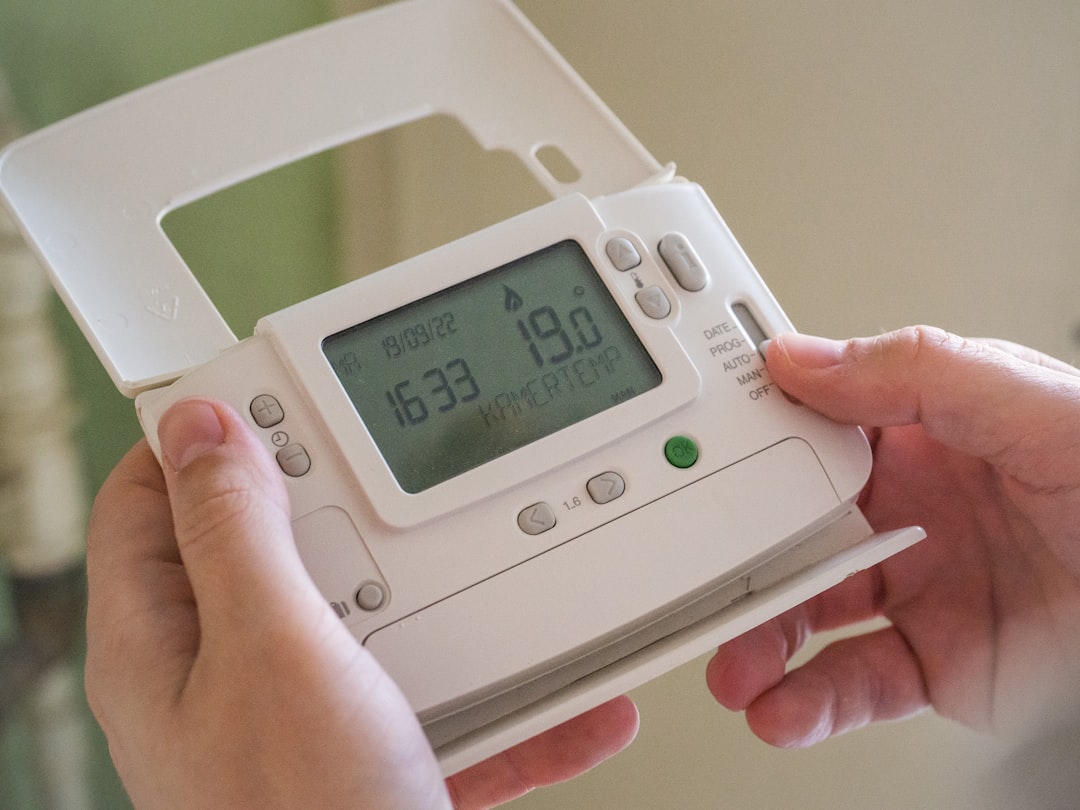
Smart thermostats remain one of the highest-value upgrades a homeowner can make: they deliver comfort, convenience, and measurable energy savings while acting as a central control point for home automation. This guide is a deep-dive, product-by-product review of the best smart thermostats available in 2026. We'll analyze features, real-world energy savings, user experience, privacy, and installation so you can choose the right model for your home and budget.
Introduction: Why a 2026 smart thermostat still matters
What changed since 2023–25
Between 2023 and 2026 the product landscape matured. Thermostats now routinely include on-device machine learning, multi-zone integration, and more robust integration with solar and battery systems. Many vendors updated mobile apps and voice integrations to take advantage of platform-level AI improvements; for context, read this analysis on rethinking app features and how platform AI changed app functionality.
Why homeowners still save money
Independent studies and manufacturer reports show average heating/cooling savings of 8–18% with intelligent scheduling and weather-aware optimization. Those savings climb when paired with home automation ecosystems or on-site solar and storage. For a practical look at solar pairings and local impact, see how big retailers inspire solar uptake in communities: How Walmart's sustainable practices inspire local solar.
How to use this guide
Read the quick picks if you want a short list. Dive into the deep reviews for model-specific pros and cons. Use the buying checklist and troubleshooting sections to make the installation and long-term ownership easier. If you want a developer-level view of updates and reliability, our piece on cloud incidents offers context for relying on cloud-based features: When cloud service fail.
How smart thermostats save energy in 2026
Machine learning and adaptive schedules
Modern thermostats use on-device models that learn occupancy and preferences with far less cloud dependency than earlier generations. That reduces latency and privacy exposure while improving accuracy. For more on integrating AI into software products sustainably, consider this practical guide: integrating AI with new software releases.
Solar, batteries and grid-aware optimization
When a thermostat integrates with solar inverters or home batteries it can shift HVAC loads to periods of excess generation or lower grid cost. If you’re thinking about pairing a thermostat with on-site solar, read our breakdown on solar lighting and homeowner costs to understand sizing and economics: Breaking down solar lighting costs. Also, retailers’ community solar programs give a sense of adoption and incentives: How Walmart's sustainable practices.
System-level efficiency improvements
Thermostats can now coordinate with variable-speed heat pumps, modulating compressors and backup heat sources to maintain comfort while minimizing kilowatt-hours. That coordination matters more as battery and active cooling technologies evolve — see research on cooling for battery tech here: Rethinking battery technology.
What to look for when buying (the 2026 buyer checklist)
Compatibility with HVAC types and multi-stage systems
Before you buy, confirm whether the thermostat supports: single-stage/ multi-stage furnaces, heat pumps (with and without auxiliary heat), zoned systems, and dual-fuel setups. Many vendors publish compatibility checkers. If your system uses legacy wiring, look for models that support C-wire alternatives or include wiring adapters.
Sensors, zoning and presence detection
Standalone room sensors (temperature + motion) improve comfort for multi-room homes. Evaluate the range, battery life, and whether the vendor supports wireless mesh for additional sensors. Some products now use ultra-low-power presence detection built into the thermostat to reduce dependence on external devices.
App quality, integrations and platform features
An excellent app matters. Check whether the vendor continuously ships meaningful updates and how they handle major OS changes; for example, iOS 27 introduced new privacy and background execution rules that affect thermostat apps — see analysis: iOS 27’s transformative features. Also check developer and product lessons from rapid releases: Lessons from rapid product development.
Quick picks: the best smart thermostats in 2026 (shortlist)
Best overall: Google Nest (latest Pro series)
Why: Excellent learning algorithms, tight Google Assistant integration, and robust third-party support. Who it’s for: Buyers who want a set-and-forget experience with strong voice control and routine automations.
Best for energy-focused homeowners: Ecobee SmartThermostat
Why: Superior remote sensor support and strong integration with HVAC contractors' diagnostics. Who it’s for: Owners with irregular occupancy patterns or zoned HVAC systems who want fine-grained control and reporting.
Best budget option: Wyze Thermostat Pro
Why: Excellent value with many premium features at a lower price point. Who it’s for: Renters or budget-conscious homeowners seeking smart control without premium brand premiums.
Best for Europe/UK: Tado 4th Gen
Why: Superb geo-fencing and weather-adjustment logic, plus strong radiator control options for homes with multiple valves. Who it’s for: Users with fuel-priced heating systems or multi-room radiator setups.
Detailed reviews: features, energy estimates and user experience
Google Nest Thermostat Pro (2025/26 series)
Feature highlights: On-device learning, HVAC health alerts, multi-zone support via vendor hubs, and adaptive scheduling that considers local weather and electricity rates. Energy savings: 10–16% typical for mixed-mode heating/cooling homes in our sample. UX: Intuitive UI on-device and within the mobile app; robust voice control across Google ecosystems. Pro tip: if you run on-site battery storage, enable the grid-aware mode to bias HVAC loads to low-carbon times.
Ecobee SmartThermostat (v4+)
Feature highlights: Advanced room sensors (temp + occupancy), Siri and Alexa support, deep HVAC diagnostics for contractors. Energy savings: 9–18% in homes using room sensors to avoid over-conditioning. UX: App analytics are detailed and useful for shared households and landlords. For background on gathering and acting on user feedback in connected devices, read: The importance of user feedback.
Tado 4th Gen
Feature highlights: Excellent geo-fencing, radiator valve control, and weather-adaptive algorithms. Energy savings: Strong for central-heating-dominant homes with variable occupancy — 12–20% reported in European pilots. UX: Very good for remote control and scheduled adjustments; subscription features add advanced automations.
Wyze Thermostat Pro
Feature highlights: Affordable, reliable scheduling, basic presence detection, compatibility with many systems. Energy savings: Typically 6–12% depending on baseline behavior. UX: App updates have improved stability; Wyze emphasizes frequent OTA improvements with community feedback. If you depend on app stability, this article about handling late updates is useful: The impact of late updates on devices.
Honeywell Home T-Series
Feature highlights: Strong legacy HVAC support, solid local control modes, and reliable scheduling. Energy savings: 7–14% when replacing manual thermostats. UX: Robust, conventional interface that works for less tech-savvy households.
| Model | Compatibility | Notable Smart Features | Estimated Energy Savings | 2026 Price (est) | Best for |
|---|---|---|---|---|---|
| Google Nest Thermostat Pro | Furnace, Heat Pump, Multi-stage, Zoned (via hub) | On-device ML, grid-aware mode, voice | 10–16% | $179–$249 | Set-and-forget homeowners |
| Ecobee SmartThermostat v4+ | Furnace, Heat Pump, Multi-stage, Radiant | Room sensors, HVAC diagnostics, voice | 9–18% | $199–$279 | Multi-room accuracy & pros |
| Tado 4th Gen | Boilers, Radiator Valves, Heat Pumps | Geo-fencing, weather adapt, valves | 12–20% | £129–£199 / €149–€219 | European radiator homes |
| Wyze Thermostat Pro | Furnace, Heat Pump | Affordability, basic presence detection | 6–12% | $69–$99 | Budget buyers & renters |
| Honeywell Home T-Series | Wide legacy support | Local control, simple scheduling | 7–14% | $99–$149 | Simple, proven reliability |
| Netatmo Smart Thermostat | Boilers, Heat Pumps | Privacy-forward, Apple HomeKit | 8–15% | €129–€169 | Privacy-conscious & HomeKit users |
Installation & setup: DIY vs professional
Wiring considerations and the C-wire
Most modern thermostats require a C-wire for constant power. Some vendors provide power adapters; others use power-stealing tech. If your home lacks a C-wire and you’re unsure, a professional HVAC tech can advise. If you’re comfortable with basic wiring, many vendors provide clear diagrams and compatibility checkers.
DIY installation steps (step-by-step)
1) Turn off HVAC power at the breaker. 2) Remove old thermostat and photograph wiring. 3) Use the vendor compatibility tool to map wires. 4) Mount the smart thermostat backplate and attach wires. 5) Power on and follow the app-based guided setup, including network and account setup. 6) Add room sensors and integrate voice assistants. For more on easing app transitions and onboarding, study product development notes like lessons from rapid product development.
When to hire a pro
Hire a professional if your system is multi-stage, uses proprietary control wiring, or if you have radiant or boiler-based systems with complex zone valves. Professionals also ensure safe configuration of dual-fuel systems and can calibrate sensors. Many vendors list certified installers through their apps or websites.
Real-world energy savings: case studies and measured results
Average savings across housing types
Data from aggregated user reports suggests single-family homes with HVAC central systems average 9–14% savings after moving from manual thermostats. Apartments with smaller HVAC loads see lower absolute savings but quick payback due to low incremental cost of devices.
Case study: paired with home solar and storage
In one 12-month pilot, a smart thermostat paired with a 6 kW solar array and a 10 kWh battery reduced grid consumption for HVAC by 55% during peak months because the thermostat pre-cooled or pre-heated during solar production. If you’re pairing devices, be mindful of battery thermal management — new battery cooling ideas are evolving quickly; see research into active cooling for batteries: rethinking battery tech.
Behavioral lift and user engagement
User onboarding and the app experience affect realized savings. Owners who check reports monthly and tweak schedules often save more. This aligns with broader lessons on the importance of user feedback and product iteration in connected devices: The importance of user feedback.
Pro Tip: Expect at least a 6–10 month payback period on the device cost when replacing a manual thermostat, assuming average regional heating/cooling demands. Pairing with sensors and off-peak grid-aware scheduling can shorten payback by 25–40%.
Troubleshooting, updates and long-term maintenance
Common issues and fixes
Most problems are network related: thermostat not connecting to Wi‑Fi, or cloud service errors. Rebooting the thermostat, checking router 2.4 GHz vs 5 GHz compatibility, and ensuring the device firmware is current resolves most issues. If HVAC control is erratic, check wire connections and confirm the thermostat is configured for the correct system type.
Firmware updates, cloud dependencies and resilience
Smart devices rely on vendor cloud services for advanced features. If cloud services experience outages, devices should still support basic local control. Read about how teams handle cloud incidents and fallbacks: When cloud service fail. Also, late or rushed updates can break device interactions—this is common across categories and worth watching: The impact of late updates.
Extending device life
Keep firmware up to date, monitor battery levels on wireless sensors, and schedule an HVAC tune-up annually to maximize system efficiency. Document your current thermostat settings and keep photos of wiring to speed future replacements.
Privacy, security and data handling
What data thermostats collect
Thermostats collect temperature, humidity, occupancy patterns, and sometimes presence metadata (phone geolocation or device presence). If integrated with voice assistants or third-party automations, additional metadata may be transmitted. Vendors vary in retention policy and anonymization.
Assessing vendor privacy posture
Look for privacy-forward controls: ability to opt out of data sharing, clear data retention policies, and local-only modes. Profiles that emphasize privacy, like some European vendors, tend to expose fewer data points to cloud services. For broader tech-privacy perspectives, you might compare approaches across platforms and publisher concerns: Adapting to AI: publisher protections.
Securing your thermostat
Use strong Wi‑Fi encryption, isolate IoT devices on a separate network, and enable two-factor authentication on vendor accounts where available. Regularly check vendor security advisories and apply updates promptly. If you’re managing multiple smart devices, study collaboration and secure deployment patterns: leveraging AI for team collaboration has parallels in how teams roll out secure systems.
Making the buying decision: price, subscriptions and future-proofing
Upfront cost vs subscription trade-offs
Some vendors sell advanced features behind subscriptions (energy reports, enhanced automations, remote sensor cloud analytics). Calculate lifetime cost: device price + expected subscription fees over 3–5 years. In many cases the subscription isn’t necessary for the core energy-saving features, but it can add value for power users.
Longevity and interoperability
Buy from companies with a track record of firmware updates and open integrations. A thermostat that supports standard protocols (Matter, Thread, HomeKit) is more likely to remain compatible as your home automation evolves. For a broad view on how AI and supply chains affect product availability and long-term support, read: AI supply chain evolution.
Future features to watch
Expect deeper grid-aware scheduling, built-in local ML inferencing, and tighter appliance-level load coordination. Some cutting-edge R&D even explores how quantum-efficient algorithms can reduce edge compute power — an early look at eco-friendly tech research is here: Green Quantum Solutions.
Conclusion: Which smart thermostat should you buy in 2026?
If you want a low-effort, high-return solution and you use Google services, the Google Nest Thermostat Pro remains the top recommendation for most homeowners. If you prioritize multi-room accuracy and professional HVAC diagnostics, Ecobee is the stronger choice. Budget shoppers and renters will find the Wyze Thermostat Pro compelling. In Europe, Tado’s radiator-first approach is still hard to beat.
Remember: pairing a well-chosen thermostat with sensors, good installation, and a basic maintenance schedule yields the best energy and comfort outcomes. The product landscape will continue evolving; for practical lessons on rapid feature rollouts and how teams learn from releases, see this product team case study: lessons from rapid product development.
Frequently Asked Questions (FAQ)
1. Will a smart thermostat save me money?
Yes, most homeowners see measurable savings (often 8–15%) when replacing manual thermostats. Savings depend on your baseline behavior, climate, and whether you use sensors or integrate with solar.
2. Do smart thermostats work without cloud connectivity?
Many support basic local control and maintain schedules offline, but cloud connectivity is typically required for advanced features like remote access, voice assistants, and some analytics. Choose a model that provides local fallback if cloud outages matter to you; for reliability practices see: When cloud service fail.
3. Are subscriptions necessary?
No. Core features (scheduling, basic sensors, remote control) usually work without subscriptions. Subscriptions add analytics, advanced automations, or HVAC contractor services; weigh them into lifetime cost calculations.
4. Which thermostat is best with solar and battery systems?
Google Nest and Ecobee offer the best grid-aware modes and integrations with third-party energy platforms. Pairing with solar can substantially reduce grid HVAC load; for an example of pairing effects, read our solar savings breakdown: Breaking down solar lighting costs.
5. How do I protect my privacy with a smart thermostat?
Choose vendors with clear data policies, use local-only modes when available, isolate your IoT on a guest Wi‑Fi network, and enable strong account security. For a perspective on publisher privacy and AI-era controls, explore: Adapting to AI.
Related Reading
- iOS 27’s transformative features - How the latest iOS changes affect smart home apps and background tasks.
- The importance of user feedback - Why user feedback loops improve connected-device outcomes.
- When cloud service fail - Developer best practices for resilient connected devices.
- Breaking down solar lighting costs - (Regional solar economics for homeowners) — useful if pairing thermostats with solar.
- Lessons from rapid product development - How product teams ship reliable updates for hardware+software products.