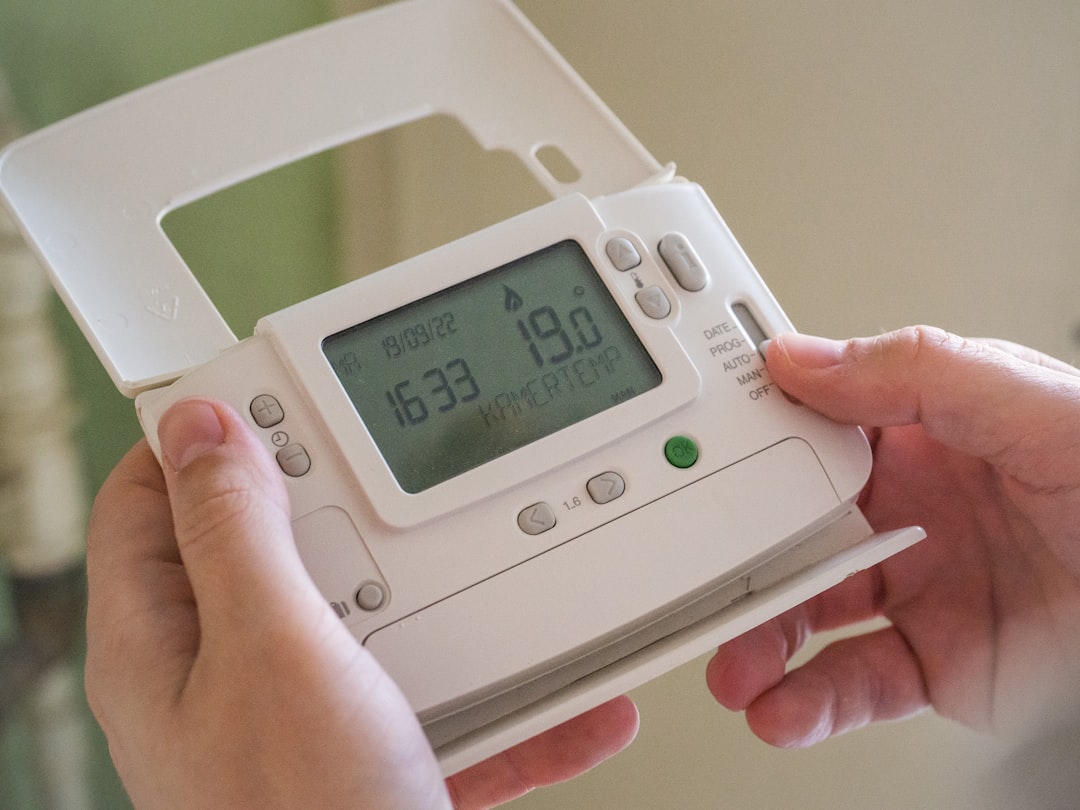
Smart technology is no longer a luxury — it’s a practical way to improve comfort, reduce energy bills, and make your heating system easier to manage year-round. This definitive guide walks homeowners and renters through the smart-home options that deliver measurable energy efficiency, better controls, and automation strategies that actually work. You’ll get device comparisons, step-by-step setup advice, troubleshooting, and real-world tactics for choosing installers and capturing rebates.
Why Integrate Your Heating System with Smart Home Tech?
Energy savings backed by data
Smart thermostats and controls can drive meaningful savings when configured correctly. The U.S. EPA and multiple field studies report average heating-and-cooling savings in the 8–15% range when smart controls are combined with good insulation and sensible schedules. Those savings come from reducing runtime during empty-house periods and avoiding constant temperature overrides.
Comfort and zone control
Smart integration allows temperature control by room or zone, smoothing out hot and cold spots. Zoning via motorized dampers, smart radiator valves, or multi-zone heat pump controls improves comfort without turning up whole-house energy use. For a practical view on distribution, see how automation logic parallels industrial automation workflows in our look at warehouse automation.
Visibility and diagnostics
One of the biggest advantages is data: runtime, cycles, humidity, and fault codes feed into apps and cloud platforms so you can fix problems before they become emergencies. If you rely on mobile control, keep an eye on trends like those discussed in our analysis of whether mobile manufacturers are keeping up with user expectations: Are Smartphone Manufacturers Losing Touch?
Core Components: Devices That Turn a Traditional System into a Smart System
Smart thermostats
Smart thermostats are the most visible component. They replace or augment a conventional stat with learning algorithms, geofencing, remote sensors, and integration to HVAC equipment. Popular models vary in features: some learn your schedule, others prioritize remote-sensor accuracy for multi-room comfort. Compare models in the table below.
Room sensors and smart radiator valves
Adding remote temperature sensors or smart radiator valves gives you real zone-level control without rewiring ducts. These devices can be particularly effective in older homes with imbalanced distribution. The idea is like refining a room's microclimate — think of how designers refine a living space in guides such as choosing the perfect chandelier for balance and proportion.
Zoning controllers and smart relays
For central boilers and forced-air systems, motorized dampers and zoned thermostats allow independent control of multiple areas. Smart relays and bridge devices connect legacy systems to modern platforms and voice assistants — a useful strategy if you want to integrate heating with home theater or AV scenes such as those described in home theater setup guides.
Key Integrations: Platforms, Voice, and Energy
Smart home platforms and hubs
Choose a primary platform (Google Home, Apple HomeKit, Amazon Alexa, or a local open-source hub). Compatibility matters: some thermostats integrate smoothly with multiple ecosystems, while others are platform-exclusive. Before buying, check device ecosystems and whether you’ll need a paid cloud bridge.
Voice assistants and automation
Voice control is convenient for manual overrides and quick scene changes. If you use Siri, there are practical ways to streamline hands-free workflows — see real-world examples like Siri integration for productivity to imagine similar automation for heating controls.
Solar, batteries, and whole-house energy systems
If you have solar or a battery system, integrate heating controls with energy flows to time heavy heating loads to solar production windows. For homeowners exploring renewable pairings, read the technology landscape in self-driving solar discussions to understand how smart systems can coordinate generation and consumption.
How to Choose the Right Devices
Compatibility checklist
Start with a compatibility checklist: HVAC type (gas furnace, boiler, heat pump), wiring (C-wire presence), multi-stage equipment, and whether you need battery-powered or mains devices. Use installer guides and manufacturer compatibility pages before purchase — the choice is as important as finding the right provider, similar to choosing a care provider carefully as covered in choosing the right provider.
Open standards vs. proprietary
Open standards (Z-Wave, Zigbee, Matter) give you more long-term flexibility. Proprietary cloud ecosystems may lock you in but sometimes offer easier setup. Evaluate whether you prefer a seamless out-of-the-box experience or the flexibility of local automation platforms — this tradeoff mirrors decisions in the AI tools landscape in how to choose AI tools.
User experience and app quality
App reliability and local control are worth prioritizing. Read reviews and watch video walkthroughs; unreliable cloud apps are one of the biggest complaints in smart-home projects. If you value streamlined, minimal interfaces, the arguments in digital minimalism apply to choosing apps and automations that don’t complicate daily life.
Installation: DIY vs. Professional
When you can do it yourself
DIY is realistic for many thermostat installs if you have a C-wire, single-stage system, and basic wiring skills. Online tutorials and platform communities provide walkthroughs. Always power down the system before touching wires, photograph connections, and confirm compatibility first.
When to hire a pro
Hire a qualified HVAC tech if your system is multi-stage, includes modulating boilers, or you need zoning dampers wired into the control board. Proper commissioning — setting cycle minimums, staging, and verifying sensor placement — prevents wasted energy and comfort problems. Use best practices for finding local tradespeople, much like searching local deals effectively in finding local deals.
Preparing for an installer
Before the visit: collect model numbers for your furnace/boiler/heat pump, photograph wiring at the thermostat, and make a simple floor plan showing zones. Ask installers to demonstrate the mobile app and hand over login credentials. Treat contractor selection like picking a provider in other life decisions — see parallels in strategies for choosing providers.
Automation Strategies That Save Energy (and Money)
Schedule + geofencing hybrid
Combine scheduled setbacks with geofencing. Fixed schedules handle weekly routines while geofencing covers unexpected departures. Limit geo-based triggers to a short radius to avoid rapid on/off events that waste energy — a measured approach similar to prompt design in digital workflows discussed in prompted playlist design.
Sensor-based logic and occupancy detection
Local sensors detecting motion and room temperature allow targeted heating and prevent conditioning empty rooms. Use minimum-run thresholds to avoid short cycling. These local sensor networks reflect how modern camping gadgets use localized sensing to optimize comfort on the trail, as in our guide to camping tech.
Weather forecasts and price signals
Feed weather forecasts into your smart home to preheat during cheap-energy windows or before cold snaps. Some utility programs expose real-time pricing; smart thermostats can shift consumption away from peak rates. Understanding commodity-driven cost volatility can help you plan; for example, grocery-price swings show the importance of factoring market signals, similar to insights in wheat market analysis.
Measuring Performance: KPIs and Energy Accounting
Key performance indicators
Track runtime hours, degree-hours saved, number of overrides, and heating energy in kWh or therms. Baseline performance over 30–90 days before automations; use that baseline to quantify changes. Many smart thermostats provide built-in analytics that simplify this process.
Using sensors and logs for verification
Place temperature sensors in representative rooms and log data for two weeks. Compare with historical bills and calculate percentage change. Watch for anomalies such as increased runtime or more frequent staging — these indicate misconfiguration rather than true savings.
Reporting and sharing results
Export data and create simple monthly reports. If you’re applying for rebates, documented savings or energy audit reports speed approvals. Sharing a short report with your installer helps pinpoint further improvements and mirrors practices for documenting outcomes in other disciplines like AI testing covered in AI robustness discussions.
Security, Privacy, and Reliability
Local control vs cloud dependency
Local control reduces outage risk; cloud services add features but increase dependency on vendor uptime and network connections. For reliable everyday use — especially in winter — prefer devices that fall back to local schedules if the cloud or internet fails. If you need reliable internet options to support cloud services, check our guide on providers: navigating internet choices.
Data privacy considerations
Smart devices collect behavioral data. Review privacy policies, opt out of sharing where possible, and secure accounts with MFA (multi-factor authentication). Avoid publishing home automation logs to public cloud buckets; keep device credentials unique and use a dedicated smart-home account where possible.
Resilience and backups
Create a simple fallback: a programmable thermostat mode or manual controls that family members know how to use if the smart network fails. Maintain printed or digital instructions near the thermostat to avoid calling an installer in the middle of a cold night.
Costs, Incentives, and ROI
Upfront costs and typical ROI
Expect smart thermostats to cost from $100–$300, sensors and valves another $50–$200 each, and professional wiring or zoning from $300–$1,500 depending on complexity. With conservative savings of 8–12% on heating, many homeowners see payback in 2–5 years depending on local energy prices and insulation quality.
Rebates, programs, and financing
Check utility incentives for smart controls, heat pump installations, and energy-efficiency upgrades. Many programs offer instant rebates or financing. Local HVAC contractors often help navigate these incentives, much the way service selection benefits other big purchases described in local-deal guides.
Long-term value beyond savings
Non-monetary benefits include fewer emergency repairs due to earlier diagnostics, improved home resale appeal, and greater perceived comfort. Framing the investment as both efficiency and home improvement aligns with broader home sanctuary goals like those in creating a home sanctuary.
Troubleshooting and Maintenance
Common misconfigurations
Frequent issues: misplaced sensors, overly aggressive geofencing, and short-cycling due to minimum-run times not being set. Check sensor placement (2–5 feet above the floor, away from drafts) and ensure staging parameters match your HVAC equipment’s capabilities.
Firmware and app updates
Keep firmware up to date, but postpone updates if you are entering a critical weather period and need system stability. Test updates on secondary devices where possible and read release notes for bug fixes vs. new features.
When to call a technician
Call a technician if you see unusual fault codes, airflow issues, or if the system cannot achieve setpoints despite long runtimes. Proper commissioning and a follow-up walkthrough ensure your automation rules match actual thermal dynamics.
Pro Tip: Combine small sensor investments (one remote sensor per major living area) with smart schedules before adding expensive zoning hardware — you’ll capture most comfort gains for a fraction of the cost.
Future Trends and What to Watch
AI-driven predictive control
Expect increasingly intelligent controllers that predict thermal behavior using machine learning and external data (weather, occupancy patterns, and electricity prices). The AI tool-selection debate offers useful lessons for picking systems with robust controls in the future — see how to choose AI tools.
Matter and interoperability
The Matter standard is raising expectations for device interoperability across ecosystems. Prioritize devices committed to open standards to preserve flexibility as the smart-home landscape evolves.
Integration with home energy systems
Expect tighter coupling between heating controls, solar, EV charging, and batteries to optimize household energy flows. The intersection of distributed energy and smart control echoes developments in autonomous energy tech like the self-driving solar space.
Real-World Case Study: A 3-Bed Semi-Detached Home
Baseline and goals
Scenario: 3-bed semi-detached, gas furnace, poor upper-floor comfort, monthly winter bills around $180. Goals: cut bills, eliminate hot upstairs, allow remote control for travel weeks.
Solution applied
Installed a smart thermostat with two remote sensors (living and master bedroom), added smart radiator valves to two problem radiators, and set a hybrid schedule + geofence. Tuned minimum runtime and set temperature differentials to avoid short cycles.
Outcome and lessons
Measured a 12% reduction in winter gas consumption, smoother upstairs temperatures, and fewer complaints from occupants. Key lessons: sensor placement mattered most; automation was incremental rather than all-at-once.
Decision Checklist: Are Smart Heating Upgrades Right For You?
Quick self-assessment
Do you have uneven heating, high bills, or frequent schedule changes? Do you have reliable internet and a smartphone? If yes, smart controls will likely pay off. If you lack reliable internet, consult the guide on broadband choices: navigating internet choices.
Installer vs DIY decision flow
If you’re comfortable with wiring and have a simple system, DIY can work. For zoning, heat pumps, or complex boilers, hire a pro. Use local-vetting strategies like those in broader service selection articles to find credible partners.
Next steps
Make a plan: identify your primary pain point, set a budget, choose a core thermostat, add one sensor, measure baseline, then iterate. Think of automation like gradual product design — rapid iterations are better than a big-bang approach, the same way designers refine experiences in other industries as shown in discussions around product trends and domain discovery in prompt and domain design.
Comparison Table: Popular Smart Thermostats (Feature Snapshot)
| Model | Compatibility | Learning/AI | Remote Sensors | Integration | Price Range |
|---|---|---|---|---|---|
| Nest (Google) | Most furnaces, heat pumps (C-wire sometimes needed) | Yes (learning) | Optional / proprietary | Google, limited HomeKit | $120–$250 |
| Ecobee | Broad HVAC support, heat pumps | Behavioral adjustments | Included remote sensors | Alexa, HomeKit, Google | $150–$250 |
| Honeywell T-Series | Very broad, retrofit-friendly | No learning on entry models | Optional | Alexa, Google | $100–$220 |
| Tado | Radiator valves, heat pumps | Smart schedules | Optional wireless sensors | Alexa, Google, Apple via bridge | $120–$300 |
| Z-Wave/Zigbee Thermostats | Requires hub (Z-Wave/Zigbee) | Depends on hub automation | Flexible; many third-party sensors | Matter/hub-dependent | $90–$250 |
Frequently Asked Questions
1) Will a smart thermostat save money in any home?
Not always. Savings depend on occupant behavior, insulation, and whether the system is correctly configured. Homes with simple, constant schedules may see less benefit than homes with variable occupancy.
2) Do smart thermostats work with heat pumps?
Yes, but confirm the model supports heat-pump controls, auxiliary heat staging, and balance settings. Some models require professional setup to optimize staging and prevent short cycling.
3) Is cloud connectivity required?
No — many devices support local schedules and manual control. Cloud features add convenience and remote diagnostics but can introduce latency or dependency.
4) How many sensors do I need?
Start with a sensor in the main living area and one in the most problematic room (e.g., master bedroom or upstairs). Add sensors iteratively until comfort is consistent.
5) Can I integrate heating with solar or battery systems?
Yes. Integrations vary by vendor; look for systems that expose APIs or have native integrations with energy management platforms. Coordinated automation can shift heating loads into solar production windows.
Related Reading
- How to Choose the Best Home Fragrance System - Tips on selecting scent delivery systems that complement smart home ambiance.
- How to Quickly Prepare Your Roof for Severe Weather - Seasonal prep advice that complements HVAC protection strategies.
- Essential Gear for Cold-Weather Coffee Lovers - Practical gear ideas that illustrate comfort optimization in cold conditions.
- Pizza Night In - Home-event automation ideas that pair well with smart heating scenes.
- Product Review Roundup: Top Beauty Devices - A model for comparing device features and reviews.