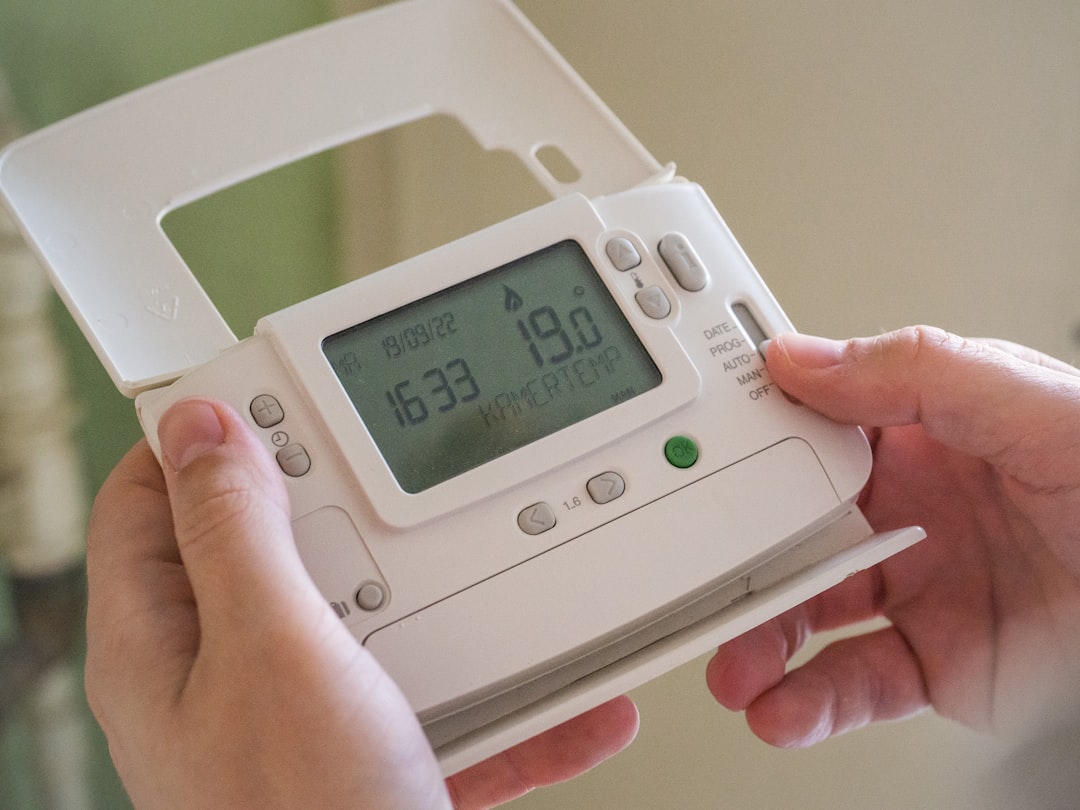
In an era where energy efficiency and home comfort are paramount, smart thermostats have emerged as game-changers for homeowners and renters alike. By integrating technology into temperature control, these devices not only optimize heating systems but also significantly cut down energy costs.
Understanding Smart Thermostats
What Are Smart Thermostats?
Smart thermostats are advanced heating and cooling controls that allow users to manage their HVAC systems remotely through mobile apps or through voice commands using smart home assistants. Unlike traditional thermostats, these devices utilize Wi-Fi connectivity, enabling data analysis and machine learning to enhance user experience.
How Do Smart Thermostats Work?
At their core, smart thermostats learn from user behaviors, preferences, and environmental factors. They gather data through built-in sensors that monitor temperature, humidity, and even occupancy. Over time, the thermostat adapts to heating patterns, adjusting settings automatically to optimize comfort and energy savings. For an insightful overview, refer to our guide on energy-efficient heating systems.
Benefits of Smart Thermostats
- Energy Savings: Studies show that smart thermostats can reduce energy usage by up to 15%, which translates to substantial savings on energy bills.
- Convenience: The ability to control home temperatures from anywhere adds a layer of comfort that traditional systems cannot offer.
- Insights and Reports: Most smart thermostats provide reports on energy usage, helping users understand their consumption patterns.
Choosing the Right Smart Thermostat
Compatible Systems
It's crucial to ensure that the smart thermostat you choose is compatible with your existing HVAC system. Most smart thermostats work with central heating and cooling systems, but some may not support systems like certain electric heat setups. Check out our detailed comparison of smart thermostat installation types for more on compatibility.
Key Features to Look For
When selecting a smart thermostat, consider the following features:
- Learning Capabilities: Some models learn schedules, while others allow manual programming.
- Geofencing: A feature that adjusts the thermostat based on your location, ensuring energy is not wasted when you're away.
- Integration with Smart Home Systems: Compatibility with voice assistants like Amazon Alexa, Google Assistant, or Apple HomeKit enhances usability.
Top Smart Thermostats on the Market
Delving into product reviews will help you make informed choices. Popular options include the Nest Learning Thermostat, Ecobee SmartThermostat, and Honeywell Home T9. For in-depth comparisons, view our smart thermostat reviews.
Installation of Smart Thermostats
DIY Installation vs. Professional Help
While many homeowners opt for DIY installation of smart thermostats due to detailed manuals and videos, it may be worth hiring a professional, especially if your HVAC system is complex. Explore our guide on HVAC installation tips to weigh your options.
Common Installation Steps
- Turn off power to your HVAC system from the circuit breaker.
- Remove your old thermostat and label the wires.
- Connect the wires to the corresponding ports on the smart thermostat.
- Mount the new thermostat and restore power.
- Follow the setup instructions using the mobile app.
Optimizing Your Home Heating with Smart Thermostats
Setting Up Energy-Saving Schedules
Smart thermostats excel in energy management. By programming heating schedules around your daily routine, you can maximize savings. For instance, lower the temperature when you're away at work or during the night. Refer to our energy efficiency tips in the energy efficiency strategies article.
Monitoring Performance and Adjusting Settings
Utilizing the built-in reports from your smart thermostat can help you identify any inefficiencies in your heating system. Adjust settings based on the data you receive to enhance performance. Interested in improving your system further? Our guide on indoor air quality tips can provide additional insights.
Integrating Smart Thermostats with Other Home Automation Systems
Smart thermostats can seamlessly integrate with other devices in your smart home ecosystem. For example, coordinating your thermostat with smart vents can optimize airflow and efficiency. For comprehensive integration strategies, explore our article on home automation integration.
Smart Thermostats and Energy Savings
Understanding Energy Usage Trends
Smart thermostats offer insights into energy usage trends through their data analytics. These insights can help homeowners make informed decisions on energy consumption, leading to substantial savings on heating bills. To learn more about calculating your home energy consumption, check out our guide on understanding home energy consumption.
Real-Life Savings Examples
Many case studies indicate that homes equipped with smart thermostats see a decrease of 10-15% in energy costs. For instance, a case study utilizing the Ecobee found savings of over $150 annually on average. Explore more case studies in our HVAC case studies section.
Future Trends in Smart Thermostats
The smart thermostat market is constantly evolving, with new products that enhance energy efficiency and home comfort. Innovations include improved artificial intelligence for predictive adjustments and advanced smart home integration. For insights into future trends, read our latest trends analysis in future HVAC landscape.
Maintaining Your Smart Thermostat
Regular Software Updates
Like all technology, smart thermostats require regular software updates to maintain performance and security. Ensure your device is set to update automatically, or check regularly through the associated app.
Routine Checks and Maintenance
Occasionally, check the thermostat's sensors and settings to ensure everything is functioning as intended. Dust and dirt can increase error rates, so keeping the area clean will help maintain accuracy.
Professional Assistance for Complex Issues
If your smart thermostat is not functioning correctly despite following troubleshooting steps, it might indicate deeper HVAC issues. Consider consulting a local technician or service provider for thorough diagnosis. For more resources on finding quality HVAC professionals, view our directory in local HVAC contractors.
Conclusion
Smart thermostats represent a significant leap forward in home heating control, offering unparalleled comfort and energy efficiency. By understanding their workings and leveraging their full potential, homeowners can achieve significant savings and enhance their living environments.
Related Reading
- Buying Guide: Smart Thermostats - Learn what to consider when purchasing a smart thermostat.
- Benefits of Smart Home Devices - Discover how smart tech transforms your lifestyle.
- HVAC Maintenance Guide - Essential tips for keeping your HVAC system running smoothly.
- Energy Efficient Upgrades for Homes - Explore various upgrades to enhance your home's efficiency.
- Saving Energy Tips - Practical advice to reduce your energy consumption.
Frequently Asked Questions
- What is a smart thermostat?
A smart thermostat allows remote control of home heating and cooling through Wi-Fi and mobile apps. - How do smart thermostats save energy?
They learn user habits, optimize heating schedules, and provide insights on energy use, leading to reduced consumption. - Can I install a smart thermostat myself?
Yes, many can be installed without professional help, but complex systems may require expert installation. - What features should I look for in a smart thermostat?
Look for compatibility, learning capabilities, and smart home integration features. - How much can I save with a smart thermostat?
On average, homeowners can expect savings of 10-15% on their heating and cooling bills.