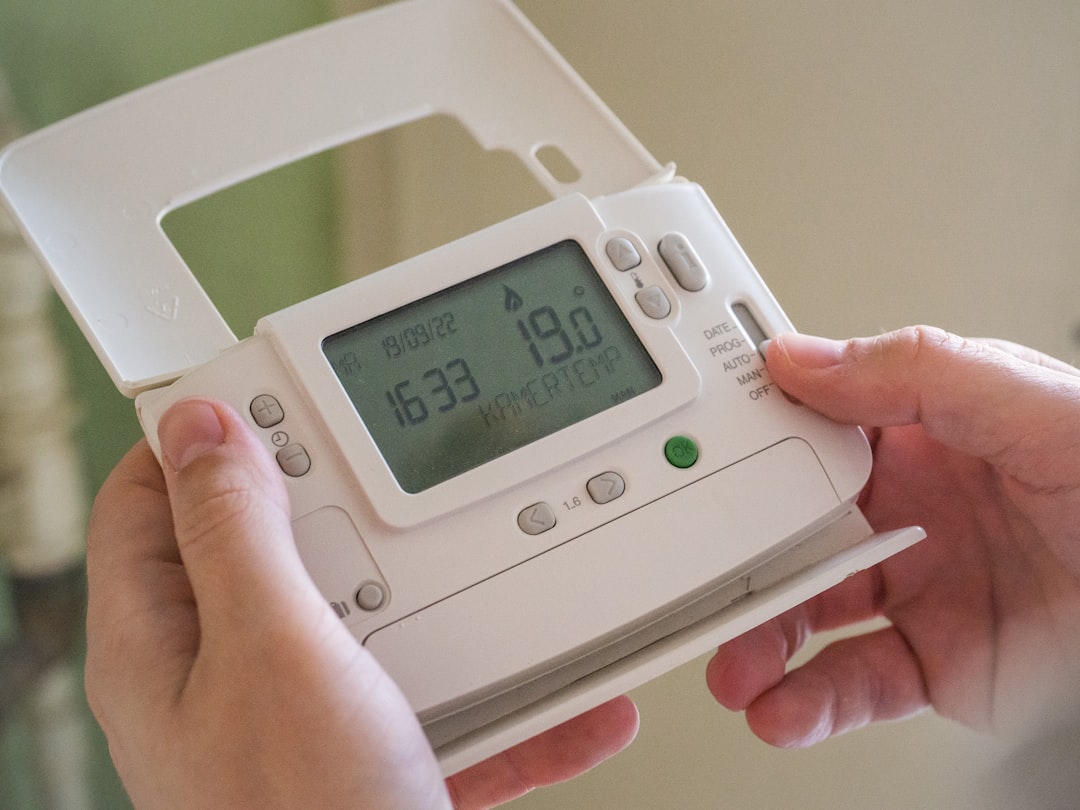
Sneakers are more than footwear for many collectors — they are investments, art, and personal history. Keeping a collection in peak condition means controlling the indoor climate where your shoes live. This definitive guide explains the ideal room temperature and humidity for sneaker preservation, how home heating and HVAC choices affect your collection, and practical, energy-efficient tips so your sneakers age gracefully without sending your energy bills through the roof.
Why Temperature and Humidity Matter for Sneakers
Sneakers are multi-material objects: leather, suede, mesh, rubber, adhesives, foams, and plastics. Each material reacts differently to environmental conditions. Excess heat dries adhesives and foams, causing midsole yellowing and cracks; humidity encourages mold growth and adhesive failure; fluctuations (cycles of hot/cold or wet/dry) stress seams and glued joints. Understanding these mechanisms lets you tune your home heating and storage strategy around the science, not guesswork.
Materials and failure modes
Leather loses oils and becomes brittle with sustained high heat; foam midsoles oxidize and yellow when exposed to heat and light; rubber outsoles can harden and crack in extreme cold. Adhesives are especially sensitive—temperatures above 80°F (26–27°C) accelerate breakdown. For more on the consequences of ambient heat and electronics, see research on how to prevent unwanted heat from your electronics, which shares parallels with how heat affects polymer-based materials in sneakers.
The role of humidity
Relative humidity (RH) affects leather, suede, and textile-based uppers. Low RH (<30%) dries materials and can cause cracking; high RH (>60%) creates condensation, leading to mold and bad odors. Aim for a stable RH between 40–55% to preserve leathers and adhesives while discouraging microbial growth. If you need a deep dive into measuring and budgeting for the climate systems that affect indoor humidity, our primer on decoding energy bills and tracking energy use is a good companion read for sneaker room owners budgeting climate control costs.
Light and temperature together
UV and visible light accelerate color fade and degrade some materials, and light often brings heat. Consider display lighting that is low-heat and UV-filtered, and keep lighting on timers. For guidance on low-heat cleaning and maintenance electronics that can affect ambient temp, we recommend pairing preservation routines with smart appliance suggestions like those in our coverage of useful cleaning tools such as the Roborock Qrevo Curv 2 Flow for dust control around displays.
Ideal Room Conditions for Sneaker Preservation
There’s no single “perfect” microclimate for every sneaker, but museums and conservators provide solid ranges that balance material needs and practicality in a residential setting. Use these as a baseline for your collection room.
Temperature ranges
Target 60–68°F (15–20°C) as a conservative range that slows chemical changes and reduces yellowing of foam while being comfortable for people who access the collection. For less frequent-use, climate-controlled vaults, 55–60°F can be appropriate. Avoid sustained temps above 75°F (24°C) and below 50°F (10°C). In hot climates, pair cooling strategies with insulation and shading to keep temps within range without excessive HVAC runtime.
Humidity ranges
As noted, 40–55% RH is a practical target. Use a digital hygrometer at multiple points in the room (top shelf, near floor, inside a display case) to verify uniformity. If RH frequently drifts outside the target window, consider a dehumidifier or humidifier tied to a humidistat to maintain stability.
Airflow and ventilation
Stagnant air promotes pockets of high humidity and potential mold. Gentle, filtered airflow (small fans or HVAC returns) keeps conditions uniform. Avoid high-velocity airflow that can dry uppers unevenly or lift dust into the collection — filtered, low-speed circulation is best. Integrate air filtration into your strategy; basic guidance on appliances and indoor air management can be found in consumer resources covering air-purifying devices and their real-world reviews such as diffuser and air device reviews.
How Home Heating and HVAC Choices Affect Sneaker Rooms
Different heating systems interact with temperature and humidity in unique ways. When sizing and choosing heating, think in terms of control precision, humidity impact, installation cost, and operating cost. Below we cover the main options and practical HVAC tips for sneakerheads.
Forced-air furnaces
Pros: rapid heating, integrates with central air conditioning, easy zoning with dampers and smart thermostats. Cons: dry air in winter (forced hot air lowers RH), potential for dust blow-through. Add whole-home humidification or targeted humidifiers for display rooms and ensure filters are high-MERV but rated for your furnace to reduce particulates.
Heat pumps and mini-splits
Mini-splits deliver precise zone control and are energy efficient, with less drying than some furnace systems because they often provide milder temperature differentials. They’re an excellent choice for a dedicated sneaker room, and they pair well with smart controls for scheduling. To explore modern heating efficiency and adoption trends, read up on energy-saving product lessons in accessible consumer tech articles like affordable tech that informs budget-friendly energy choices.
Radiant floor heating
Provides stable, low-air-velocity warmth and excellent comfort. It can be expensive to retrofit but is gentle on humidity and avoids hot spots. If your priority is archival-grade stability and you’re renovating, radiant options are worth modeling with contractors and designers using visualization tools similar to those in engineering mapping guides such as SimCity-like planning tools for home projects.
Zoning, Smart Controls, and Automation
Zoning — the practice of controlling temperatures in discrete areas independently — is a powerful way to keep a sneaker room stable without heating the whole home. Smart thermostats and sensors add precision and the ability to respond automatically to temperature and humidity events.
Why zone a sneaker room?
Zoning prevents the rest of the house from dictating the sneaker room environment. You can keep the rest of the house at an energy-saving temperature while holding display rooms within tight preservation ranges. If you’re not familiar with integrating smart HVAC with home systems, see our guide to smart home integration principles like those used when syncing vehicle and home devices in resources such as smart home integration with your vehicle — the same connectivity concepts apply to thermostats and sensors.
Best sensors and placement
Use at least two temperature/humidity sensors in a sneaker room: one at human height near the center of the room and a second inside a display case or on a top shelf. For larger collections, add more sensors. Choose sensors with data logging and alerting so you can detect slow drifts or sudden failures. If you often travel with your collection or want remote monitoring, select devices with cloud connectivity and reliable local backup logging.
Automation rules
Create rules that raise humidity gently if RH drops below 40% and trigger dehumidification above 60%. Schedule slight setpoint changes when the room is unoccupied at night to save energy while ensuring morning routines bring the environment back to preservation range before access. Many smart systems allow linking environmental events to notifications — use them to catch HVAC failures quickly.
Storage, Display, and Furniture Choices That Affect Climate
Where and how you store shoes changes how microclimates form. Cases, boxes, shelving materials, and placement relative to HVAC vents matter.
Display cases vs. open shelving
Display cases protect against dust and help maintain stable microclimates when equipped with small silica packs or micro-humidity controls. They can trap humidity though — use ventilation ports or breathable display materials if you notice trapped moisture. Open shelving allows airflow but increases dust exposure and UV risk. Consider mixing both approaches depending on rarity and access frequency.
Materials to avoid
Some woods and laminates outgas volatile compounds that can accelerate leather degradation; avoid storing high-value leather pairs in direct contact with untreated plywood or acidic cardboard. Use archival-quality acid-free boxes or inert shelving materials. For sourcing quality storage and fixtures while watching costs, our practical tips on finding bargains on home improvement supplies can help you build a preservation-friendly environment affordably.
Humidity control inside cases
Silica gel packets are inexpensive and effective for small enclosures; for larger display cabinets use calibrated humidity control boxes or small desiccant dehumidifiers. Maintain and recharge silica regularly. Avoid chemical deodorizers that may interact with materials — instead, use activated charcoal for odor control where needed.
Managing Heat Sources: Lighting, Electronics, and Nearby Appliances
Heat sources near the collection — light fixtures, gaming consoles, charging batteries, or even continually running cleaning robots — can nudge ambient temperature up in micro-zones. Controlling these is essential to a stable sneaker climate.
Lighting choices
Use LED lighting with low color temperature and UV filters. LEDs emit much less heat than incandescent or halogen bulbs. Put lights on motion sensors or timers so displays are only lit when needed and avoid continuous heat input over rare pairs.
Electronics and chargers
Charging batteries and consoles create localized heat. Keep charging stations out of display rooms if possible. For rooms where electronics are necessary, separate them with ventilated cabinets or active cooling. For more on the challenges electronics produce and how to mitigate heat, review our practical guide on preventing unwanted heat from electronics which includes methods applicable to sneaker rooms.
Cleaning robots and appliances
Robotic vacuums reduce dust but may run on schedules that produce heat or disturb enclosure setups. Choose quiet, low-heat cleaning devices and schedule them for times when the room can be ventilated afterward. Cleaner selection and practical appliance recommendations can be cross-referenced with modern cleaning device overviews like the Roborock Qrevo review.
Energy-Efficient Heating Strategies for Preservation
You can protect your collection and keep energy costs under control with smart strategies. Preserving sneakers doesn't have to mean running the furnace constantly.
Targeted heating and microclimate boxes
Instead of heating an entire house to preservation levels, create microclimates: climate-controlled cabinets, small closet-style rooms, or even sealed vault boxes with individual controllers. Microclimates allow you to keep most of the home at efficiency-optimized setpoints while only conditioning the space around your collection. There are cost comparisons and real-world budgeting tips in articles that help homeowners weigh retrofit costs and long-term benefits similar to affordable tech adoption discussions such as budget tech and energy investments.
Insulation, doors, and sealing
Insulate the sneaker room and seal door gaps to minimize HVAC load. A well-insulated room holds temperature longer, reducing runtime and saving money. Contractors often advise on the ROI of insulation projects; homeowners can estimate costs and benefits with help from planning resources like visualization and project planning tools when considering changes.
Scheduling and occupancy-based setpoints
Lower setpoints slightly when the collection room is unoccupied, and bring it back during access windows. Smart thermostats and sensors make this easy — and you’ll save energy without compromising preservation if you limit the temperature swings and maintain humidity within safe thresholds.
Seasonal Adjustments, Emergency Prep, and Maintenance
Seasonal cycles demand predictable adjustments. Winter heating can dry out a room; summer cooling can raise humidity if the A/C doesn’t dehumidify well. Plan for power outages and HVAC failures with contingencies to prevent catastrophic damage.
Winter strategies
Run humidification in dry winter months to keep RH above 40%. Avoid high-temperature setpoints that accelerate foam aging. If you rely on forced-air, maintain clean filters and add local humidifiers inside display areas if whole-home humidification isn’t available.
Summer strategies
Air conditioning often reduces RH by cooling air; ensure your AC has proper dehumidification capacity or use a dedicated dehumidifier for the sneaker room. Keep sun-facing windows shaded, and consider operable awnings or blinds to limit solar gain.
Emergency prep
Have silica gel reserves, a portable dehumidifier, and a battery-operated temperature/humidity data logger. If you need to source supplies on short notice, our practical shopping advice can help you find what you need quickly and affordably — check tips for bargains and supply shopping such as how to find bargains on home improvement supplies.
Case Studies: Real-World Examples
Experience matters: below are condensed case studies showing how collectors solved common problems. These examples emphasize practical steps, not theory.
Urban apartment collector — small footprint, big collection
Problem: Limited space and seasonal HVAC limitations. Solution: Built a sealed climate cabinet for high-value pairs with a compact dehumidifier and a mini-split in the room for temperature control. Outcome: Reduced yellowing and mold incidents while only modestly increasing energy bills. For small-space appliance selection and layout inspiration, consult buyer guides for compact appliances like the debate on portable vs built-in solutions.
Detached home collector — whole-room strategy
Problem: House-wide heating made sneaker room too dry; midsole cracking emerged. Solution: Installed a zoned HVAC system with a humidification loop and dedicated sensors. Outcome: Stable RH and temperature in the sneaker room, recovery of midsole integrity on newer purchases, and overall lower stress on adhesives.
Collector prioritizing energy efficiency
Problem: High energy bills after installing dedicated heating for the collection. Solution: Switched to a ductless mini-split for precision and used microclimate cabinets for rare pairs; added insulation and automated schedules. Outcome: Preservation targets met with a measurable reduction in run-time. You can learn more about cost tradeoffs and energy bill decoding in targeted homeowner guides like decoding energy bills.
Pro Tip: Treat your sneaker room like a mini-conservatory: invest in accurate sensors first, then optimize HVAC and storage. Sensors are the cheapest way to prevent the most costly damage.
Comparison Table: Heating & Climate Options for Sneaker Rooms
| System | Temp Control Precision | Humidity Impact | Relative Energy Efficiency | Typical Install Cost | Best For |
|---|---|---|---|---|---|
| Forced-air furnace + central A/C | Medium (whole-home) | Dries air in winter (needs humidifier) | Medium | $4,000–$10,000 (house-scale) | Homes needing combined heating/cooling solutions |
| Ductless mini-split heat pump | High (zone-level) | Moderate (less drying than forced air) | High | $3,000–$8,000 (per zone) | Dedicated sneaker rooms or zones |
| Radiant floor heating | High (stable) | Neutral (minimal air movement) | Medium–High | $6,000–$20,000 (retrofit expensive) | Renovations with desire for even warmth |
| Electric space heaters (supplemental) | Low–Medium (localized) | Can create dry pockets | Low (high running cost) | $50–$500 | Temporary or emergency use |
| Climate-controlled cabinet (microclimate) | Very high (localized) | Very controllable | High (small volume) | $200–$2,000 (DIY to premium) | High-value pairs and archival storage |
Checklist: Daily, Monthly, and Annual Tasks
Use this checklist to stay on top of preservation without overcomplicating your routine.
Daily
Check sensor readouts for large deviations, ensure display lights are off when not needed, and inspect high-value pairs for early signs of yellowing or odor.
Monthly
Rotate shoes when possible to reduce stress on single pairs, replace or recharge silica packs, clean filters on HVAC/mini-split units, and run a visual inspection for mold or pest activity.
Annual
Service the HVAC or mini-split system, inspect insulation and window seals, and review energy use to see if optimizations (zoning, additional insulation, or climate cabinets) would be cost-effective. For homeowners curious about how property-level costs influence mitigation budgets, see guides such as understanding property costs.
Where to Buy Supplies and When to Spend More
Balancing price and quality matters. Spend on accurate sensors, a reliable mini-split or climate cabinet for high-value tiers, and prioritize archival storage. For budget sourcing and deals on fixtures and supplies, look for smart purchasing strategies like those discussed in how to find bargains on home improvement supplies and check reviews of devices used in preservation routines like air diffusers and purifiers in diffuser and air device reviews.
When to hire professionals
If you’re installing ductwork, adding a mini-split, modifying electrical, or planning a radiant retrofit, hire licensed contractors. Mistakes in HVAC sizing or installation will cost more in the long run. Use contractors who document expected humidity and temperature outcomes and who can provide references for similar precision jobs.
Low-cost upgrades that matter
Start with better sensors, air filters, and sealed storage cases. These often provide the highest preservation ROI for the least expense. Read case examples and practical upgrades in household tech and energy-focused write-ups like budget-friendly energy tech lessons.
FAQ — Frequently Asked Questions
1. What exact temperature should I set for my sneaker room?
Target 60–68°F (15–20°C) for general preservation. For rare or archival pairs, consider 55–60°F with careful humidity control. Avoid sustained temps above 75°F or below 50°F.
2. Is humidity more important than temperature?
Both matter. Humidity between 40–55% is crucial to prevent mold and drying. Temperature controls the rate of chemical degradation. Stabilize both to minimize material stress.
3. Can I use a space heater to keep a closet warm?
Space heaters are a short-term solution but inefficient for long-term preservation. They may create dry pockets and uneven temperatures; a better approach is a small climate cabinet or a properly sized mini-split zone.
4. How often should I check the collection?
Check sensors daily for major deviations; do a hands-on inspection monthly. Rotate shoes seasonally to avoid long-term static stress. Maintain logs to detect slow trends.
5. What is the cheapest way to protect my collection?
Buy accurate sensors, use silica packs in boxes and cases, reduce light exposure, and employ sound airflow management. Many collectors see the biggest gains from better monitoring before investing in new HVAC gear.
Final Thoughts: Protecting Value and Enjoyment
Protecting a sneaker collection is a blend of conservation science, smart home tech, and practical budgeting. Start with sensors, then focus on targeted environmental control: microclimate cabinets and zoning win more preservation per dollar than whole-home overheating. Plan seasonally, control light and heat sources, and adopt energy-efficient options to keep both sneakers and bills in healthy shape. For broader homeowner financial context and energy decisions that affect how much you can invest in preservation, read advice on bills, property costs, and compact appliance choices such as in decoding energy bills, understanding property costs, and compact appliance comparisons like compact dishwasher planning which illustrate prioritizing projects in tight footprints.
Related Reading
- Unpacking Consumer Trends - A look at consumer motivations; useful when deciding what to prioritize in a collection.
- The Tech Advantage - How tech changes strategy — good context for adopting smart home tech.
- Dancefloor Reverie - Cultural context for sneaker fashion and display inspiration.
- Play-to-Earn Meets Esports - On valuing digital vs. physical collectibles.
- Resilience for Creators - Mindset tips for long-term collection care and decision-making.