Modern homeowners expect more than temperature control from an HVAC system. They want clean, comfortable, and healthy indoor air. This guide explains how HVAC systems shape indoor air quality (IAQ), what components and features to prioritize when buying or upgrading equipment, and how to measure and maintain IAQ for long-term health, comfort, and energy savings. Along the way you’ll find evidence-based recommendations, real-world examples, and links to practical resources on load calculations, filters, smart integration, security, and buying incentives.
Why HVAC Is Central to Indoor Air Quality
Air movement, dilution, and filtration
Good IAQ depends on three mechanical actions an HVAC system can perform: moving air, diluting pollutants (ventilation), and filtering or treating contaminants. A system that circulates stale air without filtration will keep a home at the right temperature but can trap allergens and volatile organic compounds (VOCs). Conversely, correctly matched filters and balanced ventilation reduce pollutant concentrations and maintain comfort. For a practical dive into filter choices and real-world trade-offs, see our detailed breakdown of filter options and performance at Transforming Your Air Quality: The Best Filter Options.
Ventilation: the dilution strategy
Ventilation replaces indoor air with outdoor air to reduce pollutant concentrations. The method matters: simple exhaust fans, supply-only ventilation, and balanced energy-recovery ventilators (ERVs/HRVs) have very different energy and moisture effects. We'll cover practical ventilation strategies below and how to avoid over-ventilating in extreme climates where energy penalties can undo IAQ benefits.
HVAC as an IAQ system integrator
Today’s HVAC systems act as platforms for filtration, humidification/dehumidification, UV treatment, IAQ sensors, and smart controls. When you choose a modern system, evaluate how easily the core HVAC can integrate add-on IAQ tech, how the controls work, and whether the vendor supports ongoing monitoring and firmware updates—elements that increasingly intersect with data governance and IoT security best practices. For a view on data governance in distributed sensor networks, see lessons from edge computing at Data Governance in Edge Computing.
Key HVAC Components That Improve Indoor Air Quality
Filtration systems: media, HEPA, and electrostatic
Filters are your first line of defense. Standard fiberglass traps large particles but passes fine particulates and many allergens. Pleated filters (MERV-rated) capture smaller particles; HEPA filters capture 99.97% at 0.3 microns. Electrostatic filters can be effective but performance varies with maintenance. The right choice depends on your home’s occupant sensitivity, furnace/air-handler fan capacity, and pressure-drop tolerance. A full comparison of filter options and tradeoffs is available at aircoolers.shop.
Ventilation and energy recovery (ERV/HRV)
Balanced mechanical ventilation with heat recovery keeps energy costs down while bringing in fresh air. ERVs transfer moisture as well as heat—useful in humid climates—while HRVs transfer primarily heat, which suits dry or cold climates. Consider an ERV/HRV when upgrading insulation or when home airtightness increases after weatherization. For planning high-performance homes, pairing thermal management spreadsheets and load-strategy tools helps size systems correctly; see our thermal-management worksheet primer at Crafting Your Perfect Thermal Management Strategy.
Humidity control: humidifiers and dehumidifiers
Relative humidity (RH) between 40–60% reduces viral survival and controls dust-mite populations; outside that range you face mold or overly dry mucous membranes. Central humidifiers and whole-house dehumidifiers integrated into the HVAC ductwork prevent room-by-room mismatch. Humidity control also reduces off-gassing from some materials: when you order new furniture, expect moisture to interact with VOCs—see practical home-delivery expectations at Navigating Home Delivery.
How to Evaluate an HVAC System for IAQ
Load sizing and airflow capability
An undersized blower cannot overcome higher-pressure filters, leading to reduced airflow and poor IAQ. Before upgrading filtration, get a professional load and airflow assessment. Use sensible spreadsheets and checklists to avoid buying a system that cannot perform. If you want a practical starting point for the calculations and trade-offs, review the thermal-strategy guidance at spreadsheet.top.
Control system compatibility and user interface
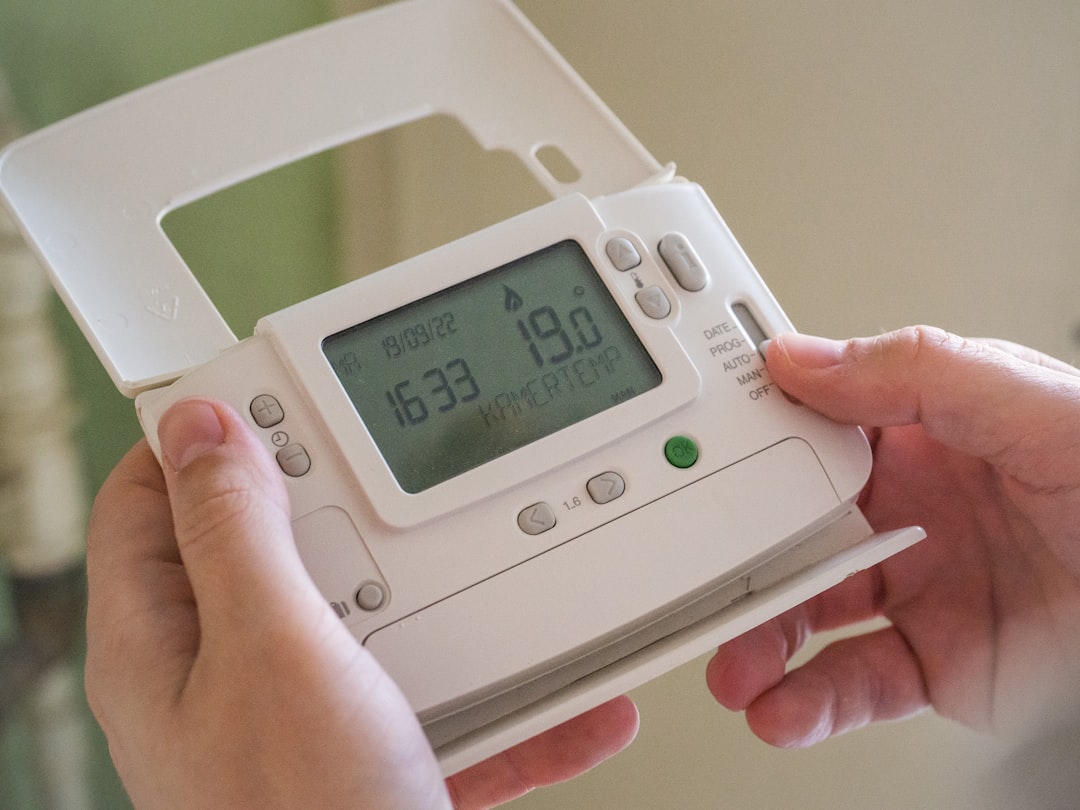
Your ability to monitor IAQ hinges on the control interface. Look for thermostats and controllers that display humidity, CO2, and PM2.5 readings, and that let you automate ventilation based on those readings. Smooth, intuitive interfaces reduce setup mistakes; when evaluating UI quality, design principles from modern software and CI/CD can inform expectations—see Designing Colorful User Interfaces for practical UI insights you can apply to thermostat selection.
Integrations: sensors, purifiers, and smart home platforms
Integrations let HVAC work as an IAQ platform. Whole-home air purifiers, UV lamps, and dedicated VOC sensors communicate with the HVAC controller for automated responses. When shopping, confirm whether the manufacturer supports common smart-home ecosystems, and whether the system requires cloud connectivity or supports local control. Explore connectivity innovation and limitations in smart device upgrades at Could Your Smart Devices Get a SIM Upgrade?, and consider how voice assistants fit into your control strategy with the future-of-voice technology analysis at The Future of Siri: Consumer Implications.
Filtration and IAQ Technologies Compared
Below is a concise comparison to help you weigh trade-offs before purchase. This table focuses on particle removal, gas/VOC removal, energy impact, maintenance, and typical applications.
| Technology | Particle Removal | VOC/Gas Removal | Energy & Airflow Impact | Maintenance & Lifespan |
|---|---|---|---|---|
| MERV-rated Pleated (MERV 8–13) | Good for 1–10 μm; MERV13 captures many PM2.5 | Limited | Low–moderate pressure drop; check blower capacity | Replace every 3–12 months |
| HEPA (True) | Excellent—99.97% at 0.3 μm | Limited unless paired with carbon | High pressure drop; often requires dedicated in-line purifiers | Filter replace 6–12 months in active use |
| Activated Carbon | Moderate for particles when combined with media | Excellent for VOCs and odors | Low–moderate; usually used as an adjunct layer | Replace or recharge based on exposure—6–12 months |
| Electrostatic (Electronic) | Variable—effective for fine particulates if maintained | Minimal unless combined with carbon/VOC tech | Low airflow impact; requires power for ionization | Regular cleaning required; plate replacement varies |
| UV-C (Germicidal) | Targets microbes on coils and in ducts, not particles | No effect on VOCs | Minimal airflow impact; requires electrical power | Lamp replacement typically every 1–2 years |
Ventilation Strategies for Different Homes
Leakier older homes
Older, leakier homes may already get sufficient natural ventilation, but this comes with uncontrolled heat loss and inconsistent humidity. For homeowners on a budget, targeted spot ventilation (kitchen and bath fans) plus improved filtration often provides the best ROI. If you’re upgrading for resale or energy programs, document changes—preparing your home for regulatory changes and market expectations is covered in our home-prep guide at Preparing Your Home for Changes in Real Estate Laws.
New, well-sealed homes
Tight building envelopes require intentional ventilation. Install balanced ERV/HRV systems and configure them for occupancy schedules or CO2-triggered operation. Automated scheduling reduces energy penalties while keeping IAQ healthy.
Urban apartments and high-pollution areas
When outdoor air is poor, bring in filtered outdoor air or use recirculation with high-efficiency filtration and localized purifiers. Consider paired carbon filtration for traffic-related VOCs. If you’re deploying smart sensors, think through data management and privacy; sensor networks should follow best practices similar to those used in secure cloud systems—see cloud security recommendations at Cloud Security at Scale.
Allergen Control: Practical Steps for Allergy Sufferers
Target source control
Start by reducing sources: vacuum with a HEPA-filtered vacuum, enclose mattresses and pillows, and wash bedding weekly at hot temperatures. Low-cost changes often yield large benefits before expensive equipment upgrades are needed. For behavioral and content-trust considerations when researching mitigation strategies, consult our piece on trustworthy content and verification at Trusting Your Content.
Upgrade filters and add purifiers
Install MERV13 or higher central filtration if your fan supports it; for severe allergy or immunocompromised cases, add room HEPA purifiers in sleeping areas. Ensure purifiers have CADR ratings that match room size. Explore filter tradeoffs in our filter primer at Filter Options Explained.
Control humidity and pests
Dust mites and mold thrive at high RH. Maintain 40–60% RH with whole-house systems. Also reduce food and moisture attractants to control pests that contribute to allergen loads.
Smart Controls, AI & the Future of IAQ
Sensor-driven automation
Modern IAQ uses CO2, PM2.5, VOC, temperature, and RH sensors to trigger ventilation and filtration. Automated strategies reduce decision fatigue—systems can learn occupancy patterns and run ventilation when most effective. AI optimization and edge-device governance principles align closely; explore the intersection of AI and workspace systems for inspiration at The Future of AI in Creative Workspaces.
Local processing vs cloud intelligence
Some controllers push data to cloud platforms for analytics; others perform automation locally. Local processing reduces latency and privacy risk. If you use cloud-based monitoring, apply security best practices similar to enterprise systems; see cloud resilience guidance at smartcyber.cloud.
Voice and third-party integrations
Voice control is convenient but introduces potential privacy questions. Review how voice assistants connect to HVAC systems and whether personal data is handled locally or in the cloud. For perspective on voice assistant evolution and user impact, read the consumer implications analysis at The Future of Siri.
Maintenance, Commissioning, and Measurement
Commissioning for IAQ
Proper commissioning verifies airflow, verifies ventilation rates, and checks control logic. Use a certified technician to test airflow with a vane anemometer and verify static pressures if you upgrade to denser filters. A commissioned system is far more likely to deliver on IAQ promises than a simple equipment swap.
Routine maintenance checklist
Key items: change filters on schedule, clean coils, check condensate drains, and test UV lamps. Replace furnace/air-handler belts and lubricate motors when recommended. Regular maintenance prolongs equipment life and preserves filtration performance.
Quantifying IAQ improvements
Measure baseline PM2.5, CO2, humidity, and VOCs before changes, then re-measure. Track data to evaluate ROI of upgrades; if you’re collecting sensor data, think through governance and analytics—techniques from UI/UX and performance-analytics fields can help you present data to occupants, see UI Design for Clear Dashboards and Performance Metrics for inspiration on measurement strategy.
Pro Tip: Always pair a higher-efficiency filter with a professional airflow check. Absent this step, you risk reducing total ventilation and degrading IAQ despite better filtration.
Cost, Rebates, and Choosing Green Technologies
Comparing upfront cost vs lifetime value
High-efficiency filtration and ERV/HRV systems cost more initially but can increase resale value and reduce hospital visits in sensitive households. Evaluate whole-house IAQ upgrades on lifecycle costs: energy, filter replacement, and expected health savings.
Finding rebates and deals
Many utilities and governments offer rebates for high-efficiency equipment and heat pumps. When shopping for eco-friendly HVAC tech, compare offers and look for bundled incentives—see tips for saving on green tech at Eco-Friendly Purchases: How to Save.
When DIY makes sense—and when it doesn’t
Swapping a thermostat or cleaning a filter is reasonable DIY. Anything involving refrigerant, combustion safety, or major airflow changes should be performed by a licensed HVAC contractor. Document all changes and request commissioning reports when hiring pros.
Real-World Examples and Case Studies
Small home, big improvement
A 1,400 sq ft airtight bungalow in a northern climate upgraded from MERV8 to MERV13 and added an ERV with demand-controlled ventilation. The homeowner reported a 40% reduction in CO2 spikes and dramatic allergy relief. Proper blower sizing avoided pressure-drop issues because the contractor used load calculations similar to those in thermal-management guides—see Crafting Your Thermal Strategy.
Apartment with external pollution
An urban renter added portable HEPA purifiers to sleeping and living rooms and installed a ductless mini-split with improved filtration for common areas. The portable purifiers reduced PM2.5 during peak traffic hours; when outdoor pollution is the main driver of poor IAQ, localized solutions can be faster and cheaper than full-duct retrofits. For small-appliance and lifestyle tips, see household product recommendations at Smart Living Outlet.
New construction: integrated IAQ by design
Builders who prioritize IAQ integrate ERV/HRVs, specify higher-efficiency ducts and filters, and include commissioning as a standard. These homes often market better and meet buyer expectations for comfort and health. For advice on preserving materials and finishes in well-built homes, look at design and preservation insights at Preserve the Past: Handcrafted Gifts—the same attention to detail applies to IAQ in modern renovations.
Choosing an Installer, Contracts, and Warranties
What to ask prospective contractors
Ask for load calculations, airflow test results, duct leakage tests, and commissioning reports. Request proof of license and insurance, and check references. Vendors who can show case studies and data are more likely to produce reliable results; content credibility matters—read about building trust in content and claims at Trusting Your Content.
Contracts and performance guarantees
Insist on written performance targets (CFM, ventilation rates) in the contract and include acceptance testing as a condition for final payment. Contractors who offer clear dashboards and reporting make it easier to monitor IAQ over time. UI and analytics design ideas can help you evaluate the reporting quality—see design guidance.
Warranties and maintenance plans
Extended warranties on compressors, heat exchangers, and controls offer peace of mind. Consider annual maintenance contracts that include filter replacement, coil cleaning, and sensor calibration. These plans sustain IAQ performance and protect the equipment investment.
Frequently Asked Questions
1. Will a higher-MERV filter always improve my IAQ?
Not always. A higher-MERV filter removes finer particles but also increases pressure drop. If your blower isn’t sized to handle that pressure, overall airflow (and thus ventilation) can drop, harming IAQ. Have a contractor check airflow and static pressure before upgrading.
2. Do UV lights make indoor air safe?
UV-C lights reduce microbial growth on coils and in duct surfaces but don’t remove particles or VOCs. UV is a component of a layered IAQ strategy—effective when paired with filtration and ventilation.
3. How often should I test my home’s IAQ?
Baseline testing is recommended before major changes. For ongoing monitoring, check CO2 and PM2.5 sensors seasonally and use continuous logging for at-risk households. Re-test after weatherization or major renovation.
4. Are smart thermostats safe from hacking?
Smart thermostats introduce attack surface. Choose vendors with strong security practices, local-control options, and timely firmware updates. For enterprise-level security comparatives and principles you can apply at home, review cloud-security guidance at smartcyber.cloud.
5. How do I balance energy efficiency and IAQ?
Energy efficiency often means tighter building envelopes; that raises the need for controlled ventilation. Use demand-controlled ventilation, heat/energy recovery, and smart scheduling to minimize energy penalties while maintaining IAQ. Look for qualifying rebates to offset equipment cost at discountshop.sale.
Conclusion: Designing HVAC for Health and Comfort
HVAC systems are more than heaters and air conditioners—they are the primary levers homeowners have to manage indoor air quality. Prioritize capacity for adequate airflow, choose filters and supplemental technologies that match your health needs, and integrate sensors and controls sensibly. Commission systems properly, track IAQ data, and make decisions based on measured outcomes. If you’re designing or renovating with IAQ as a priority, consider system integration and future-proofing strategies similar to smart-home and data approaches discussed across the industry—see thought leadership pieces on smart home integration and quantum-ready design at smarthomes.live and askqbit.co.uk.
Finally, document improvements and look for rebates and quality contractors who provide commissioning and post-installation monitoring. For more tactical ideas on presenting IAQ improvements to buyers and maintaining value, consult resources on home presentation and market expectations at Preparing Your Home for Changes in Real Estate Laws and marketing trustworthiness guidance at customers.life.
Related Reading
- Transforming Your Air Quality: The Best Filter Options Explained - Deep dive on filter media, HEPA, and carbon options.
- Crafting Your Perfect Thermal Management Strategy - A practical thermal- and load-calculation workbook for homeowners and installers.
- Could Your Smart Devices Get a SIM Upgrade? - Connectivity trends for smart-home devices and implications for local controls.
- Cloud Security at Scale - Best practices for securing cloud-connected HVAC and sensor systems.
- Eco-Friendly Purchases: How to Save - How to find rebates and discounts on green HVAC tech.