As energy prices rise and weather patterns shift, the heating system you choose today determines not just your comfort but your household's long-term finances and carbon footprint. This definitive homeowner's guide walks through the cost drivers, real-world tradeoffs, and step-by-step analysis you need to choose, size, and operate an HVAC system that shrinks bills and improves resilience.
Introduction
Why energy costs matter now
Heating (and cooling) is the largest single slice of most household energy bills. With volatility in fuel markets, changes in regional energy mix, and climate-driven demand swings, homeowners face both higher bills and greater uncertainty. This guide focuses on how those energy-cost dynamics should change the way you evaluate systems, not just by sticker price but by lifetime operating cost and long-term risk.
Who this guide is for
This is written for homeowners, landlords, and real-estate decision makers who want to move beyond anecdotes and appliance marketing to a disciplined cost-analysis approach. If you’re planning a replacement, retrofit, or new-build, the frameworks here will help you prioritize investments that minimize total cost of ownership while improving comfort and resilience.
How to use this guide
Read section-by-section if you are new to HVAC economics, or jump to the cost-comparison table and decision checklist if you need a fast answer. Several sections contain links to related resources and practical checklists you can use during bidding and installation. For DIY and installation context, see our walkthrough on DIY installation considerations, which highlights limits where a pro is required.
What’s happening with energy prices — and why it matters for HVAC
Recent price trends
Over the past decade energy markets have shown persistent volatility: fuel prices spike with geopolitical events, and electricity costs shift with grid demand and renewable adoption. That volatility matters because the marginal cost to operate a gas furnace versus an electric heat pump can change dramatically year to year. To understand long-term costs you must incorporate both current tariffs and plausible future price scenarios into your analysis.
Primary drivers of rising costs
Drivers include supply-side shocks in natural gas markets, greater electrification increasing grid demand, and climate-driven extremes that increase heating and cooling peaks. Seasonality and localized weather patterns are major determinants of annual bill unpredictability — a pattern explored when assessing how climate impacts on energy use during extreme events can raise household energy spend.
Regional differences matter
Energy costs and emissions intensity vary by region. A heat pump in one state might lower bills by 40% while in another it reduces them by only 10% because of electricity price and grid carbon mix differences. Your local grid, fuel availability, and weather profile must be incorporated into any HVAC choice analysis — treat national averages as a starting point, not a decision.
How HVAC choices drive your bills
Efficiency metrics explained: AFUE, SEER, HSPF, COP
Understanding the metrics lets you translate ratings into dollars. Furnaces use AFUE (annual fuel utilization efficiency), heat pumps use SEER (cooling) and HSPF or COP (heating). Higher numbers mean better efficiency, but ratings are measured under standardized conditions and your real-world savings depend on climate and usage patterns.
Sizing and load impact
An oversized system cycles frequently and wastes energy; an undersized one runs constantly and reduces comfort. Proper load calculation (Manual J) is essential — not guesswork. If an installer provides only equipment capacities without a load calc, ask for the calculation or a second opinion.
Distribution losses and ductwork
Distribution losses (leaky ducts, poor insulation, long runs) can erode 10–30% of heating delivered. That turns high-efficiency equipment into mediocre performers. Before swapping equipment, prioritize sealing and insulating ducts and improving the building envelope.
Comparing heating systems: a practical cost analysis
Upfront vs lifetime cost framework
Decisions should weigh: purchase + installation, annual operating cost, maintenance, expected lifetime, and resale value. Rising energy costs make operational costs heavier in the equation — a more-efficient system usually becomes the better financial choice faster when fuel prices increase.
How to estimate annual energy cost
Calculate annual energy cost by multiplying the system’s seasonal efficiency (AFUE/SEER/HSPF/COP-adjusted) by your local fuel or electricity price and your annual heating load (kWh or therms). Use conservative price forecasts to stress-test the choice — for homeowners focused on long-term stability, model 3-5 price scenarios.
Detailed comparison table
Below is a practical comparison of common heating systems showing typical ranges — use as a baseline for your local quotes.
| System | Typical Installation Cost (USD) | Typical Efficiency Metric | Estimated Annual Energy Cost (example) | Best for | Estimated Payback w/ rising energy costs |
|---|---|---|---|---|---|
| Natural gas furnace | $3,000–$7,000 | AFUE 80–98% | $700–$1,500/year | Homes with cheap gas & ducts | 5–15 years (if gas prices remain low) |
| Air-source heat pump | $4,000–$12,000 | HSPF 8–13; COP 2–4+ | $400–$1,000/year | Most climates; electrification target | 3–10 years (faster with higher electricity gas prices) |
| Ground-source (geothermal) | $15,000–$40,000 | COP 3–5+ | $300–$800/year | High-use homes & long-term owners | 5–12 years (strong with rising energy costs) |
| Ductless mini-split | $3,500–$10,000 | HSPF/SEER high; COP 2–4 | $300–$900/year | Retrofits, zoned heating | 2–8 years |
| Electric resistance | $500–$3,000 | 100% efficient (resistance) | $800–$2,000/year | Supplemental or mild climates | Rarely cost-effective long-term |
Note: numbers are approximate; use local utility rates and an actual load calculation for precise modeling.
Heat pumps in a high-cost energy world
Air-source heat pumps: improved cold-weather performance
Modern cold-climate heat pumps deliver reliable heat well below freezing, and variable-speed inverter compressors maintain high efficiency across load. In many regions they now outcompete gas furnaces on operating cost, especially as electricity prices stabilize or if you install rooftop solar.
Ground-source (geothermal) heat pumps
Geothermal systems have higher upfront costs but deliver exceptional efficiency and low operating costs because the ground temperature is relatively constant. For long-term owners in high-energy-cost regions, geothermal often yields excellent lifetime savings and resilience.
Hybrid systems and fuel flexibility
Hybrid systems pair a heat pump with a gas furnace. During mild weather, the heat pump runs; during extreme cold the gas furnace provides backup. For homeowners hedging against volatile electricity or gas prices, hybrids can smooth operating costs while enabling electrification when it’s advantageous.
Design, insulation and behavior: the lowest-cost ways to cut bills
Start with the envelope
Sealing air leaks, adding insulation, and improving window performance have some of the highest returns on investment. Before up-sizing equipment, reduce load. A smaller system with equal comfort is the most reliable path to lower bills.
Smart thermostats, zoning and controls
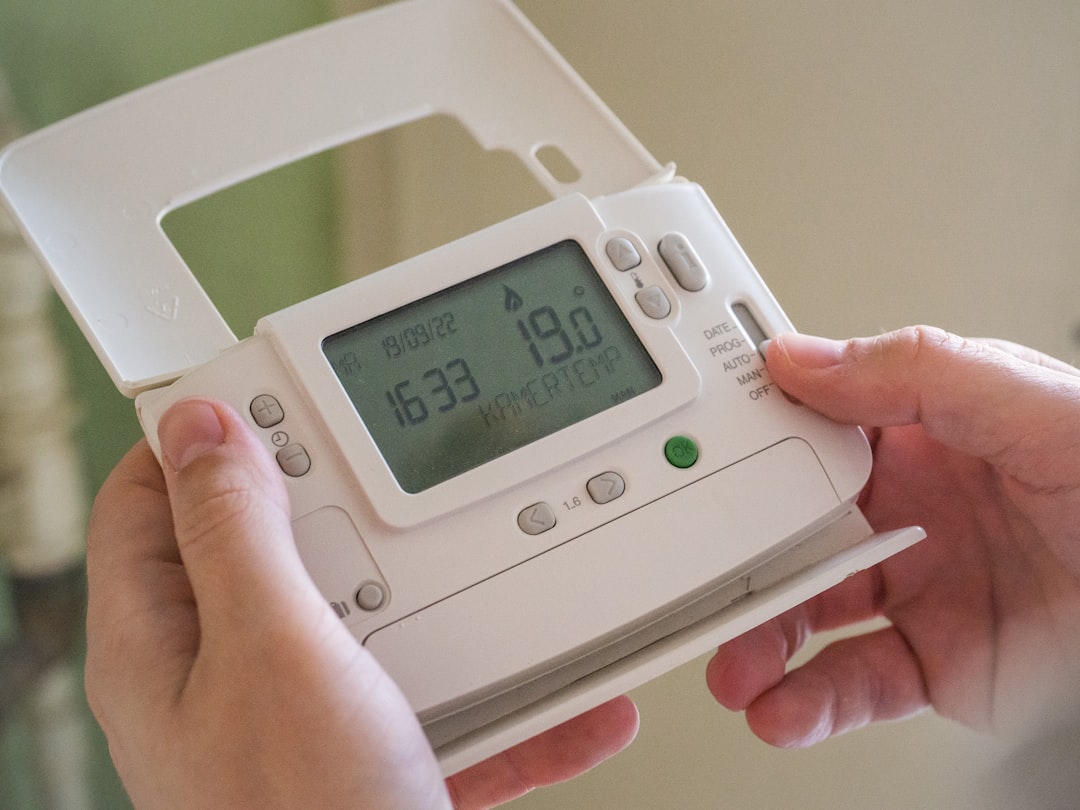
Smart controls let you reduce wasted runtime and shift load to cheaper periods (if you have time-of-use rates). They also enable adaptive strategies — e.g., setback schedules, occupancy sensing, and geofencing — that reduce hours of operation without sacrificing comfort. Look for local tools that tie into utility programs or load-shifting plans.
Behavioral changes that move the needle
Small behavioral shifts can have outsized effects: using clothing layers (a point reinforced in lifestyle discussions like clothing layers to reduce heating use), tempering thermostat setbacks, and avoiding heat loss during entertainment events (see our piece on home entertainment energy) all help. Behavioral design — nudges from apps and schedule automation — frequently produces immediate savings.
Pro Tip: Before a major equipment purchase, run a simple HVAC audit: inspect ducts, seal top plates, add weatherstripping to doors, and install a smart thermostat. These low-cost steps often reduce needed capacity and shorten equipment payback periods.
Financing, incentives and ROI
Available incentives and rebates
Federal, state, and local incentives often cover a meaningful portion of efficient heat pump and geothermal installs. Check utility rebates and tax credits; these can flip a marginal project into a clear winner. Always require your installer to provide a rebate worksheet with the quote.
Financing options
Options include low-interest home energy loans, PACE programs, manufacturer financing, and on-bill financing. Consider the total cost of borrowing against expected energy savings and tax incentives; lower monthly payments can sometimes mask long payback horizons.
How to run a payback sensitivity analysis
Construct at least three scenarios — conservative, expected, optimistic — with different fuel price trajectories and efficiency degradation. Use a multi-year spreadsheet that includes maintenance and replacement costs. For context on planning for uncertain long-term costs, see frameworks from financial planning discussions such as planning for long-term costs — similar risk models and sensitivity testing apply to HVAC choices.
Installation, maintenance and operational best practices
Finding and vetting installers
Get multiple bids and require load calculations. Verify licensing, request client references, and insist on performance guarantees. Check installer familiarity with cold-climate heat pumps and ductless zoning if those systems interest you.
DIY boundaries and professional work
Some homeowners can handle minor HVAC maintenance, but most major installs require licensed technicians due to refrigerant handling and combustion appliance safety. See our earlier DIY guidance to understand safe limits using examples like DIY installation considerations — appliances differ, but the principle is the same: know when to call a pro.
Maintenance checklist
Annual checks for heat pumps and furnaces extend life and sustain efficiency: filter changes, refrigerant charge checks, duct sealing, combustion safety testing, and condensate drain inspections. Regular maintenance reduces emergency replacements — unexpected system failures are a financial shock similar to corporate collapses highlighted in risk lessons like risk of unexpected large expenses.
Sustainability and future-proofing
Electrification and grid decarbonization
As grids decarbonize, electric heat becomes cleaner over time. Choosing electrified HVAC (heat pumps) can lock in future emissions reductions, particularly if you pair systems with on-site solar, battery storage, or demand-response programs. Model both current grid carbon intensity and expected grid changes when calculating emissions impacts.
Resilience and backup strategies
Consider resiliency: in an extended grid outage, a gas furnace (with fuel availability) could be useful, or a small generator with a heat pump and battery could maintain critical loads. Your local climate and outage patterns should influence backup planning.
Smart-grid, AI and sensors
Emerging tools combine smart sensors and AI to optimize system runtime and shift loads for cost savings. From learning thermostats to whole-home energy platforms, these systems can reduce bills by automatically balancing comfort and cost. For parallels on how new tech reshapes monitoring, see smart sensors and health tech and how AI adoption is changing practice in other fields like AI for energy optimization.
Real-world case studies and decision frameworks
Case study: suburban retrofit
A 2000 ft2 suburban home with aging gas furnace and poor insulation replaced the furnace with a cold-climate heat pump, added attic insulation, and sealed ducts. Despite higher upfront cost, the homeowner reduced annual bills by 35% and earned rebates that shortened payback to 5 years. The key was combining envelope improvements and efficient equipment.
Case study: urban apartment conversion
An owner converting a multi-family building swapped individual electric resistance heaters for ductless mini-splits and tenant-level thermostats. The result: improved tenant comfort and a 20% drop in total building energy consumption. Zone control mattered for varied occupancy patterns — an approach supported by modern behavior tools similar to those discussed in apps that change behavior.
Decision checklist
Use this checklist when evaluating quotes: (1) Verified load calculation, (2) Detailed savings model with local rates, (3) Incentive worksheet, (4) Maintenance and warranty specifics, (5) Installer references and performance guarantees. If modeling is challenging, use a conservative price escalation for fuel and run a sensitivity analysis similar to approaches used in personal finance risk assessments like investment risk frameworks.
Practical tips for living with higher energy costs
Seasonal operational tactics
Shift heating strategies seasonally: use setback schedules in shoulder months, allow multi-zone setbacks when rooms are unoccupied, and exploit passive solar gains on sunny days. These small changes reduce annual run hours and extend equipment life.
Appliance and behavioral synergy
Reduce heating energy by coupling HVAC changes with behavior: wear warmer clothing indoors (see lifestyle encouragement in clothing layers to reduce heating use), schedule energy-intensive tasks during warmer parts of the day, and limit heat loss during home entertainment nights by avoiding opening doors during gatherings (linked to insights on home entertainment energy).
Consider pets and sensitive loads
Homes with pets or temperature-sensitive systems (like aquariums) have different constraints. For guidance on pet care and special heating needs see our companion resources such as pets' heating needs and aquarium temperature notes in temperature-sensitive appliances.
Wrapping up: How to make choices that survive rising energy costs
Prioritize envelope and controls
Start with sealing, insulating, and better controls. These are the highest return moves that reduce required equipment capacity and operating hours. Many homeowners find these changes pay back faster than equipment swaps alone.
Model multiple price scenarios
Make decisions robust to uncertainty by modeling conservative, expected, and optimistic fuel price paths. Use a reasonable time horizon (10–15 years) for payback and include maintenance and likely replacement costs. Financial planning resources on handling long-term uncertainty (e.g., lessons for healthcare costs) are instructive for HVAC planning; read more on planning for long-term costs.
Take small actions now
Even while you plan a major upgrade, low-cost changes (LEDs, programmable thermostats, duct sealing) reduce exposure to rising costs. A short maintenance checklist executed annually prevents surprises that can become major expenses — a concept echoed in broader maintenance and roster evaluation contexts such as maintenance checklist.
FAQ — Common homeowner questions (click to expand)
Q1: Will a heat pump always be cheaper than a gas furnace?
A1: Not always. It depends on local electricity and gas prices, the home's heating load, and system efficiency. Model both options with your local prices and a conservative future price scenario. Heat pumps often win where electricity is moderate and gas is expensive or when you plan to add solar.
Q2: How much will insulation reduce my heating bill?
A2: Upgrades (attic insulation, air sealing) commonly cut heating demand by 10–30%. Savings depend on current insulation levels, climate, and the quality of air sealing.
Q3: What maintenance reduces the most energy waste?
A3: Filter changes, refrigerant charge checks for heat pumps, combustion testing for furnaces, duct sealing, and thermostat calibration are high-impact items that sustain efficiency.
Q4: Can smart thermostats pay for themselves?
A4: Often yes — especially when combined with disciplined setback schedules and multi-zone control. Savings vary, but many homeowners see payback under 2–4 years when used aggressively.
Q5: Is electrification always the right sustainability choice?
A5: Electrification aligns with decarbonization when the grid is decarbonizing or when paired with onsite renewables. In some regions where electricity is still carbon-heavy and expensive, a hybrid or efficiency-first approach may be preferable in the short term.
Related reading
- Exploring the Wealth Gap - A deeper look at financial planning and long-term risk that complements HVAC investment analysis.
- UK Designers and Ethical Sourcing - Useful perspective on sourcing and lifecycle thinking for sustainable home improvements.
- Pet Dietary Needs - For homeowners balancing pet comfort with energy savings.
- Crafting Empathy Through Competition - Lessons on behavior change and community programs that can support local efficiency initiatives.
- Mount Rainier Lessons - A case study in resilience and preparedness applicable to home energy backup planning.
Deciding on HVAC when energy costs are rising means thinking beyond sticker price: focus on lifetime cost, resilience, and how behavior and envelope improvements change your options. Use this guide, run conservative scenarios, and demand clear, written performance assumptions from contractors. Energy-cost uncertainty is real — but the right equipment choice coupled with smart design and controls will protect your budget and comfort for years.