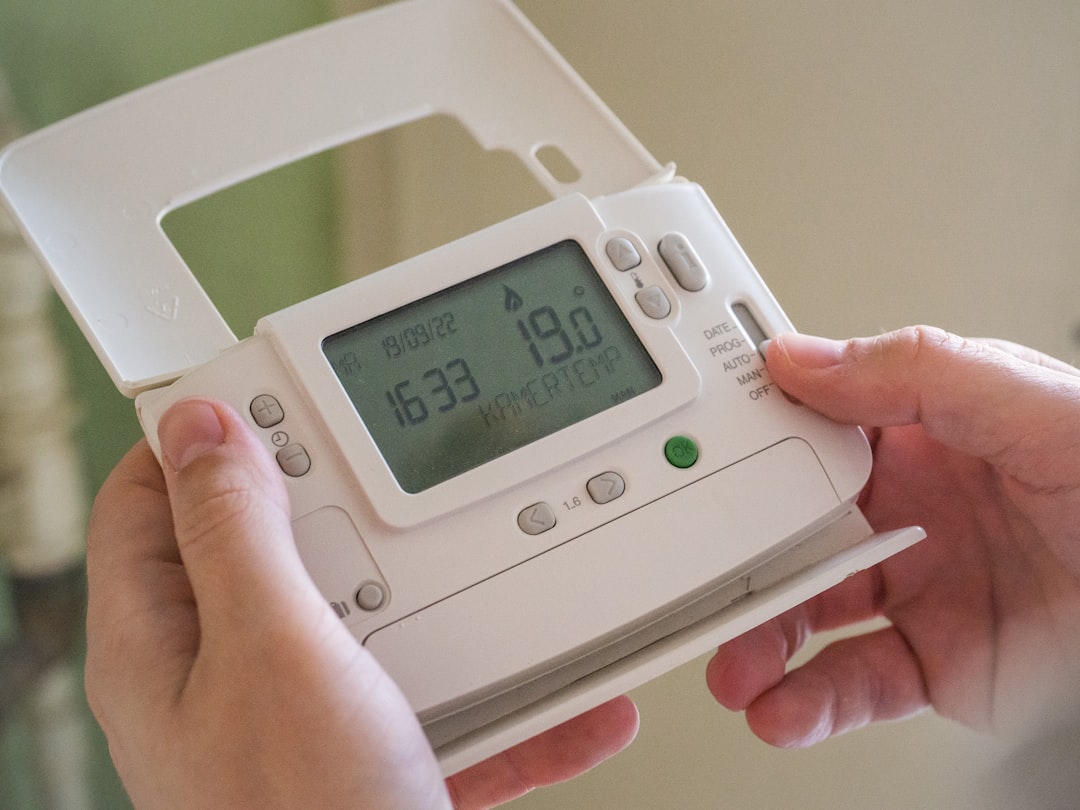
As the temperature rises and summer sets in, maintaining a healthy and comfortable home environment becomes more challenging. Extreme summer conditions, characterized by soaring temperatures, high humidity, and increased outdoor pollutants, directly impact indoor air quality and home comfort. Most homeowners rely on their HVAC systems not only for temperature control but increasingly for managing air quality inside their homes. However, adapting HVAC systems specifically for summer conditions is essential to ensure reliable temperature regulation, effective humidity control, and optimal ventilation that supports home health.
1. Why Indoor Air Quality Suffers in Extreme Summer Heat
1.1 The Effect of Heat and Humidity on Air Quality
Summer heat intensifies indoor humidity levels, especially in regions with high outdoor moisture. Elevated humidity encourages mold growth, dust mite proliferation, and airborne bacteria, severely degrading indoor air quality. Moreover, warm air holds more pollutants and allergens, which can become trapped indoors without sufficient ventilation.
1.2 Increased Outdoor Pollutants During Summer
Hot weather often comes with smog, pollen, wildfire smoke, and ozone spikes, all of which affect outdoor air quality. These contaminants can infiltrate homes through open windows, doors, and ventilation systems unless properly filtered, leading to respiratory irritations and allergies for occupants.
1.3 The Challenge of Sealed Homes and Poor Ventilation
Modern energy-efficient homes are often tightly sealed to conserve energy but this can trap indoor pollutants. Without adequate ventilation, volatile organic compounds (VOCs) from household products, off-gassing materials, and human activity accumulate, worsening indoor air quality. The need for effective ventilation becomes critical in summer to balance energy use and air freshness.
2. Key HVAC Adaptations to Improve Indoor Air Quality in Summer
2.1 Upgrading Air Filters for Enhanced Particle Capture
One of the most straightforward HVAC adaptations is installing high-efficiency air filters. Filters rated MERV 13 or higher can trap finer particles such as pollen, dust, and smoke. For homeowners sensitive to allergens or living in high-pollution areas, upgrading to HEPA-grade filtration further improves air purification. Regular replacement of filters is vital, as clogged filters reduce airflow and system efficiency.
For detailed guidance on choosing air filters suitable for your HVAC system, consult our comprehensive resource.
2.2 Incorporating Advanced Humidity Control Solutions
Effective humidity control mitigates mold, dust mites, and sticky indoor environments. Air conditioners inherently remove moisture, but supplemental dehumidifiers or integrated humidistats can fine-tune levels. Specifically, maintaining indoor relative humidity between 40-60% is ideal. Smart HVAC thermostats with humidity sensors allow for automatic adjustments based on real-time data, balancing comfort and air quality.
2.3 Enhancing Ventilation Strategies
Proper ventilation replaces stale indoor air with fresh outdoor air while minimizing heat gain. Mechanical ventilation systems such as energy recovery ventilators (ERVs) or heat recovery ventilators (HRVs) introduce filtered, conditioned air efficiently. They pre-cool or pre-humidify incoming air, reducing HVAC load. Additionally, scheduling fans and exhaust systems during cooler parts of the day can improve airflow without compromising energy use.
3. Temperature Regulation Considerations for Summer HVAC Optimization
3.1 Proper Sizing to Avoid Overworking Systems
Oversized HVAC units can short cycle, causing inadequate moisture removal and inefficient cooling. Conversely, undersized systems cannot maintain desired temperatures, straining components. A professional HVAC load calculation tailored for summer needs ensures the system matches your home’s cooling load, preventing negative impacts on temperature regulation and air quality.
3.2 Zoning Systems for Targeted Cooling
Zoning HVAC systems divide a home into independently controlled areas, allowing precise temperature and airflow management. This reduces energy waste and prevents overcooling of unoccupied rooms, which can impact humidity and air stagnation. Zoning also improves occupant comfort and indoor environment quality throughout the hottest months.
3.3 Smart Thermostats and Automation
Modern smart thermostats adapt cooling schedules based on occupancy patterns, weather forecasts, and humidity levels. Many models offer integration with IAQ sensors, enabling automatic responses to deteriorating air quality, such as increasing ventilation or adjusting fan speeds. As detailed in our guide on smart thermostats, these technologies optimize system efficiency and indoor comfort.
4. Air Filtration and Purification Technologies for Summer
4.1 Standard HVAC Filters vs. Advanced Solutions
While basic filters capture large airborne debris, advanced solutions like electrostatic precipitators and UV germicidal irradiation systems target smaller particles and microbes. HVAC systems adapted with these enhancements provide superior removal of bacteria, viruses, and volatile organic compounds, essential during summer when indoor air stagnation risks increase.
4.2 Portable Air Purifiers as Supplementary Devices
In rooms where HVAC filtration is insufficient or pollution is high, portable purifiers equipped with HEPA and activated carbon filters can dramatically improve local air quality. Units with smart sensors that adjust operation based on pollutant levels maintain optimal settings with minimal user effort.
4.3 Maintenance Tips for Sustaining Air Quality
Regular cleaning of ducts, coils, and vents prevents buildup of dust and mold. Scheduling professional maintenance before and during summer ensures filters and components work effectively. For more information on maintenance routines, explore our HVAC maintenance checklist.
5. Ventilation Best Practices to Combat Summer Indoor Pollution
5.1 Natural vs. Mechanical Ventilation
Natural ventilation via windows can introduce cooler air early morning or late evening but risks bringing outdoor pollutants inside during peak heat and pollution hours. Thus, combining natural ventilation with mechanical systems that filter and condition incoming air strikes a balance between air exchange and quality.
5.2 Using ERVs and HRVs Effectively
Energy Recovery Ventilators transfer energy between inbound and outbound airflows to minimize heat gain while maintaining fresh air supply. These systems reduce cooling costs compared to opening windows and ensure controlled ventilation. Proper sizing and placement, as described in our ERV benefits article, are critical for performance.
5.3 Managing Airflow Patterns Indoors
Optimizing fan placement and duct design enhances airflow distribution, preventing stagnation zones where pollutants accumulate. Ceiling fans programmed to rotate counterclockwise during summer help circulate cooler air downward. These simple adaptations complement HVAC strategies to preserve indoor air quality.
6. Humidity Control: A Pillar of Summer HVAC Adaptation
6.1 Impact of Humidity on Comfort and Health
High humidity reduces the body's ability to cool itself via evaporation, causing discomfort and increased energy use. Additionally, it fosters growth of mold and dust mites, triggers allergies, and impacts respiratory health. On the other end, excessively dry air can irritate skin and respiratory tracts, making balanced humidity control crucial.
6.2 Dehumidification Technologies
Modern HVAC systems integrate variable-speed compressors and dehumidification cycles that maintain optimal moisture levels without excessive cooling. Standalone dehumidifiers are effective in basements or moisture-prone areas. For integrated solutions, explore our humidity control technologies analysis.
6.3 DIY and Behavioral Adjustments
Simple actions such as minimizing indoor plants, using exhaust fans in kitchens and bathrooms, and drying clothes outdoors reduce indoor moisture. Combined with HVAC adaptations, these help maintain a balanced indoor environment during the most humid summer days.
7. Energy Efficiency and Cost Implications of HVAC Adaptations
7.1 Balancing Air Quality and Energy Use
Increasing ventilation and filtration can raise energy consumption. However, strategic use of ERVs, smart thermostats, and efficient filter options maintains air quality without dramatic cost increases. Choosing ENERGY STAR-rated equipment contributes significantly to savings.
7.2 Cost-Benefit Analysis for Upgrades
Upfront costs for advanced filters or ventilation systems may seem high but pay off through reduced HVAC wear, lower energy bills, and improved occupant health. Our detailed cost-benefit guide helps homeowners evaluate investments.
7.3 Rebates and Incentives
Many local governments and utilities provide financial incentives for installing energy-efficient or IAQ-enhancing HVAC components. Checking eligibility for programs can ease the transition to summer-ready HVAC adaptations.
8. Real-World Case Study: Successful HVAC Adaptation in a Humid Hot Climate
8.1 Background
A suburban home in Houston, Texas experienced poor indoor air quality during summer, with mold issues and high humidity complaints. The original HVAC system was undersized and equipped only with basic filtration.
8.2 Implemented Solutions
The homeowner upgraded to a MERV 13 filter, installed an ERV for controlled ventilation, integrated a smart thermostat with humidity sensors, and scheduled quarterly professional HVAC system maintenance. Supplemental portable air purifiers were placed in bedrooms.
8.3 Results and Benefits
The house achieved regulated indoor humidity between 45-55%, a significant reduction in airborne allergens, and energy savings of 12% during summer months. Residents reported better comfort and less allergy symptoms. This underlines the value of a comprehensive HVAC adaptation approach as found in our case studies database.
9. Comparison Table: HVAC Adaptation Options for Summer IAQ
| Adaptation | Primary Benefit | Recommended For | Estimated Cost Range | Energy Impact |
|---|---|---|---|---|
| High-Efficiency Air Filters (MERV 13+) | Improved particle filtration | All homes, allergen-sensitive occupants | $20-$100 per filter | Low |
| Energy Recovery Ventilators (ERVs) | Controlled fresh air exchange, energy savings | Homes with poor natural ventilation | $1,000-$3,000 installed | Moderate (energy-saving) |
| Smart Thermostats with Humidity Control | Optimized temperature and humidity regulation | Tech-savvy homeowners seeking automation | $150-$350 | Low to moderate |
| Portable HEPA Air Purifiers | Localized pollutant removal | Rooms with high pollutant levels | $100-$700 | Low |
| Integrated Dehumidifiers | Humidity control to prevent mold | Homes in humid climates | $500-$1,500 installed | Moderate |
Pro Tip: Schedule HVAC maintenance in early spring to ensure your system is optimized before summer’s heat hits. Regular cleaning and timely filter changes are crucial for sustained indoor air quality.
10. Choosing a Reliable Installer and Service Provider
10.1 Importance of Local Expertise
Local HVAC technicians understand regional climate variations and typical indoor air quality challenges. Selecting a trusted provider ensures system adaptations are tailored to specific summer conditions prevalent in your area.
10.2 What to Look for in a Technician
Seek certifications (NATE, EPA for refrigerant handling), positive customer reviews, and transparent pricing. A professional will perform comprehensive load calculations and offer advice on finding vetted installers and service plans.
10.3 Long-Term Service and Support
HVAC system adaptations require ongoing support to maintain indoor air quality performance. Consider provider contracts that include seasonal inspections, emergency repairs, and filter replacements.
FAQ: Understanding Indoor Air Quality and Summer HVAC Adaptation
How often should I change my HVAC air filters during summer?
Filters should be checked monthly and replaced every 60-90 days, or sooner if you notice dust buildup or decreased airflow, especially in high pollen or pollution seasons.
Can I improve indoor air quality without upgrading my HVAC system?
Yes, using portable air purifiers, increasing natural ventilation during cooler periods, and reducing indoor pollutant sources help, though HVAC upgrades maximize long-term benefits.
Is it necessary to use an ERV or HRV in summer?
In hot and humid climates, ERVs improve ventilation efficiency by transferring heat and moisture, reducing energy costs while providing fresh air.
How does high indoor humidity affect cooling costs?
High humidity reduces cooling efficiency, making your system work harder and increasing energy consumption and bills.
What role do smart thermostats play in managing indoor air quality?
Smart thermostats monitor temperature and humidity in real time, adjusting HVAC settings automatically to optimize air quality and comfort.
Related Reading
- HVAC Maintenance Routines to Extend System Life - Learn critical upkeep tasks to keep your system running efficiently year-round.
- Ventilation Best Practices for Healthy Homes - Explore mechanical and natural ventilation methods for every climate.
- Humidity Control Techniques for Every HVAC System - Discover how to maintain balanced indoor moisture effectively.
- Choosing the Right HVAC Unit for Your Home - Get guidance on sizing and features tailored to your needs.
- Finding Vetted HVAC Installation and Service Providers - Tips for selecting reliable local professionals.