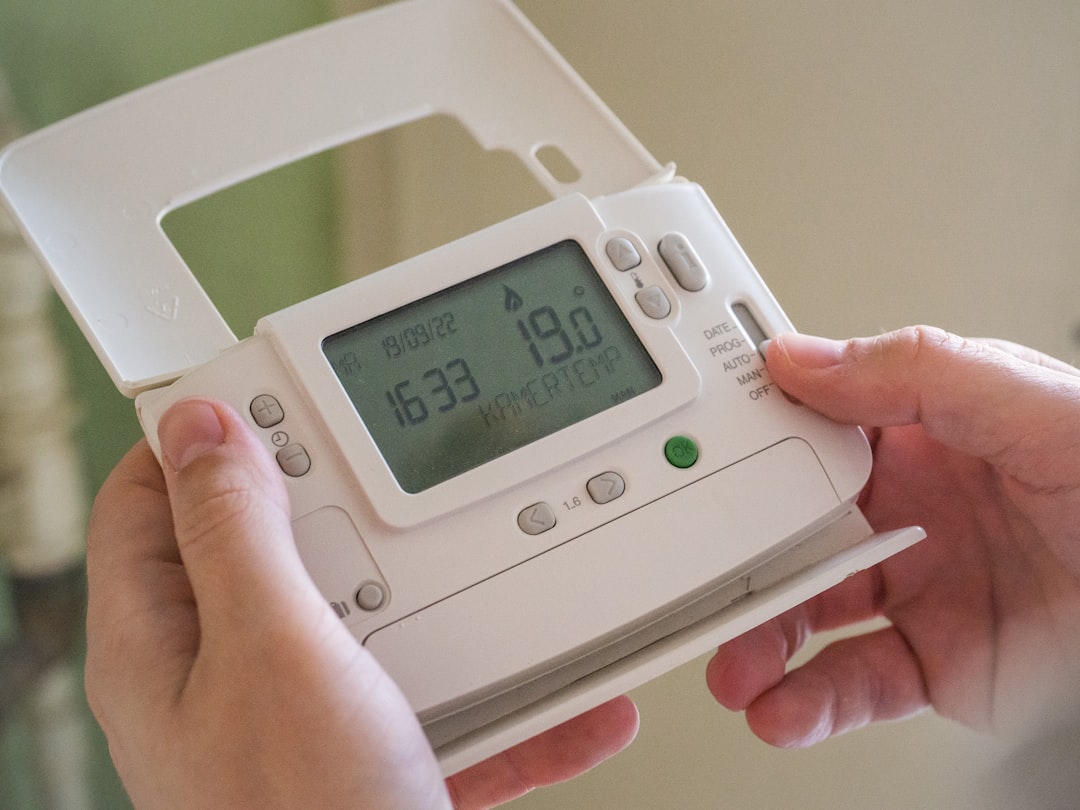
Ultra-high-temperature processing, or UHT processing, is a useful lens for understanding how modern heating systems are evolving. In food manufacturing, UHT systems succeed because they move heat quickly, control it precisely, reduce waste, and preserve product quality through repeatable performance. Those same traits matter when you are evaluating thermal efficiency, heat transfer, and long-term reliability in a furnace, boiler, heat pump, or other energy-efficient heating equipment. For homeowners, the big takeaway is simple: the best heating equipment is not just powerful, but controlled, durable, repairable, and designed to reduce operating waste over an entire lifecycle.
This matters in a market where homeowners are weighing upfront price against long-term operating costs, repairability, and replacement timing. Just as manufacturers in UHT processing invest in systems that can handle extreme temperatures without losing consistency, homeowners should look for HVAC equipment that performs efficiently under real-world load swings, cold snaps, and partial-duty operation. That means comparing not only efficiency ratings, but also component quality, service access, and how well a unit manages heat under stress. If you are also thinking about how systems are evaluated in other performance-driven markets, our guide on due diligence offers a useful mindset: ask what will still matter years after the sale.
Why UHT Processing Is a Surprising but Useful HVAC Model
Extreme heat works only when it is tightly controlled
UHT processing heats liquids to very high temperatures for a short time, then cools them quickly. The point is not brute force; the point is precision. That same principle applies to modern heating equipment, especially systems that must deliver comfort efficiently without overshooting or cycling wastefully. In a home, sloppy heat control shows up as temperature swings, short cycling, noisy operation, and higher utility bills.
Homeowners can learn from the way commercial thermal systems are designed to reduce unnecessary thermal exposure while still achieving the target result. When shopping for energy-efficient heating, look for equipment that uses variable-speed blowers, modulating burners, staged compressors, or adaptive controls. These features improve comfort because they allow the system to match output to load instead of blasting heat all at once. For a broader look at buying smarter in performance-driven categories, see how to spot a real deal and separate marketing hype from measurable value.
Consistency matters more than peak output
In UHT processing, consistency is what protects quality. One batch that overheats or underheats can damage the product, disrupt workflow, or create waste. In heating, consistency protects comfort and efficiency. A system that keeps temperatures stable is usually more efficient than one that constantly blasts and shuts off.
This is why equipment with better controls often outperforms lower-cost alternatives over time. It is also why durable HVAC equipment tends to be a better long-term purchase than a cheap unit that struggles under sustained use. For homeowners evaluating how equipment choices affect recurring expenses, our piece on big-ticket purchase value offers a helpful way to frame the decision around lifecycle, not just sticker price.
Heat transfer is the hidden performance metric
Most homeowners think in terms of BTUs, SEER, AFUE, or HSPF, but those ratings are really proxies for how well a system moves and manages heat. UHT equipment is built around optimizing heat exchange: fast transfer into the product, minimal loss to the environment, and controlled cleanup afterward. Heating systems work best when they do the same thing—move heat effectively into the home while reducing waste through duct losses, standby losses, or poor combustion.
That is why exchanger design, coil quality, and airflow path matter so much. Two systems can advertise similar efficiency labels and still behave differently in your house. If you want a practical parallel to physical system design, the article on high-end countertop blenders is surprisingly relevant: the right internal engineering often matters more than just motor size or surface claims.
The Heating Equipment Trends UHT Processing Makes Easier to Understand
Trend 1: Faster response without wasted overshoot
One of the clearest lessons from UHT processing is that speed is only valuable if control remains intact. Heating equipment is moving in the same direction. Modern heat pumps, furnaces, and boilers are increasingly designed for quick response without dumping excessive energy into a space. This is especially important in shoulder seasons, when heating loads are low and old systems waste a lot of fuel by overheating rooms and then idling.
For homeowners, faster response should not mean “more aggressive.” It should mean “more adaptive.” That is the difference between durable HVAC equipment built for modulated operation and a basic unit that cycles on and off. Smart controls, zoning, and improved heat exchangers all help reduce waste. If you like the logic of structured operational change, our guide on automation and service platforms explains how process control can reduce friction and speed up service.
Trend 2: Higher thermal efficiency through smarter transfer
UHT systems are designed to transfer heat very efficiently, then recover or manage that heat with minimal loss. Home heating equipment is increasingly following that same pattern. Condensing furnaces, cold-climate heat pumps, and high-efficiency boilers all attempt to extract more useful heat from the same energy input. That translates into lower operating costs, especially in homes with long heating seasons.
The homeowner lesson is to look beyond generic “energy-saving” claims and focus on the actual mechanism of efficiency. How does the equipment move heat? Does it recover exhaust heat? Does it minimize standby losses? Does it avoid frequent full-power starts? These questions matter more than flashy labels. If you want a broader example of evaluating claims versus actual performance, check how to read marketing claims like a pro.
Trend 3: Durability as a performance feature
Commercial thermal systems often live or die by durability. In a factory, equipment must survive temperature stress, repeated thermal expansion and contraction, and demanding service conditions. That reality is increasingly relevant to homeowners because heating equipment has become more complex, more integrated, and often more expensive to repair. Durability is no longer a bonus feature; it is part of the efficiency story.
Why? Because a system that breaks down frequently becomes expensive even if its nominal efficiency is high. Repair calls, part shortages, and downtime all increase the true cost of ownership. When evaluating products, ask whether the manufacturer has a reputation for parts availability, service access, and sensible design. For a related look at keeping equipment serviceable, our guide on reusable maintenance kits is a good reminder that maintainability saves money over time.
What Homeowners Should Prioritize When Buying Energy-Efficient Heating
Match system design to your home’s load, not just its square footage
One of the most common buying mistakes is selecting a heating system based only on home size. UHT processing works because engineers match thermal input to product volume, flow rate, and target outcome. Home heating requires the same discipline. A leaky older home with poor insulation has very different heating needs than a sealed, upgraded house with balanced ventilation. Oversizing or undersizing a system reduces comfort and efficiency.
Before buying, have a professional perform a Manual J load calculation or an equivalent engineering assessment. This helps determine the correct capacity based on climate, insulation, windows, orientation, and air leakage. If you are evaluating how systems fit within broader household infrastructure, our article on smart installations and durable choices shows how integrated planning can reduce costs and risk.
Look for efficiency across the whole operating range
A unit’s advertised efficiency at ideal conditions is only part of the picture. Most homes run under part-load conditions for much of the season. The best energy-efficient heating equipment maintains strong performance even when output is reduced. That is where variable-speed, modulating, and inverter-driven systems stand out.
Commercial thermal systems are frequently designed for variable throughput because constant full-power operation wastes energy. Homeowners should think the same way. Ask contractors how the equipment behaves at 30%, 50%, and 70% load, not just at maximum output. If you want a comparison framework for evaluating options, our guide to value-driven product comparisons illustrates why operational performance matters more than headline specs alone.
Choose repairability over disposable complexity
Repairability is one of the most underappreciated drivers of long-term operating costs. A highly efficient system that cannot be serviced quickly can become a financial headache. Homeowners should ask whether local technicians know the brand, whether replacement parts are widely available, and whether the system uses proprietary components that could create a bottleneck during a breakdown.
This is especially important for homeowners who expect to stay in the house for many years. If a system is hard to repair, a minor problem can become a major equipment lifecycle issue. For another angle on making durable buying decisions, see how buyers assess resilience and risk before committing capital.
Comparing Heating Options Through a UHT Lens
The table below translates UHT-style thermal thinking into practical homeowner comparisons. It is not about declaring one system universally best, but about understanding which technology best fits your climate, house, and maintenance tolerance.
| Heating Option | Heat Transfer Approach | Efficiency Strength | Repairability | Best Fit |
|---|---|---|---|---|
| Condensing furnace | Captures more heat from combustion exhaust | Strong when properly sized and vented | Usually good with common parts | Cold climates with natural gas access |
| Air-source heat pump | Moves heat rather than generating it directly | Excellent in moderate to cold climates with advanced models | Moderate; electronics matter | Homes focused on lower operating costs |
| Boiler | Transfers heat into water for distribution | Good for radiant comfort and stable output | Often strong if hydronic network is sound | Homes with radiant or baseboard systems |
| Ducted dual-fuel system | Switches between heat pump and furnace based on conditions | Very efficient across changing temperatures | Moderate complexity | Regions with wide seasonal swings |
| High-efficiency electric resistance system | Direct heat generation | Simple but generally less efficient on operating cost basis | High due to simpler design | Small zones or backup heat |
Think of this table as a practical framework rather than a ranking. The best system is the one that delivers the lowest total cost of comfort for your home, including installation, electricity or fuel, maintenance, and likely repairs. This is similar to how buyers in industrial markets assess the whole lifecycle instead of one metric. For more on taking a system-level view, our guide to analytics playbooks shows why operating data can reveal what brochures miss.
When higher complexity is worth it
UHT systems are not simple, but they are valuable because they solve a specific production problem efficiently. Home heating can be the same way. A more advanced system may be worth the added complexity if it cuts operating costs enough, improves comfort meaningfully, or reduces emissions in your area. For example, a cold-climate heat pump with variable-speed operation may cost more upfront but save significantly over a decade in a well-insulated home.
Complexity becomes a problem only when it outpaces serviceability. That is why it is smart to choose a model with a strong local installer network and a track record of dependable support. If you want to think about how product ecosystems affect user experience, the article on brand optimization and local trust offers a useful parallel for service availability.
What Commercial Thermal Systems Can Teach You About Long-Term Costs
Operating cost is usually more important than purchase price
Commercial buyers rarely judge thermal equipment by purchase price alone. They calculate energy use, downtime, maintenance, and replacement risk over many years. Homeowners should adopt the same mindset. A cheaper furnace or boiler can become more expensive than a premium unit if it uses more fuel, breaks down more often, or needs specialized repairs.
This is especially true for homes in heating-heavy climates. Even a modest efficiency gap can add up over 10 to 15 years. If you expect to own the home for a while, model monthly utility savings alongside expected service costs. For a related decision-making framework, see how market conditions affect big-ticket purchases.
Lifecycle planning prevents forced replacement
One of the hardest lessons in thermal systems is that the cheapest unit is not cheap if it dies early. UHT processing equipment is often selected for lifespan because repeated downtime destroys value. In HVAC, lifecycle planning means looking at expected service intervals, local parts support, and how likely the system is to survive heavy usage without major failures.
Homeowners should also ask whether replacement parts are modular and whether a technician can repair one section of the system without replacing the entire unit. This is where durable HVAC equipment separates itself from disposable design. For more on lifecycle-style planning in consumer buying, our guide to stacking limited-time deals helps explain how short-term savings can distort long-term value.
Service access is part of the product
In commercial environments, a machine that cannot be serviced quickly is a liability. The same logic applies to homes. Before buying, confirm that local contractors support the brand, that filters and common parts are easy to source, and that diagnostic tools are not locked behind obscure dealer-only systems. A service-friendly design lowers the risk of long outages during peak heating season.
If you are weighing product choices in a service-dependent category, our guide on enterprise-grade platforms underscores the value of support infrastructure. In HVAC, support infrastructure can matter as much as the hardware itself.
Heat Management Lessons for Better Home Comfort
Reduce waste by fixing the system around the system
UHT processors do not succeed because of one magic component. They succeed because the whole thermal chain is optimized—input, transfer, controls, and cleanup. Homeowners can apply that same lesson by improving insulation, sealing leaks, balancing airflow, and upgrading thermostats before blaming the equipment alone. Many “inefficient” homes are really homes with poor heat management.
In practical terms, that means testing attic insulation, sealing duct leaks, and managing windows and air leakage before or alongside an equipment replacement. If you want a more visual example of how hidden inefficiencies affect performance, the article on adapting gear for extreme weather is a useful analogy: the right system fails if the environment is not prepared for it.
Comfort is the best clue that efficiency is working
Many homeowners assume efficiency and comfort pull in opposite directions. In reality, the best systems improve both. Better heat transfer, steadier output, and lower cycling usually mean fewer cold spots and less dry, overheated air. That is a major advantage of variable-output equipment and well-designed duct or hydronic distribution.
When people say a home “feels warmer,” they are often describing improved radiant balance, fewer drafts, and more even surface temperatures. Those are signs that the heating system is managing heat well, not just producing it. To think about comfort as a product feature, see how comfort products are evaluated beyond price.
Pair efficiency upgrades with indoor air quality
Heating efficiency should not come at the expense of indoor air quality. Tight homes need balanced ventilation, good filtration, and humidity awareness. A very efficient system that creates stale air or overly dry conditions can still leave occupants dissatisfied. That is why modern heating buying decisions should consider fresh air delivery, filter quality, and humidity control alongside fuel use.
For homeowners who care about home safety as part of whole-house performance, our guide on interconnected smoke and CO alarms is a helpful reminder that comfort, safety, and system design belong together.
How to Evaluate a Heating Bid Like a Pro
Ask for the right numbers
Do not stop at the model number and a total price. Ask for efficiency ratings, expected annual operating cost, warranty terms, maintenance requirements, and the name of the local service company that will support the unit. You should also ask whether the quote includes airflow testing, combustion analysis, commissioning, and thermostat setup. Those details often determine whether the system actually performs as advertised.
Good bids should make it easy to compare apples to apples. If one contractor includes sizing calculations and commissioning while another does not, the cheaper bid may be incomplete rather than better. For a useful framework on separating quality from noise, our article on recognizing smart marketing is worth a read.
Demand a lifecycle explanation
The best contractors should be able to explain how the equipment will behave over time, not just on day one. Ask how often filters need replacement, what the warranty covers, how commonly the brand is serviced in your area, and what parts tend to fail first. This is the homeowner equivalent of evaluating commercial thermal systems based on lifecycle cost, not just peak specification.
If the installer cannot answer these questions clearly, that is a warning sign. You want a partner who can connect design choices to maintenance and operating realities. That perspective is similar to the one used in market trend analysis, where growth is not just about demand, but also about the systems that sustain it.
Use local serviceability as a tie-breaker
When two products look similar on paper, the better choice is often the one with stronger local support. That can mean more available technicians, better parts supply, or better documentation. Homeowners often regret choosing a slightly more efficient model if service delays become common.
In other words, repairability and support are not afterthoughts; they are part of energy efficiency because they affect how long the system can keep running efficiently. For an adjacent example of local trust and operational readiness, see curating a neighborhood experience and how local fit influences real-world satisfaction.
A Practical Buyer’s Checklist for Energy-Efficient Heating
Before you buy
Start with the basics: home load calculation, duct or hydronic assessment, insulation check, and fuel availability. Then decide whether your priority is lowest operating cost, lowest upfront cost, best comfort, or greatest durability. Those goals can point to different systems. A well-insulated home in a mild climate may be a strong candidate for a heat pump, while a colder home with existing gas service may benefit from a high-efficiency furnace or dual-fuel setup.
Also research brand reputation in your local market, not just nationally. Some equipment lines are excellent on paper but less practical in areas where service is thin. For a more general look at buying decisions under uncertainty, our guide on new-customer offers is a reminder to look past introductory pricing and into sustained value.
During installation
Proper installation often matters as much as the equipment itself. Even high-efficiency thermal systems underperform when airflow is wrong, refrigerant is off, combustion is poorly tuned, or zoning is not balanced. Make sure the installer commissions the system and documents the settings. A clean install also reduces future service headaches.
Ask for photos of critical work, startup data, and any calibration values. That documentation helps future technicians maintain the equipment correctly. If you appreciate process discipline in other fields, the article on validation checklists before rollout mirrors the same principle: verify before you trust.
After installation
Track your monthly energy use, comfort complaints, and service calls for the first year. That simple data can show whether the system is performing as promised. If bills are unexpectedly high, comfort is uneven, or the system short-cycles, you may need adjustments rather than a full replacement.
Keep the filter schedule, annual maintenance, and warranty documents in one place. Small habits preserve efficiency and extend equipment lifecycle. For homeowners who like being prepared, our guide on home cybersecurity checklists is a good model for organized upkeep.
FAQ: UHT Processing and Energy-Efficient Heating Equipment
What does UHT processing have to do with home heating?
UHT processing is a useful analogy because it shows how high-temperature systems can be efficient when heat is transferred quickly, controlled precisely, and managed with minimal waste. Home heating works best the same way: fast response, stable output, and low energy loss. The lesson is that “more heat” is not the goal—better heat management is.
Is the most efficient heating system always the best choice?
Not necessarily. The best system depends on climate, existing infrastructure, local fuel prices, repairability, and your home’s load profile. A technically efficient system can still be a poor buy if it is hard to service, expensive to install, or mismatched to your home. Total cost of ownership usually matters more than headline efficiency.
What should homeowners ask about repairability?
Ask whether local technicians service the brand, whether parts are easy to source, whether the equipment uses proprietary controls, and how long key components are covered under warranty. You should also ask what the most common failure points are. A system that can be repaired quickly is often more valuable than one that is slightly more efficient but difficult to maintain.
How can I tell if a system will lower operating costs?
Look at the efficiency rating, but also ask how the system performs at part load, what installation requirements it has, and whether it will need frequent service. A properly sized system with good controls can outperform a higher-rated but poorly installed unit. In many homes, installation quality and airflow balance strongly influence actual savings.
What is the biggest mistake buyers make?
The biggest mistake is focusing only on purchase price or only on the efficiency label. Homeowners need to evaluate the whole lifecycle: installation, energy use, maintenance, repairs, and expected service life. A smarter approach is to compare total ownership cost and local support, not just the number on the quote.
Should indoor air quality affect my heating choice?
Yes. High-efficiency heating should be paired with good ventilation, filtration, and humidity control. Tight, efficient homes can become uncomfortable if air quality is ignored. A good heating investment should make the home healthier and more comfortable, not just cheaper to run.
Conclusion: Think Like a Thermal Systems Engineer, Not Just a Shopper
UHT processing teaches a powerful lesson: thermal systems become more valuable when they are fast, controlled, efficient, and durable. Homeowners shopping for energy-efficient heating should use the same logic. The best equipment is not the loudest, the cheapest, or the most aggressively marketed. It is the system that transfers heat well, adapts to changing demand, stays repairable, and keeps long-term operating costs under control.
That means looking at your home as a system, not a single appliance. A strong buying decision combines proper sizing, good installation, local service access, and a realistic view of the equipment lifecycle. If you approach heating this way, you are far more likely to get comfort you can feel and savings you can measure. For more homeowner-focused buying guidance, revisit our insights on big-ticket value timing, operational efficiency, and whole-home safety upgrades.
Related Reading
- Benchmarking Link Building in an AI Search Era: What Metrics Still Matter? - A metrics-first approach that mirrors smart HVAC decision-making.
- CES to Controller: 7 Gadget Trends from CES 2026 That Could Change Your Setup - Useful for understanding how performance tech trends become household upgrades.
- From Unstructured PDF Reports to JSON: Recommended Schema Design for Market Research Extraction - A structured-data mindset that helps with bid comparison and product research.
- Using Your EV as an Emergency HVAC Backup: What You Need to Know - A practical look at backup power planning for home comfort.
- EV-Ready Parking Deals: Where Operators Can Save on Charging and Access Upgrades - Another example of balancing efficiency, infrastructure, and upfront costs.