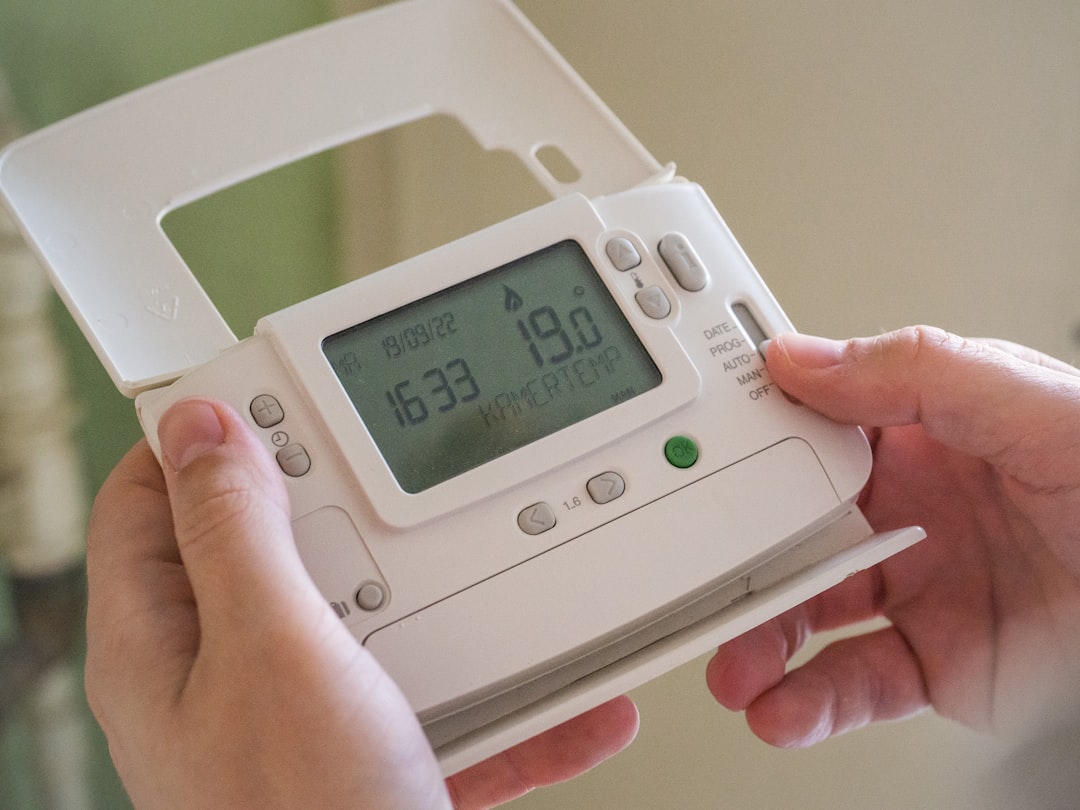
Winter maintenance isn't optional — it's the difference between a warm, efficient home and an emergency call on a subzero night. This deep-dive guide gives homeowners and renters a practical, step-by-step plan to safeguard furnaces, boilers, and heat pumps, reduce energy waste, and prevent costly breakdowns. You'll find DIY checks, troubleshooting workflows, when to call a pro, safety checks, and a prioritized seasonal checklist to follow before the cold really arrives.
Why Winter Maintenance Matters
Reduce the risk of mid-winter breakdowns
Heating systems that haven't been serviced fail at the worst times. A routine tune-up catches failing components (igniters, belts, sensors) before they cause a full breakdown. For perspectives on how businesses plan for seasonality and operational resilience, review insights from small hospitality operators who survive harsh seasons by planning ahead: how B&Bs thrive during adversity. Their approach to preventive maintenance translates directly to homeowners.
Lower energy bills and improve comfort
A poorly maintained system runs longer and uses more fuel. Small investments like filter changes, thermostat optimization, and duct sealing can cut consumption and keep you comfortable. If you want to adopt a broader minimal-energy lifestyle year-round, see our round-up on minimalist living and energy reduction for ideas that complement heating maintenance.
Safety and indoor air quality
Maintenance reduces carbon monoxide risk, prevents fires from clogged vents or malfunctioning burners, and improves indoor air. We'll cover the essential CO and ventilation checks later in this guide.
Pre-Winter Checklist: Tasks to Do Now
Visual and safety checks (DIY)
Walk around your appliance: look for soot, water pooling, unusual odors, or rust. Test CO detectors and replace batteries. Confirm clearances around combustion appliances are free from stored items and flammable materials.
Replace or clean air filters
Clogged filters reduce airflow, strain the blower motor, and lower efficiency. Replace disposable filters with the correct MERV rating (check your system manual). If you have washable filters, clean and dry them thoroughly. For rental or multi-occupant properties, incorporate filter replacement into move-in/move-out routines to maintain long-term performance; see related rental considerations in our piece about pet-friendly rentals and maintenance expectations.
Schedule a professional tune-up
Book a licensed HVAC technician for an annual inspection and service before peak winter demand. A professional will verify combustion efficiency, inspect heat exchangers, test safety controls, and calibrate thermostats. The ROI of an annual tune-up often shows up as fewer emergency repairs and a longer system life — we quantify task ROI in the comparison table below.
System-Specific Care: Furnace, Boiler, and Heat Pump
Gas and oil furnaces: what to check
Inspect the pilot/ignition system, heat exchanger, and burner. Look for yellow flames (which indicate incomplete combustion) or soot. Confirm that the flue or chimney is unobstructed. If your furnace is older, consider a safety inspection focused on the heat exchanger to avoid carbon monoxide leaks.
Boilers: bleeding radiators and pressure checks
For hydronic systems, bleed air from radiators and verify system pressure is within the manufacturer's range. A noisy or banging boiler often signals trapped air or low water pressure. If you’re unsure how to top up pressure safely, get a pro to show you the correct steps during your annual service.
Heat pumps: winter-specific tips
Heat pumps reverse cycle for heating and can ice up in very cold weather. Keep the outdoor unit clear of snow and ice, and check defrost cycle operation during damp, cold stretches. If you home-balance heating with a backup heat source, test that backup before the first major cold snap.
DIY Maintenance Tasks You Can Do in an Afternoon
Check and replace filters (frequency & tips)
Replace disposable filters every 1–3 months depending on household pollution levels, pets, and season. High MERV filters trap more particles but can restrict airflow if your blower isn't sized for them. If you have pets or allergies, check filters monthly in winter. Learn how small, frequent changes form part of a wider savings strategy — similar to personal finance planning in articles like cashback and savings strategies.
Clean vents, grilles, and registers
Vacuum dust and unblock floor or wall registers. Furnishings or curtains can obstruct airflow and create cold spots. For a seasonal deep clean approach, combine this with broader spring or fall cleaning rituals; see practical tips in our spring cleaning guide, which also offers effective decluttering techniques that make heating more efficient.
Inspect and insulate exposed pipes
Insulate accessible hot water and heating pipes to reduce heat loss and prevent freezing. Foam sleeves and pipe wrap are inexpensive and easy to install in basements and crawlspaces. In extreme cold pockets of your home, value-focused upgrades like pipe insulation deliver quick payback.
Troubleshooting Common Winter Problems
System won’t turn on
Start with power and thermostat: check circuit breakers, furnace switch, and thermostat batteries. If the system has power but won’t start, listen for unusual relays or clicking. A common fix is replacing thermostat batteries or resetting a tripped safety switch.
Uneven heating or cold rooms
Check airflow (filters and registers), confirm zone dampers are open, and inspect ducts for disconnected runs or visible leaks. Seal accessible duct leaks with foil HVAC tape (not cloth duct tape) and consider professional duct sealing if leakage is extensive.
Short cycling and frequent on/off
Short cycling causes wear and reduces efficiency. Causes include oversized equipment, thermostat placement (near heat sources), or airflow restrictions from clogged filters. If you’ve ruled out simple causes, a technician can evaluate control board and refrigerant levels (for heat pumps).
Energy-Saving Strategies That Complement Maintenance
Thermostat strategies and setbacks
Lowering the thermostat 7–10°F for 8 hours a day (or when everyone is out) can save substantial energy. Smart thermostats can automate setbacks and learn schedules; however, secure your smart devices and voice control (covered below) before connecting them to your home network.
Insulation and air sealing wins
Sealing gaps around windows, doors, and electrical boxes reduces heating loads. Add attic insulation or top-up existing insulation where possible — small thermal investments often produce the largest comfort gains. For holistic advice on reducing household energy demand, read about approaches to reducing consumption in technology-heavy homes in gaming-on-a-budget with sustainable solar solutions.
Consider upgrades with measurable ROI
Upgrades such as programmable thermostats, zone controls, or replacing an old furnace with a high-efficiency model can pay back over several years. When evaluating upgrades, compare upfront cost to expected annual fuel savings and local incentives; timing purchases well can yield additional savings similar to strategic buying advice in EV savings timing.
Pro Tip: Simple DIY fixes like replacing filters and adding pipe insulation often pay back in a single heating season. Schedule these tasks first — then layer on larger upgrades.
Smart Thermostats and Connected Devices: Secure Setup & Best Practices
Benefits and pitfalls of smart control
Smart thermostats can reduce bills through learning and remote control, but they require careful setup. Always change default passwords, keep firmware updated, and isolate IoT devices on a guest network if possible. Similar to best practices for protecting business systems, you can learn enterprise-level approaches in file sharing and small business security.
Voice assistants and identity/security considerations
Voice control adds convenience but increases attack surface. Read about identity verification issues in voice assistants and apply the same caution when pairing them with your heating system: limit voice purchases and use multi-factor authentication where available — more on voice security in voice assistant identity verification.
Fixing connectivity problems
If your thermostat loses connection, reboot the device and router, verify account credentials, and check for firmware updates. Persistent loss of connectivity may indicate router range issues — consider a mesh network if smart devices are becoming central to your home energy strategy, as advised in smart-home device overviews like portable smart-device guides.
When to Call a Technician: Red Flags and How to Pick One
Red flags that require professional attention
Unusual smells (especially rotten-egg sulfur), visible flames that aren’t steady, persistent leaks, loud metal-on-metal noises from the blower or compressor, or a non-resetting safety switch demand immediate attention. If you suspect a gas leak, evacuate and call your utility.
How to vet HVAC contractors
Check licensing, insurance, and local references. Ask for a written estimate and a breakdown of labor, parts, and warranties. Read business reliability guidance and complaint-handling practices from other industries for red-flag patterns: consumer complaint navigation can be instructive, for example, in how others approach retail disputes in commodity market analyses and local supplier issues.
Get a second opinion for large jobs
For major repairs or replacements, get two quotes and ask for modeled energy savings. Consider timing purchases to take advantage of incentives and manufacturer offers — timing matters in significant purchases, similar to strategic buying in consumer markets like those discussed in budgeting and timing savings guides.
Cost, Time & Savings: Task Comparison
Below is a practical comparison of common winter maintenance tasks: estimated time, typical DIY difficulty, cost range, and expected annual savings. Use this to prioritize work that delivers the best return this season.
| Task | Time to Do | DIY Difficulty | Typical Cost | Expected Annual Savings |
|---|---|---|---|---|
| Replace HVAC filter | 15–30 min | Easy | $10–$50 | 1–5% of heating bill |
| Seal accessible duct leaks | 1–3 hrs | Moderate | $0–$75 (materials) | 3–10% of heating bill |
| Pipe insulation (visible runs) | 1–2 hrs | Easy | $10–$80 | 1–4% of heating bill |
| Professional tune-up | 1–2 hrs | Pro required | $80–$250 | 5–15% of heating bill + reduced repair risk |
| Thermostat upgrade (smart) | 30–90 min | Moderate | $120–$300 | 6–12% of heating bill (if used correctly) |
Real-World Case Studies & Examples
Small rental owner saves on heating through simple steps
A rental property owner swapped old, low-efficiency thermostats for programmable units, established a quarterly filter-replacement schedule, and sealed attic bypasses. Their winter gas use dropped noticeably — a story mirrored in hospitality operators that succeed through routine operational checks. See the B&B resilience approach for inspiration: B&Bs that thrive during adversity.
Family avoids an emergency replacement with a pre-winter inspection
An annual tune-up caught a cracked heat exchanger in time; replacing it on the technician's schedule avoided a total furnace failure in cold weather and reduced CO risk. The preventive action cost less than emergency replacement and downtime.
Integrating renewable energy and heating
Some homeowners combine solar generation with electric heat pumps to reduce winter bills. If you're considering cross-over savings strategies (charging EVs, reducing overall household energy demand), read how homeowners balance energy-hungry devices with sustainable solutions at scale: balancing tech and sustainable solar and the EV buying timing perspective in EV savings guidance.
Preparing for Cold-Weather Surprises: Budgeting & Planning
Create an emergency heating fund
Unexpected repairs are easier to handle with a dedicated fund. Aim for $500–$1,500 depending on the age of your system. Use personal finance tactics — small recurring savings and cashback strategies — to build that cushion, similar to the advice in cashback saving strategies.
Watch energy prices and incentives
Fuel and electricity markets change; keep an eye on regional energy trends to time large investments or fuel purchases. Market shifts are discussed in commodity analyses like how commodity prices affect local markets, giving context for why your heating costs can rise during a season.
Plan maintenance into your calendar
Set recurring calendar reminders for filter checks, pre-winter tune-up scheduling, and mid-winter basic inspections. If you run many connected devices, coordinate firmware and security updates at the same time — guidance that parallels digital maintenance best practices in digital security lessons.
Final Checklists and Seasonal Workflow
Two-week pre-winter checklist
- Replace HVAC filters - Test carbon monoxide alarms and replace batteries - Book a professional tune-up - Clear outdoor units and flues of debris - Check programmable thermostat schedule
Monthly winter routine
- Inspect filters and replace if dirty - Check vents and registers for blockages - Monitor energy consumption for sudden spikes - Verify no unusual noises or odors from heating equipment
Emergency action steps
If your system fails during extreme cold: (1) Check breakers and reset systems, (2) Call your scheduled HVAC contractor and ask for emergency protocols, (3) Use secondary heat safely (space heaters with tip-over protection), and (4) Consider temporary relocation if necessary for safety. Prepare for outages similar to how other households budget and plan for service interruptions — tactics comparable to those in consumer preparedness articles like budget and planning guides.
Frequently Asked Questions (FAQ)
Q1: How often should I replace my furnace filter in winter?
A: For most households, every 1–3 months is appropriate. If you have pets, smokers, or serious allergies, check monthly and change more often. Higher-efficiency filters trap more particles but can restrict airflow if your HVAC blower isn’t sized for them.
Q2: Can I perform my own furnace tune-up?
A: You can perform basic maintenance (filter changes, visual inspections, clear vents), but a full tune-up should be done by a licensed technician to inspect combustion, safety controls, and heat exchangers.
Q3: What maintenance helps prevent frozen pipes?
A: Insulate exposed pipes, keep cabinet doors open to allow warm air to circulate, maintain minimum home temperature if you're away, and seal drafts near plumbing penetrations.
Q4: How do smart thermostats affect my heating bills?
A: Smart thermostats can lower bills by automating setbacks and optimizing schedules, but benefits depend on correct configuration. Secure them using best practices for smart devices to avoid disruptions: see guidance on securing voice assistants and IoT devices in voice assistant security.
Q5: When should I replace my entire heating system?
A: Consider replacement if your system is >15–20 years old, needs frequent repairs, or has efficiency below current standards. Compare replacement costs and projected energy savings and check for incentives; timing purchases can improve ROI, like timing other large consumer buys in market-savvy articles such as cashback and savings strategies.
Closing: Prioritize Preventive Maintenance This Season
Winter maintenance is an investment in comfort, safety, and cost control. Start with high-value, low-cost tasks (filters, vent clearing, pipe insulation), schedule a professional tune-up, and secure smart devices before automating controls. Use the table above to prioritize work by ROI, and keep an emergency fund for unexpected repairs. For broader household energy-saving ideas and how technology affects your energy consumption, review integrated strategies in minimalist energy-reduction strategies and practical device balancing in balancing high-energy devices.
Related Reading
- Spring Cleaning Made Simple - Use seasonal cleaning to complement your heating maintenance routine.
- Unlocking Savings with Cashback Strategies - Build an emergency fund from routine savings.
- Minimalist Living & Energy Reduction - Broader lifestyle tips that lower heating demand.
- The Energy Crisis in AI - Context on higher-level energy trends that can impact prices.
- Strengthening Digital Security - Secure your smart-home devices and avoid vulnerabilities.