Energy efficiency doesn't have to mean expensive renovations or long payback periods. This guide walks homeowners through pragmatic, budget-friendly upgrades — from simple DIY air-sealing to targeted appliance swaps and financing strategies — that reduce bills, boost comfort, and increase home value. We'll provide step-by-step actions, real-world cost and savings estimates, and resources to help you pick installers or do the work yourself.
Why affordable efficiency matters now
Energy bills and household budgets
High and volatile energy prices make small efficiency wins more important than ever. For many households, shaving 10-20% off heating or electric use can free up dozens or hundreds of dollars each month. Practical changes done right often pay back within 1–5 years, with low-cost work offering the fastest returns.
Environmental and resale benefits
Efficiency upgrades reduce your carbon footprint and increase resale value. When marketing a home, buyers notice lower expected utility costs and simple certifications (like an energy audit report). If you're buying or selling, check our checklist for inspections and what to look for in a property: the essential condo inspection checklist for new homeowners.
Start with a plan
Begin with an energy audit (DIY or professional) to prioritize measures that give the biggest returns in your home. If you plan to hire someone for installations, learn how to choose and vet contractors properly — our guide on how to vet home contractors shows questions and red flags that protect your budget and schedule.
Quick wins: low-cost measures with fast payback
LED lighting and smart controls
Switching to LED bulbs is one of the cheapest and fastest wins: expect 50–80% less lighting energy and bulbs lasting 10–20× longer. Combine LEDs with occupancy sensors and timers for rooms like halls and bathrooms. For a deeper look at how smart equipment affects bills, see our analysis of smart appliances' impact on your bills.
Weatherstripping and door sweeps
Aeroseal and weatherstripping around doors and windows cost under $50 in materials and can reduce drafts significantly. Focus on exterior doors and attic entry points. These simple fixes often pay for themselves in a single heating season in colder climates.
Thermostat setbacks and behavior changes
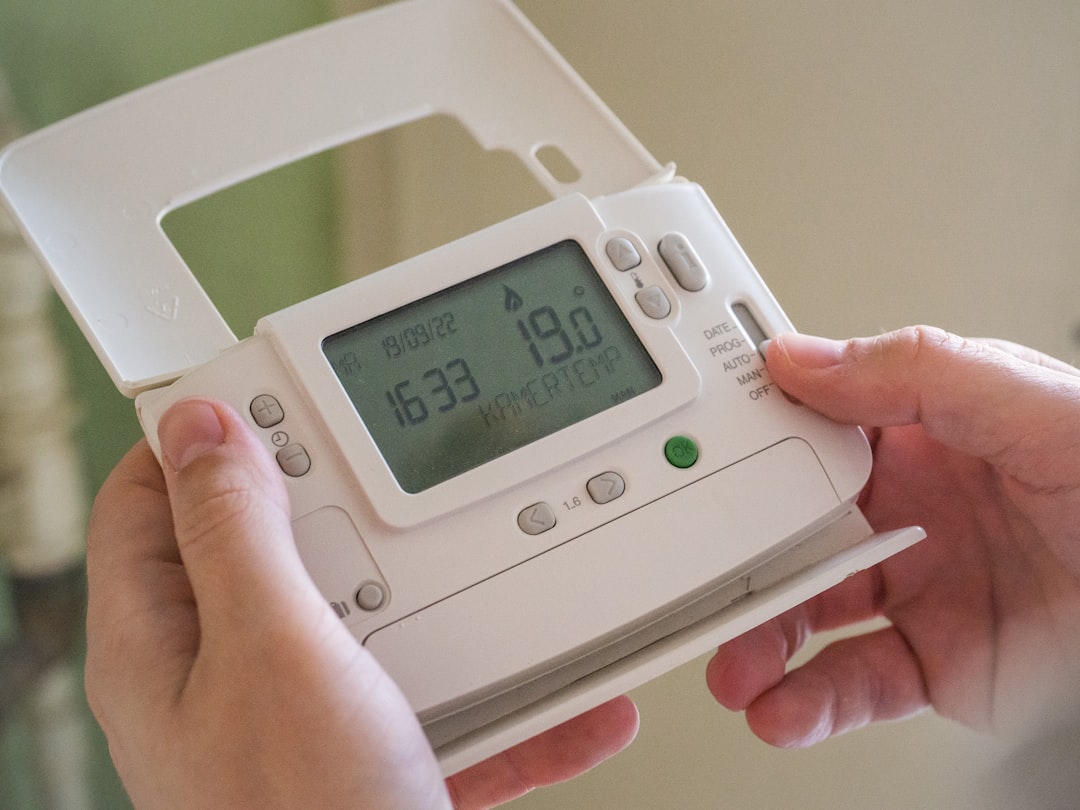
Lowering the thermostat by 1–2°F when you're asleep or away can cut annual heating energy by 3–5%. A programmable or smart thermostat magnifies that benefit without daily effort. If you adopt multiple behavioral measures alongside low-cost upgrades, savings compound quickly.
Insulation and air sealing: small jobs, big impact
Stop the obvious leaks first
Start by air-sealing major leakage points: attic hatches, recessed lighting, and gaps around chimneys and plumbing penetrations. A can of expanding foam and a roll of silicone-backed weatherstrip will handle most problems. For guidance on ordering and logistics of materials and installers, consider researching local supply chains; learning about reducing transportation costs can help if you’re sourcing heavy materials: reducing transportation costs.
Insulating the attic affordably
Attic insulation is one of the highest-return investments. Adding blown-in cellulose or fiberglass to reach recommended R-values is a mid-range cost but often has a 2–4 year payback. If you DIY, rent a blower; if you hire out, get multiple quotes and check contractor transparency as discussed in our piece on corporate transparency when selecting suppliers — the same principles apply to contractors.
Basement and crawlspace tips
Insulating basement rim joists and sealing crawlspaces reduces heat loss and moisture issues. Use closed-cell spray foam in tight cavities or rigid foam board for rim joists. These targeted measures protect piping and HVAC equipment from cold spots and improve overall system efficiency.
Heating and cooling upgrades on a budget
Service, tune-ups, and filter discipline
Before replacing equipment, get a professional tune-up: cleaning coils, calibrating thermostats, and replacing filters improves performance dramatically. Regular maintenance extends equipment life and prevents efficiency drift. If you need help finding reliable professionals, our contractor vetting guide is useful: how to vet home contractors.
Smart thermostats vs. programmable thermostats
Smart thermostats can save 8–12% on heating and 15% on cooling compared with non-programmable controls by optimizing schedules and learning patterns. If you buy one, look for models that integrate with home systems; check the emerging role of smartphone integration in HVAC systems for future-proofing: the future of smartphone integration in home cooling systems.
Mini-splits and ductless heat pumps (entry-level options)
Ductless mini-splits offer highly efficient zonal heating and cooling with lower installation disruption than full HVAC replacement. Entry-level units paired with targeted insulation and air-sealing can deliver large savings. For finances and rebates, combine local incentives with utility-plan strategies from utility-savings resources.
Windows, doors and glazing — targeted fixes
Window film and cellular shades
Window film reduces heat gain in summer and lowers radiative heat loss in winter. Cellular shades (honeycomb blinds) trap air and add R-value inexpensively. These are low-cost alternatives to full window replacement with favorable paybacks.
Repair, reglaze, or replace — a quick decision guide
If frames are in good condition, reglazing and fixing seals often solves the problem. Full window replacement is expensive, so prioritize rooms where heat loss is worst. When replacing, choose low-E coatings and argon/krypton fills for multi-pane units to maximize efficiency gains.
Door upgrades and thresholds
Upgrading exterior doors to insulated models or adding proper thresholds and sweeps reduces infiltration. A solid door plus sealing is usually cheaper and faster than window replacements and yields immediate comfort improvements.
Water heating & efficient appliances
Lower water heater temperature and insulation
Lowering water heater thermostats to 120°F and adding an insulating blanket to older tanks reduces standby losses. Combine this with low-flow showerheads and faucet aerators to cut hot water use without sacrificing comfort.
Efficient appliance swaps that make sense
Not every appliance swap is worth it; focus on the highest energy users: clothes washers, dryers, refrigerators, and dishwashers. When considering new purchases, read appliance energy impact analyses like our evaluation of smart appliances to understand real-life savings versus sticker claims.
Heat-pump water heaters and hybrid options
Heat-pump water heaters use electricity much more efficiently than standard electric resistance tanks and can be a cost-effective upgrade in many regions. Investigate local rebates and installer experience; our contractor vetting guide can help you find reputable service providers: how to vet home contractors.
Renewable energy and financing — affordable entry points
Solar for cash-poor homeowners: community and PPA options
If upfront costs are a barrier to rooftop solar, consider community solar subscriptions or power purchase agreements (PPAs) that require little to no capital. These let you benefit from renewable energy and lower bills without a large installation outlay. For adjacent ideas about solar and transport, read about solar-powered electric vehicles and how renewables can pair with vehicle charging.
Financing, incentives, and tax credits
Federal, state, and local incentives dramatically change project economics. Before committing to expensive upgrades, check ENERGY STAR, local utility rebates, and tax credits. Pair financing with prioritized measures: start with no-cost or low-cost actions, then layer in financed projects as savings accumulate.
Start small with micro-generation and efficiency
If upgrading the whole home is out of reach, begin with micro-upgrades: a single solar-integrated battery, a smart thermostat, or a heat-pump dryer. These reduce specific high-use loads and can be expanded over time.
Choosing installers and contractors: protect your wallet
How to compare bids and check references
Get at least three detailed bids that break down labor, materials, permits, and warranties. Reference checks and online reviews matter, but also ask for before/after photos and references from recent similar projects. Our piece on vetting contractors explains the due diligence steps in depth: how to vet home contractors.
Customer service and warranties
Prioritize contractors who offer clear written warranties and responsive support. The importance of customer support applies broadly across service selections; learn the criteria to demand from providers in the importance of customer support in selecting providers.
DIY vs. hiring out: decision checklist
Use a simple decision tree: (1) Is it dangerous (electrical/gas)? Hire a pro. (2) Is it code-permitting? Hire. (3) Is it accessible and low-skill? Consider DIY. For homeowners managing multiple projects, there are lessons from team-building in other industries — including home flipping — that help you structure contractors and timelines: lessons from sports applied to house flipping.
Monitoring, maintenance, and behavior: keep savings real
Simple monitoring with affordable sensors
Install temperature and humidity sensors, smart plugs, and a basic energy monitor to see where consumption concentrates. Smart storage and organization can support efficiency projects by making equipment access and inventory easier; read about adoption trends in smart storage solutions here: adoption trends in smart storage.
Maintenance schedules that protect savings
Create a simple annual maintenance schedule: HVAC tune-ups, filter replacement, gasket checks, and insulation inspections. Small recurring costs preserve efficiency and prevent expensive emergency repairs.
Behavioral nudges that stick
Set default temperatures, automate lights, and create negative-feedback (alerts for open windows or high usage). Combine habits with incentives at home (e.g., set a household energy goal with the family) for sustained reductions.
Pro Tip: Combine low-cost air sealing, an LED retrofit, and thermostat setbacks first — together these three actions typically deliver 15–25% energy savings with less than $300–$600 in upfront costs.
Cost, savings and comparison: which upgrades give the best value?
Below is a concise comparison table showing typical installed cost ranges, expected annual savings, estimated simple payback, and difficulty. Use this to prioritize projects based on your budget and comfort goals.
| Upgrade | Typical Installed Cost | Annual Energy Savings | Estimated Payback | DIY Difficulty |
|---|---|---|---|---|
| LED lighting + controls | $50–$400 | 20–60% of lighting use | 0.5–2 years | Low |
| Air sealing & weatherstripping | $20–$500 | 5–15% overall | 0.5–3 years | Low–Medium |
| Attic insulation (add) | $500–$2,500 | 10–25% heating savings | 2–4 years | Medium |
| Smart thermostat | $100–$300 | 8–12% heating, 10–20% cooling | 1–3 years | Low |
| Heat-pump water heater | $1,000–$3,500 | 30–60% water heating use | 3–7 years | Medium |
| Ductless mini-split | $2,000–$6,000 per zone | 30–60% heating/cooling for zone | 3–8 years | Medium |
Case studies: real homeowners, real budgets
Small townhouse — $400 outlay, 18% annual savings
A townhouse owner installed LED bulbs, added door sweeps and attic weatherstripping, and lowered the thermostat three degrees overnight. Total cost about $400; first-year savings ~18% on combined electricity and heating. They used a smart plug in the living room to eliminate standby loads referenced in our smart appliance discussion: home energy and smart appliances.
Suburban home — $2,200 outlay, 28% annual savings
By adding attic insulation, sealing the rim joist, upgrading to a smart thermostat, and replacing an old refrigerator, a family cut annual energy spend by nearly 30%. They financed the mid-range work and prioritized high-return measures first, following techniques similar to our utility-plan and financing advice: boost your energy savings with better utility plans.
Apartment — no-install options
Renters can still make a difference: use draft stoppers, install thermal curtains, swap bulbs to LEDs, and use smart power strips. If your lease allows minor fixtures, removable insulation film and vent covers deliver comfort and savings. For renters exploring budget gear, our article on budget-friendly baby and family gear offers a similar lens on choosing value purchases: budget-friendly gear choices.
Frequently asked questions
Q1: What upgrades give the fastest payback?
A1: LED lighting, basic air sealing (weatherstrips/door sweeps), and thermostat setbacks provide the quickest returns (often under 2 years). See our comparison table above for ranges.
Q2: Should I replace windows or insulate first?
A2: Insulate and air-seal first; they are cheaper and often solve comfort issues. Replace windows only when frames are failing or if you plan simultaneous renovation. For inspection tips when buying a property, see: condo inspection checklist.
Q3: Are smart appliances worth the extra cost?
A3: Smart appliances can save energy if they enable smarter usage (e.g., delayed cycles during low-rate periods). Read our appliance impact guide for realistic expectations: home energy savings and smart appliances.
Q4: How do I find trustworthy installers?
A4: Get multiple quotes, ask for references, check warranties, and verify insurance/licenses. Our contractor vetting guide lists the precise questions to ask: how to vet home contractors.
Q5: Where can I find rebates and incentives?
A5: Check federal, state, and utility websites first. Local community programs and financing options (including PPAs for solar) can reduce or eliminate upfront costs. For strategies to find the best utility plans and incentives, check: boost your energy savings.
Next steps: an action checklist to get started this weekend
Weekend 1 — low-cost, high-impact
Swap to LEDs, install door sweeps, add weatherstripping, lower water heater temp, and replace HVAC filters. This costs under $200 in most cases and unlocks immediate comfort and savings.
Month 1 — medium investments
Install a smart thermostat, add attic insulation if accessible, and invest in a few smart plugs or sensors. If you’re hiring, use the vetting checklist from our contractor guide: how to vet home contractors.
6–12 months — long-term projects and renewables
Plan larger upgrades: heat-pump water heater, ductless heat pumps, or solar. Research incentives, and consider community solar or financing options to minimize upfront costs. For pairing renewables with other lifestyle changes, see how solar can align with EV charging choices: solar-powered EVs.
Conclusion
Affordable energy efficiency is about prioritization and combining several low- and mid-cost measures. Start with the cheapest, highest-impact steps like LEDs, air sealing, and thermostat optimization, then work up to insulation and efficient appliances. Use the contractor vetting resources and utility-savings strategies listed here to avoid costly mistakes and speed payback. Small changes add up to real savings, improved comfort, and long-term home value growth.
Related Reading
- Scaling Nonprofits Through Effective Multilingual Communication Strategies - A look at scaling practices that can inform community energy programs.
- Exploring High Corn Prices - Unexpected market changes and how small substitutions can reduce household costs.
- Homeowners Cashing In: New Market Opportunities - Ideas for homeowners to monetize small efficiency upgrades when selling.
- Artisan Spotlight: Unique Handmade Gifts - Creative ideas for sustainable household items and gift swaps.
- The Fine Line Between Free and Paid Features - Useful background on product choices and subscription vs. one-time purchases for smart home tech.