The Evolution of Heat Recovery Ventilation in 2026: Integrating HRV with Smart Heating Systems
Hook: If you think heat recovery ventilation (HRV) is just another product category to quote, rethink that. By 2026 HRV has shifted from a specialist upgrade to a system-level opportunity — a way for installers to improve indoor air quality, reduce energy use, and offer new service subscriptions.
Why HRV matters now — beyond efficiency
Over the last three years the conversation moved from pure U-values to occupant experience and health. New building airtightness standards and customer expectations mean ventilation is now a performance and comfort differentiator. HRV systems meaningfully reduce pollutant loads in compact homes; if you're familiar with the advice in "Healthy Living in Compact Spaces: Sleep, Nutrition and Air Quality Strategies for 2026", you'll appreciate why filtered supply and smart scheduling are central to modern installs.
What changed in 2026: regulation, tech, and customer expectations
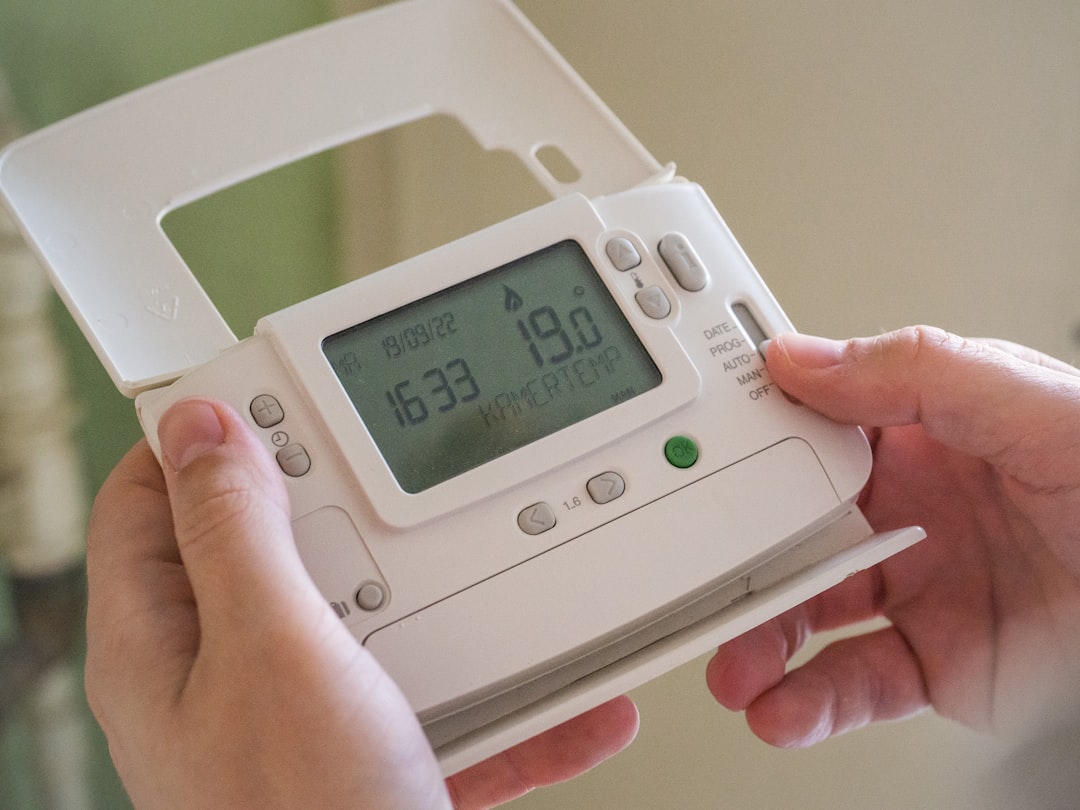
- Deeper integration with heat pumps and smart thermostats — systems now share control layers, enabling coordinated comfort and energy optimization. See how smart control decisions rely on thermostat intelligence, as discussed in the recent Top 7 Smart Thermostats for Heat Pumps — 2026 Review.
- Connectivity as default — installers are expected to deliver connected commissioning and remote diagnostics; a secure installer WLAN and provisioning workflow is business-critical (practical guidance in Commercial Wi‑Fi & Guest Networks: 2026 Best Practices for Installers).
- Service-led sales — customers want measured results. Offering seasonal filter swaps, IAQ monitoring and a subscription dashboard creates predictable revenue.
Advanced integration patterns for installers (practical workflows)
Transporting HRV from spec to signed job requires predictable steps. Below are advanced patterns I use when retrofitting an HRV into a mid-terrace in 2026.
- Pre-visit data capture — ask customers to share floorplans and recent energy/IAQ meter reads. Use a mobile booking page optimised for fast capture; if you manage bookings, review modern UX patterns in Optimizing Mobile Booking Pages for Pop‑Ups and Events (2026) for inspiration on reducing form drop-off.
- Connectivity check — verify location of router, guest network options for commissioning, and cellular fallback. Secure provisioning benefits from installer-grade network guidance in the commercial Wi‑Fi piece linked above.
- Balance-focused ductwork planning — keep runs under recommended lengths, use rigid where possible, and plan for straight extraction routes from wet rooms.
- Commissioning with live IAQ data — capture pre-install PM2.5/CO2 as baseline and show the homeowner immediate delta post-commissioning; it's a tangible proof of value that helps convert future subscriptions.
- Service handoff and training — enable the homeowner with a short, structured walkthrough and deliver a simple digital report. Consider onboarding remote support for post-install monitoring; techniques for hiring and onboarding those teams are evolving — see Hiring and Onboarding Remote Support Teams: Advanced Strategies for 2026.
Tech choices and compatibility — what installers should prioritise
When pairing HRV with heating and controls, prioritise:
- Open protocols (MQTT, BACnet/IP where possible) to reduce vendor lock-in.
- Modular sensing — CO2, VOC, and humidity sensors should be field-replaceable; that reduces callouts.
- Thermostat-aware strategies — choose thermostats that can accept external IAQ inputs and coordinate ventilation with heating setback strategies (detailed comparisons are available via the smart thermostat review linked above).
Business models that work in 2026
We've seen installers successfully monetise HRV through three models:
- One-off install + maintenance care plan — low barrier to entry, consistent with older service models.
- Subscription IAQ monitoring — recurring revenue for data storage, remote diagnostics and filter replacement reminders.
- Performance-as-a-service — guarantee CO2 or filtration levels for multi-unit blocks, with performance SLAs and remote audits.
Customer conversations: selling the invisible
Talking about ventilation can feel abstract. Use concrete examples:
"We measure the air now and show a 40% reduction in airborne particulates after commissioning — you can see that on the dashboard for the first 48 hours."
Pair demonstrations with lifestyle messaging: point customers to lifestyle and compact-living guidance such as Healthy Living in Compact Spaces to underscore health benefits and to validate your recommendations from an occupant-wellbeing perspective.
Operational and security considerations
Security is not optional. Segregate installer provisioning networks, implement certificate-based auth for remote connections, and keep logs for performance claims. The commercial Wi‑Fi best practices piece covers many of the network-level steps that keep installs robust and defendable.
Future predictions: 2026–2030
- More automation in balancing — expect adaptive dampers and AI-driven balancing that tune ventilation by occupancy and pollutant forecasts.
- Standardised IAQ reporting — regulators and mortgage underwriters will increasingly require IAQ metrics for airtight retrofits.
- Installer platforms become marketplaces — companies that combine booking, remote diagnostics, and parts supply will win share; the UX lessons in mobile booking optimisation will matter (see the optimizing booking pages resource).
Quick checklist for your next HRV retrofit
- Pre-visit floorplan and IAQ readings collected via mobile booking form.
- Network and commissioning plan prepared; guest VLANs configured as per installer Wi‑Fi best practices.
- Open-protocol control selected; thermostat compatibility verified.
- Customer offered a clear maintenance subscription and dashboard access; remote support team trained and ready (hiring & onboarding guidance linked above).
Closing note
In 2026, HRV is a commercial and quality-of-life differentiator. It sits at the nexus of health, efficiency and service revenue. For trade professionals, the next competitive edge is not in lower prices but in better system thinking — marrying ventilation hardware, smart controls and modern service design to deliver measurable outcomes.
Further reading and practical links
- Top 7 Smart Thermostats for Heat Pumps — 2026 Review — for pairing thermostats with ventilation strategies.
- Healthy Living in Compact Spaces: Sleep, Nutrition and Air Quality Strategies for 2026 — occupant-focused IAQ framing.
- Commercial Wi‑Fi & Guest Networks: 2026 Best Practices for Installers — practical network steps for secure commissioning.
- Optimizing Mobile Booking Pages for Pop‑Ups and Events (2026) — reduce booking friction and capture essential site data.
- Hiring and Onboarding Remote Support Teams: Advanced Strategies for 2026 — scale post-install monitoring and customer support.
Author: Jamie Carter — Lead Technical Editor, Heating.Live. Jamie has 14 years' experience as an installer and systems integrator, leading HRV and heat-pump retrofits for mixed-tenure housing. He writes installation workflows and commissioning standards for training cohorts across the UK.
Related Reading
- How to Spot a Good Toy Deal: Lessons from Trading Card Price Drops and 3D Printer Sales
- Implementing Schema to Capture Oscars-Style Event Mentions and Sponsorship Searches
- How the 2026 World Cup Could Affect Newcastle Pubs and Match-Viewing Plans
- Is the $231 Electric Bike Real? How to Vet Mega-Affordable AliExpress E-Bikes
- DIY Cocktail Kits for Travelers: Packable Syrups and Easy Recipes for Hotel Happy Hours