Home heating has moved from simple radiators and roaring furnaces to complex, efficiency-first systems built for a changing climate. This definitive guide unpacks that transformation — why efficient heating matters, which technologies lead the shift, how homeowners can choose and finance modern systems, and what to expect next as electrification and resilience reshape the market. Throughout this piece you’ll find actionable tips, data-backed comparisons and local-focused steps to reduce bills and increase comfort.
For a snapshot of how appliance incentives can reduce purchase costs, see our breakdown of current rebates and cash-back programs for home appliances: cash-back on kitchen essentials & appliance rebates.
1. The historical arc: from thermal mass to intelligent systems
Early systems and fuel-driven design
Traditional homes relied on heat produced by burning fuels - wood, coal, oil and later natural gas. Designs optimized for thermal mass and simple ductwork. Efficiencies were low by modern standards because systems aimed to produce heat, not to minimize energy input per unit of comfort. Geopolitical events and fuel price volatility, discussed in analyses of how macro events affect energy markets, pushed consumers and policymakers to rethink dependence on fossil fuels: see how geopolitical risk affects crude oil prices for farmers as an example of broader energy volatility geopolitical risks and crude oil prices.
Adoption of efficiency metrics and codes
In the late 20th century, industry standards introduced metrics like AFUE (Annual Fuel Utilization Efficiency) for furnaces and ERV/HRV requirements for ventilation. These standards created a competitive market for higher-efficiency furnaces and boilers, and laid the groundwork for today's heat-pump-led electrification.
Today's pivot: electrification, controls and resilience
Now, the conversation centers on minimizing site-level emissions while maintaining comfort through smarter controls, inverter-driven compressors, and system integration. As electric vehicles exposed the importance of cold-weather performance, research into EVs in harsh conditions informed expectations for heat pumps in cold climates — see real-world EV cold-weather results to understand performance under stress EVs in the cold: real-world results.
2. How we measure efficiency today
AFUE, HSPF, SEER, COP: what they mean
Different systems use different efficiency metrics. AFUE applies to combustion furnaces/boilers; HSPF and SEER apply to heat pumps and air conditioners; COP (Coefficient of Performance) measures instantaneous efficiency for heat pumps. A higher COP indicates more heat produced per unit of electricity. Understanding these metrics lets homeowners compare systems apples-to-apples once you consider climate and operating cycles.
System-level vs. device-level efficiency
Device efficiency is only part of the story. Distribution losses — leaky ductwork, mismatched pipe sizes, poor insulation — can erase gains from high-efficiency equipment. Always account for whole-house factors when estimating energy savings.
Testing, certification and labels
Look for ENERGY STAR, AHRI and manufacturer lab ratings. These independent measures are crucial when comparing products. For homeowners curious about leveraging technology and smart gadgets to improve system performance, reading about eco-friendly smart-home gadgets gives ideas on integration and solar pairing eco-friendly smart-home gadgets & solar.
3. The major technologies that define modern heating
Air-source heat pumps (ASHP)
ASHPs have advanced rapidly with variable-speed compressors and improved refrigerants. Modern cold-climate models can deliver useful heat at temperatures well below freezing, making them the leading electrification tool for many homes. When sizing an ASHP, consider your home’s insulation, solar gain and existing distribution system.
Ground-source (geothermal) heat pumps
Geothermal systems offer high and stable COPs, since they use ground temperature as a heat sink/source. Upfront costs are higher due to excavation, but lifecycle efficiency and durability often justify the investment in long-term ownership scenarios.
High-efficiency gas furnaces & condensing boilers
For homes not ready to electrify, condensing boilers and modulating gas furnaces deliver significant gains over legacy equipment. Their place in the market is complicated by fuel price volatility and decarbonization policy — trends influenced by broader market forces such as political and economic events that affect credit and energy markets how political decisions impact credit & markets.
4. Integration: smart controls, zoning, and home energy systems
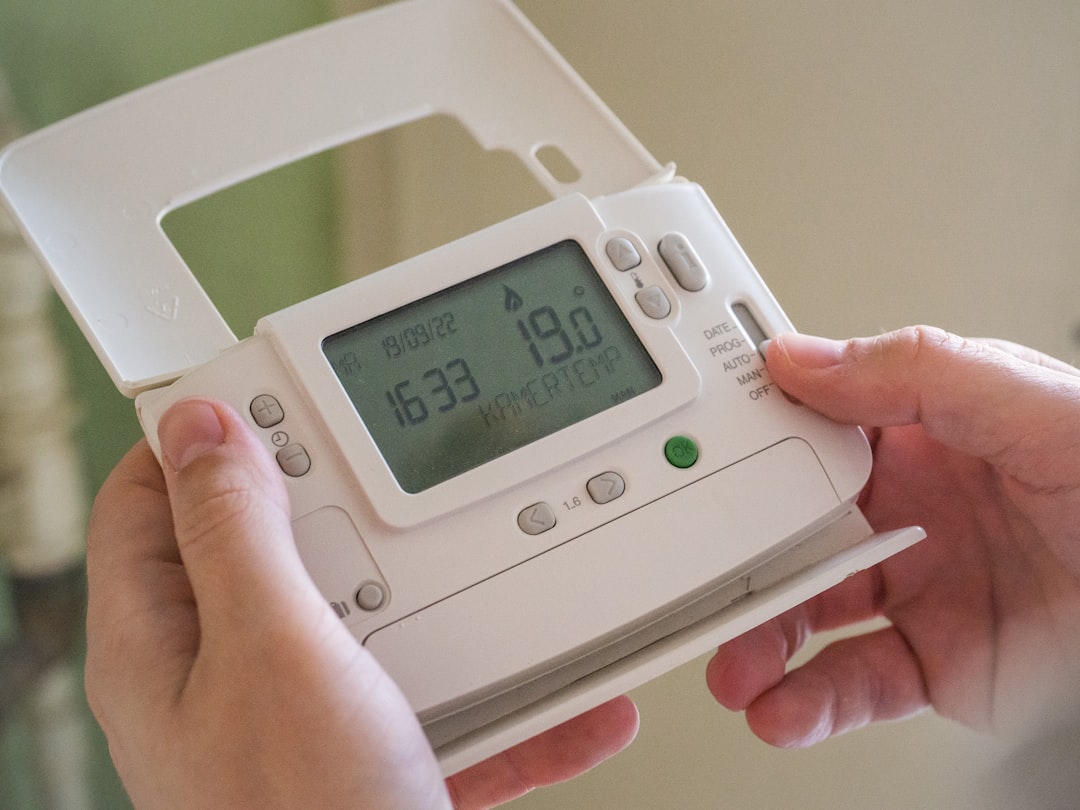
Smart thermostats and adaptive controls
Modern thermostats learn occupancy patterns and tie into weather forecasts to pre-condition spaces, reducing peak demand. Integration with distributed energy resources (solar PV, battery storage) enables load-shifting and demand response. To see how product visualization and AI can aid decision-making and system design, check work on AI-driven product visualization AI-driven product visualization.
Zoning, multi-stage staging and ductless solutions
Zoning separates homes into independently controlled areas, reducing waste and improving comfort. Ductless mini-splits or multi-zone systems let homeowners add efficient heat precisely where it's needed, especially useful in retrofit scenarios where ducts are impractical.
Whole-home integration and smart energy management
Systems that coordinate heating, cooling, EV charging, and on-site solar maximize energy savings. The travel and AI sectors illustrate how integrated systems can reshape behavior; similar principles apply to energy systems where automation optimizes across competing loads (see parallels in how AI is changing travel) AI changing travel & integrated systems.
Pro Tip: Pair a variable-speed heat pump with a smart thermostat and a modest insulation upgrade — that triple combo often yields 20-40% energy savings in real homes.
5. Climate resilience: designing systems for changing weather
Cold snaps, heatwaves and system sizing
Climate unpredictability requires systems that both handle extreme cold and occasional heat. Oversized systems lead to short cycling and inefficiency; undersized systems fail during extremes. Use conservative sizing methods and consider hybrid systems (heat pump + backup furnace) in transitional climates.
Fuel diversification and hybrid strategies
Hybrid heat systems (electric heat pump with a fossil-fuel backup) provide resilience when electric infrastructure is stressed. They allow gradual transition to electrification while maintaining reliability during grid outages or fuel disruptions — a practical compromise documented in resilience planning guides future-proofing & resilience planning.
Policy and insurance considerations
Insurance and local building codes increasingly favor resilient, low-risk systems. Check homeowner insurance rules and potential tax implications (such as deductions that differ by state) — for example, Florida homeowners should review insurance tax deduction guidance homeowner insurance tax deductions in Florida.
6. Cost, financing and incentives
Upfront cost versus lifecycle cost
High-efficiency equipment often has higher purchase cost but lower operating cost. Always calculate lifecycle cost using realistic energy prices and expected maintenance. Case studies show homeowners recover higher upfront costs through lower energy bills and increased resale value.
Rebates, tax credits and local programs
Federal and local incentives can cut effective cost dramatically. Aside from federal programs, check local appliance and renovation rebate guides: appliance rebate summaries are useful if you’re planning a coordinated kitchen/utility upgrade appliance rebate guide.
Financing and creative low-cost upgrade paths
Some homeowners opt for staged upgrades: air sealing and insulation first, then a heat pump or efficient boiler, then controls. Others leverage on-bill financing or green loans. If you plan a broader renovation, lessons from house flipping and team coordination give insights on project management and cost control project planning lessons from house flipping.
7. Choosing the right system for your home
Assessing your building envelope
Start with insulation levels, window performance, air tightness and duct condition. A simple blower-door test and an energy audit reveal the best opportunities. Homes with leaky ducts lose much of a HVAC system’s benefit.
Matching system to climate and occupancy
Cold, mixed and hot climates have different best-fit solutions. Cold climates may need cold-climate heat pumps or hybrid systems; mild climates do well with ASHPs. Consider occupancy patterns — smart controls help intermittent occupancy patterns save more energy.
Preparing for electrification and future upgrades
If future electrification is likely, pre-wire for electric loads and install adequately sized panels. Homeowners interested in pairing heat pumps with rooftop solar should read about solar smart-home strategies to plan system size and control logic solar & smart-home integration.
8. Installation and maintenance best practices
Selecting a qualified installer
Choose licensed technicians experienced with the specific technology you plan to buy. Interview candidates on their commissioning process, warranty handling and ability to provide load calculations. If you’re buying equipment secondhand or an open-box deal for components (like controllers), review quality and warranty details: see curated open-box deals guidance open-box deals & tech purchases.
Commissioning and verification
Correct installation and commissioning are as important as the equipment. Insist on written startup checks, refrigerant charge verification (for heat pumps), combustion safety tests (for combustion equipment), and documented airflow measurements.
Routine maintenance and long-term care
Annual servicing extends lifespan and preserves efficiency. For heat pumps, clean coils and check refrigerant. For boilers and furnaces, annual combustion analysis and filter replacement are critical. A maintenance schedule reduces emergency repairs and avoids costly midwinter breakdowns.
9. Real-world examples and homeowner experiences
Case study: retrofitting a 1960s home
A homeowner replaced a 70%-AFUE oil furnace with a cold-climate ASHP and improved attic insulation. The result: energy bills dropped 30% in the first winter, with improved comfort and reduced maintenance. Strategic sequencing — envelope first, then heating — produced the best ROI.
Case study: new-build net-zero ready home
A contractor built a net-zero-ready home with high-performance envelopes, a ground-source heat pump and solar-ready wiring. Though upfront costs were higher, the predictable operating costs and near-zero emissions met the owners’ long-term sustainability goals.
Lessons from adjacent industries
Lessons from AI-driven product visualization and travel planning show how digital tools reduce friction in selecting systems and installers. Owners benefit from 3D modeling and performance simulation when comparing options AI-driven product visualization, and AI-based planning principles borrowed from travel tech streamline decision workflows AI in travel & planning.
10. Side-by-side comparison: heating options
Use the table below to compare key systems by efficiency, cost and climate suitability.
| System | Typical Efficiency | Upfront Cost | Operating Cost | Best Climates | Lifespan (yrs) |
|---|---|---|---|---|---|
| Air-source heat pump (modern) | HSPF 8–12 / COP 2–4 | Medium | Low–Medium (electric) | Mild to cold (cold-climate models extend range) | 15–20 |
| Ground-source (geothermal) heat pump | COP 3–5 | High | Low | All (site-dependent) | 20–30+ |
| High-efficiency gas furnace / condensing boiler | AFUE 90–98% | Medium | Medium (gas price dependent) | Cold & mixed (backup-friendly) | 15–25 |
| Electric resistance (baseboard) | 100% (resistive) | Low | High | Mild (small rooms / backup) | 10–20 |
| Hydronic boiler (condensing) | AFUE 85–95% | Medium–High | Medium | Cold (radiant comfort) | 15–30 |
11. Market trends and where the industry is headed
Mass electrification and policy nudges
Regulatory momentum favors electrification in many jurisdictions. This shifts investment from fossil-fuel distribution to grid upgrades and smart electrification. Expect stricter efficiency requirements and incentives that favor heat pumps and heat-pump-ready homes.
Integration with distributed energy and EVs
As more households adopt EVs and rooftop solar, heating systems will be part of a broader energy ecosystem. Lessons from EV cold-weather performance and management highlight the need to design systems for variable loads and seasonal peaks EV cold-weather insights.
Digital tools, visualization and consumer decision support
Shoppers will increasingly use digital modeling tools and augmented-reality visualizers to compare systems before purchase. The rise of AI and visualization technologies in product selection is already changing how homeowners choose appliances and HVAC systems AI for product visualization.
12. Practical checklist to upgrade your home heating
Step 1: Audit and prioritize
Get an energy audit and prioritize airtightness and insulation. These low-tech investments often deliver the biggest comfort and savings per dollar and reduce the required capacity of new heating equipment.
Step 2: Compare systems and incentives
Collect quotes that include equipment, installation, commissioning and warranty. Factor in available rebates and tax credits. If planning appliance upgrades simultaneously, coordinate purchases to maximize bundled rebates (appliance rebate guide).
Step 3: Plan for future-proofing
Think long-term: choose equipment that can be adapted or integrated with on-site solar and smart energy management. Consider modular upgrades so you can transition to full electrification when it makes sense financially and logistically — similar to how other sectors plan staged upgrades to manage cost and disruption future-proofing examples.
Conclusion
The evolution of home heating is a story about reducing waste, improving comfort and preparing for a more electrified future. Whether you upgrade a single-family home or plan a new build, prioritize whole-home thinking: envelope, system, controls, and future integration. Use rebates to lower upfront costs, select qualified installers, and always benchmark systems with meaningful metrics like AFUE, COP and HSPF. The path to lower bills and greater resilience is available now — and homeowners who act strategically will see both financial and comfort rewards.
For homeowners planning larger renovations that include appliances and efficient systems, practical buying guidance for space-constrained homes and equipment selection (including compact appliances and open-box opportunities) can be helpful — read our guides on space-saving appliances and open-box deals for ideas to stretch renovation budgets space-saving appliances guide and open-box deals guide.
Frequently Asked Questions
Q1: Are heat pumps reliable in very cold climates?
Yes—modern cold-climate heat pumps maintain good efficiency at lower temperatures than older models. In extremely cold regions, many homeowners opt for hybrid systems or oversized heat pumps sized with conservative assumptions. Consider local case studies and contractor experience when choosing a model.
Q2: How much can I realistically save by switching from an old gas furnace to a heat pump?
It depends on your home, fuel costs and climate. Typical savings range from 20% to 50% on heating bills in many climates when paired with envelope improvements. Always run a site-specific lifecycle cost analysis.
Q3: Do I need to replace my ducts when installing a heat pump?
Not always, but ducts should be inspected and sealed. Poor ductwork can eliminate the benefits of a high-efficiency heat pump. Ductless systems are an alternative for homes with problematic ducts.
Q4: What incentives or rebates are available for heating upgrades?
Incentives vary by country, state and utility. Federal tax credits, local rebates, and utility incentives can significantly reduce costs. Start with local appliance rebate guides and your utility’s efficiency programs to identify opportunities appliance rebates & incentives.
Q5: How should I choose an installer?
Ask about licensing, training on the specific technology, commissioning procedures, and references for similar projects. A good installer provides a written scope, load calculations, and commissioning documentation. Project management tips from home renovation guides can help you vet contractors effectively project planning & contractor selection.
Related Reading
- Exploring London through local lens - Travel-focused thinking that inspires how to plan multi-step home projects and timelines.
- Running on a budget - Practical budgeting tips for homeowners tackling energy upgrades on constrained budgets.
- Gearing up for glory: economic implications - A look at how major events affect regional markets and local service availability.
- The best gaming phones of 2026 - Tech buying frameworks you can apply to HVAC component and smart-control purchases.
- How to style your sound with Sonos - Creative product pairing and ecosystem thinking that parallels smart-home HVAC integration.