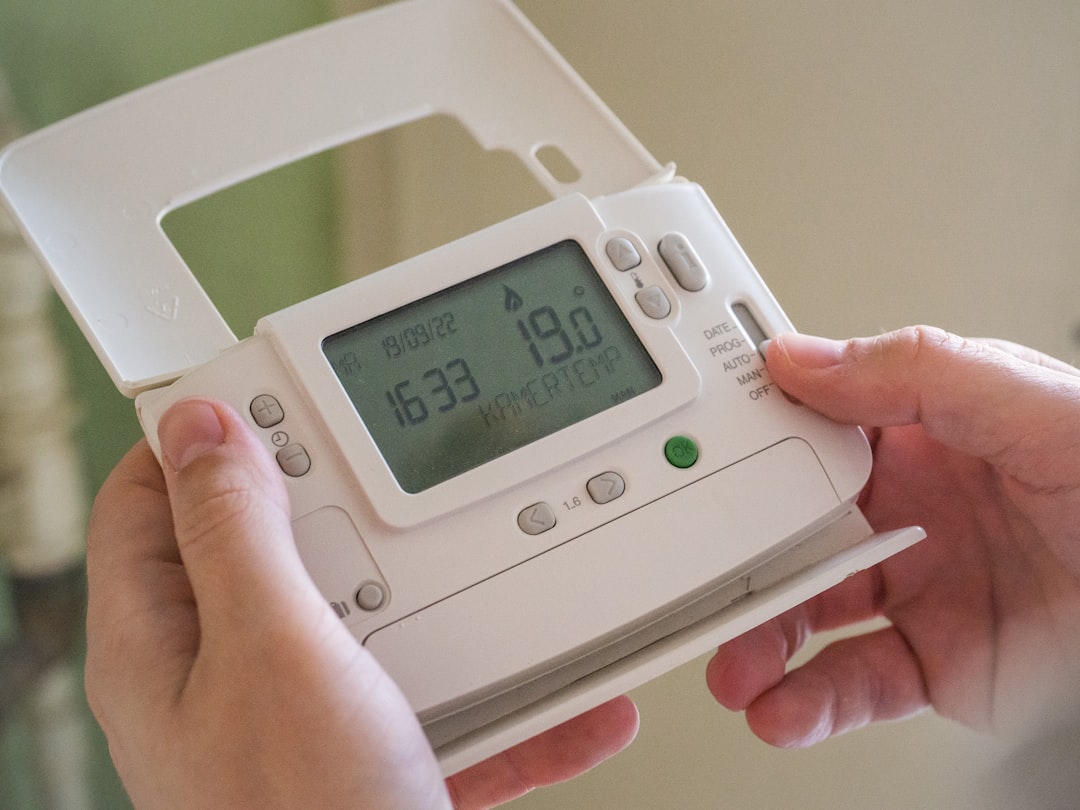
Field Review: Integrated Smart Home Power Hub for Heating Load Management — 2026 Installer Field Notes
Hook: Not every hub deserves a slot on your van. After six weeks of hybrid lab and field tests across small flats and a mixed‑use block, these are the real strengths and limits of integrated power hubs for heating load management in 2026.
Test scope and audience
This review is written for contractors, specifiers and energy managers evaluating hub‑based patterns for demand response and local autonomy. We focused on:
- Installation time and wiring patterns
- Edge latency and event reliability
- Integration with smart outlets and thermostats
- Operational safety and documentation
Why hubs now: a short frame
Power hubs consolidate metering, circuit control and local orchestration. The industry review of Smart Home Power Hubs — Evolution 2026 highlights hardware trends we observed: modular relay banks, integrated CT sensing and owner‑facing outage modes. Those patterns reduce install time and improve reliability when done right.
Summary verdict
Verdict: Hubs are compelling for medium complexity installs (3–8 controllable endpoints). They reduce field time by standardizing wiring and provide robust edge logic — but they’re not plug‑and‑play for every site. Expect some commissioning art for older panels and mixed loads.
Installation experience (what we measured)
- Average install time: 65 minutes (excluding breaker work) on modern consumer panels.
- Common roadblocks: No neutral on certain circuits, crowded panel bus bars, and legacy mechanical thermostats needing adapters.
- Tools that saved time: portable label printers, CT clamp kits and preconfigured outlet tags.
Performance: latency, reliability and event behavior
Edge latency for event actuation averaged 300–450 ms on LAN; cloud fallback added ~2–3s. The hub handled power cuts gracefully with a 30‑second state snapshot on UPS, enabling safe rejoin sequences.
Event reliability was 99.1% for scheduled sheds and 96.3% for remote market calls during our third‑party aggregator test. For a real‑world implementation pattern and measured energy impacts, see the smart‑outlet retrofit case study that reports a 28% saving using similar orchestration: Case Study: 28% Energy Savings.
Integration notes: pairing with smart outlets and thermostats
Best practice we used:
- Classify outlets by occupant impact and map to staggered schedules in the hub.
- Use the hub as master clock to avoid multiple rejoin conflicts across devices.
- Test rejoin logic with full load and simulated power dips.
On‑site communication and scripts
Technicians who used brief, empathetic scripts had fewer callbacks. We recommend adopting the safe, customer‑first templates from the 2026 on‑site scripts guide — these reduce escalation and improve perceived professionalism: Safe On‑Site Troubleshooting Scripts.
Operational documentation and handover
Every hub install must ship with two artifacts: a one‑page quick‑start card for the homeowner and a versioned KB entry for the service team. The approach described in Architecting Scalable Knowledge Bases is ideal — modular entries for wiring diagrams, event logs and rollback steps.
Installer toolkit recommendations
We cross-checked our field kit against the installer toolbox guidance in the smart plug automation playbook. Installers should carry:
- CT clamp meter and clamp‑grade adapters
- Label printer with preformatted circuit tags
- Battery‑backed UPS for hub commissioning
- Printed homeowner card with simple shed expectations
For automation ideas targeted at heat events and stress periods, the installer toolkit article remains a compact reference: Installer Toolkit: Smart Plug Automation Ideas.
Edge reliability: what to watch
Top failure modes we documented:
- Firmware rollback after bad OTA — always stage on a small pilot first.
- Power‑cycle race conditions — implement persisted event queues.
- Mis-tagged circuits leading to unintentional critical load shedding.
Pros, cons and suitability
- Pros: Reduced install time for multi‑endpoint projects, centralized telemetry, improved event attribution for markets.
- Cons: Upfront cost, panel compatibility edge cases, and the need for disciplined documentation and KBs.
Scoring snapshot (field tests)
We applied simple scoring across key installer concerns:
- Integration ease: 82/100
- Event reliability: 96/100
- Install time reduction vs discrete relays: 28% faster
- Documentation maturity required: high
Future outlook and recommendations (2026–2028)
Hubs will become easier to commission as vendors adopt common APIs for market signals and provide certified wiring kits. Expect tighter interplay between hubs and smart outlets and improved OTA staging tooling. For installers planning to scale, combine technical training with a small KB and use the case studies and automation primers we referenced above as operational guides.
Further reading
- Hardware and market context: Smart Home Power Hubs — Evolution 2026
- Measured saving methodology: 28% Energy Savings Case Study
- Installer automation tips: Installer Toolkit: Smart Plug Automation Ideas
- On‑site communication scripts: Safe On‑Site Troubleshooting Scripts
- KB architecture for scale: Architecting Scalable Knowledge Bases
Final take
If you’re an installer moving beyond discrete relays and wireless outlets into orchestrated energy projects, hubs are a practical intermediate step. They lower complexity on multi‑endpoint jobs and give you the telemetry and event proofs needed for aggregator participation — but only if you pair them with good KB practices and on‑site scripts. Treat this field review as a starting template and adapt the checklists to your local panel realities.
Related Reading
- Incident Response Template for Cloud Fire Alarm Outages
- 3D Scanning for Perfect Ring Fit: When Tech Helps—and When It's Hype
- How to Spot Vaporware at Trade Shows: A Rider’s Guide to CES Scooter Announcements
- Designing Sovereign-Compliant CRM Hosting for EU Customers
- Registry Must-Haves for Tech-Savvy Couples: From Smart Lamps to Robot Vacuums