Why Heat Pumps Are Mainstream in 2026: Advanced Retrofitting Strategies for Homeowners and Installers
Hook: By 2026, heat pumps are no longer an alternative — they are the central component of modern low-carbon homes. Whether you're an experienced installer or a retrofit-minded homeowner, the technical and commercial landscape has changed. This article digs into practical strategies, procurement lessons, and the interplay between controls, power and privacy that matter right now.
What has changed since 2023–2025?
Short answer: scale, standards and smarter edge controls. Policy and incentives accelerated deployment in many markets, while product maturity addressed earlier pain points — cold-climate performance, quieter compressors and integrated hydronic interfaces. That shift created a new set of problems and opportunities: installers must now think about digital trust, local grid interaction and how to sell a reliable long-term value proposition.
"Retrofit success in 2026 depends as much on the digital architecture as on refrigerant charge." — Installer lead, Midlands
Advanced retrofit pathways that work in 2026
- Whole-house load rebalancing: Use data from brief thermal scans and occupancy sensors to right-size both heat pump capacity and buffer tanks.
- Staged hybrid designs: Combine a modest heat pump with existing thermal stores and zoned electric backup to reduce first-cost while meeting net-zero timelines.
- Hydronic retiming: Rework pipework and head losses to use low-flow strategies that keep COP high across seasonal swings.
- Edge-first controls: Local decisioning for safety and latency-sensitive sequences — less cloud dependency for fail-safe modes.
Smart controls, privacy and power — consider these trade-offs
Smart thermostats and plug-level controllers now enable load-shifting and dynamic interaction with home batteries and smart meters. But with that capability comes a set of trade-offs:
- Privacy: Data shared with cloud vendors can reveal occupancy and behaviour. Vendors differ widely in retention and anonymisation — read independent comparisons like Smart Plugs, Privacy and Power — The Evolution of Smart Home Power in 2026 before committing to an eco-system integration.
- Resilience: Edge decisioning reduces outage vulnerability. For advanced guidance on on-device decision frameworks see Practitioner's Guide: Authorization at the Edge — Lessons from 2026 Deployments.
- Installer responsibilities: As installers add cloud-connected components, vetting and clear consent for data flows has become a commercial differentiator — check the advanced installer checklists at Vetting Home Security & Smart Device Installers — Advanced Checklist for 2026 Buyers.
Product selection: what to prioritise in 2026
With many manufacturers competing, focus on:
- System integration: Support for modulating output, native hydronic controls and open API hooks.
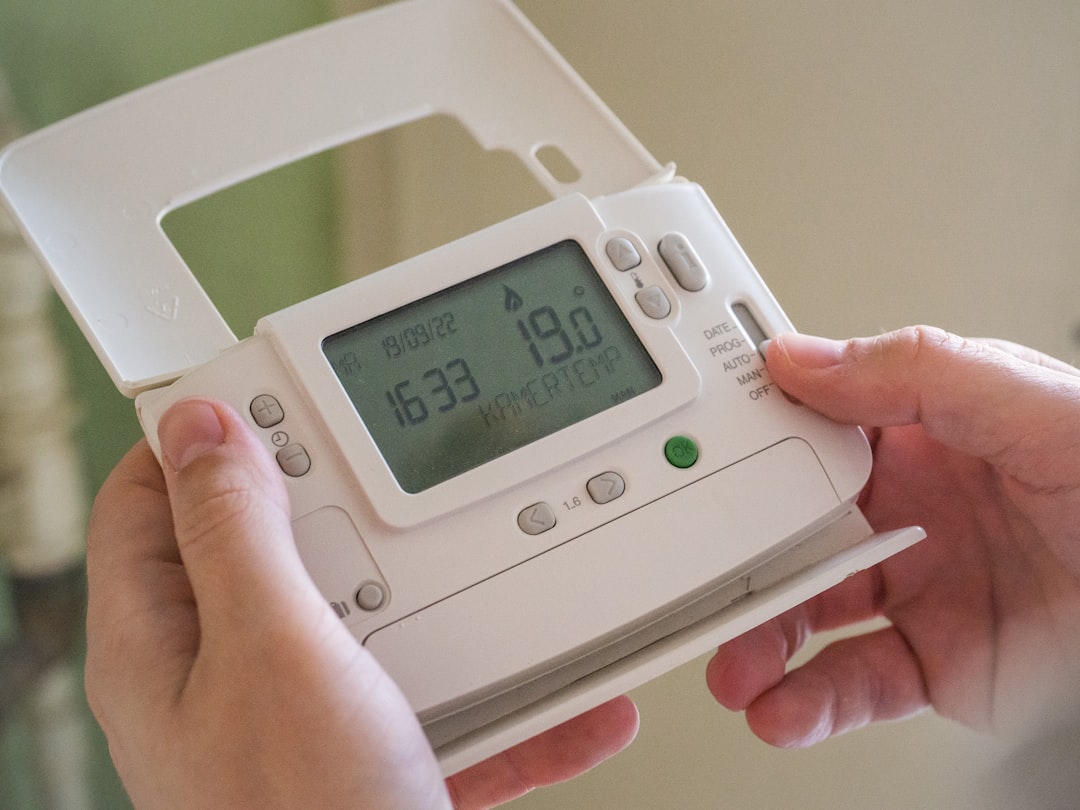
- Field-tested thermostats: Consult comprehensive roundups such as Top 7 Smart Thermostats for Heat Pumps — 2026 Review to judge compatibility and real-world features.
- Installer tooling: Look for suppliers who bundle commissioning apps and microformats for local trust signals — see the practical listing toolkit at Toolkit: 10 Ready-to-Deploy Listing Templates for ideas on how to show credentials online.
Commercial strategies and financing
To lower the barrier for homeowners, installers in 2026 combine traditional finance with local grants and soft credit products. If you're scaling a small retrofit business, note how cloud credits and targeted pre-seed support shifted where angels and small funds deploy capital — an essential read is Market Update: Pre-Seed Shifts and Cloud Credits — Where Angels Are Betting in 2026.
Onsite workflows and event readiness
Install events and pop-up clinics have become an effective acquisition channel. When running clinics or demonstrations, align power needs and microgrid options with the Installer’s Event Power Playbook (2026) so you can safely run heat pump demos without unexpected loads on venue power.
Future predictions for the next five years
- Local energy markets: More homes will offer export flexibility; heat pumps will participate in neighbourhood demand response。
- Edge intelligence: Devices will increasingly share only the minimal telemetry required for optimisation, reducing privacy risk.
- Installer differentiation: Companies that package data governance and service guarantees will command higher margins.
Action checklist for installers and homeowners
- Survey and thermal-scan before quoting.
- Choose heat pumps with open APIs and proven field support.
- Use edge-enabled controllers for fail-safe modes and minimal cloud dependency.
- Publish verified local listings using microformats to build trust — see the toolkit.
- Review privacy guidance for smart power devices at Smart Plugs, Privacy and Power — The Evolution of Smart Home Power in 2026.
Final thought: The retrofit market in 2026 rewards pragmatic hybrid thinking — modest hardware investments plus strong digital work practices. Align your technical choices with privacy-aware, edge-first control strategies to deliver resilient comfort for the long term.
Related Reading
- When Kitchen 'Custom' Tech Is Just Placebo: Lessons from 3D-Scanned Insoles
- From Thermometer to Wristband: The Rise of Sleep-Based Biometrics and What Beauty Brands Should Know
- Cheap Comfort: Best Hot-Water Bottles & Alternatives for Energy-Savers on a Budget
- Map Rotations and Pitch Sizes: What Arc Raiders’ New Maps Mean for Competitive Modes
- Casting is Dead. Now What? How Netflix’s Removal of Mobile Casting Changes Creator Workflows