Designing a Comfortable Home Respite Room with Efficient Heating Controls (2026)
Hook: Comfort is thermal and sensory. In 2026 designers and installers collaborate to deliver home respite rooms that balance energy efficiency with psychological wellbeing. This guide explores how heating controls, ambient lighting and simple schedules create restful spaces.
The modern respite room: heat meets human factors
Respite rooms are curated to reduce stress and physical strain. Efficient heating design is central — both stable temperatures and low noise. Lighting and heating must work together to avoid decision fatigue and support circadian rhythms; see the behavioural context in Why Ambient Lighting and Decision Fatigue Matter for Side Hustles in 2026.
Heating strategies for comfort and efficiency
- Zoning and low-flow radiators: Deliver gentle, even heat without rapid fluctuations.
- Silent operation: Locate compressors away or use acoustic enclosures for heat pumps to keep respite rooms quiet.
- Predictive schedules: Use consented occupancy windows to warm the room before use and reduce runtime during inactive hours.
Lighting, chandeliers and energy-efficiency
Layered lighting improves dwell time and perceived comfort. Boutique venues use layered chandeliers to create inviting atmospheres; installers working with designers should read the lighting approaches at How Boutique Restaurants Use Layered Chandelier Strategies and adapt low-energy LED designs for homes.
Practical controls and privacy
Keep sensitive signals local. Implement edge authorization for heating sequences and ensure any occupancy sensing is opt-in. For a privacy framework when integrating smart devices, consult the smart-plug primer at Smart Plugs, Privacy and Power — The Evolution of Smart Home Power in 2026.
Step-by-step: building a respite room
- Survey the room for thermal leaks and acoustic paths.
- Install a low-flow heat emitter or underfloor heating if retrofits permit.
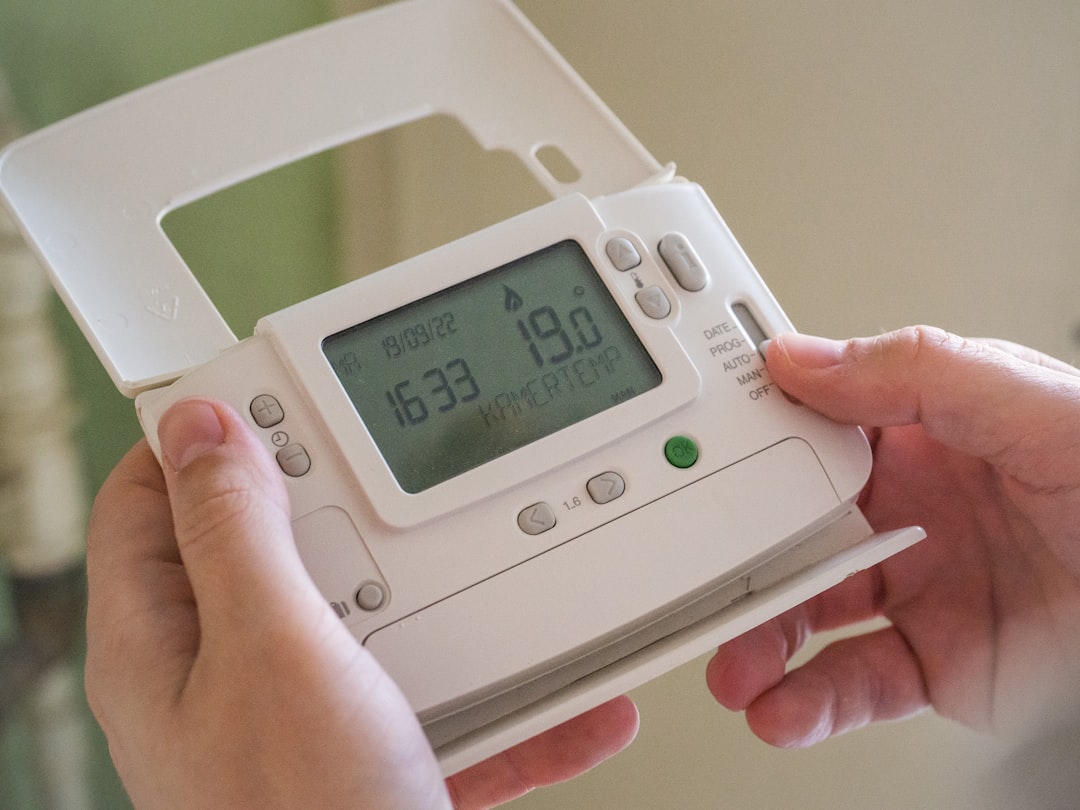
- Integrate a thermostat with local scheduling and manual override.
- Design layered lighting with dimmable LEDs and a warm-correlated colour temperature.
- Document settings and provide a short owner guide for seasonal adjustments.
Where to find templates and inspiration
Designers and installers can share templates for commissioning and lighting plans. For guidance on how respite rooms are evolving, read the design overview at The Evolution of Self-Care Spaces in 2026. If you're selling the service, present a clear opt-in for telemetry and publish your credentials using microformats from Listing Templates.
Comfort is a systems problem: heating, lighting and simple human-centred controls working together create the real respite.
Final notes: A well-designed respite room respects physiology and privacy. Use edge-first control patterns, layered lighting and documented commissioning to create repeatable, sellable packages in 2026.
Related Reading
- Using Total Campaign Budgets in Google Search: An Audit-Driven Playbook for Seasonal Spend
- Netflix Pulls Casting — What It Means for Device Makers and Streaming UX
- Shoppable Wellness: How Live Commerce and Pop‑Up Streams Power Product Launches in 2026
- The Evolution of Telehealth Infrastructure in 2026: Security, Scalability, and Patient Trust
- Kobalt x Madverse: What Global Publishing Partnerships Mean for Indie Songwriters