In 2026, homeowners face a shifting heating-cost landscape shaped by energy markets, policy changes, electrification, and rapid advances in heating technologies. This guide gives a practical, data-backed view of projected heating costs, explains the main drivers that will affect your bill this year and beyond, and provides step-by-step cost-saving strategies you can act on now. For local-focused readers, we include retrofit and ventilation considerations, smart-home controls, budgeting worksheets, and vendor-selection tips so you can lower bills while keeping your home comfortable and healthy.
Across this article you’ll see links to deeper, field-tested resources on ventilation, smart home integration, portable supplemental heat options, and retrofit strategies to reduce bills. For a quick primer on how networked ventilation and controls affect efficiency, start with this piece on advanced retrofit strategies for networked ventilation.
1. 2026 Projections: What to Expect for Heating Costs
Macro drivers: energy markets and inflation
Heating costs in 2026 will be influenced primarily by global energy markets and domestic inflationary pressures. Gas and oil prices remain sensitive to geopolitical events and production decisions, while electricity costs are shaped by fuel mixes (natural gas, renewables, nuclear) and grid investments. If you’re budgeting for the year, plan for volatility: short-term price swings are likely even if long-term trends push toward electrification.
Policy and carbon pricing impacts
Local and national carbon policies—cap-and-trade programs, carbon taxes, or increased emissions standards—can raise the cost of fossil fuels and change the cost calculus for electrification. Homeowners located in regions moving fastest toward decarbonization may see larger incentives for heat pump installations but also higher long-term fossil-fuel prices.
Regional variation matters
Heating bills depend heavily on climate and local utility rates. A coastal homeowner with mild winters will see different impacts than someone in a cold inland region. For hyperlocal trends and utility-level signals, new edge-AI tools and local data feeds are becoming useful: municipal and small newsroom coverage of energy patterns is growing, as described in this look at edge AI for hyperlocal coverage.
2. Fuel Types Compared — How Your Choice Shapes 2026 Bills
Natural gas
Natural gas remains a common heating fuel. Price sensitivity to geopolitics and supply/extraction constraints means bills can spike. However, modern high-efficiency gas furnaces still offer competitive upfront costs. When considering a change, weigh long-term fuel-price risk against conversion costs to electric systems.
Electric heat pumps
Heat pumps continue to improve. Cold-climate units and variable-speed compressors make heat pumps viable in many regions where they previously struggled. Electrification reduces exposure to oil/propane price volatility but raises dependence on electricity rates. Smart controls and grid-responsive programs can lower running costs by shifting use to off-peak hours.
Oil, propane, and biomass
Oil and propane still serve many rural homes. They’re more volatile and often costlier per useful BTU than gas or heat pumps. Biomass options such as pellets can be economical in certain contexts but require storage and maintenance. Compare total annual costs, not just fuel unit prices.
3. The New Technologies That Can Cut Your Bill in 2026
Cold-climate and multi-stage heat pumps
2026 brings more efficient cold-climate heat pumps with multi-stage compressors and better defrost controls. These systems maintain efficiency at lower outdoor temperatures, improving real-world savings. If you’re considering replacement, these models are often the best all-around pick for energy efficiency.
Smart thermostats and home controls
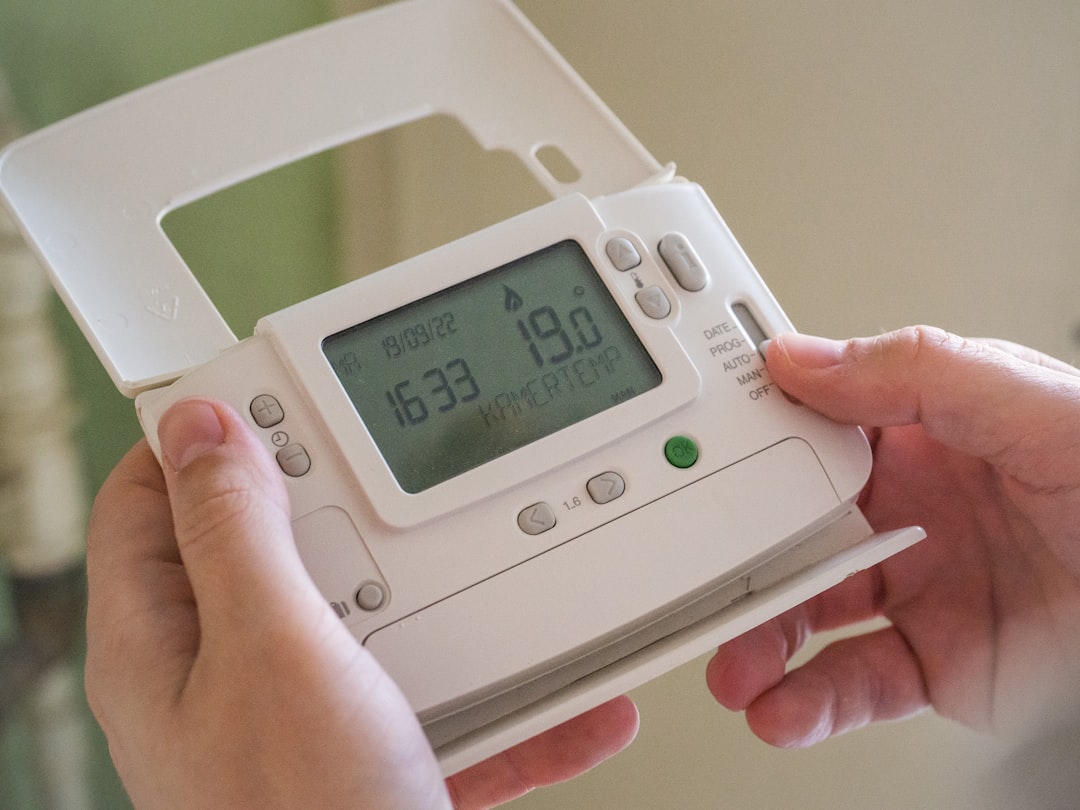
Smart thermostats have matured and now integrate with grid programs, occupancy sensors, and room-level controls. For homeowners seeking to coordinate heating with rooftop solar or EV charging, matter-ready smart rooms and new 5G-enabled devices make integrations smoother—read more in our overview of 5G and Matter-ready smart rooms.
Connected ventilation and energy recovery
Heat recovery ventilators (HRVs) and energy-recovery ventilators (ERVs) paired with smart controls reduce ventilation heat losses while maintaining indoor air quality. For retrofit guidance on networked ventilation systems and the controls that make them pay back, see advanced retrofit strategies for networked ventilation.
4. Retrofit Path: Insulation, Sealing, and Ventilation
Start with the building envelope
Sealing air leaks and upgrading insulation is usually the most cost-effective step for reducing heating costs. Before upgrading your boiler or heat pump, conduct a blower-door test and address gaps in attic and wall insulation. Small measures like draft-proofing windows and insulating accessible ducts can show immediate savings.
Balance insulation with ventilation
As you tighten a home, pay attention to controlled ventilation to preserve indoor air quality. HRVs/ERVs help recover heat from exhaust air and can be networked with HVAC controls to run only when needed. Implementation guidance is available in the ventilation retrofit resource at airvent.uk.
Local retrofit examples and field-tested approaches
Smaller-scale, tactical retrofits—like targeted cavity insulation, attic air sealing, and programmable zoning—often provide the best ROI. For examples of how merchants and installers package warm-experience services (important when selecting contractors), see this piece on how heating merchants win pop-ups and indoor air quality.
5. Smart Home Integration: Coordinate Heating, EVs, and Renewables
Why integration reduces bills
Coordinating a heat pump, rooftop solar, and EV charging can dramatically reduce grid energy purchases during high-rate hours. Smart orchestration shifts loads to solar production or off-peak times, reducing overall energy cost and exposure to price spikes.
Edge computing and local control
Edge caching and local compute strategies reduce latency and keep control algorithms running even when cloud services lag. These techniques are becoming part of smart-home control stacks—read more about edge computing strategies in this technology primer: Edge Caching in 2026.
Tools and device selection
Choose devices that support open standards (Matter, Thread) and utilities’ demand-response programs. For smart lighting and low-cost automation that complement HVAC savings, check out our guide on smart lighting on a budget—small automations add up when coordinated holistically.
6. Supplemental Heat and Short-Term Options
Electric portable heaters and mats
For spot-warming and short-term events, portable electric heaters can be cost-effective when used properly. Field-tested portable solutions for clinics and travel—such as the AmberWave heat mat—are useful references for supplemental heating behavior: see the AmberWave Portable Heat Mat review.
Low-tech warmth: hot-water bottles and safe pads
Simple items like hot-water bottles can reduce central heating use if used strategically at night. For product ideas and safety guidance, consult this roundup of fleece hot-water bottle covers: CosyPicks, and the vet-backed guide on safe heating pads for pets Safe Warmth for Cats.
Portable power and electrification considerations
If you have an EV and plan to electrify heating, consider how charging patterns and portable chargers interact with household loads. Portable EV chargers are part of the broader electrification conversation and can influence when you draw electricity for heat: see a real-world field review at portable EV charger kit.
7. Behavior, Maintenance, and Small Changes That Yield Big Savings
Simple behavioral changes
Lowering thermostat setpoints by 1–2°F, adopting setback schedules, and using zoned conditioning can cut heating costs noticeably. Use programmable or smart thermostats to automate setback and reduce human error. Combine behavior with insulating window coverings and targeted draft sealing for the best immediate impact.
Regular maintenance pays
Annual tune-ups for furnaces, cleaning or replacing filters for heat pumps, and having combustion appliances inspected increases efficiency and prevents costly breakdowns. Maintenance also preserves warranties and keeps warranties conditional on regular service.
Use data to steer decisions
Tracking energy use helps identify when and where savings occur. New local and edge-AI analytics are enabling homeowners to detect anomalies faster. To see how these local data tools are being adopted, explore the hyperlocal edge-AI trends at newsdesk24.
Pro Tip: Small wins compound. Air sealing plus a 10-year-old heat pump with a fresh tune-up can cut bills more than swapping a working furnace for a slightly more efficient model.
8. Incentives, Rebates, and Financing Options for 2026
Federal and local rebates
Many 2026 incentive programs favor heat pumps, insulation retrofits, and electrification. Check both federal programs and local utility rebates; combined incentives often make electrification projects financially viable. Your local utility or state energy office website is the starting point to identify available funds.
Financing and on-bill programs
Low-interest financing and on-bill repayment programs reduce upfront barriers. Compare total loan cost against projected annual savings, and prioritize financing that transfers to the next homeowner in case of sale.
Contractor programs and bundled offers
Installers sometimes bundle insulation, controls, and HVAC into packages that increase system performance and eligibility for rebates. When vetting providers, prioritize those who offer measurement-driven retrofit packages—several merchants now promote an integrated “warmth as experience” approach to combining IAQ and heating upgrades; see examples at theheating.store.
9. How to Choose a Contractor and Validate Estimates
What to ask during bids
Request detailed proposals that separate equipment, labor, and controls. Ask for modeled annual energy use before and after the project, references for similar work, and proof of licensing and insurance. Good contractors will provide a scoped, measurable plan with expected payback timelines.
Red flags and trusted practices
Beware of one-size-fits-all proposals and vague performance claims. If a bidder promises unrealistic payback or refuses to show modeled savings, get a second opinion. Contractors who document the retrofit process with before-and-after data are more likely to deliver real savings—this is becoming best practice as installers adopt digital workflows and remote tools (see tools for remote professionals at Top Tools for Remote Freelancers for parallels in digital operations).
Local availability and service response
Service availability affects lifecycle costs. Local companies with strong field experience in your climate and responsive maintenance plans typically yield lower total cost of ownership. For field-driven product testing that mirrors installer concerns, review mobile and pop-up gear case studies like the pocket-print and solar kit field tests at PocketPrint solar & PA and weekend gear coverage at Weekend Microcation Gear 2026, which illustrate how field conditions affect equipment selection.
10. Budgeting Worksheet and Comparative Cost Table
Below is a compact comparison to help you budget for 2026. The table shows relative costs for a typical detached home (~2,000 sq ft) as a scenario illustration—not a one-size answer. Use local utility rates and your home’s historic usage to refine these ranges.
| Heating System | Typical Efficiency | Projected Energy Unit Cost (2026) | Annual Cost Range (2,000 sq ft) | Notes |
|---|---|---|---|---|
| Natural Gas Furnace (AFUE 90–97%) | 90–97% AFUE | $8–$14 / MMBtu (varies by region) | $800–$2,000 | Good performance; exposed to gas price volatility and regional supply risk. |
| Electric Heat Pump (cold-climate) | 200–400% HSPF/SCOP equivalent | $0.10–$0.30 / kWh (depends on time-of-use) | $600–$1,800 | Lower exposure to fossil fuel prices; best with good envelope and smart controls. |
| Oil Boiler | 80–92% AFUE | $25–$45 / MMBtu (volatile) | $1,200–$3,000+ | Often most expensive; declining infrastructure support in many areas. |
| Propane | 80–95% AFUE | $20–$40 / MMBtu | $1,000–$2,800 | Used in off-grid homes; prices dependent on delivery markets. |
| Wood Pellets / Biomass | 65–85% (system-dependent) | $200–$400 / ton (local) | $700–$1,800 | Operational effort and storage required; competitive in certain rural markets. |
Use the ranges above as a planning starting point. Inflationary pressures and regional price spikes (discussed in this analysis of inflation impacts) can change these numbers notably; see Inflation on the Rise for context on how inflation erodes long-term cost assumptions.
11. Real-World Case Study: A 3-Step Retrofit That Cut Heating Bills
The situation
A 1,800–2,200 sq ft suburban home with a 15-year-old natural gas furnace faced rising winter bills and planned to stay in the house 5–7 years. High-level estimates recommended replacing the furnace; the homeowner wanted a better ROI path.
The intervention
The homeowner followed a prioritized plan: (1) air sealing and attic insulation, (2) installing zoned thermostats and a smart thermostat to enable setback schedules, and (3) adding a small ductless heat-pump zone for the most-used rooms. The contractor documented pre- and post-usage via smart meter analytics, similar to field documentation best practices increasingly used by installers (see integrated merchant strategies at theheating.store).
The results
Within one winter the homeowner saw a 20–35% reduction in heating energy use (depending on weather) and deferred a full system replacement. The combined approach—envelope first, then controls and zonal electrification—proved more cost-effective than an immediate furnace swap.
12. Quick Checklist: Actions to Take This Winter
Immediate steps (days to weeks)
Lower thermostat setpoint by 1–2°F, seal visible drafts, replace HVAC filters, inspect and clean vents. Use hot-water bottles and localized heating to reduce whole-house demand (see product ideas at CosyPicks and portable mat options at AmberWave review).
Near-term (weeks to months)
Schedule HVAC tune-ups, get bids for insulation work, and compare modeled savings for heat pump conversions. Check utility rebate pages and ask contractors to include incentive estimates in proposals.
Longer-term (6–24 months)
Plan for staged electrification: envelope improvements first, controls and zonal heat pumps second. If you own an EV or plan to, coordinate charging strategy and consider portable charging options during the transition—reference portable EV gear reviews like this field review.
FAQ
Q1: Will switching to a heat pump always save me money in 2026?
A1: Not always. Savings depend on your climate, current fuel, electricity rates, and the home’s envelope. In many regions, heat pumps are cost-competitive, especially when paired with insulation improvements and incentives. Model your home’s usage and get multiple contractor bids.
Q2: How much should I budget for an efficiency retrofit?
A2: Simple air sealing and attic insulation upgrades can start in the low thousands; full envelope retrofits and heat pump conversions range from several thousand to tens of thousands depending on scope. Factor rebates and low-interest financing into your net cost.
Q3: Are portable electric heaters a good substitute for central heating?
A3: Portable heaters can be efficient for spot-heating but are not a full substitute for central systems in cold climates. Use them to reduce central heating in occupied zones, and follow safety guidelines; product field reviews like the AmberWave review provide real-world performance data.
Q4: How do I choose between improving my existing system and replacing it?
A4: Prioritize envelope and controls first. If your system is near end-of-life or maintenance costs increase yearly, replacement may be justified. Always compare total cost of ownership and expected energy savings over the next 10–15 years.
Q5: Where can I find reliable local contractors and incentives?
A5: Start with your utility and state energy office for incentive listings. Look for contractors who document pre/post performance and offer bundled retrofit packages. For insight into how modern merchants package services and IAQ, see this merchant-focused guide.
Conclusion: A Practical Roadmap for 2026
Heating costs in 2026 will be shaped by energy markets, technology improvements, and climate-driven policy changes. The homeowner who succeeds will think systemically: tighten the envelope, choose the right heating technology for climate and budget, integrate smart controls, and take advantage of incentives. Use the budgeting table above to create a realistic plan, and start with low-cost, high-impact measures like sealing air leaks and optimizing thermostat schedules.
For low-cost practical gear and field tests that mirror homeowner tradeoffs when choosing supplemental heat or portable options, check product and field reviews like the PocketPrint solar & PA field review, the Weekend Microcation Gear roundup, and our portable EV charger test at CarGuru.
If you want help turning these ideas into a budgeted plan for your house, start by collecting last year’s heating bills, recording thermostat schedules, and scheduling a blower-door test and HVAC tune-up. Combine that data with local incentive searches and multiple contractor bids to land the optimal path forward.
Related Reading
- Portable Heat & Seasonal Bundles for Micro‑Events - Field-tested portable heating options and when to use them.
- Living in a Ski Town: Is Whitefish the Ultimate Base - A look at living in cold-climate communities and practical heating implications.
- AmberWave Portable Heat Mat — Real-World Test - In-depth review of a portable heating product we referenced above.
- Case Study: Festival Edge Caching and Codec Strategies - Technology case study with parallels for local data strategies.
- Site News: Victoria’s Shop Launches - Example of small business strategies that intersect with local service offerings.