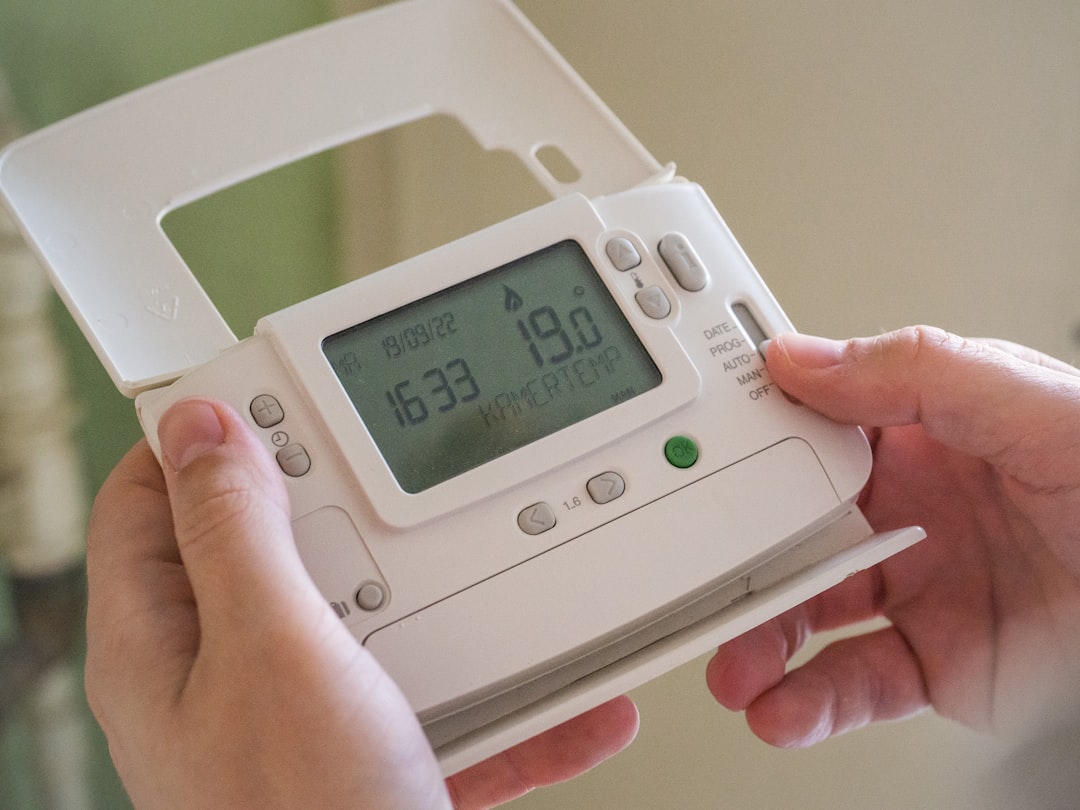
Smart thermostats have moved from novelty to utility. Beyond convenience—remote control, schedules, and voice commands—modern smart thermostats are a frontline tool for cutting heating bills, protecting comfort during extreme weather, and integrating HVAC with home automation and distributed energy resources. This guide walks you through everything: how they save energy in heat waves and deep freezes, what to check for HVAC compatibility, connectivity and reliability, installation and control strategies, and real-world tips to maximize cost reduction and home comfort.
1. Why a Smart Thermostat Matters During Extreme Weather
Energy cost volatility and extreme weather
Fuel and electricity prices spike during heat waves and prolonged cold snaps because demand surges and supply becomes constrained. If you want to understand energy price volatility in a macro context, read our primer on how oil prices evolved in 2026—it explains why energy costs can jump unexpectedly. A smart thermostat doesn't stop price spikes, but it reduces the amount of energy your HVAC uses when the grid is strained, translating to immediate savings on bills and less exposure during critical peaks.
Smart thermostats as active comfort managers
During extremes, maintaining safe indoor temperatures matters for health as much as comfort. Smart thermostats use predictive algorithms, outdoor temperature data, and historical usage patterns to regulate temperature with minimal energy. That adaptive control avoids the oscillation common with manual set-and-forget thermostats, reducing runtime and peak loads while keeping rooms within safe bands.
Resilience and emergency readiness
When the power is unstable or storms are forecast, your thermostat should be part of a resilience plan: battery backup, local control, and integration with emergency schedules. For portable backup capacity and how to pick the right unit that keeps sensitive home systems running, see our guide on choosing portable power stations and the real-world evaluation of the Jackery HomePower series.
2. How Smart Thermostats Deliver Energy Savings
Algorithms, learning, and geofencing
There are three common ways thermostats save energy: schedule-based setbacks, learning algorithms that adapt to your behavior, and geofencing that detects when the home is empty. Learning thermostats (like the Nest Learning Thermostat) can reduce heating usage by avoiding unnecessary pre-heating; studies and field reports typically show single-digit to low double-digit percentage savings on heating and cooling—something every homeowner should evaluate against their local climate and rate plan.
Optimizing runtime to avoid peak pricing
Smart thermostats can reduce runtime during peak-rate windows, lowering demand charges and time-of-use costs. If you have a utility that uses variable pricing or time-of-use rates, program your thermostat (or use its energy-saving features) to pre-cool or pre-heat before expensive hours. For help assessing whether your home energy tools are costing you money, our audit checklist is useful: The 8-step audit explains how to find waste in systems—concepts that translate to home energy too.
Real-world savings during heat waves and deep cold
Field studies suggest smart thermostats can cut heating bills by roughly 8–12% and cooling bills by up to 15% depending on behavior and local climate. The real leverage is during extremes: small percentage reductions when energy use is highest deliver outsized dollar savings. Combine that with behavior nudges (app insights and weekly reports) to lock in savings.
3. HVAC Compatibility: What to Check Before You Buy
Type of system (furnace, boiler, heat pump)
Not all smart thermostats control every HVAC type. Heat pumps, boilers with zone valves, multi-stage furnaces, and systems with separate humidification or ventilation controls require thermostats that support specific control wiring (O/B, AUX/E, W2, etc.). Always match the thermostat to your system type; manufacturers publish compatibility charts and many retailers provide compatibility checks at checkout.
Wiring and C-wire considerations
Smart thermostats often need a continuous 24VAC power source (the C-wire). If your system lacks a C-wire, options include using a power adapter, a kit like the common-wire adapter provided by some brands, or selecting a thermostat that uses batteries plus power-stealing techniques. For more on when to use supporting smart devices, see our safe-use guide on smart plugs and risks—the same caution applies to DIY wiring changes.
Integration with multi-zone and legacy systems
Multi-zone homes and older systems with proprietary controls need careful planning. In many quick-renovation projects integrating smart controls is part of the scope; if you’re flipping a home or doing upgrades, read our piece on smart renovations for buyer-ready homes to see how control upgrades add market value and what installers typically change.
4. Connectivity, Reliability & Local Control
Wi‑Fi, Thread, Zigbee, and Z‑Wave
Smart thermostats connect differently: Wi‑Fi models talk directly to the cloud, while Thread, Zigbee, or Z‑Wave devices communicate via a hub. Thread (and Matter) is becoming the common standard for secure local control. If you already have a smart home ecosystem, match the thermostat to your hub and voice platform.
Creating a reliable network: mesh Wi‑Fi and redundancy
Thermostats rely on consistent connectivity for updates and remote access. Setting up robust mesh Wi‑Fi prevents dropouts, especially in large or multi-story homes where single routers struggle. For step-by-step tips on designing a resilient mesh network for families, see our guide on mesh Wi‑Fi for big families.
Local control vs cloud dependence
Local control means your thermostat will still manage temperature if the manufacturer’s cloud goes down. If you prioritize privacy and reliability, choose a thermostat that supports local routines or Matter. For enterprises, designing resilient online services uses multi-cloud strategies; homeowners can borrow the same mindset—learn about multi-cloud resilience here: Multi-CDN & multi-cloud playbook.
5. Smart Home Integration: Platforms, Hubs, and Automation
Voice assistants and home platforms
Decide which platform matters most: Google Home, Amazon Alexa, Apple HomeKit, or Matter-enabled hubs. If you already use a platform, confirm the thermostat supports it natively—this avoids workarounds. For example, ecosystems supported by Nest or Ecobee may offer deeper HVAC analytics on their own app while exposing basic controls through voice assistants.
Advanced automation with controllers and mini-servers
Some households run a local controller (Home Assistant, a Raspberry Pi, or even a small desktop like a Mac mini) to orchestrate automations. If you’re considering a local hub, read practical buying advice such as our Mac mini M4 evaluation to see if a small desktop is a good fit for a home server: Is the Mac mini M4 still worth it? and the small office perspective: Mac mini for small offices.
Cross-device orchestration and third-party integrations
Smart thermostats are most powerful when part of cross-device rules (e.g., when smart shades lower during a heat wave, the thermostat raises the setpoint slightly). When building complex automations, be mindful of tool bloat—our audit on bloated stacks helps: How to tell if your tech stack is bloated.
6. Installation: DIY vs Professional — A Decision Framework
Simple installs you can do yourself
If you have a standard 24VAC furnace or heat pump and a C-wire, many thermostats install in 30–60 minutes. The process includes switching off power at the breaker, labeling wires, mounting the baseplate, and pairing over Wi‑Fi. Manufacturers provide step-by-step guides and compatibility checks online.
When to call a professional
Call a pro if you have any of the following: a boiler without 24VAC controls, multi-stage heat pumps, zone control systems, or if you’re uncomfortable working with wiring. A pro will ensure proper wiring, configure stages correctly, and verify integration with HVAC safety controls. If you’re vetting larger upgrades like solar or battery-backup plus thermostat integration, our guide to vetting solar partners is useful: how to vet solar partners.
Cost—what to expect
DIY costs are the device price ($100–$300). Professional installation adds labor ($75–$250 depending on complexity). If the install is part of a broader renovation or flip, smart thermostats offer high perceived value. For contractors and flippers using technology to increase saleability, see how smart kitchens and home upgrades are evolving: quick-flip kitchens and smart upgrades.
7. Feature Checklist: What to Prioritize for Energy Savings
Priority features for winter heating
For winter heating and extreme cold, prioritize: accurate remote sensors (for balancing cold rooms), support for multi-stage heating, a reliable scheduling engine with setback optimization, alerts for furnace short-cycling, and compatibility with humidification controls. Remote sensors help distribute heat where people actually are rather than where the thermostat is mounted.
Priority features for summer and heat waves
For cooling and heat waves, choose thermostats that can: pre-cool intelligently before peak price windows, integrate with smart shades or blinds, and offer adaptive fan control to improve airflow without over-cooling. Integration with whole-home ventilation systems is a plus for preventing humidity issues during hot weather.
Data, reporting and utility programs
Choose a thermostat that exposes energy reports and supports utility demand response programs if you want to earn credits or rebates during grid events. Some thermostats enroll in utility programs to reduce setpoints during peaks—these can provide direct cost reductions or rebates toward purchase.
Pro Tip: During extreme events, a 1–2°C adjustment in setpoint plus pre-heating or pre-cooling can cut bills by significantly more than the small comfort change—test small adjustments and use scheduling to automate them.
8. Comparison: Popular Smart Thermostats and Features
Below is a condensed comparison table of five common models and the attributes that matter for extreme-weather savings and integration.
| Model | HVAC Compatibility | Smart Home Platforms | Remote Sensors | Local Control / Matter |
|---|---|---|---|---|
| Google Nest Learning | Furnace, Heat Pump (multi-stage support) | Google, Works with Nest, limited HomeKit | Optional | Partial (cloud-first) |
| Ecobee SmartThermostat | Furnace, Heat Pump, Multi-stage, Forced Air | Alexa built-in, HomeKit, Google | Included Remote Sensor options | Local automations + cloud |
| Honeywell Home T10 | Wide compatibility, zone-ready | Alexa, Google, HomeKit (via bridge) | Optional remote sensors | Cloud-dependent |
| Emerson Sensi | Standard furnaces, heat pumps | Alexa, Google, Apple HomeKit | Optional | Local rules via HomeKit |
| Lux / Budget Smart Models | Basic 24VAC systems | Varies—often Wi‑Fi only | No | Often cloud-only |
How to use the table
Match the HVAC Compatibility to your home’s system first, then verify platform support. If you want local automation and maximum reliability, favor models that support Matter or have native HomeKit/Hub support.
Price vs features tradeoff
High-end models cost more but include sensors, better HVAC diagnostics, and richer automations; basic models reduce upfront cost but may provide fewer savings over time. Watch for seasonal deals—our post-holiday tech roundup highlights when big discounts drop: post-holiday tech deals.
9. Maximizing Savings: Settings, Schedules, and Routines That Work
Setback strategies for winter
Setbacks should be modest and timed: reduce setpoint by 3–4°C during sleep and away periods, then pre-heat 30–45 minutes before occupancy. Avoid aggressive overnight drops in very cold climates—freeze risk and catch-up runtime can negate savings. Use remote sensors to keep bedrooms warm while lowering the thermostat elsewhere.
Pre-cooling and demand response in summer
Pre-cool 1–2 hours before peak pricing and raise setpoints during peak hours. If your thermostat participates in demand response, ensure you understand program opt-in and any override options. You can also orchestrate blinds/shades to reduce cooling load.
Monitoring, alerts and continuous improvement
Enable usage reports and system alerts (filter changes, short cycling). Regularly review weekly energy summaries to refine setback schedules. If you track many smart devices and automations, perform periodic audits to avoid redundant or conflicting rules; our 8-step audit method helps homeowners and small businesses spot hidden inefficiencies: 8-step audit.
10. Privacy, Data, and Long-Term Support
What data do thermostats collect?
Thermostats collect setpoints, runtime, occupancy (geofence or sensor), and sometimes motion patterns or local temperature. Vendors may use anonymized data for energy programs and product improvements; read privacy policies and opt-out when possible if you are privacy-minded.
Firmware updates and device retirement
Choose vendors with a clear update policy. Devices that stop receiving firmware updates can become security risks. If you run a local controller (e.g., Home Assistant on a mini-server), you can prolong functionality even if cloud services degrade—see considerations for small home servers in our Mac mini M4 coverage: Mac mini M4 buyer's verdict.
Vendor lock-in and platform openness
Avoid deep vendor lock-in if you want flexibility. Favor devices that support open standards (Matter) or have robust local APIs. That gives you the freedom to change platforms without replacing all hardware.
11. Final Buying Roadmap: Step-by-step
Step 1 — Audit your HVAC and network
Document your HVAC type, wire colors, presence of a C-wire, existing zoning, and current Wi‑Fi coverage. If Wi‑Fi is spotty, plan mesh expansion first; for a practical how-to, read our mesh Wi‑Fi guide: mesh Wi‑Fi for big families.
Step 2 — Prioritize features and budget
Decide if you need remote sensors, heat-pump specific control, local control/Matter, and which voice platforms matter. Compare models with the table above. Factor in potential utility rebates and seasonal discounts—our post-holiday roundup is a good place to watch for deals: post-holiday tech deals.
Step 3 — Install, configure, and monitor
Install (or hire a pro), enable energy reports, link to your smart-home hub, and set conservative setbacks. Monitor for two weeks and iterate. If you plan to integrate backup power or storage to maintain HVAC during outages, check portable power station options and vendor evaluations: choosing backup power and product-specific analysis like the Jackery review.
Frequently Asked Questions (FAQ)
Q1: Will a smart thermostat actually lower my winter heating bill?
A: Yes—most households see measurable reductions if they use setback schedules, remote sensors, and adaptive features. Expect 8–12% savings for heating in many cases, but results depend on behavior and home envelope efficiency.
Q2: What if my home has no C‑wire?
A: Options include using the thermostat’s power adapter, installing a C-wire at the furnace, or choosing a model designed for battery operation or power-stealing. Each approach has pros and cons for reliability.
Q3: Are cloud features necessary?
A: Cloud features add convenience (remote access, updates, utility programs), but local control is important for privacy and reliability—prefer devices that offer both.
Q4: How do I ensure my thermostat remains functional during a power outage?
A: Consider a UPS for network gear and thermostat hubs, or a home battery/portable power station sized to maintain the HVAC controller. Review backup power options to determine run-time and compatibility: backup power guide.
Q5: Do smart thermostats work with solar and home batteries?
A: Many do—especially when paired with home energy management systems. If you’re planning solar integration, vet installers carefully; our guide on vetting solar partners explains what to ask: vetting solar partners.
12. Closing: The Big Picture
Smart thermostats are not a silver bullet, but when chosen and configured correctly they reduce energy use, increase comfort, and add resilience during extreme weather. They work best as part of a systems approach: proper insulation, efficient HVAC equipment, reliable connectivity, and careful automation. If you treat the thermostat as a control hub—not just a remote-control widget—you’ll unlock the most savings and the best comfort.
For homeowners planning larger smart home projects, consider network resilience (mesh Wi‑Fi), backup power planning, and the long-term vendor support policy. If you're doing a renovation or flip, integrate thermostat selection into your project scope to add buyer appeal—learn how tech-forward renovations are reshaping quick flips in our coverage: quick-flip kitchens and smart upgrades.
Action Checklist (5 minutes)
- Confirm your HVAC type and whether you have a C‑wire.
- Run a Wi‑Fi coverage check and plan mesh upgrades if needed (mesh guide).
- Pick a thermostat that supports your platform and local control (Matter/HomeKit).
- Schedule installation and enable energy reports to monitor first-month savings.
- Consider backup power options if outages are a risk: read backup power buying tips (backup power guide) and product reviews (Jackery review).
Related Reading
- —