Plug-In Energy Savers: Which Devices Are Real and Which Are Scams?
Hook: If you've been tempted by a cheap dongle promising 30%+ off your electric bill — unplug it. Homeowners and renters increasingly face slick marketing for magic ‘power-saving’ boxes that rarely deliver. This buyer’s guide cuts through the hype, shows how to spot fraud, and points you to proven tools (smart plugs, whole-home monitors, thermostats) that actually reduce costs in 2026.
Why this matters now (2026 context)
Energy prices and complex rate structures have shifted since 2023. By late 2025 and early 2026 utilities rolled out wider time-of-use pricing and demand-response programs in many U.S. regions and parts of Europe. At the same time, the Matter smart-home standard and improved cloud-to-device controls made real, automated savings easier — but also gave scammers better-sounding technobabble. That makes distinguishing legitimate efficiency products from fraudulent power-saving dongles more important than ever.
What the scams look like — and why they don’t work
Over the past decade dozens of inexpensive dongles have been marketed as “power savers,” “energy stabilizers,” or “phase correction” plugs. They often claim to reduce reactive power, smooth waveforms, or protect appliances — and then promise big reductions in kWh consumption. Real-world testing and consumer protection reviews (including ZDNET’s product testing and actions from consumer agencies) have repeatedly shown these devices do not reduce measured electricity usage on standard household loads.
Common red flags
- Vague technical language: Promises like “improves power factor to save up to 40%!” without published lab results or independent testing.
- No independent test data: Legitimate efficiency products include third-party tests or utility program endorsements.
- Too-good-to-be-true savings: Claims of double-digit kWh reduction for basic resistive loads (lights, space heaters) are unrealistic.
- Upfront-only sales pitch: Heavy use of urgency, limited-time offers, or social-media-only reviews.
- No return policy or contract traps: Difficult refunds or subscription obligations for a simple plug.
“If the device doesn’t provide lab-grade, third-party test data and clear explanation of the electrical theory, treat the marketing claims as fiction until proven.”
Why these dongles don’t reduce your bill
Electricity meters in homes charge for energy consumed in kWh, not for “dirty sine waves.” For most residential customers, the loads that use energy (heaters, ovens, refrigerators, chargers, lights) draw power that is measured in kWh. Devices that only claim to alter voltage waveform or improve power factor cannot reduce the real energy those devices draw unless you actually change device operation.
Exceptions exist in industrial settings where utilities charge for apparent power or penalize reactive power — but those tariffs are almost never applied to single-family homes or small apartments. Any ad that implies huge savings for a typical household is likely misrepresenting how billing works.
How reputable sources test claims
Independent reviewers (ZDNET among them) run controlled A/B tests: measure baseline kWh using calibrated meters or whole-home monitors, install the device, repeat the measurement under identical loads, and compare. When testing has been done correctly the “savers” show no statistically significant reduction. That’s why consumer protection groups have repeatedly flagged these products.
Real tools that actually lower energy costs
Stop chasing magic boxes. Here are legitimate devices and strategies that deliver measurable savings — and how to choose them in 2026.
1) Smart plugs — control and schedule real loads
What they do: Give on/off and sometimes energy-measurement control for individual outlets or appliances. Great for space heaters, window AC units, dehumidifiers, and always-on vampire loads.
Why they work: They let you eliminate wasted runtime, schedule appliances to run at cheaper times, or integrate into automations (turn off when you leave). If a smart plug has real energy metering, you can measure kWh for that specific device.
2026 buying tips:
- Prioritize plugs with built-in energy metering and accurate reporting to the cloud or a local hub.
- Choose Matter-certified or Wi‑Fi models that integrate with your existing local hub for robust automations.
- Look for UL/ETL safety listings and outdoor/weatherproof ratings when needed.
Examples to consider: TP-Link Tapo (Matter models now available), Cync Outdoor smart plug. In 2026 many manufacturers improved metering accuracy after pressure from reviewers.
2) Whole-home energy monitors — measure where your power goes
What they do: Ring-type current sensors or CT clamps installed at your electrical panel to measure whole-home consumption in real time and report detailed usage analytics.
Why they work: You cannot manage what you don’t measure. Whole-home monitors (Sense, Emporia, lately newer competitors) let you identify large loads, see baseline consumption, and validate savings from any efficiency change. They also enable time-of-use optimization and participation in utility demand-response programs.
2026 buying tips:
- Look for models with open APIs or local data export to avoid vendor lock-in.
- Verify accuracy claims — many devices are ±1–5% when installed properly.
- Check compatibility with split-phase and multi-phase panels if you have a large home or three-phase service.
Examples: Emporia Vue series remains a strong value pick; Sense continues to refine device-level detection. Newer entrants in 2024–2025 improved detection algorithms and integration with home automation hubs.
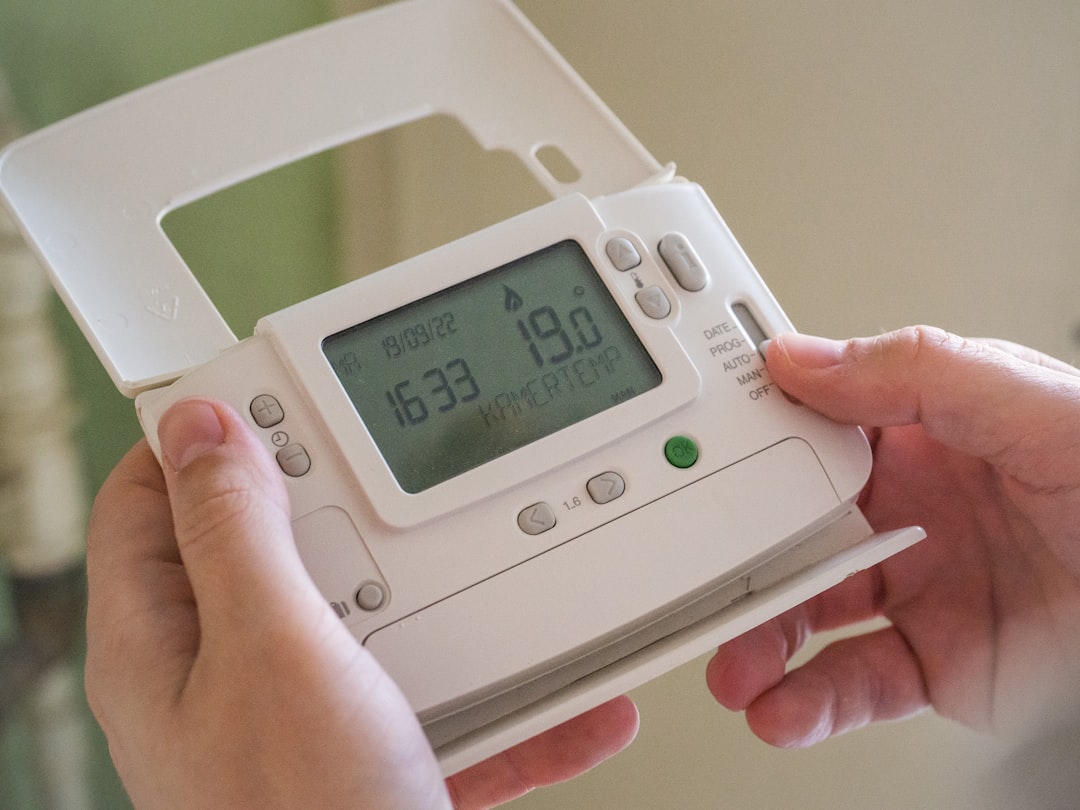
3) Programmable and smart thermostats — one of the highest-impact upgrades
What they do: Replace the manual thermostat with one that learns, follows schedules, and integrates with occupancy sensors, heat pump controls, and utility programs.
Why they work: HVAC is the largest chunk of many home energy bills. Smart thermostats reduce runtime, optimize setpoints for time-of-use pricing, and enable features like eco modes and remote monitoring.
2026 considerations: Heat pump adoption surged in many regions by 2025. Ensure the thermostat supports your system (multi-stage heat pumps, auxiliary heat, emergency heat). Look for models that support local controls via Matter or offer reliable cloud services with good privacy policies.
Top picks: Google Nest (latest model), Ecobee lineup — both improved heat-pump compatibility and utility program integration through 2025.
Side-by-side: Quick comparison
| Device type | Primary benefit | Typical savings | Best use |
|---|---|---|---|
| Smart plug | Control + per-device metering | Small- to medium; depends on runtime (5–25% for targeted loads) | Space heaters, chargers, entertainment systems |
| Whole-home monitor | Visibility, validation | Enables larger savings when paired with actions (10–30% potential) | Identify big loads, validate upgrades, time-of-use shifting |
| Smart thermostat | HVAC optimization | 10–20% typical HVAC savings | Furnace, boiler, heat pump systems |
How to test a claimed “power saver” — real-world checklist
If someone shows you a device that claims to cut your bills, use this process to validate it yourself.
- Measure baseline: Use a whole-home monitor or a plug-in meter (Kill A Watt or smart plug with accurate metering) to record kWh for several days to a week. Document typical patterns.
- Install the device: Put the dongle where recommended and continue the same usage patterns for the same length of time.
- Compare like-for-like: Only compare periods with similar outdoor temperatures and occupancy. HVAC swings will distort results.
- Look for meaningful delta: A realistic measurable change should exceed the monitor’s accuracy tolerance (usually >2–3%).
- Request third-party test data: Ask the seller for lab test reports from accredited labs. If they can’t provide them, be skeptical.
- Check your bill: Remember meter readings and billing cycles; compare monthly bills with seasonal adjustments, not day-to-day noise.
How much can you realistically save?
Savings vary widely by home, climate, and behavior. Typical ranges in 2026 for realistic interventions:
- Smart thermostat: 8–20% on HVAC energy (higher for poorly controlled systems; lower if home already efficient).
- Targeted smart plugs + behavior changes: 5–15% for lighting and small appliances.
- Whole-home monitoring + targeted upgrades: Enables combined savings of 10–30% when paired with insulation, LED lighting, and HVAC tuning.
Note: Magic dongles claiming 20–50% across all household loads typically contradict how meters and physics work.
Regulation, consumer protection, and recent developments
Consumer protection groups and regulators have taken notice. Since 2024 several national-level advisories warned consumers about unproven “power saving” devices. Independent reviewers such as ZDNET and utility-sponsored programs published controlled tests debunking many claims. In 2025 some ecommerce platforms tightened policy on energy-saving product claims, demanding lab reports or partner program endorsements.
In 2026, expect more enforcement and more rigour from marketplaces: sellers now need to show valid testing for energy reduction claims or risk takedowns. That’s a win for buyers.
Case study — real homeowner example (anonymized)
We worked with a mid-sized suburban home in 2025 that reported high bills. Baseline data via a whole-home monitor showed a monthly consumption of 900 kWh, with HVAC representing ~55% of usage. Actions taken:
- Installed a smart thermostat supporting the heat pump and set a conservative setback schedule.
- Added smart plugs to an electric space heater and a home office setup to eliminate phantom loads during evenings.
- Rewired HVAC schedule and sealed duct leaks (small contractor job).
Measured result after three months: 18% reduction in total kWh (about 162 kWh less per month), validated by the whole-home monitor and visible on the utility bill. The homeowner’s return on investment (thermostat + plugs + duct sealing) was under 14 months with local rebates applied.
Buying guide — key questions to ask before you buy
- Does the product provide independent third-party test results showing measured kWh reductions for residential settings?
- Is the seller transparent about the electrical theory and the households where it applies?
- Is the device listed by a recognized safety lab (UL, ETL)?
- Can you return the product easily if it fails to deliver?
- Does it integrate with your home automation platform or export data for verification?
Where to invest your money first
- Measure (whole-home monitor): Know baseline use before making decisions.
- Thermostat upgrade: Biggest single HVAC impact for many homes.
- Targeted control (smart plugs) + behavior changes: Low cost, fast payback for specific loads.
- Insulation & air sealing: Often paired with controls to maximize HVAC savings.
DIY testing tools
- Kill A Watt or a reputable plug-in meter for single-appliance tests.
- Whole-home monitor for overall usage and event detection.
- Spreadsheet or home energy app to log and normalize daily usage to HDD/CDD (heating/cooling degree days) when comparing periods.
Final verdict: Separate the science from the sales pitch
Magic “power saver” dongles sold on the promise of waveform correction are typically scams for residential customers. Independent testing (ZDNET and others), regulatory advisories, and basic physics support that conclusion. The right investments are not magic; they are measurable: control, visibility, and smarter heating and cooling.
In 2026, leverage the improved smart-home standards (Matter), more accurate and affordable energy monitors, and utility programs for demand response and time-of-use billing. Combined, these give homeowners the tools to cut bills legitimately — without falling for trendy, unsupported devices.
Actionable takeaways
- Unplug and ignore any device that promises huge kWh cuts without lab evidence.
- Start with measurement: install a whole-home monitor or use accurate plug meters.
- Invest in a smart thermostat for HVAC-heavy homes and smart plugs for targeted loads.
- Use data to validate savings and check eligibility for rebates or utility programs.
Call to action
Ready to stop wasting money on myths and start cutting real energy costs? Download our free 7-step home energy checklist, or get a free estimate from vetted local installers who can install a safe whole-home monitor and upgrade your thermostat. If you already bought a “power saver” and want to test it, follow our step-by-step validation checklist above — or contact our team for a guided energy audit.
Protect your wallet: measure first, trust data, and choose proven products.
Related Reading
- Field Playbook 2026: Upgrading Outlet Safety and Load Management for Modern Homes
- Refurbished Phones & Home Hubs: A Practical Guide for 2026
- Modern Observability in Preprod Microservices — Advanced Strategies & Trends for 2026
- Product Review: Data Catalogs Compared — 2026 Field Test
- Why Bluesky Saw a Surge — The X Deepfake Fallout and Platform Opportunity
- Credit Card Concierge Tricks to Score Hard-to-Book Local Experiences in 2026 Hotspots
- Sovereignty & Supply Chains: How AWS European Sovereign Cloud Changes EU Procurement for Office Services
- Pet Obesity in Cats: Practical Weight-Management Tactics for Families
- Buying Guide: How to Vet Smart Baby Monitors and Connected Toys