Indoor air quality (IAQ) profoundly impacts home comfort, health, and energy efficiency. With rising concerns about allergens, pollutants, and ventilation, homeowners must understand the spectrum of indoor air quality solutions available and how they integrate with heating and cooling systems to optimize environmental health. This comprehensive guide explores key IAQ technologies, their effectiveness, and practical integration strategies for lasting home comfort.
Understanding Indoor Air Quality and Its Importance
What Constitutes Indoor Air Quality?
Indoor air quality refers to the condition of air inside buildings, including the concentration of pollutants such as dust, volatile organic compounds (VOCs), mold spores, and carbon monoxide. Poor IAQ can trigger health issues ranging from allergies and asthma attacks to long-term respiratory problems, making its improvement a critical home priority.
Common Indoor Air Pollutants
Typical indoor pollutants include particulate matter, pet dander, chemical fumes from household products, and biological contaminants like bacteria and mold. Understanding these allows homeowners to select targeted solutions rather than one-size-fits-all fixes.
The Link Between IAQ and Home Comfort
Beyond health, IAQ affects thermal comfort and energy consumption. For example, inadequate fresh air ventilation leads to stuffy, stagnant rooms where heating and cooling systems must work harder. Well-ventilated, clean air contributes to more efficient HVAC operation and better overall comfort.
Types of Indoor Air Quality Solutions
Air Purifiers: Technology and Effectiveness
Air purifiers range from simple mechanical filters to advanced units with HEPA, activated carbon, or UV-C technology. HEPA filters capture over 99.97% of particles down to 0.3 microns, effectively removing dust, pollen, and smoke. Activated carbon filters neutralize odors and VOCs, while UV-C light can inactivate bacteria and viruses. Choosing the right purifier depends on the home's specific air quality concerns.
Ventilation Systems: Fresh Air Management
Ventilation plays a vital role by introducing fresh air and exhausting stale indoor air. Solutions include exhaust fans, HRVs (Heat Recovery Ventilators), and ERVs (Energy Recovery Ventilators), which exchange air efficiently while retaining heat. Proper ventilation helps control humidity and prevent mold growth, directly improving IAQ.
Humidity Control: Balancing Moisture
Humidity impacts both air quality and comfort. High humidity fosters mold, dust mites, and respiratory irritation, while low humidity can cause dry skin and respiratory discomfort. Humidifiers and dehumidifiers integrated with HVAC systems maintain optimal moisture levels, typically between 30%-50%, enhancing health and energy savings.
How Indoor Air Quality Solutions Integrate with Heating and Cooling Systems
HVAC with Built-in IAQ Features
Modern HVAC systems increasingly feature integrated air cleaning components such as MERV-rated air filters, UV lights, and ventilators. These integrated solutions provide consistent air quality management without the need for standalone devices, ensuring the heating and cooling system maintains both temperature and air purity effectively.
Retrofit Options for Existing HVAC Systems
Homeowners with existing systems can upgrade filtration media or install add-ons like in-duct air purifiers and whole-home ventilation units. For guidance on selecting the correct upgrades, see our HVAC retrofit strategies to optimize system performance and IAQ.
Controlling Indoor Air Quality Via Smart Thermostats
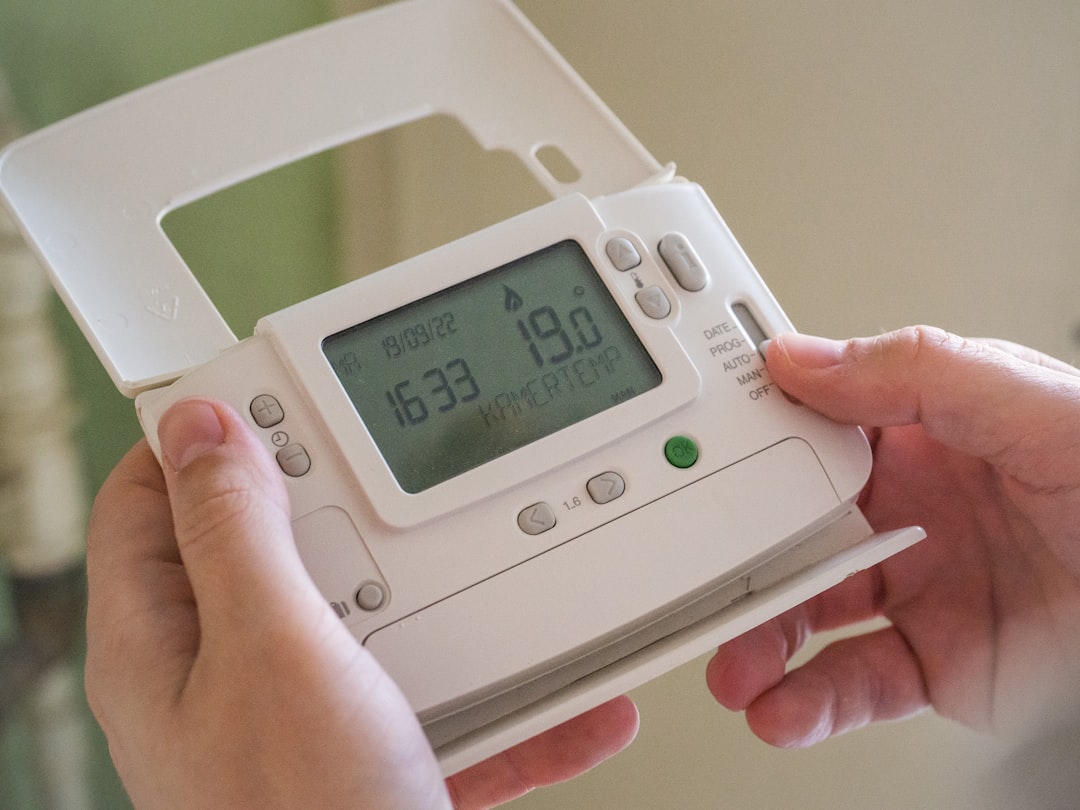
Smart thermostats now allow for IAQ monitoring and control functions, adjusting ventilation schedules based on indoor humidity, pollutant sensors, or occupancy patterns. This data-driven approach enhances both comfort and energy efficiency. Detailed insights can be found in our article on smart thermostat benefits.
Comparing Air Purification Technologies
| Technology | Effectiveness | Best Use Case | Maintenance | Cost Range |
|---|---|---|---|---|
| HEPA Filters | Removes >99.97% of particulates ≥0.3 microns | Allergy relief, dust, smoke | Replace filters every 6-12 months | $100 - $500+ |
| Activated Carbon Filters | Absorbs odors, VOCs, gases | Homes with pets, strong odors, chemical use | Replace every 3-6 months | $150 - $400 |
| UV-C Light | Inactivates bacteria and viruses | Healthcare, homes with immune-compromised residents | Bulb replacement annually | $200 - $600 |
| Ionizers | Charged particles settle on surfaces | Reduction in airborne particulates | Regular cleaning of collection plates | $100 - $300 |
| Electrostatic Filters | Reusable, moderate filtration | Energy-conscious users | Wash and reuse periodically | $80 - $250 |
Assessing Your Home’s Air Quality Needs
Conducting an Indoor Air Quality Assessment
Before selecting solutions, assess your home's IAQ via professional testing or DIY kits measuring particulate levels, humidity, and VOCs. Understanding these metrics guides investment in adequate purification, ventilation, or moisture control.
Identifying Specific Pollutants and Sources
Targeted treatments depend on pollutant sources — e.g., pets may increase dander, new furniture can emit VOCs, and poor combustion appliances raise carbon monoxide. Address source control alongside air treatment for best results.
Considering Home Layout and HVAC Compatibility
Large or multi-level homes may require whole-home ventilators and integrated HVAC filtration, while smaller dwellings might benefit from portable air purifiers. Consulting with HVAC professionals ensures correct system sizing and integration, as highlighted in our guide to finding reliable installers.
Benefits of Enhancing Indoor Air Quality
Health Improvements
Cleaner air reduces allergy symptoms, asthma attacks, and respiratory infections, contributing to improved overall family well-being. Several studies correlate good IAQ with reduced sick days and enhanced cognitive function in residents.
Energy Efficiency Gains
Proper ventilation and filtration reduce strain on HVAC systems by minimizing dust buildup and balancing humidity, leading to lower energy usage and bills. For energy-saving tips, see our article on reducing heating bills.
Enhanced Comfort and Property Value
Homes with controlled humidity and fresh, clean air feel more comfortable year-round and often have higher market appeal. Real estate trends underscore buyers’ preference for properties with advanced IAQ solutions, as discussed in our 2026 housing market trends.
Practical Installation and Maintenance Tips
Choosing Professional vs. DIY Installations
Integral IAQ components tied to HVAC usually require professional installation to ensure proper airflow and sealing. Portable air purifiers and humidifiers, by contrast, are often user-friendly and cost-effective for DIY installation.
Regular Maintenance Schedules
Maintaining filters, cleaning components, and scheduling HVAC tune-ups preserve IAQ system function and prolong equipment life. Regular checks reduce emergency repairs and maintain peak indoor air comfort.
Cost Considerations and ROI
Though initial expenses may vary widely, investing in efficient IAQ solutions pays off via improved health outcomes, increased HVAC longevity, and energy savings over time. Financing options and rebates can further offset upfront costs.
Integrating IAQ Solutions with Smart Home Technologies
Real-Time Air Quality Monitoring
Smart IAQ sensors track pollutant levels and communicate with HVAC systems or purifiers to adjust operation dynamically, ensuring air cleanliness without constant manual input. See more on smart home benefits in our smart thermostat guide.
Automated Ventilation Control
Ventilation units can adjust air exchanges based on indoor usage, outdoor air quality, and pollutant detection, optimizing comfort and energy use.
Integration with Energy Management Systems
Coordinating IAQ devices with home energy systems can balance comfort with utility bill reduction, providing data-driven efficiency.
Environmental and Health Considerations
Reducing Exposure to Indoor Allergens and Toxins
Implementing proper IAQ measures lowers exposure to allergens and chemicals linked to chronic health conditions.
Mold Prevention Through Ventilation and Humidity Control
Effective moisture control strategies prevent mold growth, a common indoor air contaminant harmful to respiratory health.
Special Needs: Children, Elderly, and Immune-Compromised Residents
Homes with vulnerable individuals benefit from higher-grade filtration, UV sterilization, and continuous monitoring to safeguard their health.
Summary and Next Steps for Homeowners
Choosing the right indoor air quality solutions is a vital investment in home comfort and health. Understanding available technologies, assessing your home’s unique air quality challenges, and leveraging professional guidance to integrate systems ensures effective, lasting results.
For hands-on advice, explore our detailed articles on finding local IAQ and HVAC installers and maintaining HVAC systems to support your air quality improvements.
Frequently Asked Questions about Indoor Air Quality Solutions
1. How often should I change air purifier filters?
Filter replacement varies by type and usage but generally every 6 to 12 months for HEPA filters and 3 to 6 months for activated carbon filters. Refer to manufacturer guidelines for specifics.
2. Can ventilation alone improve indoor air quality?
While ventilation reduces pollutants and moisture by exchanging indoor and outdoor air, combining it with filtration and purification technologies best addresses a wide range of contaminants.
3. Are UV-C air purifiers safe for home use?
UV-C purifiers designed for HVAC integration or standalone applications are safe when properly installed, as the light is contained and does not directly expose residents.
4. Will air purifiers increase my energy bill?
Modern air purifiers are energy-efficient, but continuous operation adds some electricity costs. However, they can reduce HVAC strain, potentially lowering heating and cooling expenses overall.
5. How do I know if my home has poor indoor air quality?
Signs include frequent allergy symptoms, odors, visible dust, mold, or high humidity. Professional IAQ testing provides definitive data for targeted solutions.
Related Reading
- HVAC Retrofit Strategies - Learn how to upgrade your existing heating and cooling system for better energy performance.
- Finding Local Installers - Tips for locating trusted HVAC and IAQ professionals in your area.
- Maintaining HVAC Systems - Practical advice to keep your systems running efficiently for years to come.
- Reducing Heating Bills - Strategies to cut energy use without sacrificing comfort.
- Housing Market Trends 2026 - How IAQ improvements can boost home value and appeal.