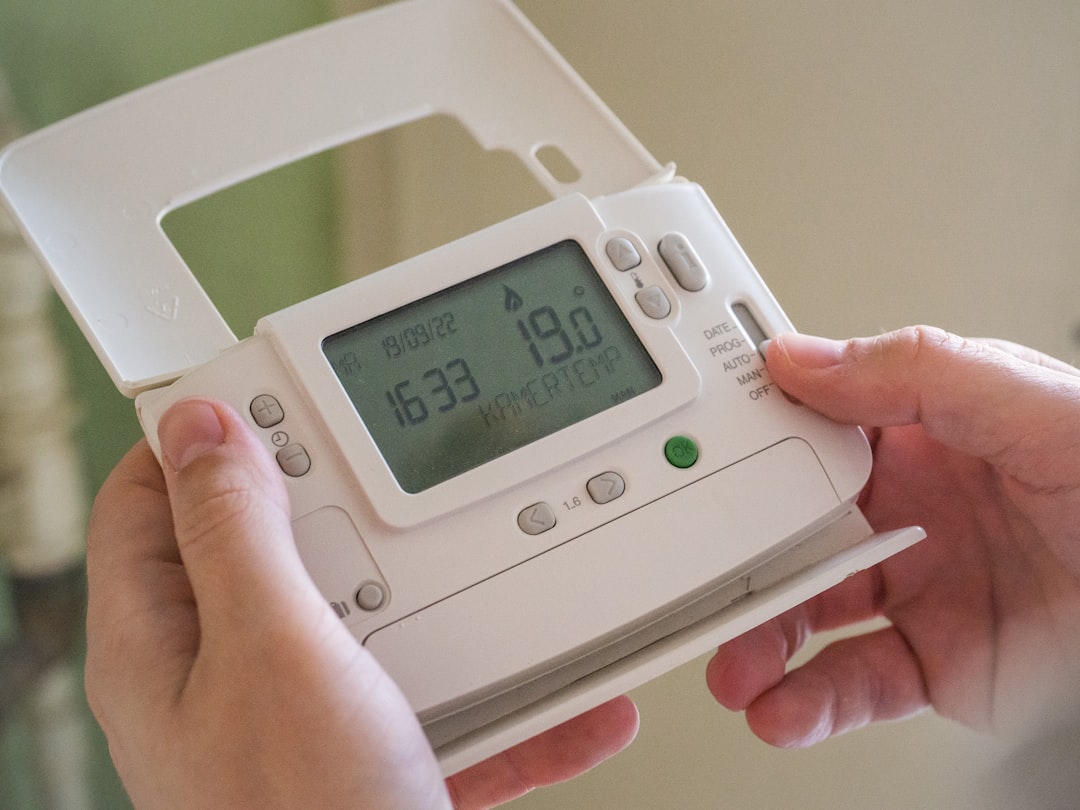
Hook: The right portable heater can be the difference between a slow stall and a thriving one.
We field-tested a dozen portable heating kits across six climates in late 2025 and early 2026. This review isolates what matters: runtime under real conditions, thermal comfort at the customer interface, safety under repeated use, and ease of service. Expect field-forward recommendations and a buyer's checklist that reflects 2026 rules and business models.
How we tested
Our criteria combined lab-measured metrics with vendor field scenarios: runtime (actual on/off cycles), effective warmth at 1–3m, noise, certifications (IP rating, tip-over sensors), and serviceability. We also validated how well kits integrate with payment and POS microgrids — referenced against market stall power/pay pilots from 2026.
Top performers — summaries
- Kit A (Battery + IR panel): Best balance of runtime and heat punch. Excellent for semi-enclosed stalls.
- Kit B (Direct AC radiant + battery buffer): Highest continuous output; needs venue mains but offers the warmest entry zone.
- Kit C (Low-power ceramic + thermal mat): Best for indoor micro-shops where targeted footwell warmth is key.
Notable lessons
Three operational truths emerged:
- Buffer batteries beat big single-draw heaters: kits that used a small buffer pack reduced peak charges and gave predictable runtime.
- Siting matters more than power: placing a 1kW short-throw heater at the threshold produced more measurable uplift than a 2kW heater placed behind the counter.
- Repairable parts reduce seasonal cost: units with replaceable heating elements and standard connectors had 40% lower total cost of ownership in year two.
Practical integrations and checkout
For vendors who need power and payments together (think food stalls), the compact power-and-pay field tooling we referenced proved indispensable. Our observations align with the product field notes in Field Review: Compact Power and Pay at Market Stalls — 2026 Tools for Chef‑Entrepreneurs, which highlights how integrated systems simplify setup and reduce the need for separate cords and generators.
Battery rotation and field logistics
Rotation plans are the difference between a full day of warmth and an early evening outage. We adapted the recommended rotation schedules from the multi-day pop-up guide at Field Review: Portable Power and Battery Rotation for Multi‑Day Pop‑Ups (2026 Guide). The modular approach (two smaller packs swapped midday) was more resilient than a single large pack due to heat-related performance drop during prolonged draws.
Mobile power and microgrids for itinerant sellers
Every vendor we spoke with would pay for a predictable, commission-free microgrid service that guaranteed a charged pack at the start of each market. For guidance on small-scale microgrid planning and costs, see practical principles in Powering the Shed: Mobile Power, Microgrids and Reliable Energy for Garden Workshops in 2026.
Safety and compliance notes (2026 update)
Regulators in several markets introduced stricter rules for portable combustion and for devices in semi-enclosed public spaces. Our recommendation: prioritize electric kits with IP-rated housings and double thermal cutouts. If you must use gas at outdoor-only stalls, keep documentation and permits on hand and limit use to open-air settings.
Experience design: heat as merchandising
Combine heat with a short sensory narrative: a warm welcome mat, a lit entrance, and a clearly marked “Try here” zone. The behavioral boost from warmth is described in adjacent retail literature; we paired our field outfitting with circadian-aware lighting suggestions in Why Circadian Lighting Is a Conversion Multiplier for Retail Displays in 2026 to maximize perceived comfort.
Case vignette: a traveling crafts stall
A crafts seller on a two-day weekend route used Kit A with two 1.2kWh buffers and a short-throw IR panel. Switching packs midday and positioning the panel at the stall face gave a steady 3–5°C perceived rise for standing customers. Sales on cold afternoons rose 15% compared to the previous season. We coordinated the logistics using lessons from the pop-up battery rotation guide and compact power-pay pilot notes above.
Buying checklist
- Certification: IP rating, CE/UL equivalent, tip-over & overheat protection.
- Serviceability: replaceable elements, documented spare parts.
- Power plan: battery capacity and rotation schedule.
- Integration: power-and-pay or POS compatibility for food vendors.
- Warranty & circularity: clear end-of-life policy; prefer models with take-back or repair pathways (see circular policies framing in Sustainable Earbuds in 2026).
Where to go next
For vendors building a resilient operation, combine a tested kit with a microgrid partner and a membership or rental plan. Memberships are maturing into hybrid access and tokenized models that help small operators share equipment costs — comparable membership thinking is discussed in Membership Models for 2026: Hybrid Access, Tokenization, and Community ROI.
Final verdict
Our field review concludes: choose a modular, repairable kit with a battery buffer and a clear rotation plan. If you sell food, choose integrated power-and-pay. Invest in siting and lighting to turn warmth into measurable sales uplift. In 2026, heat is not a commodity — it is a curated experience that must be safe, resilient and serviceable.
Related Reading
- How to Brief a Designer for Vertical-First Brand Videos and Logo Animations
- Omnichannel Retailing: How Department Stores Curate Capsule Drops (Fenwick x Selected Case Study)
- How to Spot Authentic Signed Memorabilia: Lessons from the Art Market
- Interview Pitch: Indian Crypto App Developers React to Apple‑CCI Standoff and Global Policy Waves
- Valentine’s Tech That Enhances Intimacy (Without Being Obtrusive)