Hear a Smoke Alarm? Your HVAC Is Part of the Problem — and the Solution
Smoke spreads fast through ductwork, stairwells and shared spaces. For homeowners and first responders, the wrong HVAC response can multiply damage and endanger lives. This guide gives clear, practical rules for HVAC shutdown, damper control and ventilation strategies to limit smoke spread — reflecting the latest 2025–2026 trends like AI smoke detectors and smarter building controls.
Immediate priorities (first 2 minutes)
When a smoke alarm sounds, human safety is the top priority. Before thinking about systems, follow these life-saving steps:
- Evacuate immediately. Do not try to investigate if you smell heavy smoke, see flames, or if the alarm is repeating.
- Call emergency services (911 or local fire department) from a safe location.
- Warn neighbors / others in multi-unit buildings.
Only after you and others are safe should you consider any technical steps that influence smoke spread. For first responders and trained building staff, system control actions come as part of emergency procedures; untrained residents should prioritize evacuation and notification.
Why HVAC matters: a quick technical snapshot
Forced-air HVAC systems and whole-house ventilation can become unintended smoke movers. Key points to understand:
- Air handlers, furnace blowers, and rooftop units create pressure differentials that push smoke into supply registers, adjacent rooms and duct plenums.
- Return-air paths can draw smoke from a fire room into the central system and distribute it building-wide.
- Fire dampers close when heated and are designed to stop flame and hot gas spread; smoke dampers close on electrical/automatic signal to stop smoke migration; combination dampers offer both protections.
Two different scenarios — two opposite responses
The single most important rule is this: your response depends on where the smoke is coming from. Treat indoor fires differently from outdoor smoke (like wildfires).
1) Indoor fire or smoke source inside the building
Goal: stop smoke spread. Recommended actions:
- Shut down forced-air HVAC immediately — turn the thermostat fan to OFF and switch off the air handler/furnace at the service switch or breaker if safe to do so. This reduces forced distribution of smoke through ductwork.
- Close motorized and manual dampers in unaffected zones if you have access and training. In commercial and multi-family buildings, building automation systems (BAS) and the fire control panel should command smoke dampers closed.
- Turn off whole-house or attic fans and range-hood fans — they can pull smoke into other areas.
- Close interior doors to compartmentalize the fire room and limit spread; that includes bedroom doors, pantry doors, and doors to mechanical rooms.
- Do not open windows in the immediate fire area unless ordered by firefighters — opening windows can feed the fire with oxygen and change smoke movement.
“Shutting off forced-air systems quickly reduces the pressure-driven movement of smoke through ducts and into other occupied spaces.” — Fire safety and HVAC experts
2) Outdoor smoke: wildfire, prescribed burn or nearby structure fire
Goal: keep indoor air clean and prevent outdoor smoke from being drawn in. Recommended actions differ sharply:
- Keep HVAC running in recirculation mode — set the thermostat fan to ON or to a continuous setting so the system filters circulated air. Most guidance from air quality agencies recommends recirculation to reduce infiltration of outdoor smoke.
- Close fresh-air/ make-up air dampers and economizer controls to stop outside air intake; if your system has a manual fresh-air damper, close it now.
- Use high-efficiency filtration — install or temporarily fit a MERV 13+ filter where the system can handle it, or run HEPA portable air cleaners in occupied rooms.
- Seal gaps around doors and windows and avoid opening doors unless necessary.
How to decide in the heat of the moment: a short decision flow
- Do you see or smell smoke inside? — Yes: treat as indoor fire and shut HVAC down. No: continue.
- Is there visible smoke outside or an air quality advisory for wildfire? — Yes: switch to recirculation and increase filtration.
- Are you unsure? — Evacuate and let first responders or building staff manage systems.
Practical steps for homeowners (a checklist)
Before an incident: prepare and label so decisions are simple under stress.
Pre-incident preparedness
- Install and maintain smoke alarms (replace batteries annually or use units with 10-year sealed batteries). Consider AI-enabled smoke detectors that reduce nuisance alarms and can integrate with smart home systems (wider adoption in 2025–2026).
- Label your HVAC service switch and the main breaker for the air handler. Place an emergency HVAC shutoff sticker near a primary exit — grab practical field tools guidelines like portable comm/tester kits for marking and testing access points.
- Install motorized zone dampers or a simple manual damper at the duct branch serving high-risk areas (kitchens, garages) so you can isolate zones quickly. If you have a comprehensive smart-home controller, reviews such as the HomeEdge Pro Hub cover integrations that may include damper control and zone management.
- Keep one or two portable HEPA air cleaners for critical rooms — they are inexpensive insurance against outdoor smoke.
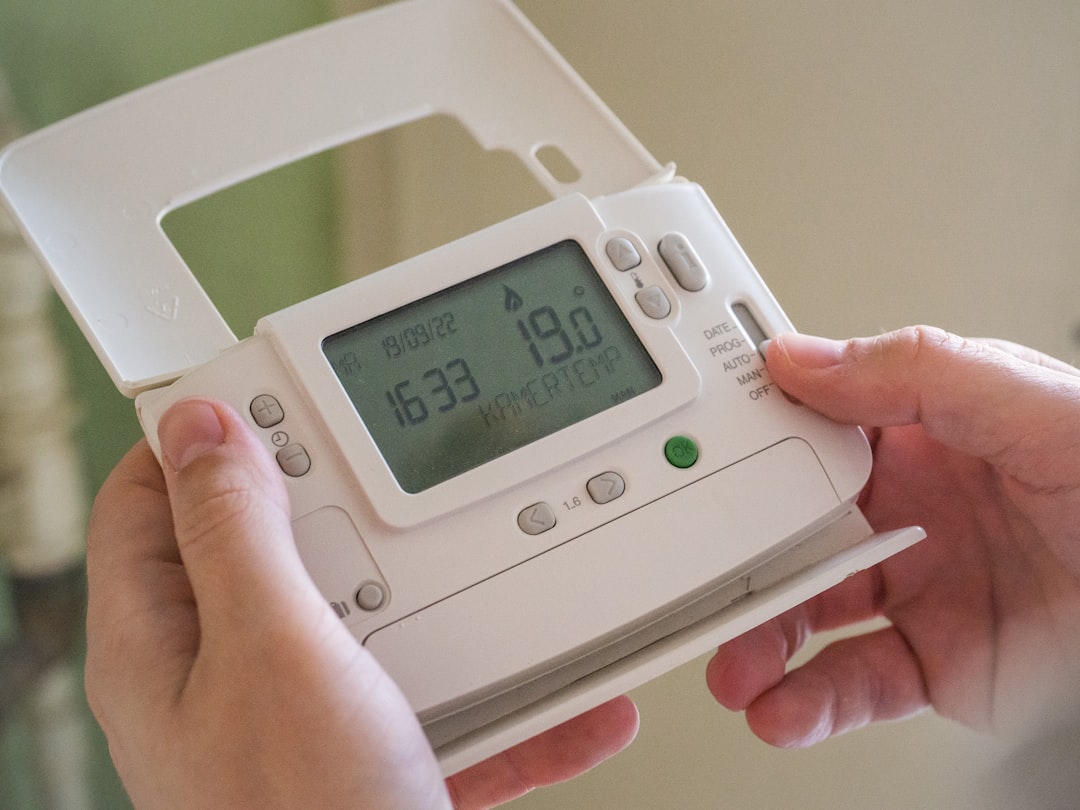
- Know your thermostat and how to set fan OFF / ON; most smart thermostats allow remote control via smartphone. Consider smart integrations that let a verified smoke event trigger an automatic response (see caveats below). For reliable remote access, read up on home edge routers and 5G failover options.
During an alarm (you are safe outside)
- Call 911 and inform them if you shut the HVAC off and why.
- If you can safely access the service switch, turn the air handler off to stop forced-air spread (indoor fire).
- Close doors to limit smoke spread; do not attempt to fight an active fire unless trained and it's a tiny, contained ignition.
After firefighters clear the scene
- Do not restart the HVAC until the fire department has declared it safe.
- Expect to replace filters and inspect ductwork for soot; professional duct cleaning and system inspection are often necessary after smoke exposure.
- Document damage for insurance and have a licensed HVAC technician inspect the system and test smoke/fire dampers before returning to normal operation. Consider practices from edge-network evidence capture to preserve logs and photos — see resources on evidence capture and preservation.
- Clean or replace sensors and controls exposed to smoke; smoke can degrade electronics and cause long-term failures.
- Test smoke and fire dampers and rebuild any protective assemblies that activated during the event.
- Consider post-event IAQ testing for particulates, VOCs and residual combustion by-products if the exposure was significant.
Guidance for first responders and building staff
Fire crews and trained building operators should use established emergency protocols and building systems to isolate smoke. Key actions:
- Use the fire alarm control panel and BAS to close smoke dampers, shut down ventilation fans, and command smoke control sequences where installed. For integration best practices, see an integration blueprint that covers mapping signals and fail-safes.
- Coordinate HVAC shutdown with suppression and ventilation strategy — some situations require controlled mechanical ventilation to protect evacuation routes or to reduce smoke in stairwells.
- Beware of rooftop and makeup air units that may continue to push smoke or draw it into mechanical rooms; secure these units from the BAS or local disconnects.
- Prioritize stairwell pressurization systems where present — they are designed to keep egress routes clear of smoke and may need to remain active while other systems are shut down.
Smoke dampers, fire dampers and building codes: what to know
Understanding damper types will shape your response:
- Smoke dampers close on a smoke detection signal to stop smoke movement but do not necessarily resist flames.
- Fire dampers are heat-activated — they close when heat melts a fusible link and are designed to stop flame spread through ducts.
- Combination dampers provide both functions and are commonly used where both smoke and flame protection are required.
Industry standards such as NFPA codes and local building codes dictate where these dampers are required. Regular testing and maintenance is mandatory in many jurisdictions; document all inspections.
Smart systems and AI smoke detectors — 2026 developments and caveats
Late 2025 and early 2026 saw faster adoption of AI-enabled smoke detectors and smarter HVAC interlocks. These developments make automated, faster responses possible — but they also introduce new failure modes.
What’s new
- AI smoke detectors use machine learning models to reduce false alarms (cooking, shower steam) and to identify real combustion signatures earlier.
- Smart-home and BAS integrations (Matter, BACnet, MQTT integrations) increasingly allow verified alarm signals to command HVAC shutdowns or damper closures automatically — follow integration practices similar to those in an integration blueprint.
- Cloud-connected systems can notify homeowners and first responders with location and event data faster, enabling quicker, more precise interventions. For documentation and audit trails, see tools used for edge evidence capture.
Caveats and best practices
- Only permit automatic HVAC shutdown if the alarm source is verified by multiple sensors or by AI-confirmation to prevent dangerous automatic responses during outdoor smoky conditions where recirculation is preferable.
- Test integrations regularly. Connectivity failures, wrong mappings (e.g., shutting stairwell pressurization) can cause harm — follow security and automation hardening guidance such as automating virtual patching and integration testing.
- Keep manual overrides in place for first responder control. Never let automation remove firefighter command and control capabilities.
When not to shut down the system
There are clear exceptions where shutting down an HVAC system is counterproductive:
- Outdoor smoke/wildfire conditions: use recirculation and filtration instead.
- When stairwell pressurization or smoke control systems must remain active to protect egress paths — these are intentionally designed to operate during a fire and should not be disabled except under firefighter direction.
- When shutting the system risks stopping smoke control fans that are part of the engineered smoke management strategy for large or specialized buildings.
Recovery and IAQ restoration after smoke exposure
After a fire event and once the scene is cleared:
- Have an HVAC professional inspect the air handler, heat exchanger, and ductwork for soot penetration and damage.
- Replace all filters immediately (MERV filters and portable HEPA unit filters) and perform a full system clean if soot is present.
- Clean or replace sensors and controls exposed to smoke; smoke can degrade electronics and cause long-term failures.
- Test smoke and fire dampers and rebuild any protective assemblies that activated during the event.
- Consider post-event IAQ testing for particulates, VOCs and residual combustion by-products if the exposure was significant.
Checklist: What to install for better outcomes
- AI-enhanced smoke detectors with verified alarm outputs and local manual silence/override.
- Emergency HVAC shutoff switch or labeled breaker accessible near primary exit.
- Motorized or manual dampers for high-risk duct branches.
- High-efficiency HVAC filters (MERV 13 or better where compatible) and at least one HEPA portable air cleaner per frequently used room.
- Integration between alarm panel and BAS with documented fail-safe behaviors and firefighter overrides — integration testing and field kits can help, see portable comm/tester kits and field-ready engagement and sensor workflows used in other event settings.
Final practical takeaways
- Indoor smoke = shut down forced air and close dampers; evacuate first, then act if it’s safe.
- Outdoor smoke = keep recirculating and filter the air; close fresh-air intakes and run HEPA cleaners.
- Prepare in advance — label switches, install dampers and AI detectors, and set up simple, tested emergency protocols.
- Integrations help — but test them and always keep firefighter override paths. Integration guidance is available in several integration blueprints and security automation references like integration blueprints and automation security guides.
- After the event, don’t restart the system until the fire department says it's safe and an HVAC professional inspects and services the system.
Where to get help
Contact local certified HVAC technicians, indoor air quality specialists and your local fire marshal to audit your home or building. If you are in a multi-unit or commercial building, consult your building automation controls (BACnet/JP) vendor for emergency sequence testing. Consider field reviews of smart-home controllers such as the HomeEdge Pro Hub or read up on reliable edge networking to maintain connectivity for verified events.
Call to action
Protect your family and property by turning preparedness into action. If you don’t already have labeled HVAC shutoffs, AI-capable detectors, or motorized dampers, schedule a safety audit with a licensed HVAC professional today — and ask them to simulate an alarm to verify your shutdown and smoke-control sequences. For tailored guidance, contact a qualified HVAC/IAQ expert now and make sure your emergency protocols reflect the latest 2026 best practices. For integration and evidence practices, see resources on evidence capture and integration blueprints.