Beat high bills and automation chaos: where smart thermostats belong — and where smart plugs don't
If your monthly energy bill spikes every winter, or your home automation routines keep fighting each other, you're not alone. Many homeowners add smart devices hoping to save energy, only to create overlapping automations that waste power, stress HVAC equipment, or reduce comfort. In 2026, with Matter mainstream, time-of-use rates spreading, and utilities offering more demand-response programs, understanding the distinct roles of smart thermostats and smart plugs is essential to a practical energy strategy.
The high-level answer: thermostat is the HVAC brain; plugs are the appliance switches
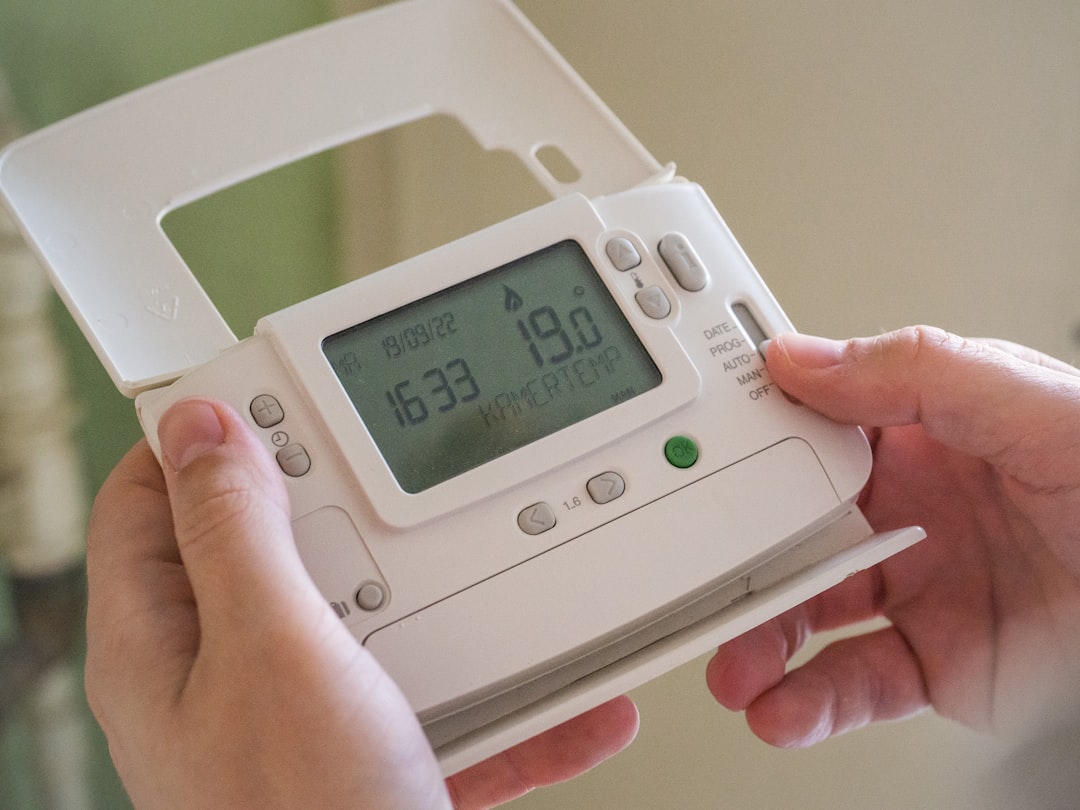
Put simply: use a smart thermostat to control central heating and cooling systems and coordinate whole-home climate strategies. Use smart plugs to control plug-powered loads, like lamps, window fans, space heaters (carefully), and plug-in dehumidifiers. The two work best together — but only when you design automations so one system doesn't undo the other.
Why that division matters
- Control level: Thermostats read temperature, humidity, and system state and make decisions for the entire HVAC loop. Smart plugs only control power to a single outlet.
- Safety & equipment: Central HVAC systems are hardwired and should never be placed on a plug. Conversely, many plug loads are not thermostatically controlled and need outlet-level switching.
- Efficiency: Thermostat-level coordination prevents simultaneous heating and cooling or running a space heater while the furnace is already heating the home — two expensive conflicts.
2026 trends that change the playbook
Several industry shifts between late 2024 and early 2026 influence how homeowners should deploy smart devices:
- Matter and cross-platform interoperability: After broad vendor adoption in 2025, Matter now makes it easier to create consistent automations across hubs (HomeKit, Google Home, Alexa) — lowering the friction to coordinate plugs and thermostats.
- Smart thermostat evolution: Modern thermostats increasingly integrate heat-pump optimization, multi-stage systems, and utility signals (CPP/TOU and VPP participation) — making them more central to energy management.
- Time-of-use and demand charges: More utilities introduced TOU pricing and winter peak-day events in 2025–26, so scheduling high-power plug loads for off-peak hours gives measurable savings.
- AI & cloud optimization: Newer platforms offer AI-based heating schedules and predictive control that can coordinate plug loads for better whole-home efficiency.
When to use a smart thermostat — practical rules
Use a smart thermostat whenever you control a central HVAC system, including furnaces, boilers (via zone control), and heat pumps. Here are clear, actionable criteria:
- Whole-home comfort control: If your goal is consistent temperature across zones or to optimize heat-pump defrost cycles, install a smart thermostat or a zoned HVAC control system.
- Integration with utilities: To enroll in demand-response or TOU optimization that affects HVAC runtime, a certified smart thermostat is usually required.
- Complex HVAC systems: Multi-stage compressors, dual-fuel or hydronic systems benefit from professional thermostat control to avoid short-cycling and preserve efficiency.
- Data-driven savings: Thermostats provide runtime analytics — the backbone of long-term energy management.
When a smart plug is the right choice — practical rules
Smart plugs shine for individual appliance and plug-load control. Use them when:
- You need simple on/off scheduling for lights, chargers, fans, or holiday lighting.
- You want remote control of a window AC or plug-in dehumidifier that plugs in (but be careful about cycling compressors — see safety section).
- You want to reduce vampire loads (chargers, entertainment gear) by cutting power when idle.
- You want staged comfort with low-power devices, for example pre-warming a bathroom heater before occupancy — with clear logic to avoid conflicts with the central system.
Smart plug safety checklist (non-negotiable)
- Check the plug's amp and watt rating. Most smart plugs are 10–15 A; high-power space heaters can draw 12–13 A at 120 V — use an industrial/15A-rated plug or a hardwired solution.
- Don't use a consumer smart plug as a primary control for compressors unless the product specifically supports compressor loads and manufacturer guidance allows it.
- For outdoor or garage loads, choose an outdoor-rated, weatherproof smart plug.
- If uncertain, consult a licensed electrician before switching high-power devices.
Common conflicts and how to prevent them
Conflicts arise when two controllers try to meet the same comfort objective without awareness of each other. Here are the most common scenarios — and practical fixes.
1) Space heater vs. central heating (the costliest clash)
Scenario: A smart plug schedules a bedroom space heater to turn on each evening at 6 pm while the smart thermostat also begins a heating cycle to reach 70°F. Result: overlapping heat sources and higher bills.
Fix: Create a master automation that gives the thermostat priority. Example automation:
- If thermostat mode = heat and call for heat = true, then turn off space-heater plug.
- If thermostat setpoint > room temp + X (outdoor setback), enable space-heater plug only if thermostat is in eco or off and indoor temp < target minus delta.
This approach avoids two heat sources fighting each other while still allowing targeted warming when the central system is off.
2) Window AC on a plug and central AC
Scenario: A room uses a window AC (on a smart plug) while the central AC runs. The plug's schedule switches on the window unit for short-term comfort, but it short-circuits the thermostat's energy-saving setback.
Fix: Link the window AC plug to the thermostat state. If central AC is active or the thermostat is in away mode, keep the plug off. If you need supplemental cooling, allow a manual override that disables the thermostat's compressor call for a defined interval to avoid simultaneous operation.
3) Fans, dehumidifiers, and ventilation
Fans and dehumidifiers can improve comfort and let the thermostat run less. But if the thermostat measures humidity or uses an enthalpy switch, coordinate these devices to maximize efficiency.
Fix: Use humidity and occupancy sensors to run dehumidifiers only when humidity is above threshold and when the thermostat is not already running a dehumidification cycle.
Automation patterns that work in 2026
With Matter and smarter thermostat APIs, you can design robust automations that reduce waste and improve comfort. Below are patterns you can implement in popular platforms (Home Assistant, HomeKit, Google Home, Amazon Alexa).
Priority-based control (master/slave)
Define the thermostat as the master for temperature control. Smart plugs become slaves that operate only when the thermostat is idle or in a specific mode.
- Thermostat in heat/cool: block plug-controlled heating/cooling devices.
- Thermostat in Eco/Away: allow low-power plug devices to run if they meet a specific delta threshold (e.g., room temp < setpoint - 3°F).
- Manual override: allow temporary overrides with automatic expiry (e.g., 30 minutes) to avoid forgotten heaters.
Event-driven coordination (grid-aware)
If your thermostat participates in a VPP or receives utility event signals, use those signals to manage plug loads:
- During a peak event, set thermostat to pre-cool/deferred schedule and turn off nonessential plugs (chargers, pool pumps) temporarily.
- Post-event, stagger reactivation to avoid a simultaneous inrush across multiple plugs.
Presence and occupancy zoning
Use room-level occupancy sensors or phone presence to control plug loads in unoccupied rooms. The thermostat can maintain a wider home schedule while plugs handle room-by-room comfort.
Predictive & AI-assisted coordination
Leverage on-device AI features in 2026 thermostats to predict when the house will need heating/cooling and use that forecast to pre-empt plug activations. For example, pre-warm the bathroom with a low-wattage heater 10 minutes before a scheduled wake-up if outdoor temps are below the AI’s predicted threshold.
Practical automation recipes — copyable examples
Below are concise automations you can implement in most smart-home hubs. Adjust device names and thresholds for your home.
Recipe A: Prevent space heater + furnace overlap
- Trigger: Space-heater plug turns on.
- Condition: Thermostat mode = heat and thermostat call-for-heat = true.
- Action: Turn the space heater plug off and send a brief notification explaining why.
Recipe B: Window AC as supplemental-only
- Trigger: Window AC plug schedule / manual command.
- Condition: Thermostat mode != cool and thermostat is off or in eco.
- Action: Allow plug on but limit runtime to 45 minutes; if room temperature rises by 2°F, shut off to avoid wasted cooling.
Recipe C: TOU-driven charging window
- Trigger: Utility TOU off-peak window starts.
- Action: Enable plug controlling EV battery tender, water-heater timer, or washer/dryer smart controller; disable at the end of the off-peak window.
Case study: How a mid-sized home saved $30–$60/month
Context: In late 2025 a 1,600 sq ft mixed-construction home in a cold climate had an old gas furnace and used portable electric space heaters in two rooms. The homeowner installed a smart thermostat with utility event integration and added two high-capacity, 15A smart plugs certified for space-heater loads.
Actions taken:
- Thermostat set to an AI-driven schedule with 3–4°F nightly setback and pre-heat during morning occupancy.
- Smart plugs set to operate space heaters only if the thermostat was in Eco mode and room temp < setpoint - 3°F.
- Utility demand events were used to temporarily disable plug loads and increase thermostat setback by 2°F for peak hours.
Result: The homeowner reported a 10–20% reduction in gas and electric combined spending during the heating season compared to the prior year. Savings varied with weather and behavior, but coordination prevented the most costly overlap (space heater + furnace) and avoided unnecessary compressor starts on a heat pump in their cottage zone.
Device selection and interoperability tips for 2026
Choose devices that play well together. Matter certification is now common, but you still need to verify features and ratings.
- Prefer Matter-certified smart plugs and thermostats for simpler cross-platform automations.
- Check load ratings and certification if you control heating elements or compressors.
- Use thermostats with utility/DR integration if you want TOU optimization or incentives.
- Look for local installer compatibility — some HVAC systems require licensed setup to enable smart features safely.
Maintenance, monitoring, and long-term strategy
Automation is not a set-and-forget solution. Follow these steps to maintain efficiency and trust in your system:
- Review device logs monthly to check for conflicting triggers and unexpected runtime.
- Calendar-check smart plug schedules seasonally; what made sense in winter may not in summer.
- Update device firmware regularly — vendors released major interoperability updates throughout 2025 and into 2026.
- Run a heat-loss or energy audit every 3–5 years to ensure your strategy (plugs + thermostat) aligns with the home's envelope performance.
When your thermostat is the brain and smart plugs are the limbs, your home behaves efficiently — but only if the brain knows what the limbs are doing.
Final checklist: Configure your home in 30 minutes
- Identify central HVAC devices and install a smart thermostat as the master controller.
- Label smart plugs and note amp/watt ratings for each controlled appliance.
- Create basic priority automations: thermostat priority over plug heating/cooling devices.
- Enable TOU and utility event settings on your thermostat and link them to a plug-group for nonessential loads.
- Test manual override behavior and set automatic expiry for safety.
Bottom line: use the right tool for the job — and program them to work together
In 2026, smart plugs and smart thermostats are both valuable. The thermostat should remain the primary controller for whole-home climate and utility-driven optimization. Smart plugs are excellent for localized control, reducing vampire loads, and enabling targeted comfort — but they must be coordinated to avoid wasted energy and equipment stress. With Matter, utility integration, and smarter AI-driven thermostats now widely available, homeowners who design clear priority rules and test their automations can secure comfort, reduce bills, and participate in grid programs safely and profitably.
Actionable next step
If you're ready to cut waste and prevent automation conflicts, start with our free 10-point audit: list your HVAC type, number of smart plugs, and your utility’s rate plan. Need help? Contact a vetted HVAC installer or smart-home consultant to map automations, verify device ratings, and join utility programs that pay you to reduce demand. Take the audit today and make your smart home truly smart — not just busy.
Related Reading
- Securing Cloud-Connected Building Systems: Fire Alarms, Edge Privacy and Resilience in 2026
- On-Device AI for Web Apps in 2026: Zero-Downtime Patterns, MLOps Teams, and Synthetic Data Governance
- The Evolution of Portable Power in 2026: What Buyers Need to Know Now
- Warm Nights: How to Choose Wearable Heating
- Modest Festival Looks Inspired by Musicians: Subtle Merch and Stage-Ready Hijabi Styles
- Cozy Lighting and Textiles: Pairing Chandeliers with Hot-Water-Bottle-Era Comfort
- How to Host Live Twitch/Bluesky Garden Workshops That Actually Grow Your Audience
- How to Ride Platform Migration Waves: Lessons from Bluesky’s Surge After X Drama
- Build a 'Dining Decision' Micro App: From Prompt to Production in Seven Days