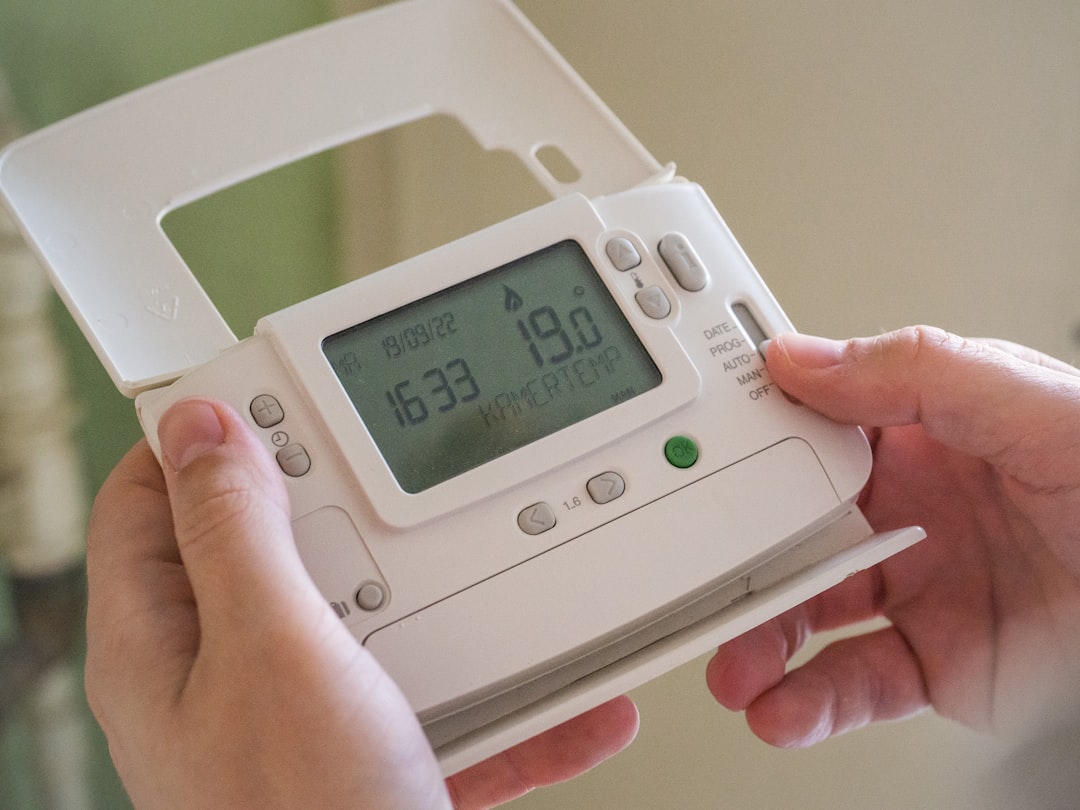
A furnace tune-up should not feel mysterious or improvised. If you know what a normal service visit includes, when to schedule it, and how to think about cost, you can book maintenance with clearer expectations and avoid turning a small issue into a midwinter heating repair call. This guide explains what happens during furnace maintenance, shows a practical way to estimate furnace tune up cost using a few simple inputs, and gives you a service checklist you can use before, during, and after the appointment.
Overview
A seasonal furnace tune up is a preventive service visit for a gas furnace, oil furnace, or similar forced-air heating system. The goal is straightforward: check safety, clean and inspect key components, test operation, improve reliability, and catch wear before it becomes a no-heat problem.
For most homeowners, the value of seasonal heating maintenance comes down to three things:
- Reducing surprise breakdowns during cold weather
- Protecting efficiency when dirt, weak airflow, or poor combustion start to drag performance down
- Creating a repair record so you can make better decisions about future furnace repair or furnace replacement
A proper visit is more than a quick filter change. A technician will usually inspect system controls, verify startup and shutdown sequence, look at the burner or ignition system, check the heat exchanger area as visible and accessible, evaluate airflow, test temperature rise, inspect the blower section, review the venting path, and watch the furnace complete a heating cycle. If your system includes accessories such as a whole-home humidifier, high-efficiency media filter, or smart thermostat, those may also be reviewed as part of the appointment or priced as add-ons.
Timing matters. In most homes, the best time for a furnace tune up is before the steady heating season begins, often in early fall. That gives you more appointment availability and more time to handle any repairs before cold weather puts pressure on local HVAC services. If you missed that window, late fall or early winter is still better than skipping maintenance altogether.
It also helps to set realistic expectations. A tune-up does not guarantee that an older furnace will not fail later. It also does not automatically include every repair, every accessory, or every deep cleaning task. Think of maintenance as a diagnostic and preventive visit with a defined checklist. If the technician finds a failed part, unsafe condition, or excessive wear, that repair is usually quoted separately.
Before you book, ask one simple question: What is included in your furnace service checklist, and what would be billed separately? That single question often tells you more than the advertised special price.
How to estimate
You do not need exact market data to make a useful estimate. A practical furnace tune up cost estimate can be built from a base service visit plus any factors that make the appointment more involved.
Use this simple framework:
Estimated furnace tune-up cost = base maintenance visit + system complexity adjustments + accessory adjustments + repair or cleaning add-ons
Step 1: Start with the base visit
The base visit is the standard charge for a routine maintenance appointment. This usually covers travel within the service area, a technician's labor for inspection and testing, and the company's normal furnace service checklist.
Because local labor rates, trip charges, and business models vary, it is better to think in ranges rather than one universal number. Some companies emphasize lower promotional pricing with a narrower checklist. Others price maintenance higher but include more testing and documentation. A maintenance plan may also reduce the per-visit price compared with one-time service.
Step 2: Add complexity adjustments
Not every furnace takes the same amount of time to service. Your estimate should move up if the system is harder to access or more involved to inspect.
Common cost factors include:
- Fuel type: Some systems require more cleaning or a more involved inspection process.
- System age: Older furnaces often need more time because components are dirtier, wear is more advanced, or operation is less straightforward.
- Location: An attic, crawlspace, or tight utility closet can make service slower than a clear basement installation.
- Condition: Deferred maintenance, heavy dust, or visible corrosion usually means more labor.
- High-efficiency condensing furnace design: These units may involve additional inspection points such as condensate handling and venting details.
Step 3: Add accessory adjustments
If the technician is expected to inspect or service related equipment, treat those as separate inputs rather than assuming they are included.
Common accessories and related items include:
- Whole-home humidifier
- Media air cleaner or specialty filtration cabinet
- UV or IAQ accessories
- Zoning controls
- Smart thermostat setup or troubleshooting
If filtration is part of your comfort issues, it is worth reviewing a MERV filter guide and your replacement schedule before the visit. A clogged or overly restrictive filter can create airflow problems that look like furnace trouble.
Step 4: Separate maintenance from repair
This is the biggest budgeting mistake homeowners make. The tune-up price is not the same as the final invoice if the technician finds a failed ignitor, weak flame sensor, damaged belt, faulty capacitor, cracked drain trap, or control issue. Maintenance is preventive service. Repair is additional labor and parts.
When a company presents a quote after the inspection, ask them to split it into:
- The maintenance visit charge
- Recommended repairs needed for safe or reliable operation
- Optional improvements or indoor air quality add-ons
That makes it easier to compare providers and decide what needs immediate action.
Step 5: Estimate the value, not just the invoice
The best way to judge a tune-up is not whether it is cheap. It is whether the visit gives you useful information and reduces avoidable risk. A slightly higher-priced maintenance appointment may be worthwhile if it includes a more complete inspection, better notes, combustion-related checks where appropriate, clearer photos, or a stronger maintenance plan structure.
Inputs and assumptions
To estimate cost and decide whether a seasonal heating maintenance visit is worth booking now, use the inputs below. These assumptions also help you compare one HVAC company with another without getting stuck on headline pricing alone.
1. Type of furnace
Start with the kind of system you have:
- Standard gas furnace
- High-efficiency condensing gas furnace
- Oil furnace
- Propane furnace
The service checklist is broadly similar, but cleaning requirements, venting design, and combustion-related steps can vary. If you are not sure what you have, your model number and venting material can help identify it.
2. Age and service history
A furnace that is only a few years old and serviced regularly is usually a simpler maintenance visit than a 15-year-old unit that has not been looked at in several seasons. Older equipment may still be serviceable, but expectations should change. The technician may spend more time documenting wear, verifying controls, and noting whether repairs are worth making.
If your system is aging and you are weighing maintenance against replacement, a related sizing resource like this furnace size calculator guide can help you prepare for the next step.
3. Accessibility
Where the furnace sits affects labor. A clean, lit basement install is easier to service than a cramped attic platform or a tight crawlspace. Accessibility may not always show up as a line item, but it often affects quoted pricing.
4. Included checklist items
This is the most important assumption in the entire estimate. Ask for the actual checklist. A solid furnace service checklist commonly includes:
- Inspect thermostat operation and call for heat
- Check startup, shutdown, and safety controls
- Inspect or clean burners as appropriate
- Inspect ignition system or pilot components
- Inspect flame sensor if applicable
- Check blower assembly and motor condition
- Inspect electrical connections and visible wiring
- Check air filter condition
- Measure temperature rise across the furnace
- Inspect venting and flue connection
- Inspect drain and condensate components on condensing furnaces
- Check for unusual noise, vibration, and airflow issues
- Inspect visible heat exchanger area as accessible
- Test furnace through a full heating cycle
Some companies also document static pressure or deeper airflow diagnostics, but that is not universal. If you have uneven temperatures, rooms that never warm up, or a furnace that seems to run too long, ask whether airflow testing is part of the maintenance visit or an added diagnostic service.
5. Filter replacement assumptions
Many homeowners assume the tune-up includes a new filter. Sometimes it does, sometimes it does not. If your system uses a standard 1-inch filter, replacement is simple and inexpensive. If it uses a large media cabinet or specialty filter, the cost may be separate. For long-term planning, keep a regular replacement schedule; this guide on how often to change your furnace filter is useful to review seasonally.
6. Membership or maintenance plan pricing
If you already have an HVAC maintenance plan, your tune-up cost may be lower, bundled, or offset by plan benefits such as reduced diagnostic fees or priority scheduling. But compare the annual total, not just the discount. A plan makes the most sense when you value reminders, regular visits, and easier access during busy weather swings.
7. Repair probability
Be realistic about whether your furnace is likely to need follow-up work. Warning signs include:
- Short cycling
- Blowing cool or lukewarm air
- Delayed ignition
- Burning odors after the first few cycles
- Unusual rattling or squealing
- Frequent thermostat complaints
- Higher utility bills without a weather-related reason
If those symptoms are already present, the tune-up may quickly turn into a furnace repair discussion. If you are dealing with an urgent no-heat issue, this may be beyond routine maintenance and closer to same-day furnace repair.
Worked examples
These examples are not market price claims. They are decision models you can adapt using local quotes.
Example 1: Newer gas furnace with routine maintenance
Home: Suburban single-family house
System: Six-year-old gas furnace in unfinished basement
History: Filter changed regularly, no comfort complaints
Goal: Standard seasonal heating maintenance
Estimate logic: Start with a base maintenance visit. Because the unit is accessible, relatively new, and regularly maintained, complexity adjustments are minimal. No accessories are included beyond checking thermostat operation and filter condition.
Likely outcome: This is the simplest tune-up profile. The visit should focus on inspection, cleaning of normal service points, safety checks, airflow review, and confirmation that the system is ready for heating season. If the technician finds no failing parts, the final bill may stay close to the quoted maintenance rate.
Example 2: Older furnace with deferred service
Home: Older home with inconsistent room temperatures
System: Fifteen-year-old furnace in utility closet
History: No maintenance for several years, filter changes inconsistent
Goal: Tune-up plus a clear picture of whether repair still makes sense
Estimate logic: Start with the base maintenance visit, then add complexity for age, service condition, and tighter access. Build in the possibility of a separate repair quote, because deferred maintenance raises the chance that worn components or safety concerns will be found.
Likely outcome: The tune-up itself may still be worthwhile because it gives you a condition report. But this is also the profile where the visit can lead to a larger conversation about repair versus replacement. If the system is near end of service life, ask for repair options in writing and compare them with replacement planning.
Example 3: High-efficiency furnace with IAQ accessories
Home: Newer home with dry winter air and allergy concerns
System: Condensing gas furnace with media filter cabinet and whole-home humidifier
History: Annual maintenance, but humidifier pad and filter are separate items
Goal: Full seasonal service including accessory review
Estimate logic: Base tune-up plus accessory-related labor or materials. The furnace itself may be straightforward, but the added equipment increases scope. Filter replacement and humidifier maintenance may not be part of the base package.
Likely outcome: The maintenance visit may cost more than a basic furnace-only appointment, but the broader system review can improve comfort and help you avoid winter dryness or airflow problems. If you need context on humidifier upkeep, see whole-home humidifier cost, benefits, and maintenance.
Example 4: Homeowner comparing one-time tune-up vs maintenance plan
Home: Standard forced-air system, no urgent issues
System: Midlife gas furnace and central AC
History: Homeowner usually books service only when something breaks
Goal: Decide whether a plan is worth it
Estimate logic: Compare the annual plan cost against the combined cost of one heating visit and one cooling visit, then add non-price benefits such as reminders, diagnostic discounts, and priority scheduling.
Likely outcome: A plan often makes more sense when you intend to maintain both heating and cooling equipment every year. If you only want a one-time furnace tune up and rarely use service otherwise, paying per visit may be enough.
For any of these examples, getting two or three local quotes can be worthwhile if the scope is not clear. This guide on how to compare local HVAC companies can help you ask better questions before booking.
When to recalculate
Revisit your furnace tune-up estimate whenever the assumptions change. This topic is worth returning to because maintenance pricing, system condition, and your home comfort needs do not stay fixed.
Update your estimate and your service plan when any of the following happens:
- You move into a new home. You may not know the furnace age, filter type, or maintenance history.
- Your furnace gets older. Age increases the chance that maintenance leads to repair recommendations.
- You add accessories. A humidifier, upgraded filter cabinet, or thermostat upgrade can change service scope.
- Your local pricing changes. Labor, travel, and maintenance plan rates can shift over time.
- You notice symptoms. Uneven heat, strange noises, short cycling, or higher bills mean the visit may need diagnostic time, not just routine maintenance.
- You are comparing repair with replacement. At that point, the maintenance visit becomes part of a bigger financial decision.
To make the next tune-up easier and more useful, take these practical steps now:
- Photograph the model and serial number on your furnace and store it in your phone.
- Write down the filter size and replacement interval.
- Save the last invoice so you can compare future notes and recommendations.
- List any comfort problems by room before the technician arrives.
- Ask for the maintenance checklist in advance and confirm what is billed separately.
- Book before peak heating season if possible.
If your tune-up reveals major age-related issues, it may be time to compare system paths rather than continue repairing by habit. Depending on the home, that could mean learning more about a furnace replacement, comparing a furnace vs boiler, or evaluating whether a heat pump path makes sense alongside available heat pump rebates and tax credits.
The simplest rule is this: use a furnace tune up as a decision tool, not just a checkbox. A good visit tells you whether your system is ready for winter, what needs attention soon, and whether your next dollar is better spent on maintenance, repair, or replacement. That clarity is often the real value of seasonal service.