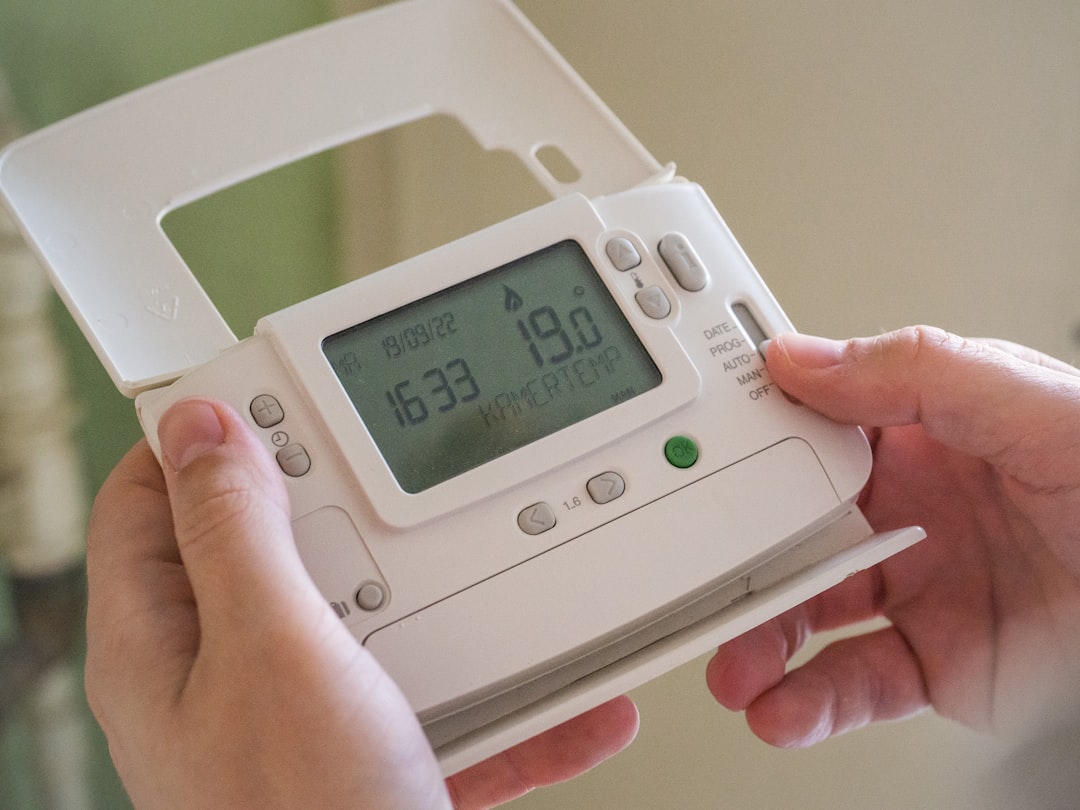
If your winter utility bills keep rising, replacing the furnace is not the only path to relief. In many homes, the biggest savings come from a series of smaller fixes: tightening thermostat habits, improving airflow, sealing leaks, adjusting humidity, and keeping the system maintained so it does not run longer than necessary. This guide shows you how to lower heating bills without replacing your furnace, including a simple way to estimate savings, the inputs that matter most, and practical examples you can revisit as energy rates, weather, and home conditions change.
Overview
The most effective way to save money on heating is to focus on heat loss, runtime, and system strain. A furnace bill is not only about the appliance itself. It is also shaped by how much warm air your home loses, how accurately your thermostat controls the system, how clean the filter is, whether supply and return air can move freely, and whether the equipment is running efficiently.
That is why two homes with similar furnaces can have very different heating costs. One may have a clogged filter, drafty attic access, leaky ductwork, and a thermostat set too high all day. Another may have a sensible schedule, better insulation, balanced airflow, and routine service. The furnace in the second home often works less, even if it is not newer.
For most households, the goal is not to find one dramatic trick. It is to stack several reliable improvements:
- Lower the thermostat when comfort allows.
- Reduce drafts and uncontrolled air leakage.
- Keep filters, vents, and returns clear.
- Improve humidity so air feels warmer at lower settings.
- Maintain the furnace so it delivers heat efficiently.
- Address duct losses and room-by-room imbalance.
This article is organized like a reusable planning tool. You can estimate where savings are likely to come from, compare lower-cost changes first, and recalculate later if utility rates go up or your home setup changes.
If you are also reviewing thermostat schedules, see Best Thermostat Settings for Winter: Day, Night, Vacation, and Work-From-Home Schedules. If maintenance may be part of the problem, What to Expect During a Furnace Tune-Up and HVAC Maintenance Plan Cost: Are Service Agreements Worth It for Homeowners? can help you decide what is worth doing first.
How to estimate
You do not need perfect engineering data to make a useful heating savings estimate. A practical homeowner approach is to start with your actual winter bills, then assign reasonable percentages to the changes you plan to make. The point is not precision down to the dollar. The point is to compare options and choose the best next step.
Use this simple framework:
- Find your average heating-season monthly cost.
- Decide how many months you actively heat your home.
- Identify one to three realistic efficiency changes.
- Estimate the percent savings from each change.
- Apply those percentages carefully, avoiding double counting.
Basic formula:
Estimated seasonal savings = seasonal heating cost × expected reduction percentage
For example, if your household spends about $250 per month on heating for four colder months, your seasonal heating cost is about $1,000. If a better thermostat schedule and improved air sealing together reduce heating demand by an estimated 10%, the rough seasonal savings would be $100.
That estimate becomes more useful when you compare it to the cost and effort of each measure. A low-cost door sweep or attic hatch seal may pay back faster than a more involved duct improvement. A tune-up may not transform a bill on its own, but it can restore lost performance and help prevent expensive heating repair calls in peak season.
To keep the math realistic, treat savings as ranges rather than guarantees. Use three columns:
- Low estimate: what happens if conditions improve only slightly.
- Expected estimate: your best reasonable assumption.
- High estimate: what happens if the issue was more severe than you thought.
Here is a useful order for estimating measures without replacing the furnace:
- Operational changes: thermostat setbacks, shorter high-heat periods, closing the door to rarely used rooms only if your system can handle it, and changing fan settings when appropriate.
- Airflow fixes: replacing a dirty filter, opening blocked registers, clearing return grilles, confirming furniture is not choking airflow.
- Envelope improvements: weatherstripping, door sweeps, sealing accessible leaks around plumbing penetrations, attic hatches, or basement rim areas.
- Comfort support: humidity adjustments, curtains at night, sun gain during the day when practical.
- System condition: furnace tune-up, blower and burner cleaning, ignition and safety checks, duct inspection.
As a rule, estimate the easiest and lowest-cost actions first. If those are not enough, move to moderate improvements such as duct sealing, zoning evaluation, or control upgrades. Homes with chronic hot and cold spots may benefit from a broader airflow strategy; if that sounds familiar, Zoned HVAC Systems Explained is a useful next read.
Inputs and assumptions
The quality of your estimate depends on the quality of your inputs. You do not need exact laboratory numbers, but you do need honest assumptions. Below are the most important inputs to review before you decide how to reduce furnace costs.
1. Your true heating-season cost
Start with bills from the colder months, not your annual average. If your utility statement shows usage history, note the high-usage months and calculate a seasonal average. If gas and electric costs are split, focus on the fuel most tied to your heating system, but remember that blower operation and controls may still affect electric use.
If you are unsure how much of the bill is specifically heating, compare shoulder-season months with full winter months. The difference is often a practical working estimate.
2. Thermostat settings and schedule
Small schedule changes matter because they reduce runtime over many hours. Ask:
- What temperature do you keep during occupied daytime hours?
- Do you lower the setting at night?
- Does the house stay warm when empty because no setback schedule is programmed?
- Is the thermostat reading an accurate room temperature?
A thermostat that is outdated, poorly placed, or not working correctly can waste heat. If your controls have been inconsistent, that issue may be worth solving before making larger upgrades. Related reading: Best Thermostat Settings for Winter.
3. Filter condition and airflow resistance
A neglected filter can make the system work harder and deliver less comfort. In some homes, the issue is not only dirt but also choosing a filter that is too restrictive for the equipment. If airflow drops too much, rooms may heat unevenly and the furnace may run longer than expected.
Before estimating major savings elsewhere, check the basics:
- When was the filter last changed?
- Is the filter size correct?
- Are supply registers open and unobstructed?
- Are return grilles clear?
For deeper guidance, see How Often Should You Change Your Furnace Filter? and MERV Ratings Explained.
4. Air leaks and insulation weak points
If warm air escapes quickly, the furnace has to replace it. Common trouble spots include:
- Exterior doors with worn weatherstripping
- Older windows with loose locks or drafty trim
- Attic hatches and pull-down stairs
- Basement and crawlspace penetrations
- Recessed lighting and top-floor ceiling leaks in older homes
You do not need a full renovation to improve results. Simple sealing work often reduces the amount of cold outside air entering the house.
5. Humidity and perceived comfort
Dry winter air often makes a home feel cooler than the thermostat reading suggests. That can lead people to keep increasing the setpoint. In some cases, maintaining healthier indoor humidity allows a slightly lower thermostat setting while preserving comfort. This is one reason some homeowners consider whole-home humidifier installation as part of a comfort and efficiency strategy.
The point is not to over-humidify the house. It is to use balanced moisture levels to improve comfort so the furnace does not need to chase a higher temperature all day.
6. Duct losses and room imbalance
In forced-air systems, heat can be lost before it reaches the rooms you are trying to warm. Duct leaks in attics, crawlspaces, basements, or garages can waste heated air. Poor balancing can also leave one area cold while another overheats, prompting constant thermostat changes.
If some rooms are always chilly while others are stuffy, the issue may not be furnace output alone. It may be delivery.
7. System condition and maintenance status
An older furnace can still operate reasonably well if it is maintained, but delayed service often raises operating costs. A tune-up can help identify dirty burners, blower issues, weak ignition, safety concerns, and airflow problems. It can also answer a common homeowner question: is the system inefficient, or is it simply overdue for service?
If you suspect performance drift, schedule a seasonal HVAC tune up before assuming replacement is your only option.
8. Occupancy patterns
Homes with work-from-home schedules, frequent travel, or changing family routines should revisit estimates more often. A schedule that made sense last winter may be wasteful this year. Your heating strategy should match how the home is actually used.
Worked examples
These examples use simple assumptions so you can adapt them to your own bills. They are not promises of exact savings. They show how to think through decisions.
Example 1: Thermostat schedule plus filter replacement
A homeowner estimates winter heating costs at $225 per month for five months, or about $1,125 per season. The furnace runs with a flat temperature all day and the filter has not been changed in several months.
They make two changes:
- Program a modest overnight and weekday setback.
- Replace the dirty filter and confirm vents and returns are clear.
They assign an expected combined savings estimate of 6% to 10%, depending on how much unnecessary runtime these issues were causing.
Estimated seasonal savings:
- Low end: $1,125 × 0.06 = $67.50
- High end: $1,125 × 0.10 = $112.50
This is a good example of a low-cost first step. Even if savings are modest, the changes are easy, repeatable, and improve comfort consistency.
Example 2: Air sealing and night routines
Another household spends about $300 per month for four main heating months, or $1,200 per season. They notice drafts at the front door, attic hatch, and older patio door. They also leave curtains open at night and keep the thermostat high because the house feels chilly by evening.
They decide to:
- Install weatherstripping and a door sweep.
- Seal the attic hatch.
- Close curtains at night and use daytime sun gain when practical.
- Lower the evening setpoint slightly once drafts improve.
They estimate potential savings of 8% to 12%.
Estimated seasonal savings:
- Low end: $1,200 × 0.08 = $96
- High end: $1,200 × 0.12 = $144
Just as important, the home may feel less uneven, which often reduces the urge to keep turning the heat up.
Example 3: Maintenance plus humidity support
A homeowner spends roughly $1,400 over the heating season and complains that the house feels cold unless the thermostat is set unusually high. The filter schedule has been inconsistent, and the home feels very dry each winter.
They plan to:
- Schedule a furnace tune-up.
- Use the correct filter and replace it on time.
- Evaluate indoor humidity and add moisture support if appropriate.
Instead of assuming a large efficiency jump, they use a conservative 5% to 9% estimate.
Estimated seasonal savings:
- Low end: $1,400 × 0.05 = $70
- High end: $1,400 × 0.09 = $126
The hidden benefit here is often better comfort at a slightly lower thermostat setting, which can add to savings over time.
Example 4: Duct improvement in a problem house
A two-story home spends about $1,800 over the heating season. Upstairs rooms overheat while first-floor rooms stay cool. The thermostat gets adjusted repeatedly, and the furnace seems to run longer than expected.
The homeowner first checks filters and vents, then asks for an inspection of airflow and duct losses. If leaks or balancing problems are found and corrected, they estimate a broader 8% to 15% savings range because delivery problems may be significant.
Estimated seasonal savings:
- Low end: $1,800 × 0.08 = $144
- High end: $1,800 × 0.15 = $270
This is the kind of situation where a comfort problem and an energy problem are often the same problem.
If your house still struggles after basic improvements, it may be worth comparing system strategies more broadly, including whether your current setup is the best match for the home. Related reads include Furnace vs Boiler and Furnace Size Calculator Guide. If you are eventually considering alternatives, bookmark Heat Pump Rebates and Tax Credits for future planning.
When to recalculate
The best heating savings plan is not something you do once and forget. Recalculate when the numbers behind your decision change, or when the house behaves differently than it did last season.
Revisit your estimate when:
- Your utility rates rise or your winter bill changes noticeably.
- You start working from home more often or occupancy patterns shift.
- You add insulation, air sealing, new windows, or a humidifier.
- You notice uneven temperatures, longer runtimes, or more dust.
- You switch filters, change thermostat settings, or install smart controls.
- You schedule service and a technician identifies airflow or duct issues.
A practical routine is to check your plan at three points:
- Early fall: change the filter, confirm thermostat settings, inspect obvious drafts, and schedule maintenance if needed.
- Midwinter: compare actual bills with expectations and note comfort issues room by room.
- Late winter or early spring: decide which changes paid off and which larger fixes belong on next season's list.
To make this easy, keep a simple heating log with five items:
- Average monthly heating bill
- Thermostat daytime and nighttime settings
- Filter change dates
- Comfort complaints by room
- Repairs or tune-ups completed
That log turns vague frustration into a repeatable decision tool. It helps you answer questions like:
- Did the schedule change actually lower the bill?
- Did the new filter improve airflow or create resistance?
- Are drafts worse than last year?
- Is a furnace tune-up enough, or is it time for a broader HVAC maintenance plan?
Finally, use a simple action order each season:
- Handle no-cost and low-cost steps first: thermostat schedule, filters, vent clearance, curtains, and obvious draft control.
- Then address maintenance: tune-up, airflow check, and duct inspection if comfort is inconsistent.
- Then compare medium-cost improvements: air sealing, humidity support, and control upgrades.
- If bills are still uncomfortably high, revisit the bigger picture, including system sizing, distribution, and future replacement planning.
That approach helps you save money on heating without rushing into furnace replacement before the lower-cost opportunities are fully used. In many homes, the cheapest heat is the heat you stop losing.