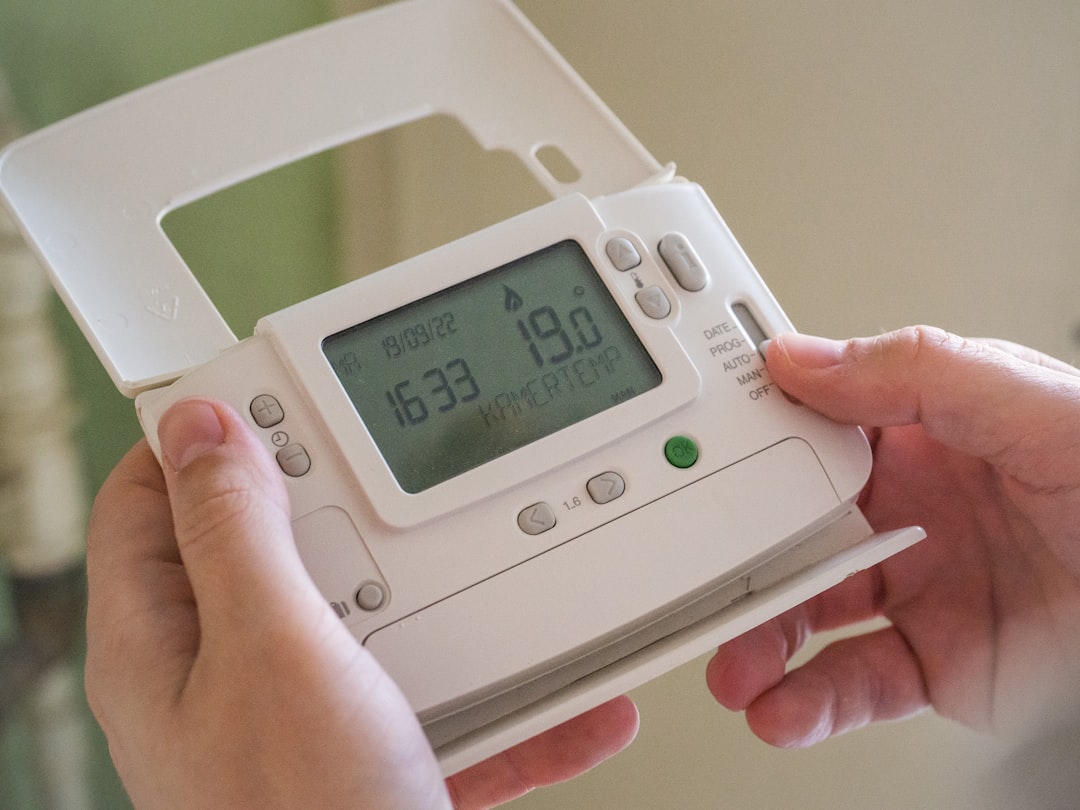
If one bedroom feels chilly while the living room is comfortable, the problem is usually not just “bad luck” or a weak furnace. Uneven heating in a house is often the result of airflow, insulation, thermostat placement, duct design, or room-by-room heat loss. This guide explains why one room is colder than others, how to diagnose common heating balance problems, and which fixes are worth trying first. It is designed as a practical comfort checklist you can revisit each heating season, especially before winter peaks or after any HVAC changes.
Overview
The main goal here is simple: help you figure out why some rooms stay colder in winter and how to balance home heating without guessing. In many homes, temperature differences come from a stack of small issues rather than one dramatic failure. A supply register may be partly closed, a return path may be weak, a filter may be restricting airflow, or an upstairs room may lose heat faster through windows and exterior walls.
When homeowners ask, “why is one room colder,” the answer usually falls into one of five buckets:
- Air delivery problems: not enough warm air reaching the room.
- Air return problems: air cannot circulate back to the system properly.
- Heat loss problems: the room loses warmth faster than other spaces.
- Control problems: the thermostat is not measuring the right area or the system cycles off too soon.
- System design problems: duct sizing, equipment sizing, or layout issues create a built-in imbalance.
This matters for more than comfort. Persistent airflow problems in a house can increase system runtime, strain equipment, and make utility bills feel higher than they should. In some cases, homeowners respond by turning up the thermostat for the whole house, which overheats already-comfortable rooms just to rescue one cold space.
A useful way to think about uneven heating in a house is to separate symptoms from causes. The symptom is the cold room. The cause may be poor duct airflow, a dirty filter, leaky windows, attic heat loss, or a thermostat installed near a naturally warmer area. Good troubleshooting starts by observing patterns:
- Is the room cold all day or mostly at night?
- Is it farthest from the furnace or air handler?
- Is it over a garage, near a crawlspace, or under an attic?
- Does it have many windows or one exterior wall more exposed to wind?
- Does the room improve when doors are open?
- Is the problem seasonal, or does it happen in cooling mode too?
If the issue happens in both summer and winter, that points strongly to ductwork, airflow, or insulation rather than the furnace alone. If the room is mainly cold during heating season, heat loss and balance problems become more likely. If the entire house feels weak or slow to warm up, the issue may be broader and closer to heating repair than room balancing.
Before you assume the equipment is failing, check the easy things first. A fresh filter, open registers, unobstructed returns, and a functioning thermostat solve more comfort complaints than many people expect. If you need help with filtration choices, see MERV Ratings Explained: How to Choose the Right HVAC Filter Without Hurting Airflow and How Often Should You Change Your Furnace Filter?.
Maintenance cycle
The best time to address cold rooms in winter is before the first hard weather change, but this is really a year-round maintenance topic. A regular review cycle helps you catch small balance issues before they become major comfort complaints.
Use this seasonal rhythm:
Early fall: pre-season heating check
- Replace or inspect the furnace filter.
- Walk every room and make sure supply and return grilles are open and clear.
- Move furniture, rugs, curtains, or storage bins that block registers.
- Test the thermostat and confirm its schedule matches actual occupancy.
- Run the heating system and compare airflow from room to room by feel.
This is also a good time to note which rooms tend to become cold first. A quick log on your phone works well: outside temperature, thermostat setting, and which rooms feel off.
Mid-winter: comfort check during real demand
- Use a simple thermometer to compare room temperatures at the same time of day.
- Check whether the cold room has weaker airflow than others.
- Feel around windows, baseboards, outlets, and attic hatches for drafts.
- Observe whether opening the bedroom door improves comfort, which can indicate return-air limitations.
- Watch system cycle length: frequent short cycles can worsen balance problems.
Mid-season checks are useful because some issues only appear when outdoor temperatures drop enough to stress the system. A room that seems fine in mild weather may reveal insulation gaps or under-delivered airflow during colder stretches.
Spring or shoulder season: planning and correction
- Schedule duct inspection or HVAC maintenance if winter comfort was poor.
- Seal obvious envelope leaks around windows and doors.
- Review whether a zoning upgrade, duct modification, or supplemental solution makes sense.
- If replacement is already being discussed, consider whether the current equipment size and duct layout fit the house.
If your system is older or you are weighing major changes, it helps to understand related planning topics such as equipment sizing and system type. These guides can help frame the conversation: Furnace Size Calculator Guide and Best Home Heating System by Climate.
The maintenance cycle matters because heating balance rarely stays fixed forever. Filters load up, dampers shift, ducts leak more over time, and room use changes. A nursery becomes a home office. A spare room gets closed off. New blinds, furniture, or flooring alter airflow and heat retention. Revisiting the problem on a schedule is often more effective than waiting until someone complains.
Signals that require updates
This section helps you decide when a comfort issue has moved beyond normal variation and deserves new troubleshooting or professional HVAC services. Not every room should be exactly the same temperature at every moment, but consistent differences are worth investigating.
Revisit your heating balance plan when you notice any of the following:
- A room is consistently several degrees colder than the thermostat setting. A repeating gap is more meaningful than a one-off cold morning.
- The problem gets worse during very cold weather. That often points to heat loss, insulation weaknesses, or marginal airflow.
- Doors change the outcome. If a room warms up only when the door stays open, the return-air path may be restricted.
- One floor is much warmer than another. Stack effect, inadequate returns, and poor balancing often show up between floors.
- The system seems loud or strained. Whistling grilles, booming ducts, or weak airflow suggest pressure or duct issues.
- The filter gets dirty unusually fast. This can signal duct leakage, dust load, or airflow stress.
- You recently remodeled or finished a space. Added walls, changed room use, or new insulation patterns can alter balance.
- You replaced the furnace or heat pump but comfort did not improve. New equipment does not automatically fix duct or envelope problems.
There are also situations where updates should happen immediately rather than seasonally. If the furnace is blowing cold air, if there is almost no airflow from multiple vents, or if the whole house struggles to heat, the issue may be system-level rather than room-level. In that case, more direct heating repair may be needed. For urgent symptoms, see Same-Day Furnace Repair: What Counts as an Emergency and What Can Wait Until Morning.
Another useful trigger is any major change to indoor air quality strategy. Higher-efficiency filters, added humidifiers, closed doors, sealed homes, and room-by-room occupancy changes all affect airflow and comfort. For example, if you install a more restrictive filter without confirming the system can handle it, airflow to distant rooms may drop. If winter dryness is making you run portable humidifiers or consider a whole-house unit, that comfort conversation often overlaps with temperature balance and circulation. Related reading: Whole-Home Humidifier Cost, Benefits, and Maintenance Requirements.
The larger point is that heating balance is not a one-time fix. It should be updated when the house changes, when the system changes, or when your pattern of use changes.
Common issues
Here are the most common reasons for cold rooms in winter, along with practical fixes. Start with the simple checks before moving into duct modifications or larger upgrades.
1. Closed, blocked, or poorly adjusted supply registers
This sounds basic, but it is common. Registers are sometimes shut in unused rooms to “save money,” then forgotten. Furniture can also block airflow enough to create a cold pocket.
What to do:
- Open all supply registers fully to establish a baseline.
- Make sure couches, beds, and drapes are not covering them.
- After a few days, make minor adjustments only if necessary. Avoid aggressive closing in other rooms, which can increase pressure in the system.
2. Return-air problems
Warm air cannot keep reaching a room if air cannot circulate back out. Bedrooms often show this problem when doors are shut at night. The supply vent may still push air in, but without an adequate return path, the room becomes pressure-imbalanced and airflow drops.
What to do:
- Test whether the room improves with the door open.
- Check for a dedicated return grille in the room or a transfer path under the door.
- Ask an HVAC technician whether return modifications or jumper ducts are appropriate.
3. Dirty filters reducing airflow
A loaded filter can reduce air delivery, especially to rooms at the edge of the duct system. This is one of the easiest causes to check and fix.
What to do:
- Inspect and replace the filter if it is dirty.
- Use the correct size and avoid choosing a filter solely by “highest rating.”
- Track how long your filter actually lasts in your home.
4. Duct leakage or disconnected ducts
If warm air leaks into an attic, crawlspace, basement, or wall cavity before it reaches the room, that room may stay cold no matter how high the thermostat is set. This is especially likely in rooms far from the equipment or in additions.
What to do:
- Look for obvious disconnected or damaged ducts in accessible areas.
- Note whether the problem is worse in rooms over garages, additions, or upper floors.
- Consider professional duct inspection and sealing if airflow is clearly weak.
5. Heat loss through windows, walls, floors, or attic areas
Sometimes the HVAC system is delivering reasonable heat, but the room loses it too quickly. Older windows, minimal attic insulation, recessed lights, or uninsulated floors over garages can all create stubborn cold rooms.
What to do:
- Check for drafts around window frames and trim.
- Use weatherstripping where appropriate.
- Evaluate insulation in attic-adjacent rooms and floors over unconditioned spaces.
- Use insulated curtains as a comfort aid, not a substitute for fixing major leakage.
6. Thermostat placement and control issues
If the thermostat is in a warm hallway, near the kitchen, or in direct sun, it may shut the system off before colder rooms catch up. This is a common reason for uneven heating in a house with open layouts or multiple exposures.
What to do:
- Notice whether the thermostat area feels warmer than problem rooms.
- Review schedule settings and recovery behavior.
- For persistent multi-area comfort problems, ask about smart thermostat sensors or zoning options.
7. Duct design or balancing issues
Some homes simply were not balanced well to begin with. Long branch runs, undersized ducts, poor takeoff design, and unadjusted dampers can leave one room under-served for years.
What to do:
- Ask for airflow-focused diagnostics, not just a quick equipment check.
- Have accessible balancing dampers inspected and adjusted carefully.
- Do not assume a bigger furnace is the answer; oversized equipment can short cycle and worsen comfort.
8. The room is over a garage or in an addition
These areas often have different thermal behavior from the rest of the house. They may need more insulation, better sealing, or a dedicated comfort solution.
What to do:
- Compare the room’s construction details to the main house.
- Discuss whether targeted duct improvements, insulation work, or a ductless mini split is more sensible than forcing the existing system to do all the work.
If larger upgrades are being considered, system operating cost and replacement strategy may matter too. See Heat Pump vs Furnace Cost to Run and Heat Pump Rebates and Tax Credits for planning context.
Finally, not every cold room is a DIY job. If you have very weak airflow, suspected duct damage, repeated short cycling, burner issues, or a boiler that is not distributing heat evenly, professional diagnosis is the safer path. If you are comparing providers, Heating Repair Near Me: How to Compare Local HVAC Companies Before You Book offers a good framework.
When to revisit
The practical takeaway is this: revisit heating balance on a schedule, not only when comfort becomes intolerable. A simple recurring review can prevent a small cold-room complaint from turning into rising bills, family frustration, or unnecessary furnace replacement decisions.
Here is a workable action plan:
- At the start of each heating season, do a 15-minute room check. Open registers, inspect the filter, clear return grilles, and note any room that already feels behind.
- During the first cold spell, compare room temperatures. Use the same time of day and keep notes. Patterns matter more than impressions.
- If one room is consistently colder, test airflow and door position. Weak airflow or improvement with the door open points to circulation issues.
- Check the room for heat loss. Drafts, attic adjacency, old windows, and floors over garages often explain why cold rooms in winter keep returning.
- Escalate in stages. Start with filter changes, open registers, and furniture adjustments. Move next to weathersealing, insulation review, and thermostat strategy. Then consider professional duct balancing, return-air changes, or zoning.
- Revisit after any home change. Renovations, new windows, finished basements, thermostat upgrades, and equipment replacement can all shift the balance.
A good rule of thumb: if the problem is mild, seasonal review is enough. If the room is hard to use comfortably, if airflow is obviously poor, or if multiple rooms are affected, book a professional assessment before the next severe weather stretch.
And if your “cold room” problem is really a whole-system problem—no heat, burner faults, repeated lockouts, or widespread cold airflow—treat it as a heating repair issue first and a balance issue second. For boiler-specific aging questions, see Boiler Repair vs Replacement: When Fixing an Old Boiler Still Makes Sense.
Homes change. Filters load up. Ducts age. Family routines shift. That is why room comfort deserves a regular check-in. If you return to this topic each fall and again during the first real cold snap, you will be far more likely to catch uneven heating in the house early—and solve it with focused fixes instead of expensive guesswork.