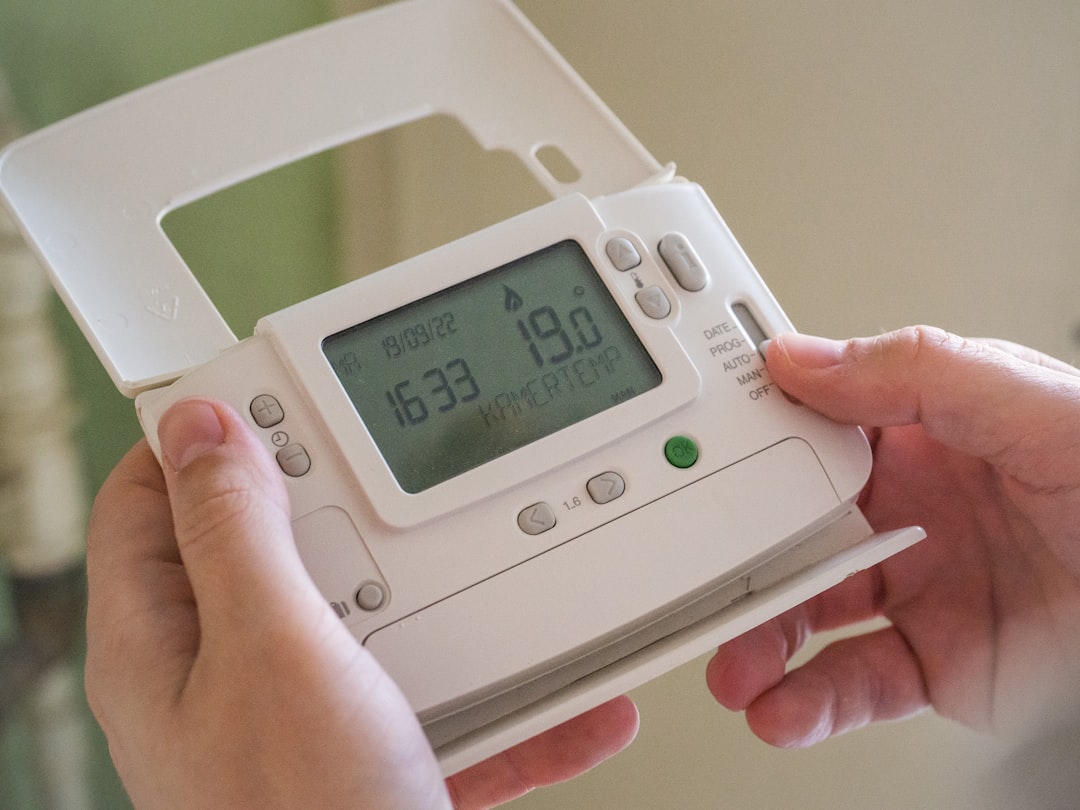
If your furnace is blowing cold air, the problem can be as simple as a thermostat setting or as serious as an ignition or heat exchanger fault. The good news is that a few safe checks can help you narrow it down before you call for furnace repair.
What it means when a furnace blows cold air
A furnace that is running but delivering room-temperature or cold air usually points to a control, ignition, airflow, or mechanical issue. In normal heating operation, the air coming from the vents should feel noticeably warmer than the room.
- Warm air should not feel room-temperature when the system is actively calling for heat.
- If the furnace is running but the air stays cool, the issue is often with ignition, airflow, or controls.
- If you have a heat pump instead of a standard gas furnace, “warm but not hot” air can be normal, but room-temperature air is not.
Quick homeowner checks before calling for service
Start with the simple items that often solve a no-heat complaint in minutes.
- Confirm the thermostat is set to Heat, not Fan Only.
- Verify the temperature setting is above the current room temperature.
- Check the air filter for clogging or heavy restriction.
- Look for a tripped breaker or a furnace power switch that was turned off.
- Make sure supply vents are open and not blocked by furniture, rugs, or storage.
If the system begins blowing warm air after one of these checks, the issue may have been temporary. If not, keep going through the likely causes below.
Common reasons a furnace blows cold air
- Faulty igniter or pilot light problem: If the burners never light, the blower can move unheated air through the house.
- Thermostat calibration or control issues: A misreading thermostat may fail to call for heat correctly.
- Dirty burners or combustion problems: Burners that are dirty or not operating properly may prevent steady heat.
- Blower or fan issues: The fan may move air before the furnace is ready, making the first cycle feel cold.
- Heat exchanger or other internal fault: A cracked heat exchanger or other serious damage can stop the furnace from operating safely and effectively.
- Restricted airflow: A clogged filter or ventilation problem can reduce heat delivery and create the impression that the furnace is only blowing cold air.
Some of these issues are simple to inspect, but several require professional diagnostics and repair.
If the problem is a heat pump, what may be normal and what is not
Heat pumps behave differently from gas furnaces. They move heat rather than generate it, so the air from the vents is typically warm but cooler than a furnace’s output.
- Warm-but-not-hot air is often normal for a heat pump.
- Defrost cycles and auxiliary heat can change what you feel at the vents.
- Cold or room-temperature air in heat mode can still indicate a real problem with the system or controls.
- Hybrid furnace and heat-pump systems may need different troubleshooting than a standard gas furnace.
In other words, the first question is not just “why is my furnace blowing cold air,” but also “what type of heating system do I actually have?”
When ductwork or airflow is the hidden cause
Sometimes the furnace is producing heat, but the air loses that heat before it reaches the rooms. This is especially common when ductwork runs through unconditioned spaces.
- Leaky supply ducts can lose a meaningful amount of heat before air reaches the vents.
- Ducts in attics or crawlspaces are especially vulnerable to heat loss.
- Poor airflow can create cold spots and make the home feel like the furnace is blowing cold air even when the system is partially working.
That kind of issue can be harder to spot from inside the living space, which is why a technician may check both the furnace and the distribution system.
Warning signs that mean stop troubleshooting and call a technician
There are clear thresholds where professional furnace service is the safer choice.
- The furnace will not ignite or repeatedly fails to start.
- The system short cycles, shuts down, or produces no meaningful heat.
- You hear unusual noises, smell gas, or suspect combustion problems.
- There are signs of heat exchanger trouble or other serious internal damage.
- The home still has no-heat conditions after the basic checks are done.
If you smell gas or suspect a combustion issue, stop using the system and contact a qualified professional right away.
What a professional furnace repair visit typically includes
A proper repair visit is not just a quick parts swap. A good diagnostic process should identify why the furnace is behaving the way it is.
- Diagnostic visit to determine the root cause.
- Inspection of the ignition system, thermostat, burners, blower, and related components.
- A repair quote and explanation before work proceeds.
- Testing after the repair to confirm the system is heating properly.
- Preventive maintenance suggestions to reduce repeat problems.
That approach matters because the same symptom can come from different failures. For example, a clogged filter, a failed igniter, and a blower issue can all feel like the furnace is only moving cold air.
How to prevent cold-air furnace calls later
Many furnace complaints are seasonal and predictable. A little preparation can reduce the chance of waking up to a cold house.
- Replace filters on schedule.
- Schedule seasonal HVAC maintenance or a tune-up.
- Test the thermostat before heating season.
- Keep vents and returns unobstructed.
- Watch for recurring cold-air symptoms that may point to a larger repair need.
Regular maintenance will not prevent every breakdown, but it can catch small problems before they become a full no-heat call.
What to revisit each season
Some causes of cold-air complaints deserve a fresh look every heating season, especially as equipment and controls change.
- Winter thermostat and filter reminders.
- Heat-pump-specific cold-air behavior during defrost season.
- Changes in repair cost ranges or common failure patterns.
- New smart-thermostat or control issues that trigger false alarms.
If your furnace is blowing cold air, begin with the safe, simple checks first. If those do not solve it, or if you notice ignition problems, unusual noises, gas odors, or repeated shutdowns, it is time to schedule furnace repair and let a technician trace the real cause.