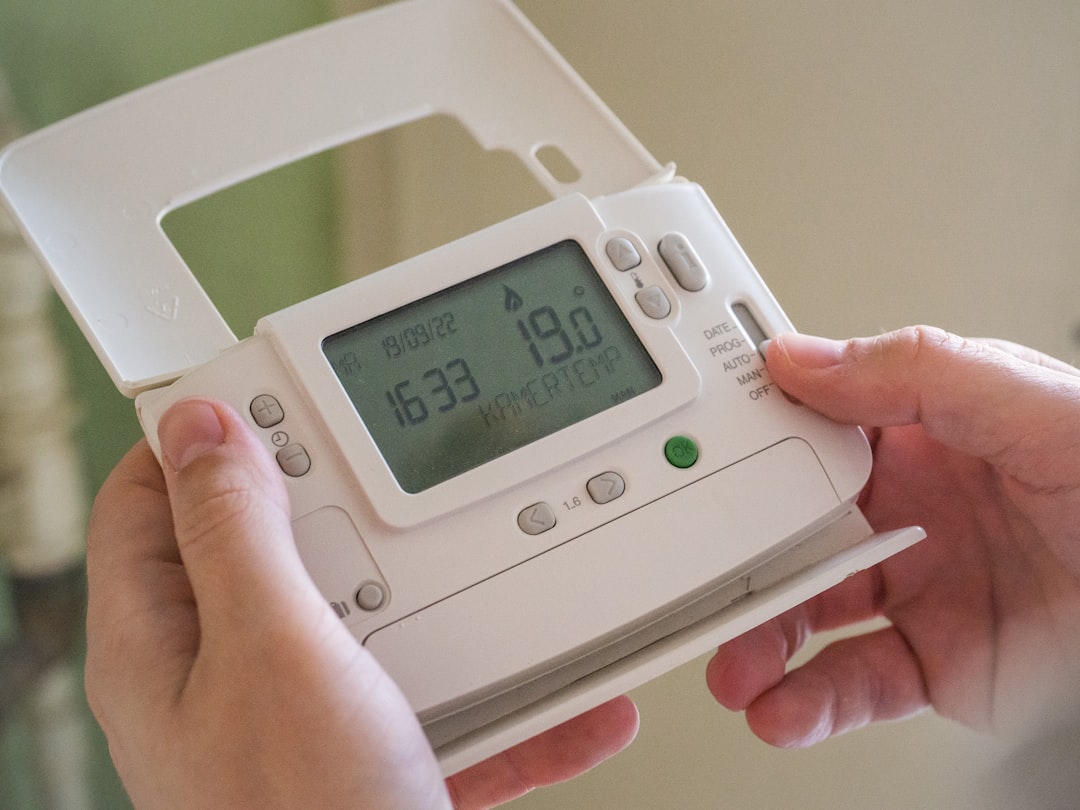
The best thermostat settings for winter are not one magic number. They are a schedule that fits your heating system, your comfort level, and the hours when your home is occupied. This guide gives you practical winter thermostat settings for daytime, nighttime, vacations, and work-from-home routines, along with a simple review cycle you can use each heating season. If you want lower utility bills without making the house feel cold, the goal is consistency, small adjustments, and a schedule you will actually keep using.
Overview
A useful winter thermostat plan should do three things: keep the house comfortable when people are home, reduce heating demand when rooms are empty or everyone is asleep, and avoid setbacks so aggressive that recovery becomes frustrating. In most homes, that means choosing a comfortable “occupied” setting, then lowering the temperature modestly during sleeping hours or long periods away.
For many households, a practical starting point looks like this:
- Daytime at home: around 68°F as a baseline, then adjust a degree or two for comfort.
- Nighttime: a few degrees lower than your daytime setting if everyone sleeps comfortably that way.
- Away for work or errands: lower the setting when the house will be empty for several hours.
- Vacation: lower it further, but not so far that you risk frozen pipes, condensation issues, or a very slow recovery.
Those numbers are starting points, not strict rules. A drafty older house, a high-efficiency furnace, a boiler with radiators, a heat pump, and a well-insulated newer home can all behave differently. The best thermostat settings for winter are the ones that balance comfort and energy savings in your specific house.
It also helps to think in terms of schedules rather than isolated setpoints. Instead of asking, “What temperature should I set my thermostat to in winter?” ask, “What should the thermostat do at 6 a.m., 9 a.m., 5 p.m., and 10 p.m.?” That shift makes smart thermostat features much more useful and reduces the temptation to keep nudging the temperature up and down all day.
Here are four practical schedule templates you can adapt:
1. Standard weekday schedule
- Wake-up: 68°F
- Workday away: 62°F to 65°F
- Evening home: 68°F
- Overnight: 64°F to 66°F
This is a common energy saving thermostat schedule because it lowers heat when the house is empty and again at night. If morning recovery feels too slow, raise the away setting slightly or start recovery earlier.
2. Work-from-home schedule
- Morning: 67°F to 68°F
- Midday: maintain the same setting, or use room-by-room controls if available
- Evening: 68°F
- Overnight: 64°F to 66°F
If someone is home all day, deep setbacks often stop making sense. In that case, focus on steady comfort, reducing drafts, using ceiling fans correctly, and heating occupied rooms more intelligently.
3. Night schedule
- About an hour before bed: let the house begin drifting down
- During sleep: set the thermostat a few degrees below daytime comfort
- Before wake-up: schedule recovery early enough that the home is comfortable when people get up
The best thermostat setting at night in winter depends heavily on bedding, humidity, and how warm bedrooms feel relative to the rest of the house. A cooler sleeping temperature is comfortable for many people, but not for everyone.
4. Vacation schedule
- Short trip: use a lower but safe setting
- Long trip in freezing weather: keep the home warm enough to protect plumbing and interior finishes
- Before returning: if you have a smart thermostat, raise the temperature remotely so the house is comfortable when you arrive
A vacation thermostat setting in winter should never ignore freeze risk. Homes with plumbing in exterior walls, basements, crawl spaces, attics, or poorly insulated areas may need a more cautious setting. If you are unsure, choose safety over squeezing out a little more energy savings.
Maintenance cycle
The easiest way to keep winter thermostat settings effective is to review them on a predictable cycle. Instead of setting a schedule once and forgetting it, use a simple maintenance routine at the start of heating season and then check it monthly.
At the start of heating season
Before winter really sets in, review both your thermostat programming and the heating system itself. This is the best time to confirm that setbacks still make sense for your household and that your equipment can recover smoothly.
- Update the date, time, and schedule blocks on the thermostat.
- Check whether your programmed schedule still matches your real routine.
- Replace batteries if your thermostat uses them.
- Change or inspect the air filter, since restricted airflow can affect comfort and system performance. If you need a refresher, see How Often Should You Change Your Furnace Filter?.
- Make sure vents and radiators are not blocked by rugs, furniture, or drapes.
- Schedule a seasonal service visit if you have not had one recently. Our guide on what to expect during a furnace tune-up can help you prepare.
If your home always feels dry in winter, thermostat comfort may also be tied to humidity. Slightly cooler air can still feel comfortable when humidity is balanced. For related guidance, see whole-home humidifier cost, benefits, and maintenance.
Monthly winter check-in
Once each month, spend five minutes reviewing how the schedule is working in real life. This small habit matters because winter comfort problems often develop gradually. You may not notice that your overnight setting is too low, or that your workday setback no longer fits your routine, until the house feels consistently uncomfortable.
Use this short review:
- Did anyone manually override the thermostat often this month?
- Did morning warm-up take too long?
- Were some rooms too cold while others stayed comfortable?
- Did utility bills rise more than expected?
- Did outdoor temperatures change enough to justify a schedule adjustment?
If the answer to any of those is yes, adjust one setting at a time. A one- or two-degree change is usually easier to evaluate than a major reset.
Mid-season optimization
By the middle of winter, your first schedule may need refinement. This is especially common in homes with changing occupancy patterns, holiday travel, or cold snaps that expose insulation and airflow issues.
At this stage, look beyond the thermostat itself. If your system runs constantly yet rooms still feel uneven, the schedule may not be the real problem. Dirty filters, leaky ducts, poor attic insulation, or an aging furnace can all undermine even the best winter thermostat settings. The thermostat can only control the system you have; it cannot fix airflow or equipment problems on its own.
Signals that require updates
Your winter thermostat settings should be updated when your schedule stops matching your home or your household. The point of a repeat-visit thermostat guide is not to keep chasing perfect numbers. It is to notice when the old routine is no longer serving you.
Here are the clearest signals that it is time to revisit your settings:
1. Frequent manual overrides
If people in the house constantly push the temperature up or down, your programmed schedule is not realistic. A schedule only works if it reflects when people wake, leave, return, and go to sleep.
2. Slow recovery after setbacks
If the house feels chilly for too long after an overnight or daytime setback, the setback may be too deep, or recovery may need to begin earlier. This is a common issue with larger homes, homes with high ceilings, or systems that simply recover more slowly.
3. Utility bills climb without a clear reason
Rising energy use can point to weather changes, but it can also suggest that the heating system is working harder than necessary. Before blaming the thermostat, inspect filters, vents, and maintenance history. If you are considering ongoing service, our article on whether an HVAC maintenance plan is worth it can help you think through the tradeoffs.
4. A home routine changes
A new remote-work schedule, children home during school breaks, a new baby, an older adult moving in, or pets spending more time indoors can all change what “comfortable” means. Thermostat programming should evolve with the household.
5. A heating system changes
Settings that worked with one system may not be ideal after replacement. A new furnace, boiler, or heat pump may deliver heat differently and respond differently to setbacks. If you are comparing systems broadly, Furnace vs Boiler is a useful companion read.
6. Indoor air feels too dry or stale
People often react to dry winter air by raising the thermostat, when the real issue may be humidity or filtration. If dust, dryness, or allergy symptoms rise in winter, review your filter choice and airflow. For more on that, see MERV ratings explained.
Common issues
Even a carefully programmed thermostat can create frustration if the underlying setup is off. These are the most common winter thermostat problems homeowners run into, and what to do first.
The furnace runs, but the house still feels cold
Start with basics: filter condition, blocked supply vents, closed interior doors, and obvious drafts. Then check whether the thermostat is in a poor location, such as near a sunny window, exterior door, kitchen, or supply register. A thermostat that senses unusual heat or cold can trigger uneven comfort throughout the house.
The thermostat setting at night in winter feels too cold by morning
Raise the overnight setting by one or two degrees, or begin morning recovery earlier. Bedrooms often cool faster than hallways where thermostats are mounted, so the display may suggest the house is warm enough even when sleeping areas are not.
The smart thermostat seems to have a mind of its own
Check for learning features, geofencing, occupancy sensors, adaptive recovery, or utility demand-response settings. These can be helpful, but they can also interfere if multiple household members come and go on different schedules. If comfort becomes unpredictable, simplify the schedule first, then re-enable features one by one.
There is no benefit from setbacks
Sometimes the issue is not that setbacks never help. It is that they are too deep or too short to be useful in your home. A modest setback that lasts long enough to matter is usually easier on comfort than a dramatic drop that forces the system to work hard right before everyone wakes up.
A heat pump behaves differently than expected
Some heat pump systems do not respond well to aggressive winter setbacks, especially if that strategy triggers supplemental heat during recovery. In those cases, steadier temperatures may work better than large swings. If your heating source changed recently, revisit your assumptions rather than copying the schedule you used with a furnace.
The thermostat is not the only control in the house
Radiator valves, zone dampers, ductless heads, and room sensors all influence comfort. If your home has zoned heating or a mix of equipment types, the best winter thermostat settings may involve coordinating several controls rather than programming one hallway thermostat.
If you suspect the issue is no longer about controls but about the heating system itself, review what counts as urgent service in Same-Day Furnace Repair: What Counts as an Emergency and What Can Wait Until Morning. And if you need help comparing contractors, see How to Compare Local HVAC Companies Before You Book.
When to revisit
Revisit your winter thermostat schedule at least four times: at the start of heating season, after the first real cold stretch, after any major change in occupancy, and before leaving for a winter trip. Those check-ins keep the schedule aligned with how your home actually performs.
Use this practical routine:
- At the start of fall: build or refresh your winter schedule, replace the filter if needed, and test the heating system.
- After the first cold week: note any rooms that lag, any comfort complaints, and whether wake-up recovery is fast enough.
- Mid-winter: compare manual overrides with your programmed schedule and adjust one setting at a time.
- Before vacation: choose a safe vacation thermostat setting for winter, verify remote access, and think about freeze-sensitive plumbing areas.
A final tip: write down your best settings once you find them. Keep a short note in your phone or on paper with your occupied, sleep, away, and vacation temperatures, plus any special notes like “start morning recovery 45 minutes before wake-up.” That small record turns thermostat control into a repeatable system instead of a seasonal guessing game.
If your comfort still is not right after thoughtful schedule changes, it may be time to look beyond controls and toward maintenance, airflow, or equipment sizing. A thermostat can help a good system perform better, but it cannot compensate for neglected service or a larger heating problem.
The most effective winter thermostat plan is usually the simplest one: steady comfort when the home is occupied, modest setbacks when it is not, and regular reviews whenever the season or your routine changes. Return to that framework each winter, and your schedule will stay useful year after year.