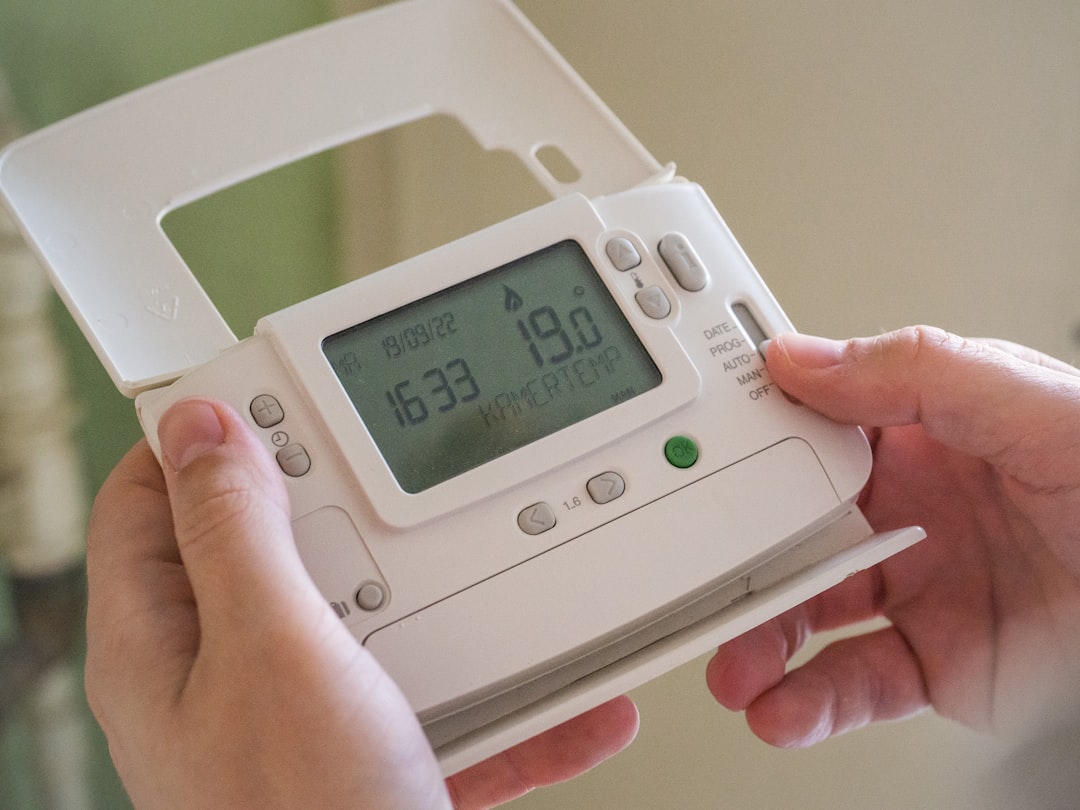
Smart thermostats have revolutionized how homeowners control heating and cooling systems. By integrating seamlessly with your existing HVAC setup and offering intelligent automation, they promise enhanced comfort, improved energy efficiency, and significant cost savings. However, with a variety of models and compatibility nuances, selecting the right smart thermostat for your home demands a thorough understanding of their features, HVAC integration, and how they contribute to energy savings.
In this definitive guide, we dive deeply into smart thermostat technologies, compatibility assessment, efficiency impacts, and provide actionable advice to help homeowners and renters find the optimal solution for their home automation goals.
For a comprehensive look at choosing heating systems in your home, check out our article on Why Your New Home Needs a Game Plan: Lessons From Athlete Injuries to understand planning for long-term efficiency and comfort.
Understanding Smart Thermostats: Features and Benefits
Core Functions of Smart Thermostats
Smart thermostats allow dynamic temperature control based on occupancy, weather, and personal preferences. Unlike traditional programmable thermostats, these devices learn your habits over time and adjust heating or cooling to optimize comfort and reduce energy waste. Features include remote access via smartphone apps, voice control integrations (Alexa, Google Assistant), geofencing capabilities that adjust settings when you leave or return home, and usage reports that help monitor consumption patterns.
Energy Savings and Cost Benefits
Implementing a smart thermostat can lead to energy savings between 10-15% on heating and cooling costs, according to the U.S. Environmental Protection Agency. By tailoring HVAC operation to precise needs, they avoid constant heating or cooling when no one is home—a common inefficiency. More advanced models provide predictive adjustments, factoring in weather changes and thermal characteristics of your home.
Pro Tip: Pairing a smart thermostat with home insulation improvements amplifies energy savings and year-round comfort.
Integration with Home Automation Systems
Smart thermostats often serve as central hubs within smart home ecosystems. They can communicate with smart vents, lighting, security, and voice assistants to create a coherent environment. Compatibility with platforms like Apple HomeKit, Samsung SmartThings, and IFTTT dramatically increases customization and control possibilities.
To ensure you get the most out of your smart home, explore Best Wi-Fi Routers for Smart Kitchens: Keep Your Fridge, Camera, and Recipe Stream Smooth for advice on securing a reliable wireless foundation.
Assessing HVAC Compatibility
Identify Your HVAC System Type
Before purchasing, identify your home’s heating and cooling system type. Major systems include forced-air furnaces, boilers, heat pumps, and zoned HVAC systems. Each functions differently and requires thermostat compatibility. For example, some smart thermostats do not support multi-stage heating systems or certain types of electric baseboard heaters.
Learn more about different HVAC types with our detailed guide on Why Your New Home Needs a Game Plan.
Wiring and Installation Considerations
Smart thermostats often require a C-wire (common wire) for continuous power. Homes with older HVAC systems may lack this, necessitating a C-wire adapter or battery-powered options. Check your system’s wiring configuration carefully before ordering.
For professional installation and wiring assistance, refer to our guide on home heating installation planning.
Consult Manufacturer Compatibility Lists
Most smart thermostat manufacturers provide detailed HVAC compatibility lists. Popular smart thermostats like Nest, Ecobee, Honeywell Home, and Emerson Sensi publish this data. Comparing these lists against your system specifications ensures functionality and avoids compatibility problems.
For product maintenance tips following installation, visit our comprehensive piece on HVAC maintenance schedules.
Smart Thermostat Product Comparison Table
| Feature | Google Nest Learning Thermostat | Ecobee SmartThermostat | Honeywell Home T9 | Emerson Sensi Touch | Wyze Thermostat |
|---|---|---|---|---|---|
| HVAC Compatibility | Most systems; heat pumps; multi-stage | Most systems; heat pumps; humidifiers | Single & multi-stage; heat pumps | Forced air; heat pumps | Most common systems |
| C-Wire Required | Yes (battery backup) | Yes (adapter available) | Yes (adapter available) | Yes | Yes (adapter included) |
| Voice Control | Google Assistant, Alexa | Alexa built-in, Google Assistant | Alexa, Google Assistant | Alexa, Google Assistant | Alexa, Google Assistant |
| Learning Capability | Yes | Yes | No | No | No |
| Geofencing | Yes | Yes | Yes | No | Yes |
Installation and Setup Best Practices
Pre-Installation Checklist
Before installation, ensure your HVAC system is in good working order. Shut off system power at breakers to prevent accidents. Read the thermostat installation manual thoroughly. Secure the required tools such as a screwdriver, voltage tester, and wire strips.
Wiring and Mounting the Thermostat
Label all existing thermostat wires before disconnecting them to avoid installation errors. Connect wires according to your new thermostat's instructions, double-checking the terminals for accuracy. Use a level to mount the thermostat base securely and finish assembly.
For specifics on wiring older systems, consult our electric home system guide.
Configuring Smart Features and Integration
After powering on, download the thermostat’s official app and create an account. Connect the device to your home Wi-Fi. Set scheduling preferences and enable geofencing or other automation features that optimize heating efficiency. Integrate with your preferred voice assistant or home hub for hands-free control.
Optimizing Energy Efficiency with Smart Thermostats
Using Learning and Adaptive Scheduling
Allow your smart thermostat to observe your daily occupancy and temperature preferences. The thermostat will adapt heating/cooling intervals accordingly, reducing wastage during absence while maintaining comfort when home.
Integrating with Other Smart HVAC Components
Combine your smart thermostat with smart vents, zone controllers, and air quality sensors for enhanced home comfort and air purification. This level of integration dynamically controls airflow precisely, improving room-level comfort and reducing energy consumption.
Discover more about improving indoor air quality with our article on How Fan Engagement Inspires Community Health Programs.
Regular Monitoring and Maintenance
Consult your smart thermostat’s usage reports weekly to identify unusual spikes signaling HVAC issues or inefficiencies. Maintain your heating system as per recommendations—clean filters, check ducts, and schedule professional inspections to ensure optimal performance.
Smart Thermostats for Different Home Types
Single-Family Detached Homes
Larger homes benefit from thermostats with remote sensor compatibility to detect temperature variations in multiple rooms. Models like Ecobee SmartThermostat with remote sensors suit these needs.
Apartments and Condos
Smaller living spaces with simpler HVAC systems can utilize budget-friendly models like Wyze Thermostat. Confirm HVAC compatibility thoroughly, as some multifamily buildings have centralized heating requiring specialized solutions.
Older Homes with Legacy Systems
Older homes might require professional evaluation due to wiring limitations or unique HVAC setups. Battery-powered or C-wire adapter-ready thermostats increase installation success rates here.
Common Challenges and How to Overcome Them
Connectivity Issues
Smart thermostats rely on stable Wi-Fi. Weak or intermittent signals disrupt remote control and automation features. Upgrade your router or install signal extenders if needed—see Best Wi-Fi Routers for Smart Kitchens for guidance on creating robust home networks.
Incorrect System Detection
Sometimes thermostats incorrectly detect HVAC wiring or configuration during setup, leading to malfunction. Double-check wiring, restart setup, or seek professional help if unsure.
Privacy and Security Concerns
Smart devices collect usage data—ensure passwords are strong, firmware is updated, and consider devices with strong encryption standards. Learn how to secure digital family archives in A Safe Space: Understanding Privacy in Family Digital Archives.
Cost Analysis: Upfront Investment vs. Long-Term Savings
Initial Purchase and Installation Costs
Smart thermostats range from $100 to $300 depending on features and brand. Professional installation, if selected, adds $100-$200. DIY installation is possible with basic electrical skills.
Energy Savings Projections
Typical annual savings average between $75-$150 in energy costs. Payback periods typically range from 1.5 to 4 years depending on climate, home insulation, and thermostat usage.
Incentives and Rebates
Many utility companies and government programs offer rebates or incentives for installing Energy Star certified smart thermostats—verify eligibility in your location to reduce upfront costs.
Future Trends in Smart Thermostat Technology
AI-Driven Predictive Control
Emerging models leverage artificial intelligence to not just learn habits but predict optimal HVAC operation based on weather forecasts and energy pricing to maximize savings.
Integration with Renewable Energy Systems
Smart thermostats are increasingly offering compatibility with solar and battery storage systems to manage HVAC loads in tandem with renewable energy generation.
Enhanced Air Quality and Ventilation Management
New devices are incorporating more comprehensive indoor air quality sensors, integrating ventilation controls alongside heating and cooling for healthier home environments.
Conclusion: Making the Right Smart Thermostat Choice
Choosing the right smart thermostat requires a careful match of your HVAC system type, home automation preferences, and energy-saving goals. Thorough compatibility checks, considering installation needs, and balancing upfront costs versus operational savings will ensure an optimal investment.
Leveraging trusted products such as Nest, Ecobee, and Honeywell, combined with reliable Wi-Fi infrastructure and smart home integration, empowers you with efficient, comfortable, and cost-saving home climate control.
For additional insights on home heating choices and HVAC system optimization, see our comprehensive coverage in Why Your New Home Needs a Game Plan.
FAQ: Smart Thermostat Integration
1. How do I know if my HVAC system is compatible with a smart thermostat?
Check your system type (furnace, heat pump, boiler) and wiring requirements (look for C-wire). Consult manufacturer compatibility lists online or hire a professional technician to evaluate your system.
2. Can I install a smart thermostat myself?
Yes, if you are comfortable with basic wiring and following detailed instructions. If unsure, consider professional installation to avoid damage or improper setup.
3. Will a smart thermostat work with my zoning system?
Some models support multi-zone systems but verify compatibility carefully. You might need multiple thermostats or specialized controllers depending on your zone setup.
4. What energy savings can I expect after installing a smart thermostat?
Average savings range between 10-15% on heating and cooling bills, with payback periods typically under 4 years.
5. How do smart thermostats enhance home automation?
They integrate with smart hubs, voice assistants, sensors, and other devices to automate climate control, respond to occupancy, and create convenient, efficient home environments.
Related Reading
- From Sports to Wellness: How Fan Engagement Inspires Community Health Programs - Explore indoor air quality improvements linked to wellness trends.
- Best Wi-Fi Routers for Smart Kitchens - Ensure robust wireless connectivity for your smart home devices.
- A Safe Space: Understanding the Importance of Privacy in Family Digital Archives - Learn how to protect your smart device data and privacy.
- Why Your New Home Needs a Game Plan: Lessons From Athlete Injuries - Planning your HVAC system and smart device integration during homebuying.
- HVAC maintenance schedules and optimization tips - Keep your heating system efficient and reliable with proper upkeep.