When a furnace blows cold air, the cause may be a normal startup cycle, a simple thermostat or airflow issue, or a problem that requires professional furnace repair. This reusable troubleshooting checklist helps you identify safe next steps, avoid common mistakes, and decide when to arrange heating repair or emergency HVAC service.
Overview
A furnace does not always produce warm air immediately. At the beginning of a heating cycle, the blower may run briefly while the furnace ignites or warms its heat exchanger. A short period of cool air can be normal. If the air remains cold, the furnace repeatedly starts and stops, or the home continues losing heat, investigate further.
Start with observations rather than removing panels or resetting components. Note whether the furnace is running continuously, whether the blower operates without heat, and whether the thermostat is calling for heat. These details can help a technician diagnose the problem more efficiently.
Before troubleshooting, consider safety. If you smell gas, hear an unusual hissing sound, see smoke, notice scorching, or suspect carbon monoxide, leave the home if necessary, avoid switches and flames, and contact the appropriate emergency service or fuel provider from a safe location. A carbon monoxide alarm sounding should be treated seriously. Do not attempt to repair a gas valve, burner, heat exchanger, electrical control, or flue.
Checklist by scenario
If the furnace blows cold air briefly
- Wait through one complete heating cycle. The system may be completing its normal ignition and warm-up sequence.
- Check whether the air becomes warm after a few minutes. If it does, monitor the system for repeated delays or unusual cycling.
- Listen for a smooth startup. Repeated clicking, grinding, banging, or attempts to ignite can indicate a fault that needs furnace repair.
If the thermostat says the heat is on but the air stays cold
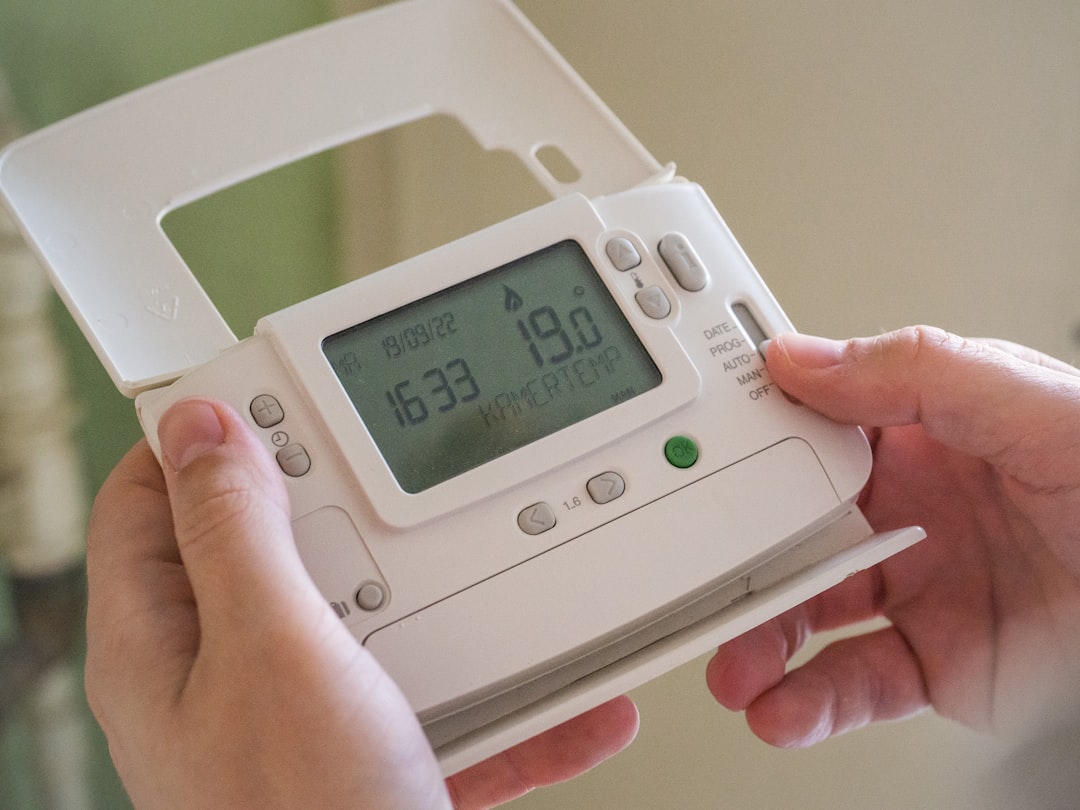
- Confirm the thermostat mode is set to Heat, not Cool, Off, or Fan Only.
- Raise the set point several degrees above the current room temperature to create a clear call for heat.
- If the thermostat uses batteries, replace them if the display is dim, blank, or inconsistent. For a smart thermostat, check its power and connection indicators.
- Set the fan to Auto rather than On. The On setting can run the blower between heating cycles, which may feel like cold air.
- Make sure the furnace switch has not been turned off accidentally. It often resembles a standard light switch near the equipment.
If the furnace runs but airflow is weak or cold
- Inspect the air filter and replace it if it is visibly loaded with dust. Install the correct size and type specified for the system.
- Open supply registers and return grilles. Move furniture, rugs, and storage items away from them.
- Check for obvious damage or disconnection in accessible ductwork, but do not enter unsafe crawl spaces or attics to investigate.
- Consider whether a high-resistance filter was installed recently. A filter that is too restrictive for the equipment can reduce airflow and contribute to overheating or shutdowns. The MERV ratings guide explains how filtration choices can affect airflow.
If the furnace starts and then shuts off
- Check the filter and airflow first, since restricted airflow can cause a safety limit to interrupt heating.
- Observe whether the blower continues after the burners shut down. This pattern can point to overheating, ignition trouble, flame-sensing issues, or another control problem.
- Do not repeatedly reset the furnace. One reset may be reasonable after confirming a simple power interruption, but repeated resets can conceal a developing fault or create an unsafe condition.
- Arrange professional heating repair if short cycling continues, especially if the system cannot maintain a safe indoor temperature.
If the furnace will not run at all
- Check the thermostat display and settings.
- Confirm the furnace switch and circuit breaker are on. If a breaker trips again after resetting, leave it off and request service.
- For a fuel-burning system, confirm only that the fuel supply has not been intentionally shut off and that there is no smell of gas. Do not relight equipment unless the manufacturer’s instructions specifically permit it and you are confident it is safe.
- Look for a diagnostic light or displayed fault code without opening sealed compartments. Record the code for the technician.
If your system is actually a heat pump
Some homeowners describe any central heating equipment as a furnace, but a heat pump can produce air that feels less hot than air from a gas furnace. During a defrost cycle, a heat pump may temporarily change operation and produce cooler air. If the system never reaches the set temperature, runs continuously, or shows an error, arrange heat pump service rather than applying furnace-specific troubleshooting.
What to double-check
Before calling an HVAC company near you, gather a few details. Record the equipment type, thermostat setting, indoor temperature, filter condition, and the time the problem began. Note whether the issue affects every room or only certain zones. If you have a maintenance record, check when the last seasonal HVAC tune-up occurred.
Also verify that the symptom is truly a heating problem. Cold air from a ceiling register may result from an open damper, disconnected duct, or an unheated zone rather than a failed furnace. A boiler does not blow air at all; it distributes heat through radiators, baseboards, or another hydronic system. If you have a boiler, request boiler repair service instead of furnace service.
Check the filter size and replacement date rather than relying on appearance alone. Filter intervals vary with filter type, household conditions, pets, renovation dust, and system use. Use the manufacturer’s guidance as a starting point and review the furnace filter schedule when planning replacements.
If the furnace is older, has repeated failures, or needs a major component, ask the technician to compare repair with furnace replacement. A replacement decision should consider reliability, expected remaining life, safety, operating costs, comfort, and the condition of ductwork—not just the immediate repair charge.
Common mistakes
- Changing too many settings at once: Adjust one item, such as the thermostat mode or fan setting, and observe the result. This makes the cause easier to identify.
- Using the wrong filter: A filter that does not fit or is more restrictive than the system supports can reduce airflow. Never operate the furnace without a filter unless a qualified professional gives specific instructions.
- Blocking returns: Closing supply registers does not necessarily redirect heat effectively. Blocked return grilles can interfere with system airflow.
- Repeatedly cycling power: Frequent resets can erase useful diagnostic information and may stress components.
- Ignoring warning signs: Gas odor, soot, flames outside the burner area, carbon monoxide alarms, and burning electrical smells are not routine troubleshooting symptoms.
- Delaying service in freezing conditions: A home that is losing heat can develop frozen pipes and other damage. Arrange prompt service when indoor temperatures are falling or vulnerable occupants are present.
When to revisit
Return to this checklist whenever the furnace is started for the heating season, after a power outage, following filter replacement, or when the system behaves differently from its normal pattern. It is also useful before scheduling a seasonal tune-up: record unusual noises, uneven temperatures, delayed starts, and changes in energy use so the technician can investigate specific symptoms.
Schedule professional furnace repair promptly if basic checks do not restore warm air, the system short cycles, a breaker trips, the thermostat cannot communicate with the equipment, or the home cannot maintain a safe temperature. Seek emergency heating repair when there is a gas or combustion concern, a carbon monoxide alarm, smoke, exposed wiring, flooding near electrical equipment, or an urgent loss of heat.
After service, ask what caused the failure, what was tested, and which warning signs should prompt another call. Keep the model and serial information, service notes, filter size, and emergency contact details together. For broader preparation, review the furnace tune-up checklist and your home’s winter thermostat settings. A few documented observations can shorten future troubleshooting and help you make better heating repair, maintenance, or replacement decisions.