Rising utility bills have been a major concern for homeowners in recent years — and many families who saw surprise increases in water costs are now asking how to avoid the same fate with their heating bills. This definitive guide collects practical, expert-backed strategies that reduce winter heating costs without sacrificing comfort. We'll cover easy behavioral changes, building envelope upgrades, system-level optimizations, and how to find the right contractors so you spend less and get more value.
Throughout this guide you'll find actionable steps, real-world examples, and tools to estimate payback. If you're short on time, jump to the quick wins and the comparison table that summarizes expected savings. For homeowners thinking about solar or smart hot water, see our notes below on how those technologies integrate with efficient heating systems and delivery timelines — especially useful if you're waiting on equipment or comparing offers (what to expect when your solar product order is delayed).
1. Why winter energy costs spike — the root causes
1.1 Weather, usage, and baseline inefficiencies
Heating demand is driven by outdoor temperatures and how many degree-hours you hold inside. But two homes at the same temperature can have very different bills because of insulation, air leakage, and inefficient heating controls. Recent trends show volatile utility pricing and rising fixed charges that compound seasonal spikes; treating the envelope and system controls is the fastest way to reduce exposure.
1.2 Building envelope failures: where heat actually escapes
Corners, recessed lights, attic hatches, and poorly sealed windows are common loss points. Simple fixes — weatherstripping, sealing gaps with caulk, and insulating attic access — often deliver 10–20% reductions in winter heat loss. If you plan larger work, review roof and siding options carefully; avoid DIY mistakes on metal roofs by following professional guidance (avoiding common mistakes when installing metal roofing).
1.3 Systems and controls: inefficient equipment drives bills
Older furnaces, boilers, and single-speed heat pumps operate far less efficiently than today's models and lack smart control. Even an otherwise healthy system will waste fuel if ducts leak or controls are set incorrectly. Investing in system tuning and targeted upgrades often gives faster payback than full equipment replacement.
2. Quick wins: low-cost, high-impact steps you can do this weekend
2.1 Thermostat strategies and set-back schedules
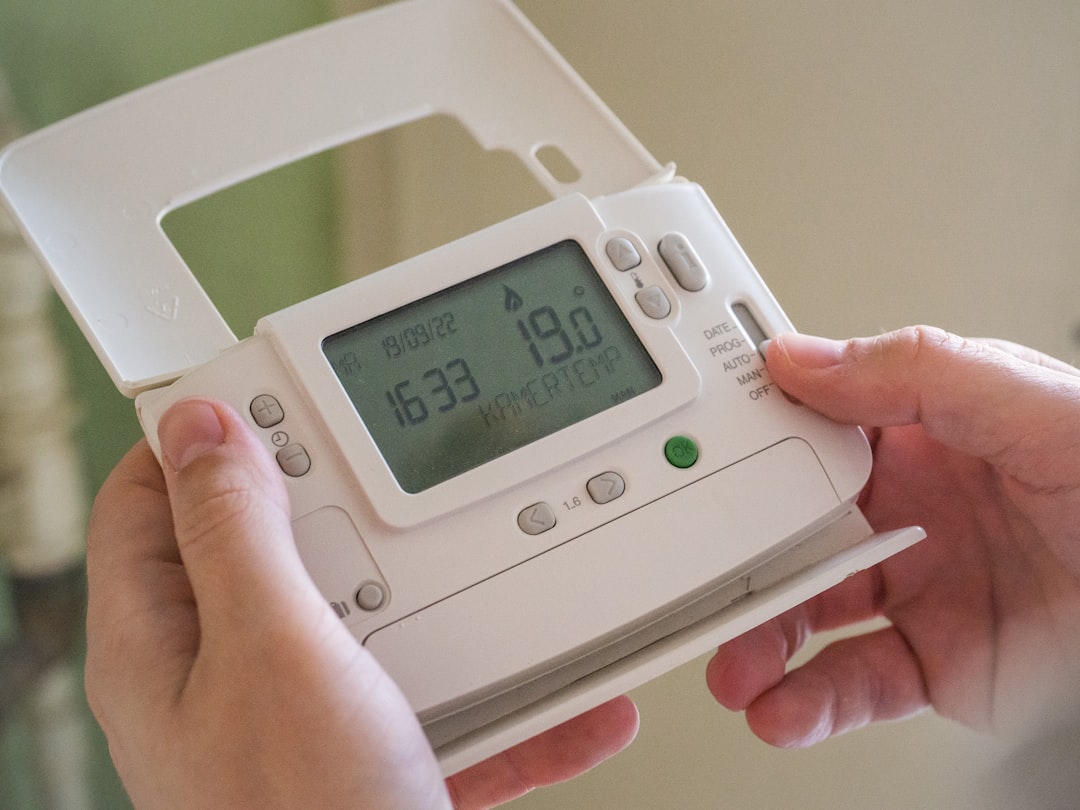
Lowering your thermostat by 2–3°F for eight hours a day typically saves 5–10% on heating bills. Use programmable or smart thermostats to automate night and workday setbacks. If you have a heat pump, shorter setbacks and staged recovery can preserve efficiency — and a phone app helps you monitor performance (prepare for a tech upgrade).
2.2 Stop the drafts and seal the obvious leaks
Apply door sweeps, foam gaskets behind outlets, and low-expansion spray foam around service penetrations. These fixes often cost under $100 in materials and can cut infiltration by 10–30% depending on the house. For targeted long-term improvements on daylighting and window exposures, seasonal lighting strategies can also reduce perceived cold without cranking the heat (harvesting light: how to use seasonal inspiration for your home).
2.3 Improve distribution: vents, registers, and balancing
Make sure vents are open and unobstructed, bleed radiators where applicable, and use fans to move warm air from ceiling to occupied zones. Small changes to airflow and balancing return a surprising amount of comfort for minimal cost — often avoiding a bigger equipment purchase.
3. Insulation impacts: where to prioritize upgrades
3.1 Attic insulation: greatest returns per dollar
For most homes, adding attic insulation provides the largest energy-saving impact. Upgrading from R-19 to R-49 can reduce heat loss substantially and typically pays back in 3–7 years depending on local energy prices. Use infrared or blower-door tests to target problem areas before spending on blanket solutions.
3.2 Walls, basements, and rim joists
Cavity wall insulation and rim-joist sealing reduce both heat loss and drafts. If your basement perimeter is uninsulated, adding rigid foam or spray insulation can improve slab-edge temperature and reduce heating loads. These projects are more complex; get contractor quotes and ask for clear R-value documentation.
3.3 Windows, doors, and glazing choices
High-performance double- or triple-pane windows cut conductive losses, but replacing windows is expensive. Consider storm windows, secondary glazing, or thermal curtains for winter. For guidance on integrating decor and efficiency, see modern lighting and smart-home styling ideas that contribute to comfort (the future of smart home decor: innovations in lighting technology).
4. Heating systems: compare pitfalls and paybacks
Choosing the right central heating system depends on your climate, fuel prices, and whether you value low-carbon options. Below is a comparison table summarizing typical costs, efficiency, and expected winter savings versus a baseline older system.
| System | Typical install cost (USD) | Seasonal Efficiency / AFUE or HSPF | Expected winter savings vs 15+yr-old system | Comments |
|---|---|---|---|---|
| High-efficiency natural gas furnace | $4,000–$8,000 | 95–98% AFUE | 15–30% | Best where gas prices are low. Ensure proper venting and combusiton air. |
| Condensing boiler | $5,000–$12,000 | 90–98% AFUE (modulating condensing) | 15–35% | Hydronic heat offers comfort and zoning advantages; maintenance matters. |
| Air-source heat pump (cold climate) | $8,000–$18,000 | 300–500% COP equivalent (HSPF 8–12+) | 20–50% or more (electric offset) | Exceptional efficiency; rebates and smart controls improve payback. |
| Mini-split ductless heat pump | $3,500–$10,000 per zone | 300–400% COP range | 15–45% (depending on zoning) | Ideal for retrofits and room-by-room control; ceiling clearance required. |
| Smart zoning + upgraded controls | $500–$4,000 | Varies | 10–30% (through avoided overheating) | Often fastest payback with minimal disruption; pairs well with heat pumps. |
Use this table to prioritize: if you have a functioning system but high bills, start with insulation and smart controls. If your equipment is 15–20 years old and failing, a modern heat pump or high-efficiency gas appliance will produce the biggest long-term drop.
5. Smart controls, scheduling and load shifting
5.1 Smart thermostats and occupancy-based control
Modern thermostats learn behavior and integrate with zoning systems to avoid heating empty rooms. They also provide diagnostics that help spot problems early — and many utilities offer rebates. When evaluating products, apply the same scrutiny used in consumer electronics product reviews and user feedback processes (learning from user feedback), especially for reliability and app support.
5.2 Time-of-use rates and shifting heavy loads
If your utility has time-of-use pricing, shift high-energy tasks like water heating to lower-cost hours. Smart water heaters and hybrid units let you preheat or draw from stored hot water, reducing peak heating costs — explore features homeowners often miss in smart hot water guidance (smart water heater features you didn't know you needed).
5.3 Integrations and whole-home automation
Integrate thermostat schedules with occupancy sensors, window sensors, and smart vents for coordinated control. Expect to troubleshoot initial setups; the broader smart-home ecosystem is evolving quickly (see highlights from tech shows for new devices and integrations: CES highlights).
6. Maintenance and system tuning: the often-overlooked savings
6.1 Annual tune-ups and filter discipline
Simple maintenance like cleaning heat exchanger surfaces, replacing filters, and clearing condensate lines keeps efficiency near nameplate ratings. Dirty filters and clogged coils can increase energy use by 5–15% or more. Treat maintenance as an investment — routine service extends equipment life and avoids emergency replacement at peak season prices.
6.2 Duct testing and sealing
Leaky ducts in unconditioned spaces can waste up to 30% of delivered heat. Sealing with mastic or aerosol duct sealing is a high-impact retrofit. Combine duct sealing with insulation improvements and retest to quantify gains.
6.3 Balancing and controls calibration
Commissioning — calibrating system controls, verifying setpoints, and balancing flows — ensures the system delivers the intended comfort at the lowest cost. For larger retrofits, insist on a documented commissioning report from your contractor.
7. Financing, incentives, and procurement strategies
7.1 Local and federal incentives
Many jurisdictions and utilities offer rebates for heat pumps, insulation, and smart controls. Aggregated incentives can cover a substantial portion of cost. If you're buying integrated systems such as solar+storage or heat pump water heaters, read vendor procurement and delivery expectations — order timelines and delays can affect when savings start (read what homeowners can expect when orders slip: what to expect when your solar product order is delayed).
7.2 Financing and payback analysis
Run simple payback calculations that include incentives, maintenance savings, and fuel price forecasts. Use conservative estimates for energy price escalation. Small measures like insulation and controls often repay faster than equipment swaps, so sequence investments with the fastest paybacks first.
7.3 Smart procurement: evaluate offers methodically
Publish a short Request for Proposal (RFP) to local contractors describing your objectives and constraints. Compare bids on lifecycle cost, not just upfront price. Transparency and good communication matter; refine your negotiation and contractor communication skills by borrowing lessons on persuasive and effective contracting communication (effective communication lessons).
8. Hiring installers & choosing the right partners
8.1 Vetting technicians and installers
Ask for references, proof of insurance, licensing, and detailed scope-of-work. Request manufacturer certification for major equipment like heat pumps. A reputable installer will provide a written estimate with equipment model numbers, SEER/HSPF/AFUE ratings, and test-out temperatures or pressures.
8.2 Spotting red flags and aligning incentives
Beware of contractors who push immediate full replacements without diagnosing the system first. Many savings come from staged improvements and tuning. Use consumer-product decision heuristics you would apply for big electronics purchases (compare deals the way you would review laptops and tech purchases: best deals on gaming laptops).
8.3 Negotiation and warranty negotiation tips
Negotiate service terms, response times for winter repairs, and warranty extensions as part of the contract. Suppliers and contractors are more likely to include value-adds like thermostat installation or extended tune-ups if you ask. Use competitive bids to improve leverage and document everything in your signed contract.
9. Behavioral and lifestyle strategies that compound savings
9.1 Layer clothing and targeted comfort
Maintaining a slightly lower thermostat while emphasizing localized comfort (slippers, sweaters, heated blankets) reduces overall energy use. These behavior tweaks are immediate, zero-cost, and often overlooked by homeowners prioritizing big-ticket upgrades.
9.2 Schedule-based heating for home offices and part-time occupancy
If you work from home part-time, schedule heating only for occupied zones. Ductless mini-splits or smart zoning solutions shine here, delivering room-level control and reduced energy use. Complement these strategies with smart device maintenance tips you might apply to other connected household items (how to maintain smart devices).
9.3 Appliance coordination and kitchen use
Make seasonal adjustments to appliance use — cook more on winter weekends to capture passive heat, and consider energy-efficient cooking devices during peak pricing hours (insights into budget appliance buying can be helpful: navigating the price drop for small appliances).
Pro Tip: Combining envelope improvements, low-cost controls, and targeted system tuning typically yields the best ROI. Start with the measures that reduce wasted heat delivery (duct sealing, attic insulation) before replacing equipment.
10. Tracking results: measure before and after
10.1 Establish a baseline
Collect past 12–24 months of energy usage if possible. Normalize for degree-days to understand true performance. Many utilities provide historical usage reports and tools that make normalization easier.
10.2 Use smart meters and submetering
Smart thermostats and submetering plug-load monitors let you measure system-level impact. For those with electric heating or significant water heating loads, tracking usage by hour shows whether load shifting successfully reduced peak-hour consumption — a procurement approach informed by modern AI-driven tools can help sort data and offers (understanding AI-driven procurement).
10.3 Iterate and reinvest savings
After documenting savings, reinvest a portion into the next priority improvement. A staged approach prevents overspending and ensures each step is delivering expected returns. When comparing vendors and technologies, use product review discipline and user feedback signals to avoid buyer’s remorse (the impact of user feedback).
Frequently asked questions (FAQ)
Q1: How much will I really save by lowering my thermostat 2°F?
A: Expect 3–5% savings per degree for many homes, though the exact amount depends on insulation levels, system efficiency, and local climate. Short setbacks during the day and night compound that saving.
Q2: Is a heat pump a good choice if I have a gas furnace?
A: Heat pumps can be more efficient, especially in milder climates. Cold-climate models perform well in many regions. Compare lifecycle costs and incentives; consult local installers who can model your expected savings.
Q3: Should I replace windows or insulate the attic first?
A: Attic insulation typically yields higher ROI and faster payback, so prioritize the attic in most cases. Use window improvements only when drafts and single-pane losses dominate your envelope performance.
Q4: How do I know if my ducts are leaking?
A: Signs include rooms that never get warm, unusually high energy bills, and dust accumulation in vents. For certainty, have a duct leakage test performed or request blower-door coupled testing from a qualified contractor.
Q5: Are smart thermostats worth it?
A: Yes, for most homes. They automate setbacks, provide diagnostics, and can reduce energy waste. Pair with proper zoning and commissioning for best results.
Conclusion: A practical plan you can start this week
Begin with what’s cheapest and highest-impact: tighten the envelope, set smart setbacks, and perform basic maintenance. Use the comparison table to decide whether a system upgrade is needed, and leverage incentives and careful procurement to lower upfront costs. If you’re exploring solar, smart water heaters, or integrated home automation, note vendor delivery expectations and product features before signing contracts (smart water heater features, solar procurement realities).
Finally, adopt a data-first mindset: measure baseline consumption, implement incremental changes, and verify savings. When evaluating contractors or new technology, apply the same rigorous selection and feedback processes that succeed in other products and services (from consumer electronics to procurement automation — see modern tech and procurement lessons: CES highlights, AI in procurement).
Related Reading
- Capture the Perfect Car Photo - Tips on preparation and staging that translate to presenting your home during contractor bids.
- The Sweet Side of Sugar - An unexpected look at household product ingredients and indoor air interactions.
- Navigating Cotton Futures in 2026 - Useful for understanding commodity price swings that can affect insulation and fabric costs.
- Evolving Postal Services - Digital services that can simplify communication with contractors and suppliers.
- Biking and Beyond - Active lifestyle ideas to reduce home occupancy heating needs through more time outdoors.