As homeowners seek ways to cut energy costs while maintaining comfort, the demand for energy-efficient heating solutions is more pertinent than ever. The innovations in this sector are evolving rapidly, promising not just to reduce bills but also to promote sustainability. This guide explores the cutting-edge technologies and strategies that homeowners should consider for upgrading their heating systems in 2026.
1. Understanding Energy-Efficient Heating
Energy-efficient heating refers to systems designed to use less energy to provide the same level of warmth. This is crucial as heating accounts for a significant percentage of household energy use, commonly between 40% to 50%. For homeowners looking to upgrade, understanding the available technologies is vital to making informed decisions.
1.1 Key Advantages of Energy-Efficient Heating
- Cost Savings: Reduced energy consumption translates directly to lower monthly bills.
- Environmental Impact: Using less energy helps reduce the carbon footprint of households.
- Increased Comfort: Advanced heating technologies typically provide more consistent and controllable warmth.
1.2 The Role of HVAC Systems
The HVAC system plays a central role in energy-efficient heating. An efficient HVAC can save homeowners up to 20% to 30% on their heating costs. Innovations in HVAC technology, such as variable speed motors and advanced heat pumps, are leading the way towards enhanced energy efficiency.
2. Innovations Shaping the Future of Heating
As we look towards 2026, several technologies are emerging that will transform the landscape of home heating.
2.1 Smart Heating Systems
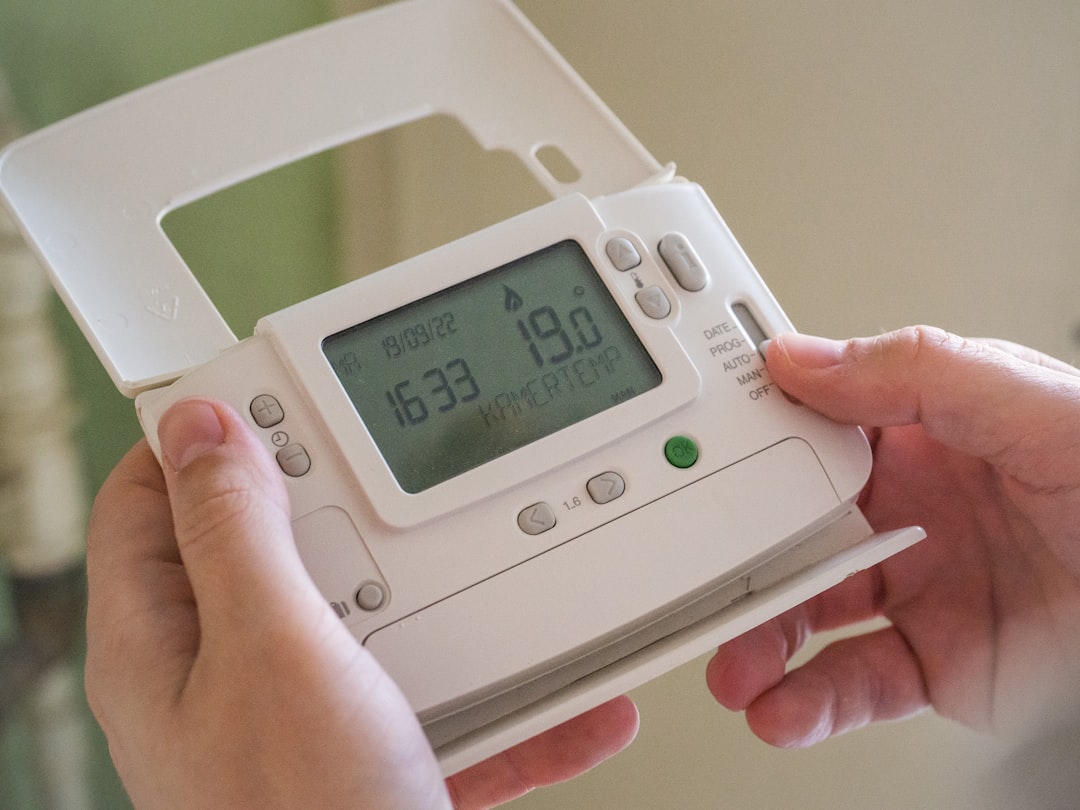
Smart heating systems integrate with other smart home devices to provide greater control and efficiency. These systems can track usage patterns and adjust heating accordingly. For example, smart thermostats such as the Ecobee or Nest can learn the homeowner's schedule, allowing for optimized heating that doesn’t waste energy when no one is home.
2.2 Advanced Heat Pumps
Heat pumps have gained traction as a viable heating solution in colder climates due to their efficiency. The latest models use variable refrigerant flow technology, allowing them to provide heating and cooling using less energy. Homeowners interested in sustainable solutions should consult our guide on heat pump selection for more details.
2.3 Hydrogen Boilers
Hydrogen boilers are emerging as a game-changer in heating technology. Unlike traditional gas boilers, hydrogen boilers emit only water vapor. While still in early adoption phases, homeowners should watch this technology as infrastructure develops. Getting familiar with hydrogen heating systems could be beneficial for future upgrades.
3. Cost-Saving Strategies
Investing in energy-efficient heating technologies can seem daunting due to upfront costs. However, several cost-saving strategies can ease this transition.
3.1 Leveraging Tax Credits and Rebates
Many local and federal programs offer tax credits and rebates for upgrading to energy-efficient systems. Homeowners should check resources like the Energy Star website for current incentives.
3.2 Implementing Smart Home Technologies
Smart home integration can maximize the effectiveness of energy-efficient heating systems. Using devices like smart plugs and occupancy sensors can help minimize energy waste. For more about smart home technologies, refer to our comprehensive guide.
3.3 Regular Maintenance
Regular maintenance of heating systems not only prolongs their lifespan but also enhances efficiency. Homeowners should invest in annual check-ups for their HVAC systems, ensuring they operate at optimal performance. For maintenance tips, check out our guide on HVAC maintenance best practices.
4. Sustainable Heating Practices
As sustainability becomes a larger concern for homeowners, integrating eco-friendly practices into heating solutions has become more critical. Innovations in this field are aimed at reducing emissions and using renewable energy sources.
4.1 Solar Heating Systems
Solar heating systems utilize solar panels to capture energy from the sun to heat household water and spaces. These systems can significantly offset energy costs, particularly in sunny regions. Homeowners can learn more through our article on solar heating options.
4.2 Biomass Heating
Biomass heating systems utilize organic materials to generate heat, providing an alternative to fossil fuels. This method is not only sustainable but can also offer substantial savings on energy bills. Explore our biomass heating guide for more insights.
4.3 Geothermal Heat Pumps
Geothermal heat pumps harness the earth’s stable temperature for heating and cooling. Although installation can be expensive, the long-term savings and reduced energy consumption make it a worthy investment. Learn more about geothermal systems as an option for your home.
5. Key Trends to Watch
Staying informed about emerging trends in energy-efficient heating can help homeowners make the best choices for their needs.
5.1 Enhanced Indoor Air Quality
Indoor air quality is now seen as just as crucial as heating efficiency. Innovations in filtration and ventilation systems aim to improve air quality while conserving energy. Homeowners should prioritize systems that incorporate advanced air purification technologies. Refer to our resources on improving indoor air quality.
5.2 Electrification of Heating Systems
Electrification refers to shifting away from fossil fuels to electric systems for heating. The growing availability of renewable energy sources makes this trend a focal point in sustainable heating strategies. For understanding the benefits of electrification, check out our article on electrification in HVAC.
5.3 Integration with Smart Home Solutions
The integration of heating systems with smart home technology is more than a trend, it’s becoming the norm. With compatibility in smart thermostats and home automation systems, energy management becomes intuitive. Explore how to get started with smart integration in your home.
6. Selecting the Right Heating System
When considering an upgrade, choosing the right heating system is critical. Here’s what to focus on:
6.1 Understanding Your Home’s Heating Needs
Before selecting a system, evaluate your home’s heating requirements based on size, insulation, and existing duct work. Homeowners often underestimate the importance of proper sizing in their heating systems.
6.2 Professional Consultations
Consulting with HVAC professionals can provide tailored advice based on your specific circumstances. They can help evaluate your current setup and recommend the best solutions. Our directory of local contractors is a good starting point for finding reliable help.
6.3 Cost-Benefit Analysis
Evaluate potential energy savings against installation costs. It’s essential to look beyond upfront expenses and consider the long-term savings energy-efficient systems offer. Using our comparative analysis on energy-saving technologies can help clarify your options.
7. Conclusion
Energy-efficient heating is at the forefront of modern home improvements, with exciting innovations continuing to reshape the landscape. From smart technologies to sustainable practices, the future of heating not only promises comfort but brings significant energy savings. Homeowners should stay informed and consider these advancements for their upcoming heating upgrades.
Frequently Asked Questions
1. What is energy-efficient heating?
Energy-efficient heating refers to systems and technologies designed to minimize energy consumption while providing effective heating solutions.
2. How can I make my existing heating system more efficient?
Regular maintenance, upgrading to smart thermostats, and ensuring adequate insulation can all improve your energy efficiency.
3. What are the benefits of using heat pumps?
Heat pumps are versatile, provide both heating and cooling, and generally have lower operating costs compared to traditional systems.
4. Are there financial incentives for upgrading my heating system?
Yes, many programs offer rebates and tax credits for installing energy-efficient heating systems. Check with local energy providers for specific programs.
5. How do I choose between different heating systems?
Consider factors such as home size, insulation quality, energy costs, and whether a particular system fits your budget for both installation and maintenance.
Related Reading
- Maximizing Your Solar Heating: A Comprehensive Guide - Explore how solar technology can reduce energy bills.
- Improving Indoor Air Quality for Better Health - Tips for ensuring fresh air while heating.
- The Future of Hydrogen Boilers: What Homeowners Need to Know - Learn about this environmentally friendly option.
- Choosing the Right Heat Pump: A Homeowner’s Guide - Step-by-step on selecting the perfect heat pump system.
- Understanding the Electrification of Heating Systems - The shift from gas to electric heating.