In the pursuit of a warm, comfortable home that cuts energy bills and boosts HVAC performance, insulation stands as a first line of defense. Proper home insulation ensures effective heat retention during cold months while supporting sustainable living practices. This comprehensive guide delves deep into energy-efficient insulation strategies for homeowners looking to minimize energy loss, improve heating efficacy, and save costs in the long run.
Understanding the Importance of Energy-Efficient Insulation
How Insulation Impacts Heating and Energy Costs
Heat loss in winter accounts for a significant portion of a household's energy consumption, driving up heating expenses. Installing energy-efficient insulation effectively reduces heat transfer through the building envelope—walls, roof, floors, and windows. This means your HVAC system doesn’t have to work overtime to maintain a comfortable temperature, directly lowering monthly energy bills.
Thermal Resistance and R-Values Explained
The key metric to assess insulation's effectiveness is its R-value, measuring thermal resistance. Higher R-values indicate better insulation capacity. However, R-value requirements vary by climate zones and the part of the home insulated. For example, attic insulation generally requires higher R-values to prevent warm air from escaping upwards.
Environmental Benefits of Enhanced Insulation
Energy-efficient insulation contributes to sustainable living by reducing fossil fuel consumption and greenhouse gas emissions. Modern insulation materials increasingly incorporate recycled content and eco-friendly manufacturing, aligning with broader environmental goals.
Types of Insulation: Materials and Applications
Fiberglass and Mineral Wool Batt Insulation
Fiberglass and mineral wool batts are common, cost-effective materials easy to install between studs and joists. They provide solid heat retention but require proper fitting to avoid gaps. Mineral wool offers superior fire resistance and soundproofing qualities.
Spray Foam Insulation: Superior Performance and Air Sealing
Spray foam expands to fill cavities fully, offering excellent air sealing and insulation combined. Its high R-value per inch helps in tight spaces and irregular surfaces. According to industry data, spray foam can reduce heating-related energy use by up to 20% more than batt insulation.
Rigid Foam Boards and Reflective Insulation
Rigid foam panels provide continuous insulation and moisture resistance, ideal for basement walls and exterior sheathing. Reflective insulation, often in attic spaces, uses radiant barriers to reduce heat transfer from sunlight, improving heat retention during winter when combined with traditional insulation layers.
Effective Areas to Insulate for Maximum Heat Retention
Attics and Roof Spaces
Heat rises, so uninsulated attics can lead to substantial energy loss. Prioritizing attic insulation with materials like blown-in cellulose or spray foam can significantly improve overall household efficiency.
Exterior Walls and Basements
Wall insulation reduces convective heat loss, especially in older homes with minimal or degraded insulation. Basements and crawl spaces should also be insulated to prevent cold air infiltration through foundations, complementing your home's heating system's performance.
Windows, Doors, and Air Sealing
Insulation is incomplete without sealing leaks around windows, doors, and vents. Weatherstripping, draft stoppers, and advanced window technologies (learn how to optimize installation tools) contribute significantly to heat retention and can be a cost-saving strategy by reducing HVAC burden.
Cost-Saving Strategies Through Insulation Upgrades
Assessing Existing Insulation and Energy Audits
Before upgrades, conduct a comprehensive energy audit to identify insulation gaps and air leaks. Many utilities offer free audits that pinpoint costly heat loss areas. This step prevents unnecessary expenses and targets investments where they matter most.
Selecting Insulation Materials with Longevity and Low Maintenance
Opt for materials that resist moisture, mold, and pest damage to extend lifespan and reduce replacement costs. Spray foam and rigid foam boards often outperform traditional fiberglass in these respects.
DIY Versus Professional Installation: Pros and Cons
While some insulation projects are DIY-friendly, complex installations—especially spray foam or wall cavity retrofits—require skilled technicians for safety and efficiency. For guidance on working with professionals, our article on personalized home renovations offers insights on balancing DIY with expert help.
Enhancing HVAC Performance Through Complementary Insulation Solutions
Integrating Insulation with Efficient Heating Systems
Upgraded insulation reduces HVAC load, allowing more efficient furnaces, boilers, or heat pumps to operate at optimal levels. Check out our top power tools buyer’s guide for installers focusing on HVAC and insulation synergy.
Smart Thermostats and Controls for Better Heat Management
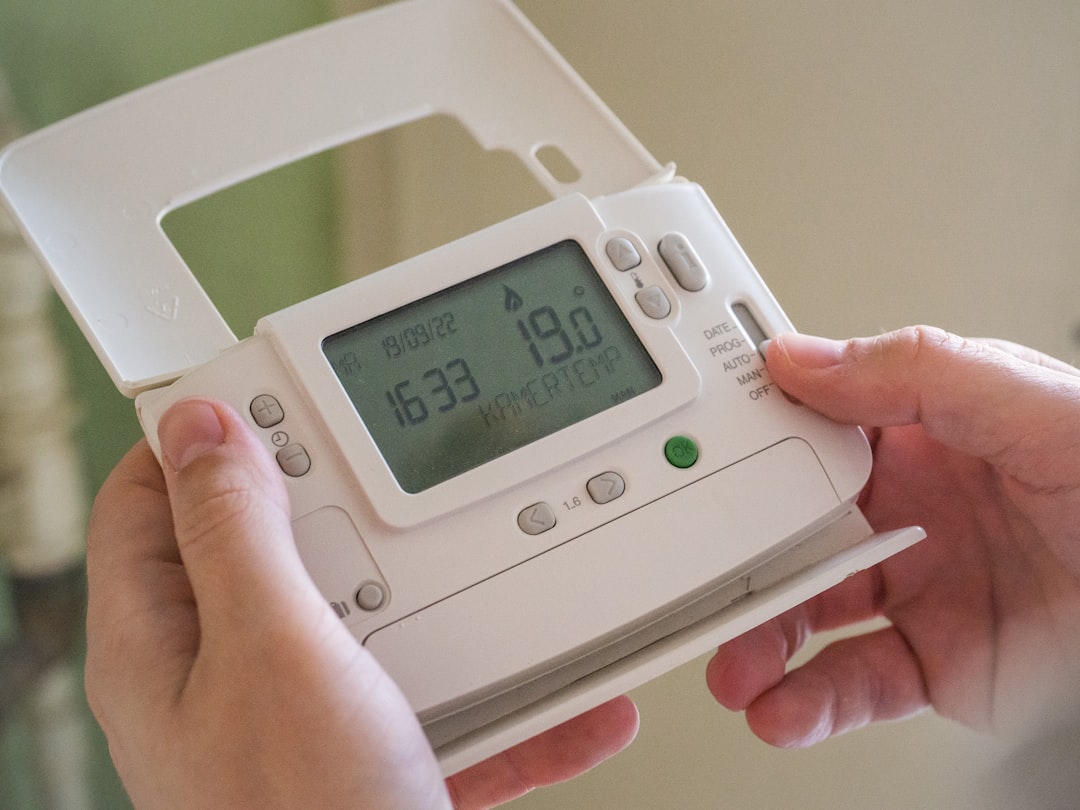
Installing smart thermostats enhances heat retention benefits by optimizing heating schedules and reducing waste. Pairing smart controls with solid insulation ensures your system runs only when needed for maximum cost-saving impact.
Ventilation and Indoor Air Quality Considerations
Increasing insulation tightness should be balanced with proper ventilation to maintain air quality. Our guide to ventilation best practices covers how to prevent moisture buildup while retaining warmth.
Innovations and Sustainable Trends in Home Insulation
Eco-Friendly Insulation Options
Newer insulation materials made from recycled denim, cellulose, and sheep’s wool reduce environmental impact and improve indoor comfort. These align well with sustainable living goals by lowering embodied energy.
Phase-Change Materials and Radiant Barriers
Emerging technologies such as phase-change materials (PCMs) absorb and release heat to stabilize indoor temperatures. Radiant barriers reflect heat back inside, especially effective in warmer climates where retrofit can modulate seasonal energy use.
Government Incentives and Rebates for Energy Efficiency
Many local and federal programs incentivize insulation upgrades through rebates or tax credits, helping offset upfront costs. Homeowners should research available grants to maximize return on investment.
DIY Tips for Boosting Home Insulation Effectiveness
Sealing Air Leaks Around Doors and Windows
Simple measures such as applying foam sealant, caulking cracks, or installing door sweeps can reduce drafts dramatically. These low-cost actions increase heat retention and complement insulation layers.
Adding Weatherstripping and Thermal Curtains
Thermal curtains block night-time heat loss through windows. Weatherstripping kits are affordable and straightforward projects to improve thermal comfort. For creative budget-conscious ideas, see cozy room setup under $100.
Maintaining Insulation for Longevity
Inspect insulation annually for moisture, pest damage, or compression. Keeping insulation dry and intact preserves R-values, maintaining your home's comfort and energy savings year-round.
Comparison Table: Common Insulation Types for Homeowners
| Insulation Type | R-Value per Inch | Cost per Sq Ft (Approx.) | Installation Complexity | Suitability | Environmental Impact |
|---|---|---|---|---|---|
| Fiberglass Batt | 2.9–3.8 | $0.40–$1.50 | Easy (DIY possible) | Walls, attics | Moderate (made from recycled glass) |
| Mineral Wool | 3.0–3.3 | $0.50–$2.00 | Moderate | Walls, fire-resistant needs | Good (natural stone base) |
| Spray Foam (Closed Cell) | 6.0–7.0 | $1.00–$3.00 | Professional installation required | Cavity walls, attics | Lower (uses blowing agents); check eco alternatives |
| Rigid Foam Board | 3.8–8.0 | $0.90–$2.50 | Moderate | Basements, exterior sheathing | Varies by type; usually petroleum-based |
| Cellulose (Blown In) | 3.1–3.8 | $0.60–$1.80 | Professional or DIY (with equipment) | Attics, wall cavities | High (recycled paper-based) |
Pro Tips from Industry Experts For the best energy savings, pair top-quality insulation with HVAC maintenance. This synergy optimizes system longevity and reduces emergency repairs. See our guide on the top power tools every installer should own to equip yourself or your contractor properly.
Common Questions & Answers About Home Insulation
What is the best insulation for cold climates?
Closed-cell spray foam and rigid foam boards are excellent for cold climates due to their high R-values and air-sealing properties. Combining these with traditional insulation in walls and attics enhances heat retention.
How often should insulation be replaced or upgraded?
Insulation can last 20-30 years but check annually for damage. Upgrades are recommended when R-values don’t meet current standards or when renovations expose walls and attics.
Does insulation help improve indoor air quality?
Indirectly, yes. Proper insulation reduces drafts and moisture intrusion, which can prevent mold growth. However, balanced ventilation is crucial to maintain fresh indoor air.
Can I install insulation myself?
Yes, many types like fiberglass batts or weatherstripping can be DIY. However, spray foam generally requires professional application due to chemical handling and equipment needs.
Are there rebates for insulation upgrades?
Many governments and utilities offer incentives. It’s wise to check local programs before beginning a project to maximize savings.
Conclusion: Maximizing Heat Retention for Year-Round Home Comfort
Energy-efficient insulation is a foundational step toward lowering heating costs and enhancing overall home comfort. By understanding materials, strategic installation areas, and sustainable choices, homeowners can make informed decisions that pay off for years. Coupling insulation upgrades with smart HVAC solutions provides a comprehensive pathway to savings and sustainability.
Related Reading
- Top 7 Power Tools Every Installer Should Own (2026 Buyer's Guide) - Equip yourself or professionals for efficient insulation work.
- DIY Remasters: Elevating Your Home's Charm Through Personalized Renovations - Balancing DIY efforts and professional help in home improvements.
- Cozy Room Setup Under $100: Smart Lamp, Hot-Water Bottle Alternatives - Budget ideas to enhance winter comfort alongside insulation.
- Ventilation Best Practices For Indoor Air Quality - Essential information on balancing insulation with healthy air flow.
- Selecting the Right Heat Pump for Your Home - Integrate your insulation improvements with efficient heating systems.