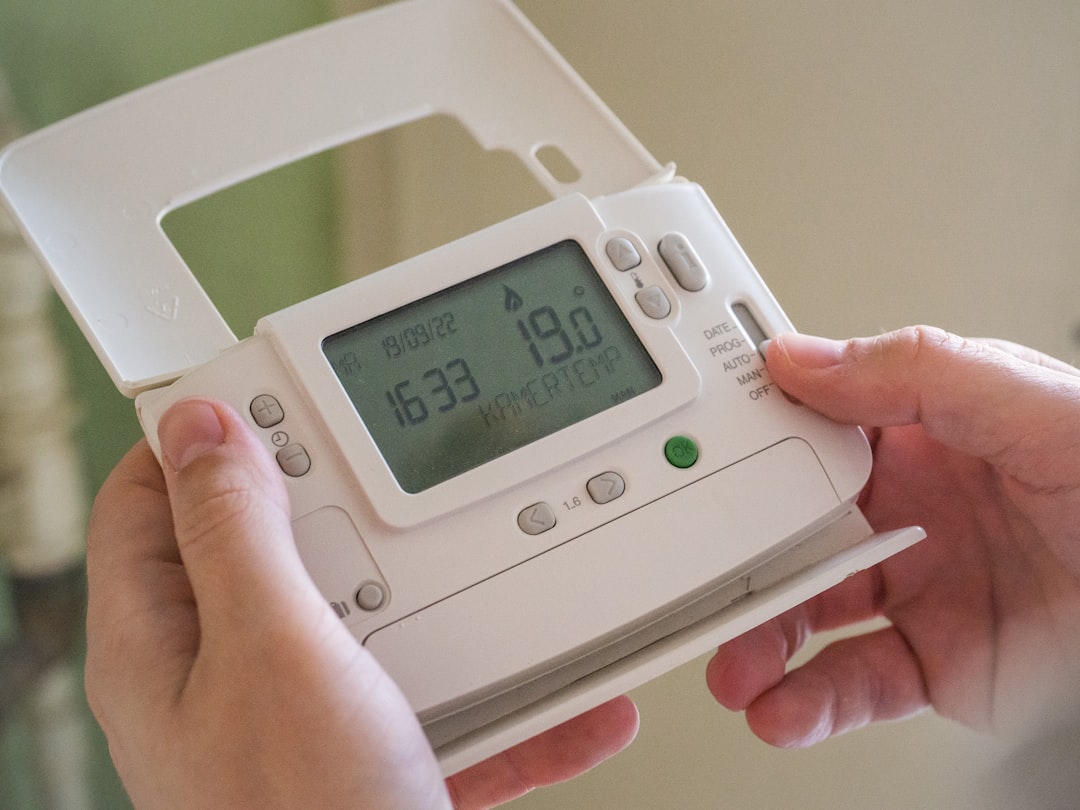
In the ever-evolving world of home automation, smart heating devices have made significant strides in enhancing HVAC performance, improving energy efficiency, and providing unparalleled control to homeowners. In 2026, a myriad of innovative products have emerged that promise to transform how we heat our homes. This field review explores the best smart home heating devices available this year, shedding light on their features, efficiencies, and usability to help you make informed decisions on the heating solutions that best fit your lifestyle.
The Rise of Smart Home Heating Technologies
Smart home technology is not just a trend; it’s a necessity for many homeowners looking to optimize energy usage and improve comfort. The emergence of smart thermostats, sensors, and connected heating devices has enabled users to manage their heating systems more efficiently. For instance, smart thermostats can learn your schedule and adjust heating based on when you’re home or away, leading to significant energy savings. In fact, according to the U.S. Department of Energy, these devices can save homeowners up to 10-15% on heating costs annually.
Benefits of Smart Heating Devices
- Energy Efficiency: Improved algorithms in smart devices optimize heating by minimizing energy waste.
- Remote Control: Many devices allow you to manage your heating from anywhere using a mobile app.
- Improved Comfort: Adjustments can be made quickly, ensuring your home remains at a comfortable temperature.
Top Smart Home Heating Devices of 2026
Now, let’s delve into some of the top-rated smart home heating devices of 2026 that are garnering attention for their advanced features and capabilities:
1. Nest Learning Thermostat (3rd Generation)
The Nest Learning Thermostat continues to lead the market, leveraging its ability to learn homeowners' preferences and schedule. This device adjusts automatically to optimize energy usage while providing a user-friendly interface through its corresponding app.
Key Features:
- Self-learning capabilities that adjust your heating based on historical data.
- Energy History reports that inform you how much energy you use and when.
- Integration with a wide range of smart home ecosystems.
Pros:
Highly efficient, easy installation, and robust app functionality.
Cons:
Relatively high upfront cost compared to basic thermostats.
2. Ecobee SmartThermostat with Voice Control
The Ecobee SmartThermostat stands out with its voice control capabilities, aligning perfectly with contemporary smart home systems. It utilizes remote sensors to measure temperature in different rooms, allowing for more precise heating control.
Key Features:
- Built-in Amazon Alexa for voice control.
- Room sensors that help balance temperatures in large spaces.
- Energy-saving modes automatically adjust settings based on occupancy.
Pros:
Excellent for large homes, voice-interactive, and good for energy management.
Cons:
Higher price point and requires Wi-Fi for full functionality.
3. Honeywell Home T9 Smart Thermostat
The Honeywell Home T9 is designed for homeowners looking for a blend of smart technology and compatibility with existing systems. Its Wi-Fi connectivity allows for easy integration into existing HVAC setups.
Key Features:
- Flexibility to control multiple heating zones.
- Smart room sensors to detect temperature preferences.
- Easy setup through the mobile app.
Pros:
Compatible with various HVAC systems, good mobile app support.
Cons:
Some users report a learning curve for app functionality.
Comparison Table of Smart Heating Devices
| Feature | Nest Learning Thermostat | Ecobee SmartThermostat | Honeywell Home T9 |
|---|---|---|---|
| Voice Control | No | Yes | No |
| Room Sensors | No | Included | Included |
| Learning Algorithm | Yes | No | Yes |
| User Interface | Touchscreen | Touchscreen | Touchscreen |
| Price Range | $$$ | $$$ | $$ |
How Smart Heating Devices Enhance HVAC Performance
By integrating smart heating devices, homeowners can significantly enhance their HVAC systems' efficiency and performance. These devices allow for precise temperature control, reducing unnecessary heating during unoccupied hours. For instance, smart thermostats paired with energy management systems can help identify peak usage hours and suggest optimal settings, thereby conserving energy.
Energy Efficiency and Cost Savings
One of the primary benefits of adopting smart heating technology is enhanced energy efficiency. Smart devices often come with features that track energy usage, allowing homeowners to see where they can cut costs. The Department of Energy indicates that optimizing heating and cooling systems can lead to energy savings of up to 30% in a typical household.
Integration with Home Automation Systems
Smart heating devices can sync with other components of a home automation system. For example, when connected with smart lights, the heating system can lower when the lights are off during the day, conserving energy further. For detailed insights into optimizing home automation, refer to our guide on improving home automation.
Improved Indoor Air Quality
In addition to temperature management, smart heating devices can also improve indoor air quality by ensuring proper ventilation and heating. Smart systems can work alongside air quality sensors to adjust heating based on humidity and air quality levels, ensuring a comfortable living environment. Maintaining both comfort and efficiency is crucial, as poor air quality can impair health.
Considerations When Choosing Smart Heating Devices
When evaluating smart heating devices, consider the following factors:
1. Compatibility with Existing Systems
Ensure that the smart device can function with your current HVAC system. Some products may only work with specific heating setups, limiting their compatibility.
2. Ease of Use and Installation
The installation process can vary significantly from one device to another. Reviewing user experiences can be helpful—check our HVAC installation tips to avoid common installation pitfalls.
3. Cost vs. Value
While some smart devices may have a higher upfront cost, their energy-saving capabilities often pay off in the long run. Evaluate the potential energy savings against the initial investment to determine if a product is right for you.
Expert Recommendations and User Experiences
According to a survey by the Consumer Reports, more than 75% of smart thermostat users reported significant energy savings over conventional setups. Many users praise the convenience and comfort these devices provide, often highlighting the ability to control heating remotely, adapting home temperatures to their schedules.
Conclusion
The smart home heating landscape in 2026 is characterized by innovative devices that not only help homeowners manage their heating more effectively but also promote energy efficiency and improve indoor air quality. As you explore options, consider your specific heating needs and how these devices can fit into your overall home automation system. By leveraging the intelligence of smart heating solutions, you stand to enjoy a more comfortable, energy-efficient home.
Frequently Asked Questions
1. What are smart heating devices?
Smart heating devices are technologically advanced products, like smart thermostats and sensors, that optimize heating based on user preferences and ambient conditions.
2. How do smart home heating devices save energy?
They automates heating adjustments based on occupancy and time, preventing energy waste and reducing heating costs by up to 30%.
3. Can I control smart heating devices remotely?
Yes, most smart heating devices can be managed via smartphone apps, allowing you to adjust settings from anywhere.
4. Are smart heating devices easy to install?
Installation difficulty varies by device. Many offer DIY installation, while some may require professional assistance.
5. How do I choose the right smart heating device for my home?
Consider compatibility with your existing HVAC system, ease of use, cost, and energy-saving features when selecting a device.
Related Reading
- Energy Saving Strategies - Explore our tips for saving energy through better heating practices.
- Smart Thermostat Comparison - A detailed comparison of top smart thermostats available today.
- Home Automation Guide - Understand how to integrate multiple smart devices into your home.
- Indoor Air Quality Tips - Enhance your living conditions by improving air quality through smart technology.
- HVAC System Types - Learn about various HVAC systems and how they function with smart devices.