A seasonal HVAC maintenance checklist helps you catch small furnace and heating-system problems before they become urgent repairs. Use this recurring tracker to record filter changes, thermostat tests, airflow observations, outdoor equipment checks, and professional tune-ups throughout the year.
Overview
Heating and cooling equipment needs attention before periods of heavy use, not only after comfort problems appear. A furnace that has been idle for months may have a dirty filter, blocked vent, weak battery, drainage issue, or component that needs professional inspection. Regular checks do not replace furnace repair when a system is unsafe or malfunctioning, but they can make problems easier to identify and explain.
Keep this checklist with your home-maintenance records. For every task, note the date, what you observed, and whether follow-up is needed. The same record can help a technician understand when a problem started and whether it is recurring.
For gas furnaces, boilers, heat pumps, and other systems, follow the manufacturer’s maintenance instructions first. Shut off power before performing any task that requires opening an equipment panel, and do not attempt work involving gas lines, combustion components, electrical connections, refrigerant, or safety controls.
What to track
Monthly: filter, airflow, and comfort
- Air filter: Record the installation date and inspect it monthly during periods of regular use. Replace it according to the equipment and filter manufacturer’s guidance, or sooner if it is visibly loaded with dust. A filter that is too restrictive for the system can also affect airflow, so use the size and type recommended for your equipment.
- Supply and return vents: Confirm that registers are open and not covered by furniture, rugs, curtains, or storage. Keep return grilles clear so the system can move air as designed.
- Room-to-room comfort: Note rooms that are consistently colder, warmer, draftier, or slower to reach the thermostat setting. A change in airflow can point to a blocked vent, duct problem, thermostat issue, or equipment concern.
- System sounds and smells: Record new rattling, scraping, banging, persistent buzzing, unusual cycling, or burning odors. A brief dusty smell when heating starts after a long idle period may be different from a continuing odor; when in doubt, turn the system off and request professional guidance.
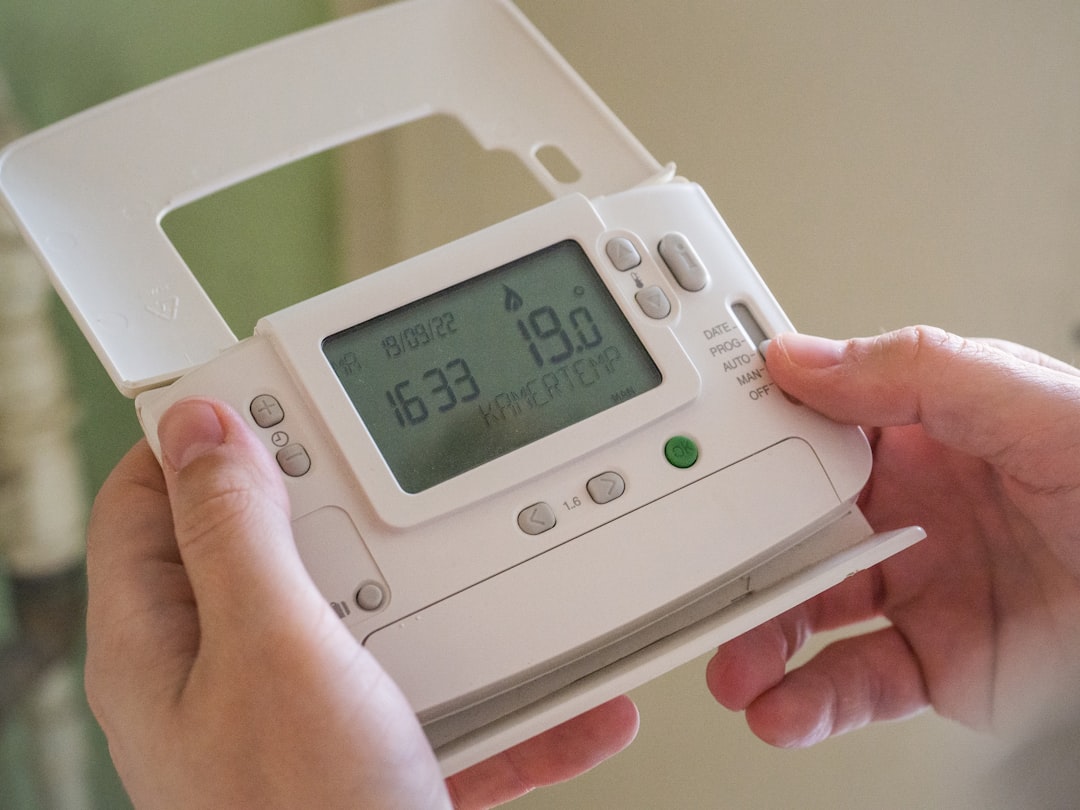
- Thermostat operation: Check that the display is readable, the programmed schedule is accurate, and the system responds when you make a small temperature adjustment. If the thermostat is not working, check its batteries when applicable, but do not open equipment controls to troubleshoot wiring.
Spring: prepare for cooling and inspect winter wear
After the heating season, record any issues you noticed while the furnace was operating. Include frequent cycling, uneven heat, delayed starts, unusual noise, rising energy use, or repeated calls for heating repair. These observations are useful during a spring or early-summer HVAC service visit, when there may be more time to address them before the next cold season.
- Replace or inspect the filter and note its condition.
- Clear leaves, grass, and other debris from around the outdoor air-conditioning unit without bending its fins or spraying water into electrical areas.
- Make sure the outdoor unit has open space around it and is not enclosed by stored items or overgrown vegetation.
- Check visible condensate tubing and the area near the indoor coil or air handler for signs of leakage. Do not pour cleaners into a drain unless the manufacturer or a qualified professional specifically recommends the product and method.
- Schedule an air-conditioning inspection if the system struggled to cool last year, tripped breakers, leaked, or produced unusual sounds.
Fall: prepare for furnace operation
Fall is the key checkpoint for furnace maintenance. Before the first sustained cold weather, test the thermostat in heating mode and confirm that warm air reaches the main living areas. If the system does not start, blows cool air, short-cycles, or produces a persistent unusual odor, stop repeated test attempts and arrange an inspection. The guide Why Is My Furnace Blowing Cold Air? can help organize basic observations before you call for service.
- Install a clean, correctly sized filter if the current one is due for replacement.
- Confirm that supply registers and return grilles are unobstructed.
- Check that exterior intake and exhaust openings, where present, are free of leaves, snow, nests, and other blockages.
- Test carbon monoxide alarms according to their instructions and replace batteries or the alarm when required. Never ignore an alarm; leave the home and contact emergency services or the appropriate utility emergency line if you suspect a dangerous condition.
- Book a professional seasonal HVAC tune-up, especially if the furnace is older, has missed maintenance, or showed symptoms during the previous winter.
Heating-season records
During winter, note the thermostat setting, comfort complaints, repair visits, error codes, and dates when the filter was changed. A sudden increase in heating use or a system that runs much longer than usual can justify an inspection. Compare observations with your own prior records rather than relying on a single day of weather or occupancy.
Cadence and checkpoints
Use the following schedule as a practical starting point, then adjust it for your equipment, household, pets, renovation work, and local weather:
- Monthly during active use: inspect the filter, vents, thermostat, and visible equipment area.
- At the end of winter: record furnace performance and unresolved heating symptoms.
- In spring: clear the outdoor cooling unit and check for condensate or drainage concerns.
- Before summer demand: test cooling and schedule service for weak airflow, leaks, poor temperature control, or unusual operation.
- In early fall: test heating, clear intake and exhaust openings, check alarms, and arrange a furnace tune-up if needed.
- After any repair or renovation: update the equipment record, filter size, service date, warranty information, and technician recommendations.
A maintenance plan may provide reminders or scheduled visits, but compare its tasks with your equipment manual and actual needs. A professional tune-up should be more than a filter change; ask what was inspected, what was found, and which items require immediate attention versus future monitoring. For more detail, see What to Expect During a Furnace Tune-Up.
How to interpret changes
One isolated observation does not always indicate a major fault, but a pattern deserves attention. If one room becomes colder over several weeks, track vent position, filter condition, thermostat location, and whether doors are usually open or closed. If the furnace cycles repeatedly, note outdoor conditions, thermostat settings, cycle timing, and any error message rather than resetting the system over and over.
Call for professional furnace repair when the unit will not start, repeatedly shuts down, cannot maintain a reasonable temperature, leaks water, makes a new mechanical noise, or shows signs of electrical or combustion trouble. Do not bypass a safety switch or continue operating equipment that creates smoke, a strong fuel odor, or a carbon monoxide concern. Leave the area and seek appropriate emergency help for suspected gas or carbon monoxide hazards.
Higher bills can result from weather, thermostat settings, occupancy, insulation, airflow, equipment condition, or utility changes. Use your maintenance log to identify when the change began, then review the high heating bill checklist before deciding whether replacement is necessary. Repeated repairs, poor comfort, and an aging system may justify a replacement conversation, but maintenance records help make that decision more informed.
When to revisit
Return to this checklist monthly while heating or cooling equipment is running regularly, at each seasonal change, and after any service visit. Revisit it immediately when comfort changes, a filter becomes dirty unusually quickly, the thermostat behaves differently, or the system develops a new sound or smell.
Keep a simple tracker with these fields:
- Date: when the check or service occurred.
- System: furnace, boiler, heat pump, air conditioner, or thermostat.
- Observation: filter condition, airflow, temperature response, noise, odor, leak, or error code.
- Action: cleaned, replaced, tested, scheduled, or left for monitoring.
- Follow-up date: the next monthly, seasonal, or professional checkpoint.
Set calendar reminders for the next filter inspection and fall furnace check. If the same symptom appears in two consecutive entries, move from monitoring to diagnosis by contacting a qualified HVAC professional. Consistent records will not prevent every breakdown, but they can help you arrange heating repair earlier, explain the problem clearly, and keep seasonal maintenance from being forgotten.