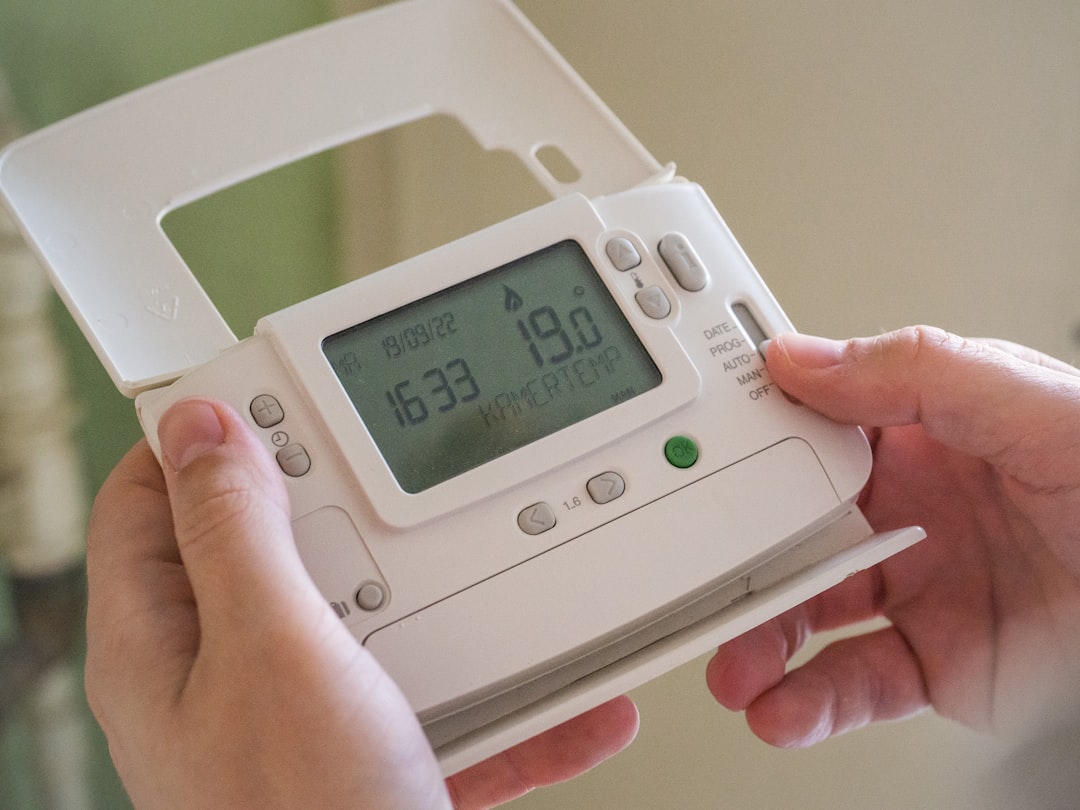
When delving into high-stakes sports competitions where fractions of a second or subtle changes in endurance can determine champions, temperature control doesn't just influence comfort — it drives performance. Athletes rely on precise body heat regulation, hydration, and recovery environments to maximize their physical and mental output. This realm of human excellence and exacting control systems offers an illuminating analogy for HVAC control systems in residential settings. Just as elite players fine-tune their heat and cooling strategies to gain an edge, modern smart thermostats and integrated HVAC controls can optimize energy efficiency and comfort management in our homes.
Section 1: The Critical Role of Temperature Control in Athlete Performance
Heat Regulation and Optimal Physiology
Elite athletes understand that maintaining body temperature within an optimum range directly impacts muscle efficiency, cognitive function, and endurance. Excess heat leads to fatigue and reduced accuracy in skill execution, while too cold an environment dampens flexibility and reaction times. For example, professional football players often warm up in climate-controlled environments to ensure muscle readiness and avoid injury — a practice echoed in team facilities managing athlete transfers and hydration. Their body's natural thermoregulation is a delicate control system that HVAC technologies aim to replicate at home for human comfort.
Advanced Cooling Techniques in Sports
Beyond ambient gym temperature, athletes use ice baths, cooling vests, and cryotherapy to reduce core temperature post-training rapidly. These interventions inform how localized control and zoning in HVAC can be applied in buildings: effective cooling isn’t about uniform temperature but tailored thermal zones responding to usage intensity—akin to post-exercise muscle cooling. The insight into performance recovery suggests that home heating and cooling systems can benefit from dynamic adjustments, much like athletes deploy different strategies depending on intensity and environmental conditions.
Temperature Control's Psychological Edge
Comfort also influences psychological states. Athletes compete under pressure, and thermal discomfort can exacerbate stress and impair decision-making. Research has shown that even minor deviations from thermal comfort can reduce cognitive function during game-critical moments. This is a crucial lesson for comfort management in homes, emphasizing precise temperature control to support wellbeing and mental clarity, especially in work-from-home or study environments.
Section 2: Parallels Between Athlete Heat Control and HVAC Systems
Feedback Loops and Adaptation
The human body features complex feedback loops—thermoreceptors detect temperature shifts, signaling the brain to initiate sweating or shivering. Similarly, sophisticated HVAC control systems use sensors to monitor indoor temperature and humidity, adjusting heating, ventilation, and air conditioning output dynamically. This mirrors how athletes' bodies continuously adapt to internal and external cues, optimizing performance. For an in-depth look at such HVAC technician tools and sensor technologies, explore our article on essential accessories that professionals use to improve system feedback.
Precision via Smart Thermostats
Athletes often rely on wearable tech with real-time biometrics to tweak training intensity and recovery. Correspondingly, smart thermostats enable homeowners to program precise temperature settings, sometimes integrating AI to learn daily habits and optimize energy use without sacrificing comfort. These devices embody the next generation of home integration, connecting HVAC to wider smart home ecosystems for adaptive control. See our detailed guide on how technology is influencing home comfort solutions for more examples.
Zone Control for Custom Comfort
Just as athletes selectively cool specific muscle groups, zoned HVAC systems allow differentiated temperature settings between rooms or floors. This focused approach reduces wasted energy and improves comfort, similar to how selective cooling expedites athletic recovery. Homeowners interested in zoning should consider a professional installation guided by expert insights from HVAC technician tips.
Section 3: Energy Efficiency Lessons from Athlete Heat Management
Reducing Heat Waste Like an Elite Competitor
Athletes optimize hydration and energy intake to avoid waste and enhance output. In HVAC terms, avoiding heat loss through poor insulation or inefficient control parallels an athlete’s avoidance of energy leaks in physiology. Improving duct sealing, adding insulation, or updating to high-efficiency boilers are akin to refining nutrition or training tactics. Learn how these home improvements interplay with control systems for maximum efficiency in our comprehensive article on top accessory tools and maintenance strategies for heating systems.
Smart Scheduling and Forecasting
Elite sports teams use weather forecasts and historical data to plan training sessions, avoiding extreme heat or cold. Similarly, modern HVAC systems adopt weather-responsive controls to anticipate heating or cooling needs, driving down energy consumption. Homeowners can automate this with smart thermostats capable of integrating local weather data, maximizing comfort and cost savings. For deeper insight, read how technology sectors including HVAC are evolving smart forecasting.
Behavioral Adaptation and Education
In sports, coaches educate athletes on pacing and self-regulation to avoid overheating or chilling. Similarly, homeowners benefit from understanding how behaviors impact energy usage—like altering thermostat setpoints or using programmable scheduling. Such education, combined with intuitive control systems, empowers users to achieve lower heating bills and improved home comfort. We recommend reviewing guide sections on finding reliable HVAC technicians and installers to maximize system use.
Section 4: How Smart Thermostats Revolutionize Home Comfort and Efficiency
Learning Algorithms and Adaptive Control
Smart thermostats leverage machine learning to adapt settings based on daily routines, weather, and occupancy patterns, paralleling athletes’ adaptation to training loads. This results in energy-efficient temperature management without manual intervention, allowing homeowners to effortlessly balance comfort and savings. Explore real-world examples of these devices transforming homes in our article on advanced smart home integration.
Remote Access and Real-Time Adjustments
Just as coaches or trainers remotely monitor athlete stats, homeowners can adjust HVAC systems via smartphone apps regardless of location, responding to lifestyle changes instantly. This flexibility improves satisfaction and system responsiveness. Our guide on setting up an optimal environment with smart gadgets illustrates parallels between wellness tech and HVAC controls.
Energy Usage Reports and Insightful Feedback
Feedback loops in athlete training involve constant data evaluation. Smart thermostats similarly provide detailed usage reports, identifying inefficiencies or opportunities to economize. This data transparency is essential for ongoing performance improvements at home. Homeowners can draw lessons from athletes’ data-driven training with the help of our article on HVAC technician tools for system diagnostics.
Section 5: Integration of HVAC Control Systems in the Smart Home Ecosystem
Connected Ecosystems for Comprehensive Comfort
Athletes do not train in isolation; they integrate nutrition, hydration, rest, and coaching. Similarly, HVAC systems increasingly integrate with lighting, security, and occupancy sensors, creating holistic smart home environments that adjust conditions dynamically. Learn more in our feature about the celebrity effect on smart home tech adoption.
Voice Control and Automation
Voice assistants now control thermostats, fans, and humidifiers, simplifying interactions and boosting convenience — akin to how coaches assist athletes' focus on execution. These interfaces make managing comfort effortless and accessible. For tips on simplifying daily routines, visit our article on creating perfect home yoga environments with smart gadgets.
Security and Privacy in Smart HVAC Controls
Like athlete health data that demands confidentiality, smart home HVAC systems handle sensitive occupancy and energy use data. Ensuring secure communications and trusted vendors is critical to maintain trust. We discuss best security practices for HVAC technology professionals which homeowners can adapt.
Section 6: Case Studies Linking Athlete Heat Management to HVAC Innovations
Case Study 1: Dynamic Zoning Inspired by Athlete Muscle Cooling
A prominent pro sports complex uses advanced HVAC zoning resembling athlete cooling strategies — delivering rapid, localized temperature adjustments. This approach inspired a residential installation in Seattle improving energy savings by 25%. For similar home applications, learn how unique home installations maximize comfort and efficiency.
Case Study 2: Smart Scheduling Driven by Athletic Training Cycles
A winter sports team employs weather and biometric forecasting to schedule indoor climate settings precisely, avoiding energy waste while maintaining peak recovery environments. Homes equipped with smart thermostats adopt this scheduling to reduce heating costs. Our expert guide on top HVAC technician tools assists homeowners in optimizing such setups.
Case Study 3: Psychological Comfort in Pressure Situations
Studies from high-pressure sports events highlight thermal comfort as a cognitive edge. Applying this insight at home, individuals tasked with mental work benefit from environments managed by smart HVAC controls for steady focus. Find implementation ideas in our home yoga environment planning article.
Section 7: Comparative Table – Traditional HVAC vs. Athlete-Inspired Smart HVAC Systems
| Aspect | Traditional HVAC Systems | Athlete-Inspired Smart HVAC Systems |
|---|---|---|
| Temperature Control | Fixed settings, manual adjustment | Adaptive, sensor-based dynamic zoning |
| Energy Efficiency | Moderate efficiency, potential waste | Optimized usage through learning algorithms |
| User Interaction | Manual thermostat control | Remote, voice, automated scheduling |
| Feedback Mechanism | Limited, mostly reactive | Continuous real-time data feedback |
| Integration | Standalone heating/cooling | Integrated with smart home ecosystems |
Section 8: Implementing Athlete-Level Control in Your Home HVAC
Step 1: Assess Your Home’s Thermal Zones
Begin by identifying different heating and cooling needs across your home — bedrooms, living spaces, basements, etc. Similar to athletes focusing on key muscle groups, zoning allows tailored temperature management.
Step 2: Upgrade to Smart Thermostats and Sensors
Invest in smart thermostats capable of learning and remote control. Pair them with temperature and occupancy sensors, which help fine-tune system response dynamically, mimicking athletic feedback loops.
Step 3: Connect HVAC to Smart Home Platforms
Integrate your HVAC with systems such as Google Home, Amazon Alexa, or Apple HomeKit for unified control — similar to how athletes synchronize wearable tech with coaching apps.
Step 4: Monitor Energy Consumption and Adjust
Use available data analytics to identify inefficiencies and optimize schedules for cost savings while maintaining comfort, just as athletes tweak training for maximum output.
Step 5: Engage Professionals for Installation and Maintenance
Reliable installation and regular servicing ensure your system continues to perform. Access expert advice on selecting trustworthy installers from resources like exploring job opportunities in unique homes.
FAQ: Frequently Asked Questions
1. How do smart thermostats improve energy efficiency?
Smart thermostats learn your schedule, adjust temperatures automatically, and use sensors to avoid heating or cooling empty rooms, reducing energy waste.
2. Can HVAC control systems mimic athlete thermoregulation effectively?
While not biological, HVAC control systems employ sensors and feedback loops that approximate the precision and adaptability found in athlete heat regulation.
3. What is the benefit of zoning in HVAC?
Zoning delivers customized comfort in different rooms and reduces energy consumption by focusing effort only where needed.
4. Are there security concerns with smart HVAC integration?
Yes, it is vital to use secure networks, trusted brands, and maintain updated firmware to protect privacy and data integrity.
5. How can homeowners find reliable HVAC technicians?
Look for certified professionals with positive reviews and consult resources like trusted home installation guides and directories.
Related Reading
- Top Accessories for HVAC Technicians - Essential tools and gadgets that enhance HVAC performance and service efficiency.
- Setting Up the Perfect Home Yoga Environment - Guide on using smart gadgets to create relaxing, comfortable spaces.
- Exploring Job Opportunities in Unique $1 Million Homes - Insights into specialized HVAC work in luxury homes.
- The Celebrity Effect on Culture - Examining how athletes shape trends in technology and lifestyle.
- Game Night Essentials - Creating perfect home environments for entertainment and comfort.