Every homeowner understands the dread of a heating system failure when the temperatures drop — sudden, inconvenient, and costly. Similarly, in the world of elite sports, when a star like Giannis Antetokounmpo suffers an injury, it signals a forced pause requiring patience, recovery, and crucial preventative care to return stronger. Giannis's injury timeline offers a profound metaphor for homeowners managing home heating maintenance. This guide dives deep into how preventative care in HVAC systems parallels athlete injury recovery — emphasizing why regular checkups, timely servicing, and proactive problem-solving save you from costly unexpected breakdowns.
Understanding the Parallels: Giannis’s Injury and HVAC System Health
Giannis Antetokounmpo’s Injury Timeline
Giannis’s recovery timeline, marked by diagnosis, rest, focused rehabilitation, and gradual return, underscores discipline and attention to detail. The NBA star's injury didn't only halt his performance but demanded a structured recovery, showcasing that ignoring early signs or rushing back can lead to setbacks. For HVAC systems, the analogy is clear: ignoring warning signs or skipping scheduled maintenance invites breakdowns just when you need reliable heat the most.
HVAC Maintenance as Preventative Care
Much like an athlete relies on physiotherapy, conditioning, and rest to maintain peak form, your home heating system needs periodic inspection, cleaning, and repair to function optimally. Skipping maintenance risks reduced efficiency, high energy bills, or sudden collapse during the coldest days, akin to an athlete playing injured and risking a longer recovery.
Why Homeowners Should Take Note
According to the U.S. Department of Energy, regular HVAC maintenance can improve efficiency by up to 15%, resulting in significant cost savings. Homeowners must learn from the sports world’s approach to injury management by preemptively caring for their heating systems, avoiding emergencies like short-notice repair calls, often at premium costs.
Section 1: Key Symptoms of a Heating System Needing Maintenance
Recognizing Warning Signs Early
Just as athletes notice minor aches signaling bigger injuries, homeowners should watch out for signs like inconsistent heating, strange noises, or rising energy bills, which hint at system stress. Identifying these early reduces risks dramatically.
Common HVAC Symptoms to Monitor
Loud banging or rattling, uneven heat distribution, or furnace cycling on and off too frequently all signal maintenance needs. These mirror how Giannis’s body sends notice before a serious injury — a cue to pause and diagnose.
Data-Driven Approach to Early Detection
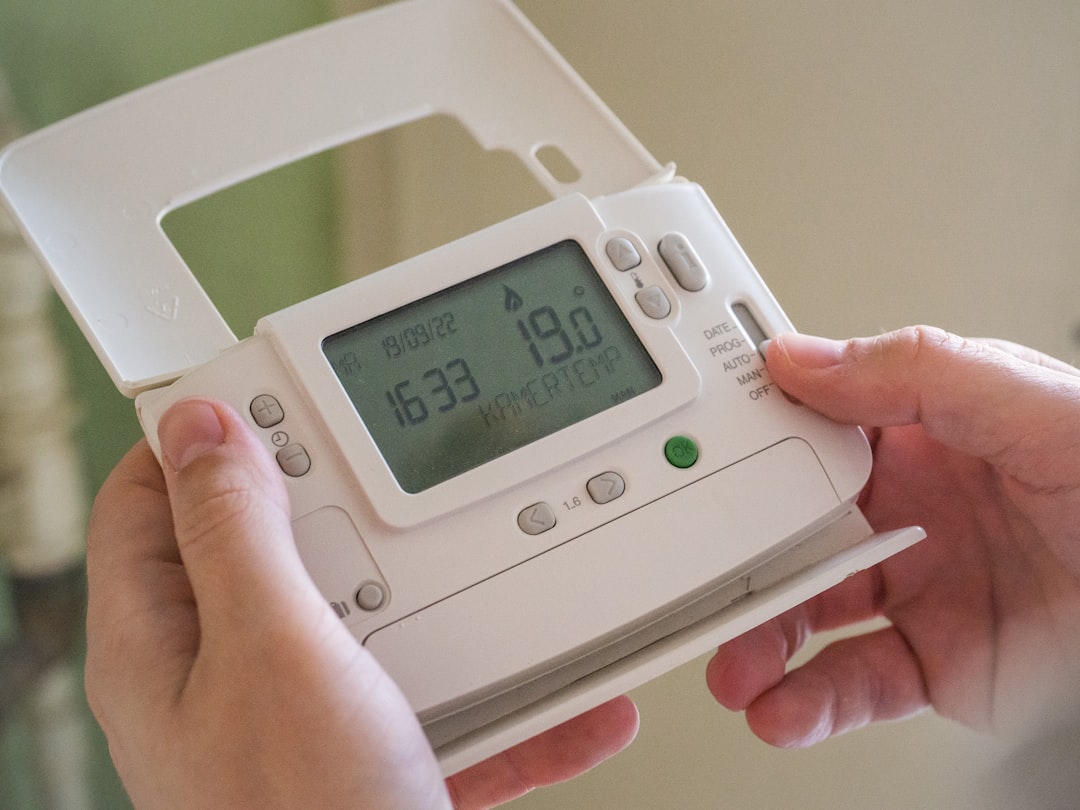
Using smart thermostats or diagnostic tools can track HVAC anomalies proactively, similar to how sports science monitors player biometrics. Explore this in our guide to smart thermostat benefits for maintaining system health.
Section 2: The Importance of Regular System Checkups
Scheduled Maintenance Saves Money
Annual or biannual HVAC servicing uncovers potential issues like filter clogs, worn belts, or carbon monoxide leaks before they escalate. This practice is akin to Giannis’s routine physiotherapy sessions aimed at injury prevention.
Key Maintenance Tasks Every Homeowner Should Know
Tasks include filter replacement, duct cleaning, checking electrical connections, and thermostat calibration. Our article on essential HVAC maintenance tasks breaks these down comprehensively.
Choosing Professional HVAC Technicians
Finding reliable, vetted HVAC installers and technicians ensures quality service. Like Giannis trusts his medical team, entrust your heating system only to experts who follow industry standards.
Section 3: Energy Efficiency Through Maintenance
How Clean Systems Save Energy
Dirty filters and blocked ducts strain components, increasing electricity consumption – much like how an athlete under physical duress performs inefficiently. Keeping your system clean boosts energy efficiency and reduces bills.
Technological Upgrades With Maintenance
Upgrading to modern, energy-efficient components during maintenance can dramatically improve heating performance. Learn more about these options in energy-saving upgrades.
Financial Incentives for Efficiency
Federal and local programs sometimes provide rebates for maintaining or upgrading HVAC systems, effectively rewarding proactive care. Check out our rebates and incentives guide to maximize savings.
Section 4: Case Study: Avoiding Heating Failures Like an Athlete Avoids Re-Injury
Real-World Homeowner Lessons
Consider a homeowner who ignored consistent furnace noises during winter. The system failed mid-January, requiring emergency repairs costing over $1,200 — an avoidable scenario mirroring athletes rushing back without proper healing.
Proactive Solutions Applied
Regular inspections and preventative replacements (like heat exchangers or ignition systems) prevented similar failures in other homes. This approach mirrors how Giannis uses targeted rehabilitation to avoid reinjury and prolong his career.
Expert Advice from Technicians
Our interviews with local HVAC professionals highlight that pre-winter checkups can reduce breakdown risks by 80%, emphasizing that investing time and money early yields long-term comfort and savings.
Section 5: DIY Maintenance Tips for Homeowners
Safely Checking Your Heating System
Homeowners can perform simple tasks such as regularly changing filters, cleaning around vents, and ensuring thermostat batteries are fresh. However, advanced inspections should be left to technicians.
When to Call the Experts
If you notice persistent odd noises, flame color changes, or pilot light issues, it's crucial to schedule professional servicing immediately to avoid hazards like carbon monoxide leaks.
Useful Tools for Maintenance
A simple hygrometer to monitor indoor humidity, a quality filter replacement kit, and a basic furnace inspection checklist are excellent starting points. Refer to our DIY HVAC maintenance guide for step-by-step instructions.
Section 6: Indoor Air Quality and Heating System Maintenance
Link Between Heating and Air Quality
A well-maintained heating system promotes better indoor air quality by reducing dust, mold spores, and allergens circulating indoors — particularly important for households with children or asthma sufferers.
Advanced Filtration Systems
Installing HEPA filters or UV light purifiers during maintenance upgrades enhances indoor air quality significantly. Learn more about this in our indoor air quality with heating systems feature.
Ventilation Maintenance
Regular duct cleaning and vent inspection prevent stale air buildup. This aligns with the holistic approach to athlete wellness — considering environment and equipment for optimal performance.
Section 7: Preparing Your Heating System for Seasonal Changes
Summer Shutdown to Winter Startup
The transition months are critical times for HVAC systems. Performing end-of-season maintenance prevents startup issues, analogous to off-season conditioning regimes that keep athletes like Giannis in shape year-round.
Checklist for Seasonal Prep
Flush condensate lines, inspect heat exchangers, and test emergency shutoffs before the cold months. Our seasonal preparation checklist helps you cover essential bases effortlessly.
Scheduling Maintenance for Optimal Timing
Book your HVAC tune-up before peak heating season begins to avoid technician availability bottlenecks or expensive emergency fixes mid-winter.
Section 8: Financial Benefits of Preventative HVAC Maintenance
Reduced Repair Costs
Paying for scheduled maintenance costs only a fraction of emergency repair bills. Data shows that untreated HVAC issues can lead to component failures costing hundreds, sometimes thousands of dollars more.
Lower Energy Bills
Efficiently running systems consume less fuel or electricity, translating into noticeable monthly savings. Our analysis in lowering heating bills tips highlights actionable energy-saving strategies.
Extended Equipment Lifespan
Just as proper injury management extends an athlete’s career, regular maintenance extends the lifespan of your home heating system by 20-30% — protecting your investment over time.
Section 9: Choosing the Right Heating System and Maintenance Plan
Comparing Furnaces, Boilers, and Heat Pumps
Each heating system type has unique maintenance needs and efficiencies. See the detailed comparison table below for a breakdown of costs, maintenance tasks, and typical lifespan.
| Heating System | Maintenance Frequency | Typical Lifespan | Energy Efficiency | Common Issues |
|---|---|---|---|---|
| Furnaces | Annual inspection + filter changes every 1-3 months | 15–20 years | High (especially with AFUE rating >90%) | Ignition problems, clogged filters, pilot light failure |
| Boilers | Yearly inspection + cleaning | 20–30 years | Moderate to High | Leaks, sediment buildup, pressure issues |
| Heat Pumps | Biannual tune-ups | 10–15 years | Very high (dual heating/cooling) | Refrigerant leaks, compressor failure, coil freezing |
Selecting a Maintenance Plan
Many HVAC companies offer yearly plans for maintenance, which include inspections, priority service, and discounted repairs. Choosing a plan customized for your heating type ensures coverage for all critical components.
Aligning HVAC Choices with Local Climate
Understanding your regional climate helps pick the best heating system and maintenance strategies. For cold climates, robust furnaces with frequent inspections are essential, whereas moderate zones might benefit from heat pumps with different upkeep.
Section 10: Final Takeaways: Don’t Wait for Your System to Be Injured
Giannis Antetokounmpo’s injury story emphasizes the cost of neglecting early signs and rushing recovery—mirroring the perils of ignoring home heating maintenance. Being proactive with your HVAC saves money, energy, and the discomfort of sudden system failure.
Pro Tip: Schedule HVAC maintenance in early fall; avoid peak demand and enjoy prompt service from vetted technicians.
Implement a maintenance schedule using checklists, invest in professional inspections, and learn simple DIY tips. In doing so, you ensure your home's comfort and efficiency throughout the season.
Frequently Asked Questions
1. How often should I schedule heating system maintenance?
Ideally, an annual professional checkup is recommended, with filter changes every 1-3 months depending on system type and usage.
2. Can I perform HVAC maintenance myself?
Simple tasks like changing filters and cleaning around vents are safe, but comprehensive inspections should be left to qualified professionals.
3. What are common signs my heating system needs repair?
Unusual noises, higher energy bills, uneven heating, and frequent cycling on and off are warning signs.
4. How does HVAC maintenance impact energy bills?
Clean and well-tuned heating systems operate more efficiently, reducing energy consumption by up to 15% or more.
5. Are there financial benefits for regular HVAC maintenance?
Yes. Regular upkeep reduces emergency repair costs, extends equipment lifespan, and may qualify you for rebates or incentives.
Related Reading
- Essential HVAC Maintenance Checklist - Step-by-step guide to keep your heating system in top condition.
- How to Find Vetted HVAC Installers Near You - Tips for selecting reliable professionals for your home heating system.
- Lowering Your Heating Bills: Expert Tips - Practical actions homeowners can take to slash high energy costs.
- Improving Indoor Air Quality with Your Heating System - How maintenance can protect your family’s health.
- Energy Saving Upgrades for Home Heating Systems - Enhance efficiency with smart upgrades.