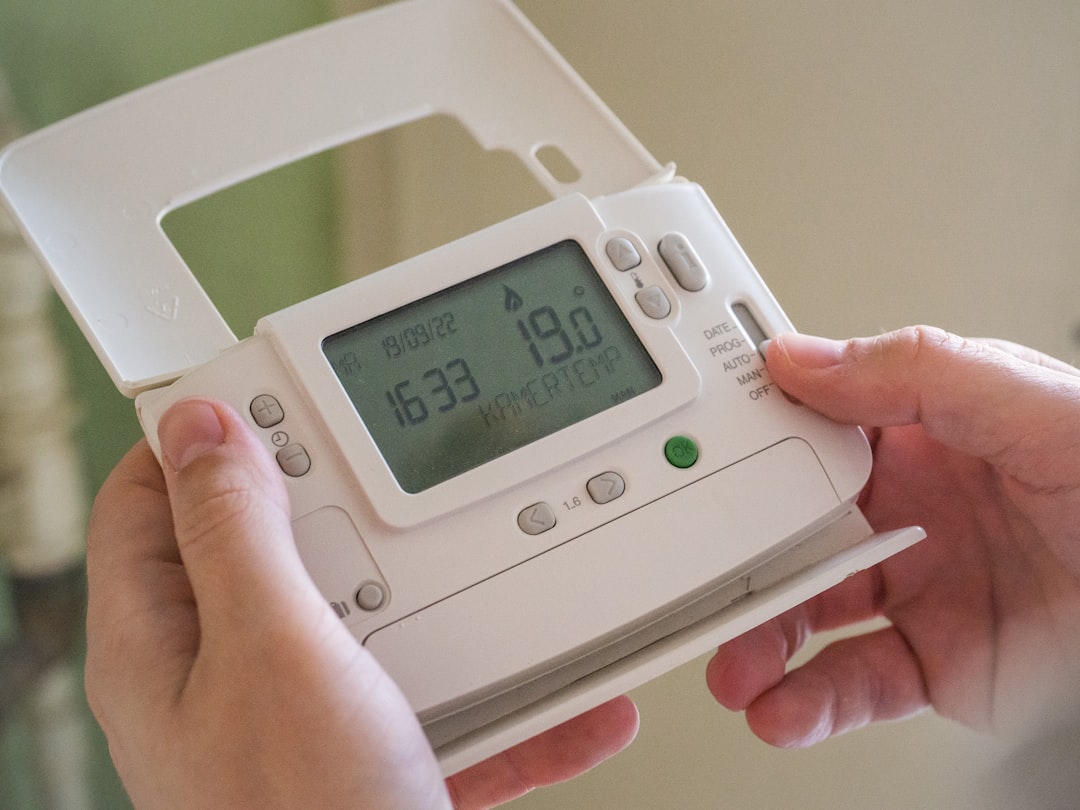
Maintaining optimal indoor air quality is an increasingly essential part of home comfort and health. As homeowners seek to lower energy costs and improve living conditions, integrating smart home integration with existing HVAC systems offers a transformative way to actively monitor and manage indoor air quality. This definitive guide explores the technology behind indoor air quality monitors, how they connect with smart homes, and practical strategies to optimize your environment for better ventilation, health, and comfort.
Understanding Indoor Air Quality and Its Importance
What Constitutes Indoor Air Quality?
Indoor air quality (IAQ) refers to the cleanliness and healthfulness of the air inside your home, influenced by pollutants like dust, allergens, volatile organic compounds (VOCs), and microbes. Poor IAQ can contribute to respiratory issues, allergies, and overall discomfort, making it critical for homeowners to take proactive measures. For an in-depth look at seasonal HVAC maintenance and its role in air quality, our detailed guide covers essential steps every homeowner should follow.
The Health Benefits of Monitoring Air Quality
Continuous monitoring can identify pollutant spikes, humidity imbalances, and inadequate ventilation, allowing timely intervention that protects health. According to recent studies, improved IAQ reduces asthma symptoms and lowers the prevalence of respiratory infections, especially among vulnerable populations like children and the elderly.
How Ventilation Influences IAQ
Ventilation dilutes indoor pollutants by exchanging stale indoor air with fresh outdoor air. Poor ventilation traps contaminants, worsening indoor air quality. Modern HVAC systems equipped with smart ventilation controls can dynamically adjust airflow for optimal IAQ and energy savings, a topic we explore in our piece on home energy management with smart tech.
What Are Indoor Air Quality Monitors?
Types and Key Features
Indoor air quality monitors measure parameters like particulate matter (PM2.5 and PM10), carbon dioxide (CO2), carbon monoxide (CO), humidity, temperature, and VOCs. Advanced models include formaldehyde and radon sensors. The ability to measure multiple pollutants accurately distinguishes high-end monitors from basic detectors.
Popular Technologies in IAQ Monitoring
Optical particle counters track particulate levels, electrochemical sensors detect gases, and metal oxide sensors sense VOCs. Many devices combine multiple sensor types for comprehensive air quality assessment. Modern IAQ monitors also feature Wi-Fi and Bluetooth connectivity, enabling remote access and control through smart devices.
Real-World Examples and Case Studies
Smart IAQ devices like the Awair Element and Airthings Wave Plus have demonstrated significant success in residential settings — users report reduced allergy flare-ups and noticeable comfort improvements. Integration case studies in smart homes highlight how homeowners lowered energy bills by automating HVAC responses to IAQ data, as discussed in our article on future home energy management trends.
Benefits of Integrating IAQ Monitors with Smart Home Systems
Seamless Control and Automation
Integrating IAQ monitors with smart thermostats and zoning systems lets you automate venting and filtration based on real-time data. For example, when PM2.5 rises above safe levels, your HVAC can increase filtration speed or activate exhaust fans automatically. This synergy is central to maximizing smart home 101 enhancements.
Energy Efficiency and Cost Savings
Smart integration prevents overuse of heating, cooling, or ventilation by responding only when IAQ deteriorates, conserving energy and reducing monthly heating or cooling bills. Our seasonal HVAC cleaning guide also emphasizes efficiency gains attainable through automation.
Enhanced Home Comfort and Health
Dynamic IAQ management ensures temperature and humidity remain balanced while pollutants are minimized, creating an environment tailored to occupant needs. A smart home system can also alert users to filter replacements or maintenance issues, preventing neglect that often leads to air quality degradation.
How to Choose the Right IAQ Monitor for Your Home
Compatibility with Existing HVAC and Smart Devices
Check that IAQ monitors support connectivity protocols your system uses, such as Wi-Fi, Zigbee, or Z-Wave. Compatibility enhances integration capabilities with smart thermostats, home assistants, and HVAC controls.
Sensor Accuracy and Range
Select monitors certified for accuracy across key pollutants relevant to your home, considering local pollution sources and allergies. Use reviews and authoritative comparisons to evaluate models before purchase.
User Interface and Notifications
A clear, intuitive app and configurable alerts help homeowners respond promptly to air quality declines. Some devices offer voice assistant integration providing hands-free updates.
Step-by-Step: Integrating IAQ Monitors into Your Smart Home
Assess Your Existing HVAC and Smart Ecosystem
Inventory current HVAC equipment and smart devices. Identify control hubs (e.g., Google Home, Amazon Alexa, Apple HomeKit) for streamlined integration. For detailed HVAC system overviews, see our homeowner’s HVAC seasonal checklist.
Select and Install Your IAQ Monitor
Position monitors in frequently used areas, away from vents or windows to avoid skewed readings. Follow manufacturer installation instructions carefully. Many monitors include mounting kits and setup wizards for ease.
Configure Automation and Alerts
Use your smart home hub’s app to integrate the monitor. Set thresholds for pollutants, specify actions (like boosting ventilation), and enable notifications for abnormal readings.
Practical Tips to Maximize Effectiveness
Combine IAQ Monitoring with HVAC Maintenance
Regularly clean and replace HVAC filters to complement monitoring efforts. Our extensive guide on seasonal heating system upkeep offers best practices that ensure optimal air flow and cleaner air.
Use Smart Ventilation Controls
Consider smart vents and exhaust fans that adjust dynamically based on IAQ data, ensuring targeted airflow and pollutant removal only when needed.
Leverage Data for Lifestyle Adjustments
Analyze collected air quality trends to identify pollutant sources such as cooking fumes or pet dander, then adopt lifestyle changes or air cleaning strategies accordingly.
Comparison of Top IAQ Monitors for Smart Home Integration
| Feature | Awair Element | Airthings Wave Plus | IQAir AirVisual Pro | Foobot | Eve Room |
|---|---|---|---|---|---|
| Measured Pollutants | PM2.5, CO2, VOCs, Temp, Humidity | Radon, CO2, PM2.5, VOCs, Temp, Humidity | PM2.5, CO2, Temp, Humidity | PM2.5, VOCs, CO2, Temp, Humidity | VOC, Temp, Humidity |
| Smart Home Compatibility | Alexa, Google, Apple HomeKit | Alexa, Google | Google Assistant, Alexa | Alexa, Google Assistant | Apple HomeKit |
| Connectivity | Wi-Fi, Bluetooth | Bluetooth, Wi-Fi (with hub) | Wi-Fi | Wi-Fi | Bluetooth |
| Mobile App | Awair app | Airthings app | AirVisual app | Foobot app | Eve app |
| Price Range | $$ | $$$ | $$$ | $$ | $ |
Pro Tip: Choose an IAQ monitor based on your HVAC system and preferred home assistant platform to ensure seamless automation and control.
Common Challenges and Solutions
Sensor Calibration and Accuracy Issues
Some IAQ sensors degrade over time, leading to inaccurate data. Regular calibration or selecting models with auto-calibration features can mitigate this. Check manufacturer recommendations for maintenance intervals.
Interference from Environmental Factors
Placing monitors where direct sunlight, drafts, or cooking fumes dominate can cause false readings. Strategic placement is vital to capturing representative data.
Data Privacy and Security Considerations
Be mindful of how IAQ data is stored and transmitted. Use devices from reputable brands offering encrypted connections and data controls to maintain trustworthiness, a key SEO principle. Our piece on Bluetooth security sheds light on safeguarding smart home devices.
The Future of Indoor Air Quality and Smart Homes
Emerging AI and Predictive Analytics
Next-generation IAQ systems will leverage artificial intelligence to predict air quality changes and optimize ventilation preemptively. Learn more about AI trends in smart technology in our article on leveraging AI tools.
Integration with Energy Management Systems
The fusion of IAQ monitors with home energy management platforms enables holistic control of comfort, health, and cost-efficiency, a synergy explored thoroughly in our feature on home energy management.
Expanded Sensor Arrays and Health Monitoring
Future devices may integrate biometric sensors and environmental data to provide fully personalized living spaces targeting both health and wellness.
Frequently Asked Questions (FAQ)
1. Can IAQ monitors work with all HVAC systems?
Most IAQ monitors work independently but integrating them for automation requires compatible smart thermostats or control hubs. Confirm compatibility during purchase.
2. How often should IAQ sensors be calibrated?
Calibration frequency varies by model, with some requiring yearly servicing and others featuring automatic calibration to maintain accuracy.
3. Will IAQ monitoring increase my energy costs?
Proper integration can reduce energy usage by optimizing ventilation only when needed, often lowering overall costs.
4. Can IAQ devices detect mold or allergens?
Direct mold detection requires specialized devices, but some IAQ monitors measure humidity and VOC levels indicative of mold risk.
5. Are IAQ monitors easy to install and use?
Many modern devices offer user-friendly apps and plug-and-play installation, ideal for homeowners without technical expertise.
Related Reading
- The Importance of Seasonal Cleaning for Your HVAC System: A Homeowner’s Checklist - Essential steps to prepare your heating system for optimal performance.
- Smart Home 101: Enhancing Your Living Space for Maximum Value - How smart devices add value and comfort to your home.
- The Future of Home Energy Management: Integrating Smart Tech with Solar - Trends in smart energy systems that complement indoor air quality management.
- The Dark Side of Convenience: Protecting Your Data with Enhanced Bluetooth Security - Insights into securing smart devices.
- Leveraging AI Tools for Streamlined Content Creation - Understanding AI-driven innovations that impact smart home technology.