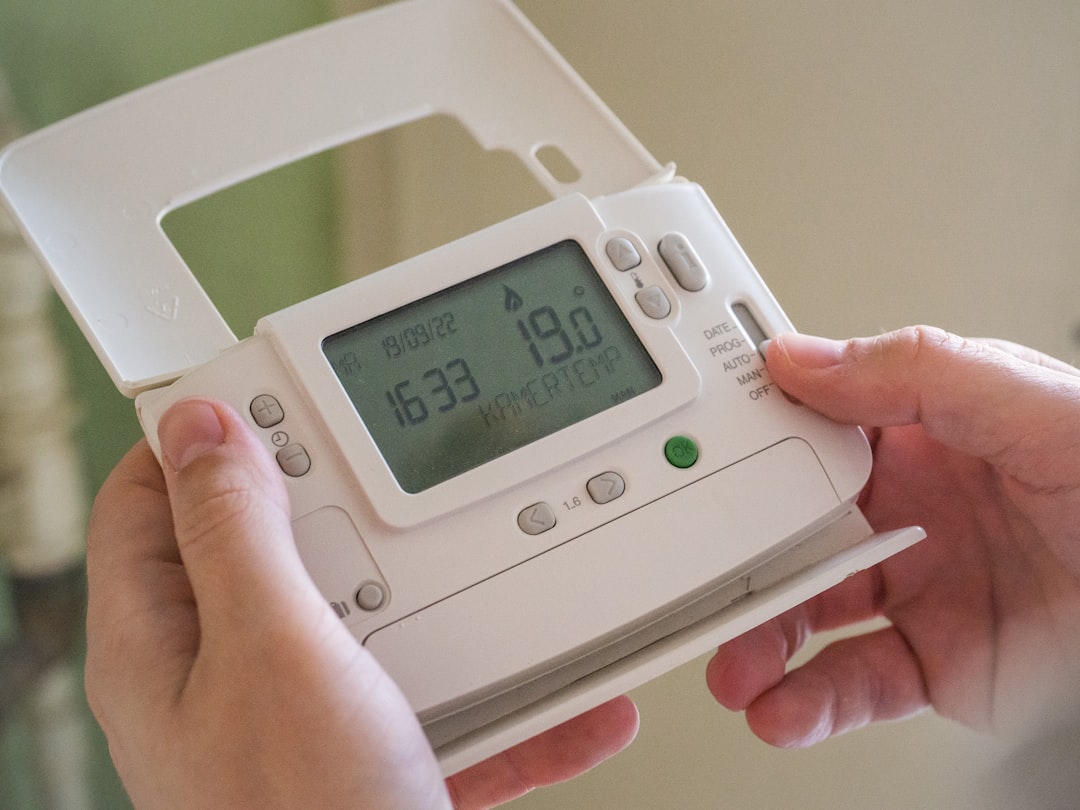
No heat in the house can feel urgent fast, especially on a cold morning or overnight when indoor temperatures drop by the hour. This checklist is designed to help you move through the most common causes of a heater not working before you book emergency heating repair. It is not a substitute for professional diagnosis, and it is not a guide for opening equipment panels or attempting unsafe repairs. Instead, it gives you a calm, step-by-step way to rule out simple issues, protect the system from avoidable strain, and know when same-day help is the right next move.
Overview
If your furnace is not turning on or your home has no heat, the most useful first step is to identify what kind of failure you are dealing with. “No heat” can mean several different things:
- The system will not start at all.
- The blower runs, but the air is cool.
- One part of the home has heat, but other rooms do not.
- The heat comes on briefly, then shuts off.
- The thermostat looks normal, but the house keeps getting colder.
Those symptoms point to different causes, and the fastest troubleshooting starts with the simplest checks. Many heating repair calls begin with an issue outside the furnace itself: thermostat settings, a tripped breaker, a clogged filter, a closed vent, or a fuel supply interruption. For renters, this checklist is also useful because it can help you gather clear information before calling a landlord or property manager.
Before you begin, keep three safety rules in mind:
- If you smell gas, leave the area, avoid switches or flames, and contact your gas utility or emergency services from outside.
- If you see smoke, sparks, scorching, or signs of electrical damage, shut the system off if you can do so safely and call for service.
- If outdoor temperatures are dangerously low and vulnerable people are in the home, skip extended troubleshooting and arrange emergency HVAC service sooner rather than later.
Have a flashlight, fresh thermostat batteries if your thermostat uses them, and a clean air filter if you have a replacement on hand. Then work through the checklist below in order.
Checklist by scenario
Use the scenario that best matches what your system is doing. If you are not sure, start with the basic whole-system checks first.
Scenario 1: The furnace is completely off
If the heater is not working and you hear no fan, no clicks, and no startup sounds, check the controls and power path first.
- Set the thermostat to Heat. Make sure it is not set to Cool, Off, or Fan Only. Raise the temperature setting at least 3 to 5 degrees above room temperature so the system has a clear call for heat.
- Check thermostat batteries. A blank or fading screen can be a simple battery problem. Replace batteries if your model uses them.
- Confirm the thermostat schedule. Smart thermostats and programmable models may be following a schedule you forgot about. Temporarily use a manual hold if needed.
- Check the furnace power switch. Many furnaces have a nearby wall switch that looks like a regular light switch. It may have been bumped off.
- Inspect the breaker panel. A tripped breaker can shut down the heating system. Reset it once if it has clearly tripped. If it trips again, stop there and book service.
- Check the furnace access panel. If the blower compartment door is not fully seated, the safety switch may prevent startup.
- Look for a filter issue. On some systems, a severely clogged filter can contribute to lockouts or overheating problems. If the filter is dirty, replace it with the correct size and airflow rating.
If nothing changes after these checks, the issue may involve the ignition system, control board, transformer, safety switch, inducer motor, or another internal component. That is a good point to schedule furnace repair.
Scenario 2: The system runs, but the air is cold
This is one of the most common no heat in house complaints. It often feels like the furnace is working because air is coming through the vents, but the house temperature keeps falling.
- Make sure the thermostat fan is set to Auto, not On. If the fan is set to On, the blower may continue circulating room-temperature air between heating cycles, making it seem like the furnace is blowing cold air.
- Give the system a few minutes. Some furnaces have a short startup delay before warm air reaches the rooms.
- Check the filter. A restricted filter can cause overheating, short cycling, or poor heat delivery.
- Confirm the fuel source. For gas furnaces, a manual gas valve should be parallel to the gas pipe when open. If you are not sure whether the gas supply is available, do not force anything. For oil or propane systems, an empty tank or interrupted delivery can cause a no-heat condition.
- Notice the pattern. If the burner starts and stops quickly, the system may be shutting itself down on a safety limit. If the blower runs continuously with no heat, professional diagnosis is usually needed.
If this scenario sounds familiar, our related guide on why your furnace is blowing cold air can help you understand likely causes before you call.
Scenario 3: Heat starts, then stops too soon
If the house warms only slightly and the system keeps cycling on and off, look for airflow restrictions first.
- Replace a dirty filter. This is the fastest homeowner fix for many short-cycling complaints.
- Open supply and return vents. Closing too many vents can reduce airflow and strain the system.
- Check return grilles for blockage. Furniture, rugs, or storage bins can choke airflow.
- Make sure interior doors are not disrupting circulation. Rooms with closed doors can sometimes create comfort imbalances, especially in tighter homes.
- Watch the thermostat location. If a thermostat is near a fireplace, sunny window, or kitchen heat source, it may satisfy too quickly and shut the system off before the rest of the home is comfortable.
If these checks do not help, overheating, flame-sensing, venting, or control problems may be involved. Book heating repair rather than repeatedly resetting the system.
Scenario 4: One room is cold, but the rest of the house has heat
This is not always a furnace failure. It is often an airflow or distribution problem.
- Check the supply vent in the cold room. Make sure it is open and not blocked by rugs, curtains, or furniture.
- Check the return path. A room can feel cold if air cannot circulate back effectively.
- Compare airflow room to room. Weak airflow in one area may point to a damper issue, duct leak, disconnected duct, or balancing problem.
- Inspect windows and exterior doors. Drafts can make a heating system seem weaker than it is.
- Consider the thermostat location. If the thermostat is satisfied in a naturally warmer area of the home, colder rooms may be left behind.
In this case, emergency heating repair may not be necessary unless temperatures are unsafe. A standard service visit for airflow and duct inspection may be the better fit.
Scenario 5: Heat pump system not heating well
If your home uses a heat pump, no heat troubleshooting looks a little different.
- Check the thermostat mode. Make sure it is set to Heat, not Emergency Heat unless specifically needed.
- Do not panic if you see steam during defrost. Heat pumps periodically defrost in cold weather, and that can look unusual if you are used to a furnace.
- Clear snow, leaves, and debris around the outdoor unit. Restricted airflow can reduce heating performance.
- Check the filter and indoor vents. Airflow still matters just as much with a heat pump.
- Notice whether backup heat is engaging. If the system cannot maintain temperature in normal winter conditions, service may be needed.
If you are comparing system types or considering replacement because of repeated no-heat issues, you may also want to read about the next generation of residential heat pumps.
Scenario 6: Boiler heat is not reaching radiators or baseboards
Homes with boilers need a slightly different checklist.
- Verify the thermostat setting. Start with the same basic control check.
- Check that the boiler has power. Confirm the service switch and breaker.
- Look for very low pressure or obvious warning lights if your system displays them. Do not attempt advanced adjustments unless you know the system well.
- Listen for circulation issues. If the boiler is hot but parts of the house stay cold, the circulator, zoning controls, or air in the system may be involved.
- Do not ignore leaks. Water around the boiler or piping is a service call.
For boiler-specific problems, boiler repair service is usually more appropriate than general trial-and-error resets.
What to double-check
Before you call for emergency heating repair, run through these quick confirmations. They prevent a lot of repeat steps and help you describe the problem clearly.
- Thermostat reading: What temperature does it show, and what temperature is it set to?
- System type: Gas furnace, electric furnace, heat pump, boiler, or dual-fuel system.
- Recent changes: New filter, power outage, thermostat replacement, fuel delivery problem, or home renovation.
- What the system does: No sound at all, blower only, brief heat, repeated clicking, unusual odor, or specific error code.
- How widespread the problem is: Whole house, one floor, one zone, or one room.
- Filter age: If you cannot remember when it was last changed, that is worth noting.
These details save time whether you call a local HVAC company near me search result, a landlord, or a trusted heating and cooling services provider. They can also help you decide whether you likely need same day furnace repair or a routine appointment.
If cost is part of the decision, it helps to review a realistic repair framework in advance. Our guide to furnace repair cost for common heating fixes can help you understand the difference between a minor service visit and a more serious repair.
Common mistakes
When a home has no heat, it is easy to rush. These are the mistakes that tend to waste time, worsen the problem, or create safety risks.
- Turning the thermostat way up and down repeatedly. This does not make the system heat faster. It can make troubleshooting harder because the system behavior becomes inconsistent.
- Resetting the furnace over and over. One careful restart may be reasonable after a simple issue is corrected, but repeated resets can mask a fault and may stress components.
- Ignoring the filter. Homeowners often assume a dirty filter would only reduce comfort slightly. In reality, airflow problems can trigger shutdowns and overheating.
- Closing too many vents. People often do this to “push” heat to one room, but it can interfere with system airflow.
- Forgetting the fan setting. A thermostat fan left on continuous circulation is a very common reason people think the heater is not working.
- Opening equipment panels without a plan. Modern systems include safeties, wiring, and combustion parts that are not DIY-friendly.
- Waiting too long when there are warning signs. Burning smells, repeated breaker trips, water leaks, banging noises, or gas odor are not watch-and-wait issues.
Another common mistake is focusing only on the furnace when the real issue is airflow through the house. Dirty returns, blocked grilles, disconnected ducts, and unbalanced rooms can make a functioning heater seem weak. If your complaint is closer to poor delivery than total failure, ask for a comfort and airflow evaluation, not just a quick restart.
When to revisit
This checklist is worth revisiting any time the heating season changes, the equipment changes, or the symptoms change. Keep it practical by reviewing it in these situations:
- At the start of each heating season. Replace the filter, check thermostat batteries, test the system before the first hard cold snap, and confirm vents are open.
- After a power outage. Thermostat schedules, breakers, and system settings sometimes need a quick check afterward.
- After home projects or moving furniture. Return grilles and vents often get blocked without anyone noticing.
- After changing thermostats. Wiring, programming, and system mode mistakes can look like a heating failure.
- When fuel deliveries or utility interruptions occur. Propane, oil, and gas supply problems can be mistaken for equipment failure.
- Any time a previous “temporary fix” returns. If you have to keep repeating the same reset or workaround, the problem is not solved.
Make the final step action-oriented: write down your system model if easy to access, note the filter size, save the date of the last maintenance visit, and keep a short log of any recurring symptoms. That turns a stressful no-heat moment into a much faster service call.
If you need professional help, tell the contractor exactly what you already checked and what changed. A clear report like “thermostat is on heat, breaker is on, filter is new, blower runs but air is cool” is far more useful than simply saying “the heater is not working.” It can speed up diagnosis and reduce unnecessary back-and-forth.
Finally, if your system has a pattern of winter breakdowns, do not wait for the next emergency. Schedule a seasonal HVAC tune up or ask whether repair still makes sense compared with replacement. The best time to think about emergency service is before you need it: know who you would call, know where your filter and thermostat batteries are, and keep this checklist handy for the next time the house suddenly feels colder than it should.