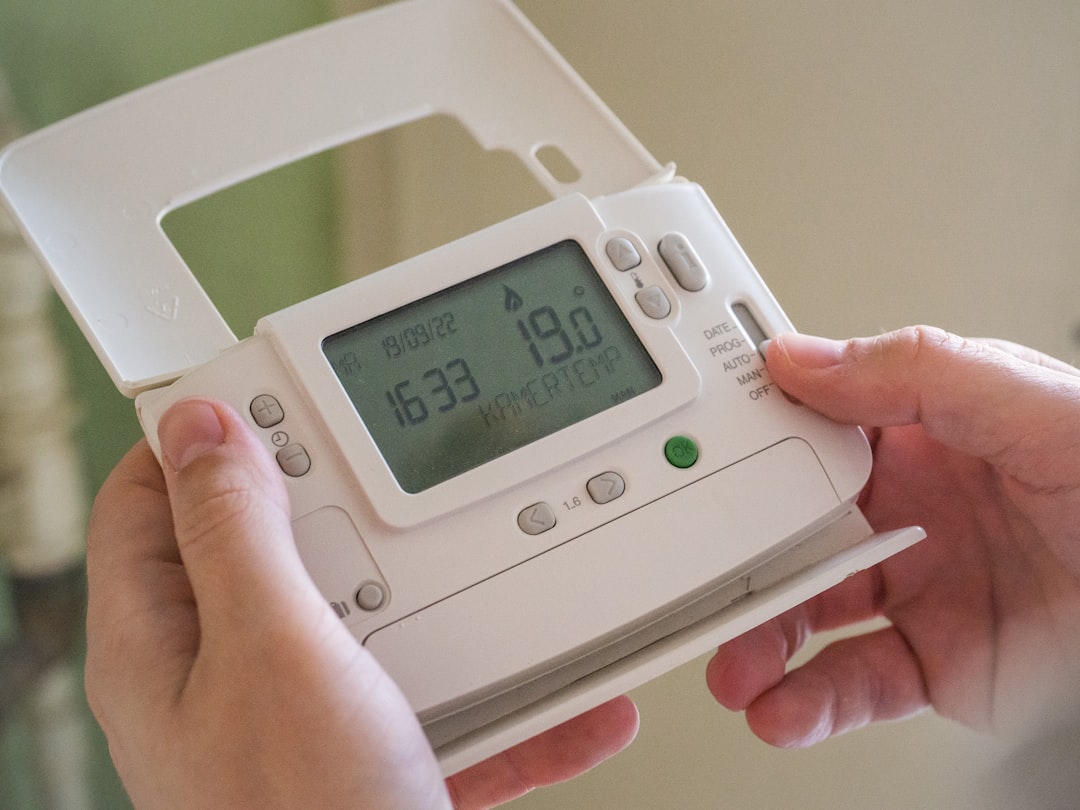
Smart thermostats have transformed how homeowners manage their home's heating and cooling systems, particularly during the hotter months. While they're commonly associated with air conditioning management, their capabilities to optimize heating use during summer are often underappreciated. This guide takes a deep dive into how smart thermostats prevent overheating, enhance energy savings, and integrate seamlessly with home automation to deliver superior HVAC management and cost efficiency.
Understanding Smart Thermostats and Their Role in Summer Heating Control
What is a Smart Thermostat?
A smart thermostat is an advanced temperature control device equipped with Wi-Fi connectivity and intelligent sensors that learn your household’s preferences. Unlike traditional thermostats, they enable remote control, adaptive scheduling, and integration with other smart home devices for efficient temperature regulation. They work by interfacing with your HVAC system to maintain comfortable indoor conditions, even in warmer months when heating may be needed minimally or not at all.
Why Heating Management Matters in Summer
Though heating demand typically diminishes in summer, certain climates and homes still require occasional heating due to cool nights, drafts, or unique home layouts. Unnecessary heating during summer can lead to overheating, wasted energy, and inflated utility bills. Efficient heating management with smart thermostats prevents these issues by intelligently minimizing heating activation when not needed.
Key Features That Enable Efficient Summer Heating
Smart thermostats boast features such as occupancy detection, geo-fencing, learning algorithms, and real-time energy consumption feedback. These capabilities help avoid overheating by turning the heat down or off when the house is empty or outdoor temperatures are warm. Additionally, many models offer alerts if temperature thresholds are exceeded, allowing quick corrective action that traditional thermostats cannot provide.
Preventing Overheating: Smart Thermostats’ Crucial Benefit for Summer
How Overheating Occurs and Its Impacts
Overheating happens when heating systems remain active longer than necessary, causing indoor temperatures to rise excessively. This can lead to discomfort, poor indoor air quality, and wasted energy. With summer's naturally higher ambient temperatures, surpassing comfortable indoor heating levels can happen quickly if thermostats are left on manual or fixed schedules.
Smart Thermostat Strategies to Avoid Overheating
Most smart thermostats incorporate adaptive controls that adjust heating output based on indoor and outdoor temperature sensors. For example, if your home reaches the ideal temperature threshold early in the day, the smart thermostat will reduce heating or place it in standby mode. Geo-fencing features pause heating when occupants leave, preventing unnecessary heat buildup. Integration with home automation platforms enhances this by linking blinds, fans, and cooling systems to maintain balanced indoor temperatures.
Case Study: Overheating Prevention in a Suburban Home
In a recent case study, a suburban household using a top smart thermostat reduced summertime heating usage by over 30%. The device's learning curve recognized weekend occupancy patterns and outside heat wave alerts, automatically adjusting temperature settings to avoid excess heat generation. This adaptive scheduling prevented overheating during afternoon hours, keeping energy consumption optimized and comfort levels high.
Maximizing Energy Savings with Smart Thermostats During Hot Months
Understanding Energy Usage Patterns
Energy savings come from reducing unnecessary heating cycles, especially in seasons where heating demand fluctuates. Smart thermostats gather data about daily temperature changes, occupancy, and household behavior to optimize HVAC runtime. This prevents the system from running during peak outdoor temperatures when heating is redundant.
Technological Innovations Driving Efficiency
Modern smart thermostats incorporate machine learning algorithms that improve predictive temperature control. They adjust in real-time, considering electricity tariffs or peak load hours, sometimes integrating with smart charging stations for efficient energy use. For more insights on related technologies improving home energy management, see our article on Smart Charging Stations and Tankless Water Heaters.
Quantifying Cost Efficiency: Data-Backed Savings
According to industry reports, households using smart thermostats save an average of 10-15% on annual heating and cooling energy costs, with summer savings focused on eliminating heating when not needed. Combined with local energy rates, these savings translate to substantial yearly reductions. Users also benefit from maintenance alerts and HVAC diagnostics built into many smart devices, preventing costly emergency repairs.
Temperature Control Precision: Tailoring Home Comfort in Summer
Fine-Tuning Indoor Climate With Smart Sensors
Smart thermostats utilize multiple sensors to monitor temperature variations across rooms, humidity levels, and even air quality. This granular data allows dynamic heating adjustments and prevents hot spots that contribute to discomfort. The result is a balanced indoor climate that meets individual preferences without manual intervention.
Integration with HVAC Management Systems
For homeowners interested in comprehensive HVAC management, smart thermostats are the central control hub, linking furnaces, boilers, and heat pumps to create an energy-optimized environment. These systems can be fine-tuned to prioritize energy savings or comfort depending on season or occupancy, providing unparalleled control. For further reading, explore our guide on Choosing the Right Heating System.
Customizable Settings for Maximum User Autonomy
Many smart thermostats allow users to set customized temperature thresholds and notifications to suit their lifestyle. Whether you want a cooler house in the evening or prefer to stagger heating start times, these devices offer user-friendly apps and voice assistant compatibility to make management seamless.
Smart Thermostats as Part of Home Automation Ecosystems
How Smart Thermostats Communicate with Other Devices
Beyond standalone temperature control, smart thermostats integrate into broader home automation systems using platforms like Amazon Alexa, Google Home, or Apple HomeKit. This interconnectivity permits coordinated energy management, such as closing smart blinds during peak sun hours or activating ceiling fans to reduce heating needs.
The Benefits of Automation in Energy and Cost Efficiency
Automation removes the guesswork from managing heating systems by basing decisions on real-time data and learned behaviors. It provides homeowners with hands-off energy-saving solutions that adapt automatically to changing weather, occupancy, and preferences — crucial during fluctuating summer conditions.
Examples of Automation Use Cases in Summer Heating
Imagine a smart thermostat that detects sunny weather and signals smart window shades to lower, reducing heat gain and subsequently lowering the need for heating or cooling. Alternatively, it can delay heating schedules on days when occupants plan to be away, preventing wasted energy. For more on integrating devices, visit our article on Smart Plugs and Power Management.
Choosing the Right Smart Thermostat for Summer Heating Control
Key Features to Consider
When selecting a smart thermostat specifically for summer heating efficiency, prioritize models with occupancy detection, robust sensors, compatibility with your HVAC system, and strong integration options. Energy consumption tracking and customizable schedules provide added benefits.
Price vs. Performance: What You Should Know
Smart thermostats vary widely in price. Entry-level units offer essential features, while premium models include advanced AI-driven controls, remote temperature sensors, and multi-zone management. Evaluate your home's size, heating system complexity, and desired automation features to find the right balance. Our deep comparison on heating system investments offers actionable advice at Choosing the Right Heating System.
Recommended Models and Brands for Summer Heating
Top contenders include the Google Nest Learning Thermostat, Ecobee SmartThermostat, and Honeywell Home T9 Touchscreen Thermostat. Each provides unique strengths in sensor accuracy, app usability, and HVAC compatibility. Detailed product reviews are available at Best Thermostats for Home Heating.
Installation and Maintenance Tips for Smart Thermostats
Professional vs. DIY Installation
While many smart thermostats advertise easy DIY installation, professional installation ensures compatibility with your HVAC system and optimal sensor placement. Certified technicians can seamlessly integrate your thermostat, avoiding common pitfalls that reduce performance or cause system errors.
Routine Maintenance for Optimal Performance
Maintaining a smart thermostat involves periodic firmware updates, sensor cleaning, and battery checks if applicable. Regular system checkups by HVAC professionals maintain the overall heating system efficiency, crucial during variable summer weather.
Troubleshooting Common Issues
Users may encounter connectivity problems, inaccurate temperature readings, or app sync delays. Most manufacturers provide diagnostic tools and support guides, but consulting our HVAC Troubleshooting Guide helps resolve issues efficiently.
Energy Savings Comparison: Smart Thermostat vs Traditional Thermostat
| Feature | Smart Thermostat | Traditional Thermostat | Benefit |
|---|---|---|---|
| Heating Control Precision | Adaptive, sensor-based control with learning | Manual, static temperature setting | Reduces overheating and energy waste |
| Remote Access | Mobile app & voice assistant | None | Enables quick adjustments from anywhere |
| Integration with Home Automation | Yes (blinds, fans, plugs) | No | Coordinated energy usage optimization |
| Occupancy Detection | Automatically adjusts based on presence | Fixed schedules only | Prevents heating empty homes |
| Energy Usage Feedback | Detailed energy reports & tips | None | Improves homeowner awareness & savings |
Pro Tip: To maximize savings, link your smart thermostat with energy-efficient HVAC upgrades and home insulation improvements. Smart thermostats do best when heating demand is managed holistically.
Finding Local Installation Experts and Support for Smart Thermostats
Why Local Expertise Matters
Smart thermostats require precise integration with HVAC equipment unique to your home. Local installers understand regional climate considerations, permitting requirements, and common system setups, ensuring a smooth installation and lasting performance.
How to Vet and Select Reliable Technicians
Look for licensed HVAC professionals with experience in smart thermostat installation and positive customer reviews. Ask for references and confirm service guarantees. Our guide on finding reliable local installers offers step-by-step assistance.
Ongoing Support and Upgrades
Choose providers who offer post-installation support, routine maintenance contracts, and firmware management. Staying current with thermostat updates secures continuous energy efficiency gains.
Future Trends: How Smart Thermostats Will Evolve for Summer Heating
Predictive Analytics and AI Advancements
The next generation of smart thermostats will include deeper integration with weather forecasts, smart grids, and personalized comfort profiles powered by artificial intelligence. This enhances predictive heating management, preventing overheating before it happens.
Greater Interoperability with Smart Home Devices
Expect ecosystems where smart thermostats synchronize with renewable energy systems, smart windows, and ventilation controls. This holistic approach will revolutionize summer heating and cooling management by maximizing energy savings and comfort.
Sustainability and Cost Efficiency Driving Adoption
As energy costs rise and environmental concerns mount, smart thermostats will be central to eco-friendly home strategies, especially in hotter months when balancing heating and cooling loads is critical. Our exploratory feature on Energy-Efficient HVAC Upgrades highlights complementary solutions.
Frequently Asked Questions (FAQ)
1. Can smart thermostats really save money on heating during summer?
Yes. By preventing unnecessary heating cycles and optimizing temperature settings when heating is required, smart thermostats can reduce your energy bills by up to 15%, especially by avoiding overheating.
2. Are smart thermostats compatible with all heating systems?
Most smart thermostats work with common systems like furnaces, boilers, and heat pumps. It’s important to verify compatibility with your HVAC system before purchase. Professional installation helps ensure proper integration.
3. How do smart thermostats prevent overheating?
They use sensors and adaptive algorithms to adjust heating output dynamically and avoid heating when ambient temperatures or occupancy do not require it—limiting excess heat buildup.
4. Can I control my smart thermostat remotely?
Almost all smart thermostats support remote control via mobile apps and voice commands, allowing you to fine-tune your heating settings from anywhere.
5. Do smart thermostats require regular maintenance?
While thermostats themselves need minimal upkeep, it's important to keep firmware updated and have your HVAC system checked routinely to maintain optimal performance.
Related Reading
- Choosing the Right Heating System - A comprehensive guide to selecting the ideal heating technology for your home.
- Best Thermostats for Home Heating - In-depth product reviews to help you choose a smart thermostat.
- Finding Reliable Local Heating Installers - Tips on selecting trusted professionals for HVAC installation.
- Energy-Efficient HVAC Upgrades - Explore upgrades that complement smart thermostats for even greater savings.
- Smart Charging Stations and Tankless Water Heaters - Learn about related smart home technologies that optimize energy use.