As the temperatures soar during the summer months, your HVAC system works overtime to keep your home comfortable and cool. To prevent unexpected breakdowns and optimize your system's efficiency, adopting a tailored summer maintenance routine is crucial. This comprehensive HVAC maintenance summer checklist empowers homeowners with actionable preventative care strategies that enhance system performance and save on energy bills.
Why Prioritize HVAC Maintenance in Summer?
1. Peak Performance During Extreme Heat
Summer places intense demand on cooling systems. Without proper upkeep, components like compressors and fans become strained, risking inefficiency and failure. Ensuring your HVAC is summer-ready prevents overheating and mechanical stress that cause costly breakdowns.
2. Lower Energy Consumption and Bills
An optimally maintained HVAC runs more efficiently, translating into lower electricity usage and reduced bills. According to the U.S. Department of Energy, regular maintenance can reduce HVAC energy consumption by 15-20%. Discover more practical ways to lower your energy bills year-round.
3. Improved Indoor Air Quality
Summer allergens and dust can infiltrate your HVAC system, impacting indoor air quality. Routine care, including filter changes and coil cleaning, reduces airborne irritants, protecting your family's health. Visit our guide on improving indoor air quality with HVAC for more.
Summer HVAC Maintenance Checklist: Step-by-Step
This detailed summer checklist addresses the most critical components and tasks for maintaining your HVAC system's health throughout the warm months.
1. Change or Clean Air Filters
Dirty filters restrict airflow, causing the system to work harder and risk overheating. During summer, check filters monthly and replace or clean as needed. This simple step ensures peak cooling and efficiency. Learn how to properly change your HVAC filter.
2. Inspect and Clean the Outdoor Condenser Unit
Keep the condenser unit free from debris like leaves, grass, and dirt that can block airflow and reduce cooling power. Use a garden hose to gently clean the coils but avoid high-pressure streams that could damage fins. For in-depth instructions, see how to clean your HVAC condenser.
3. Check the Refrigerant Levels
Low refrigerant affects cooling efficiency and may indicate leaks. Have a professional technician measure levels and recharge if necessary. Proper refrigerant charge is key for optimum system performance and longevity. Our guide to HVAC refrigerant care explains this further.
4. Clean Evaporator Coils
Evaporator coils can accumulate dust and mold, impairing heat exchange and cooling ability. Cleaning these coils improves airflow and system efficiency. This task typically requires professional inspection but homeowners can spot excessive dirt accumulation. Read more about evaporator coil maintenance.
5. Inspect and Tighten Electrical Connections
Loose or corroded electrical contacts can cause system failures or hazards. Turn off power and inspect connections, tightening any loose wires. If unsure, scheduling a professional tune-up is recommended. Our article on HVAC electrical safety covers this in detail.
6. Lubricate Moving Parts
Mechanical components such as motors and fans require lubrication to reduce friction and wear. Applying the correct lubricant can prolong lifespan and reduce noise. Consult your system manual or HVAC service provider for the right products and procedures.
7. Test the Thermostat Functionality
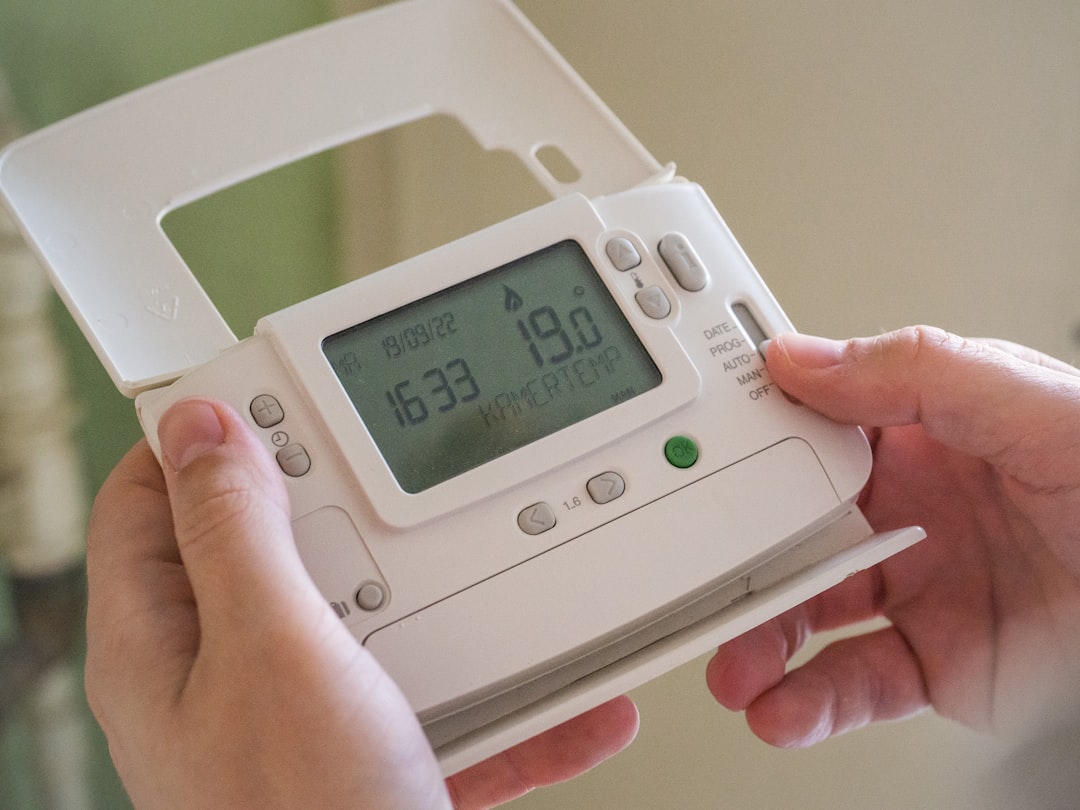
Ensure your thermostat accurately controls temperature settings. Consider upgrading to a smart thermostat for better energy management and convenience. Explore the benefits of smart thermostats in our comprehensive buyer’s guide.
Additional Summer-Specific Preventative Tips
1. Seal Air Leaks and Improve Insulation
Excessive heat gain through windows and doors forces your HVAC to work harder. Use weather-stripping and caulking to seal leaks, and add insulation where needed. Learn more about a home insulation checklist that complements your HVAC maintenance.
2. Use Ceiling Fans to Reduce Cooling Load
Fans circulate air efficiently, making a room feel cooler and allowing you to raise thermostat settings without sacrificing comfort. This simple step can reduce HVAC runtime and energy use significantly. Read about ceiling fan strategies.
3. Keep Vents Unobstructed
Blockages in vents and registers reduce airflow and system efficiency. Regularly inspect and clean vents, keeping furniture and drapes away. Our advice on vent maintenance provides practical tips.
When to Call a Professional HVAC Technician
1. Annual or Biannual Tune-Ups
Even with diligent homeowner maintenance, professional tune-ups catch hidden issues early. Scheduling service before peak summer ensures your system is fully optimized. Discover what a professional HVAC service checkup entails.
2. Troubleshooting Unusual Noises or Smells
Alert your technician if you experience strange sounds, reduced cooling, or odors from the system—these often signal beginning failures requiring expert care.
3. Upgrading Older Systems
If your AC is more than 10 years old or frequently malfunctions, consult a pro about replacement options. Energy-efficient modern systems can dramatically reduce summer cooling costs. Learn more in our air conditioner selection guide.
Comparison Table: DIY vs Professional Summer HVAC Maintenance Tasks
| Task | DIY Applicability | Professional Required | Expected Benefits | Frequency Recommended |
|---|---|---|---|---|
| Air Filter Change | Yes | Optional | Improved airflow & air quality | Monthly in summer |
| Condenser Unit Cleaning | Yes | Optional | Better cooling efficiency | Monthly |
| Refrigerant Level Check | No | Yes | Optimal cooling and system health | Annually |
| Evaporator Coil Cleaning | Limited | Yes | Enhanced heat exchange | Annually |
| Electrical Connections Inspection | Limited (experienced DIYers only) | Yes | Prevention of failures & hazards | Annually |
Advanced Tips: Enhancing HVAC Summer Performance
For homeowners looking to optimize their cooling systems beyond basics, consider installing UV light air purifiers inside the ductwork to reduce microbial growth, or employing zoned HVAC controls to direct cool air only where needed. These strategies elevate comfort and efficiency. Explore more about advanced HVAC technologies and improvements in our HVAC upgrade guide.
Pro Tip: Setting your thermostat a few degrees higher when you're away or asleep can save up to 10% annually on cooling costs without compromising comfort.
Common HVAC Summer Maintenance Mistakes to Avoid
1. Ignoring Dirty Filters
Delaying filter changes leads to clogged airflow and increased wear. Set calendar reminders or subscribe to filter delivery services for convenience.
2. Overlooking Outdoor Unit Obstructions
Neglecting yard debris around the condenser impairs performance. Keep a clear 2-foot radius around the unit.
3. DIY Electrical Work Without Expertise
HVAC electrical systems require skill. Avoid risky DIY fixes and always hire certified technicians for electrical repairs.
Maintaining System Longevity: A Summer-Forward Mindset
HVAC systems are significant home investments. Proactive, seasonal maintenance not only ensures comfort but extends the life of your equipment. For comprehensive ongoing care advice, review our post on year-round HVAC maintenance best practices.
Frequently Asked Questions (FAQ)
How often should I change my HVAC air filter during summer?
Replace or clean air filters every 1 month during high-use months like summer to maintain airflow and efficiency.
Can I clean the condenser coils myself safely?
Yes, with gentle water spray and by first turning off power to the unit, you can clean the coils carefully without damage.
Why is refrigerant level important in summer?
Maintaining proper refrigerant ensures your AC cools effectively and prevents compressor damage due to overload.
Should I upgrade to a smart thermostat for summer?
Smart thermostats optimize cooling schedules and can reduce energy costs by automatically adjusting temperatures when you're away.
What are signs that I need a professional HVAC tune-up?
Unusual noises, weak airflow, increased energy bills, and poor cooling are indicators that professional service is needed.
Related Reading
- Choosing the Right Air Conditioner - Discover the best cooling system tailored to your home’s needs.
- Year-Round HVAC Maintenance Schedule - Keep your system running efficiently all seasons.
- Smart Thermostat Buyer’s Guide - Upgrade your home comfort with smart controls.
- Improve Indoor Air Quality with HVAC - Tips to keep your home air clean and healthy.
- How to Properly Change Your HVAC Filter - Step-by-step filter maintenance for homeowners.